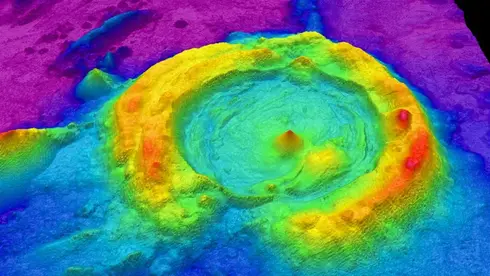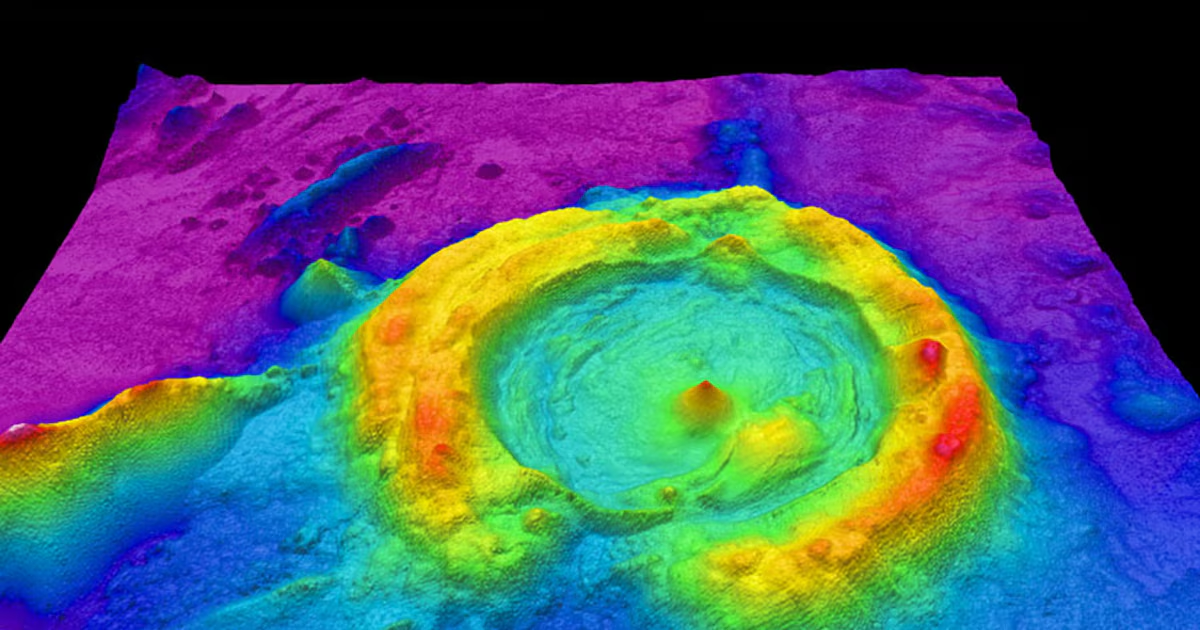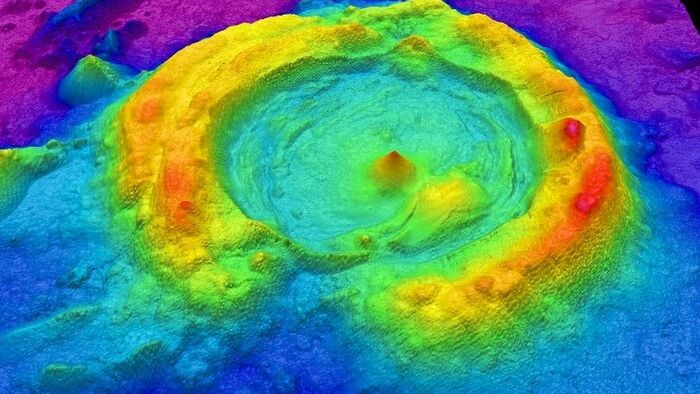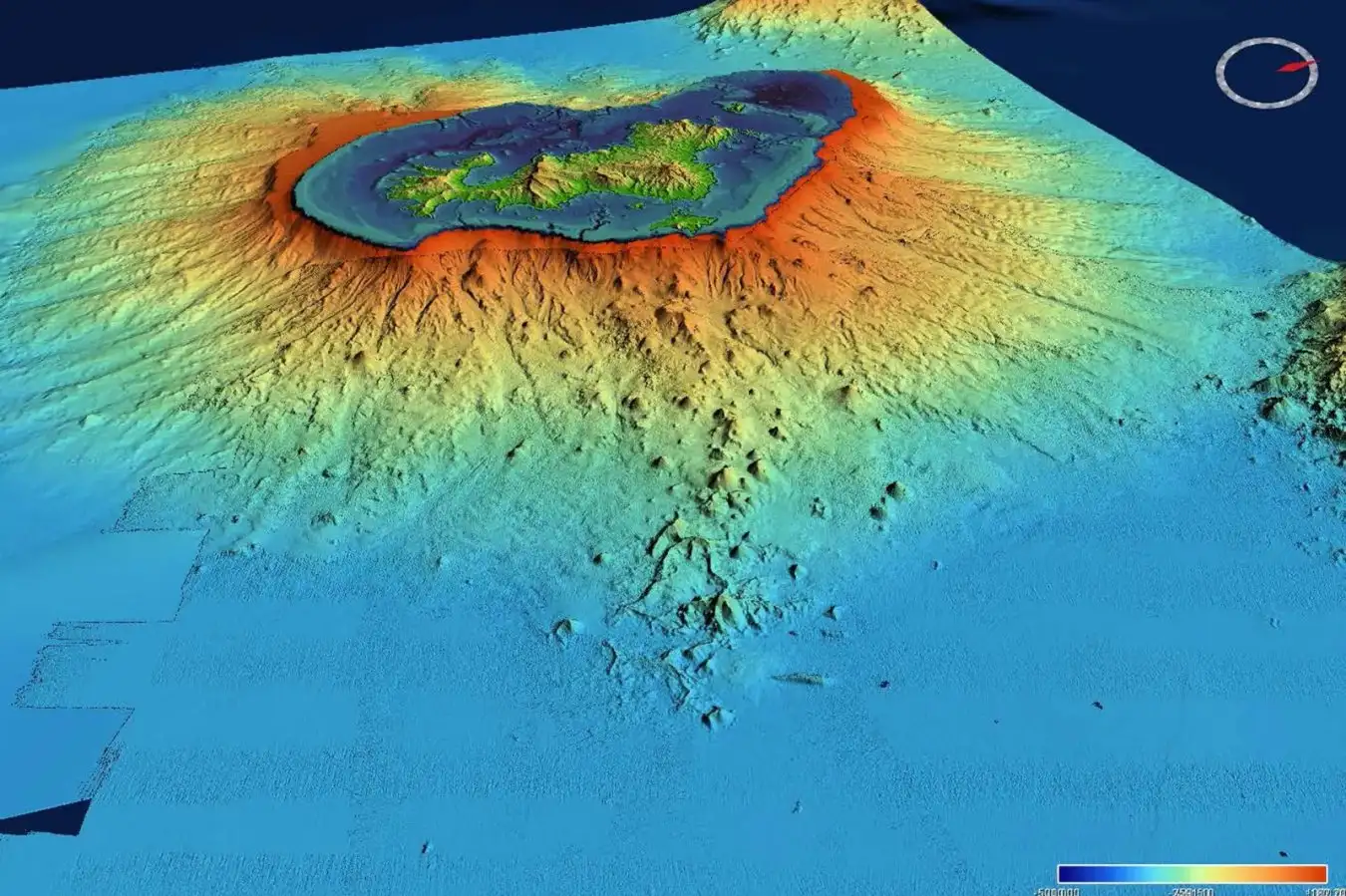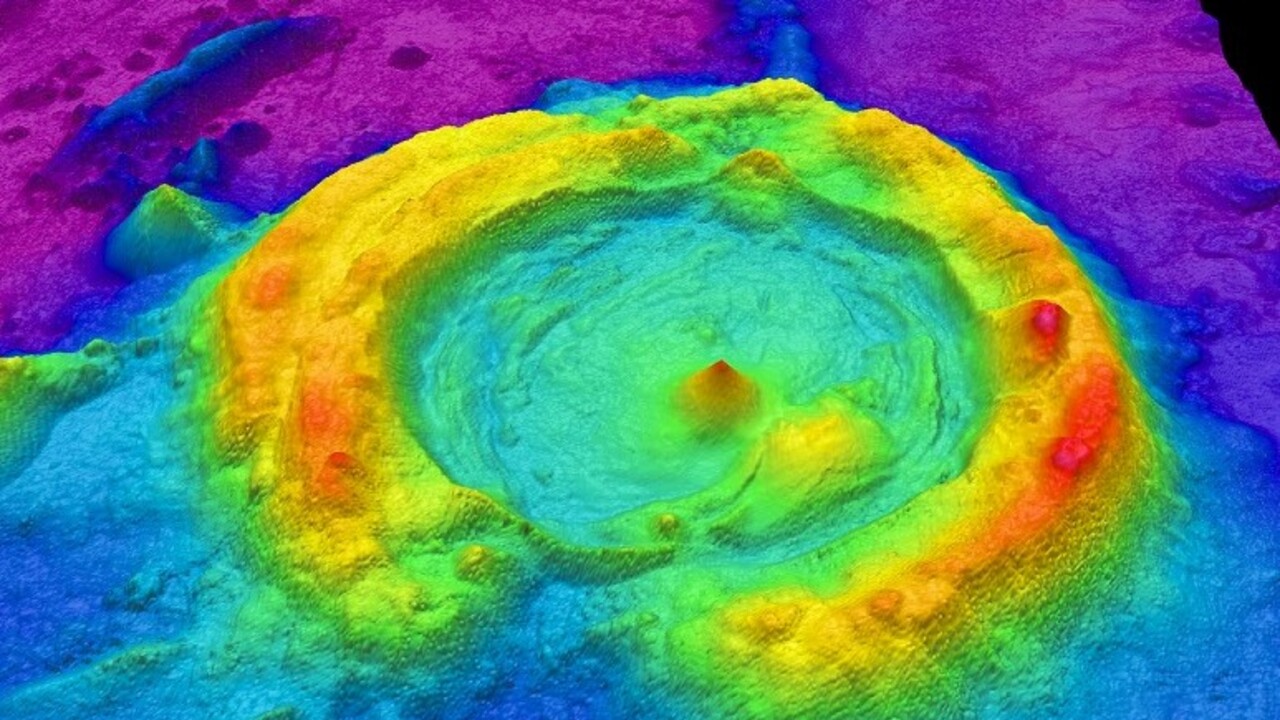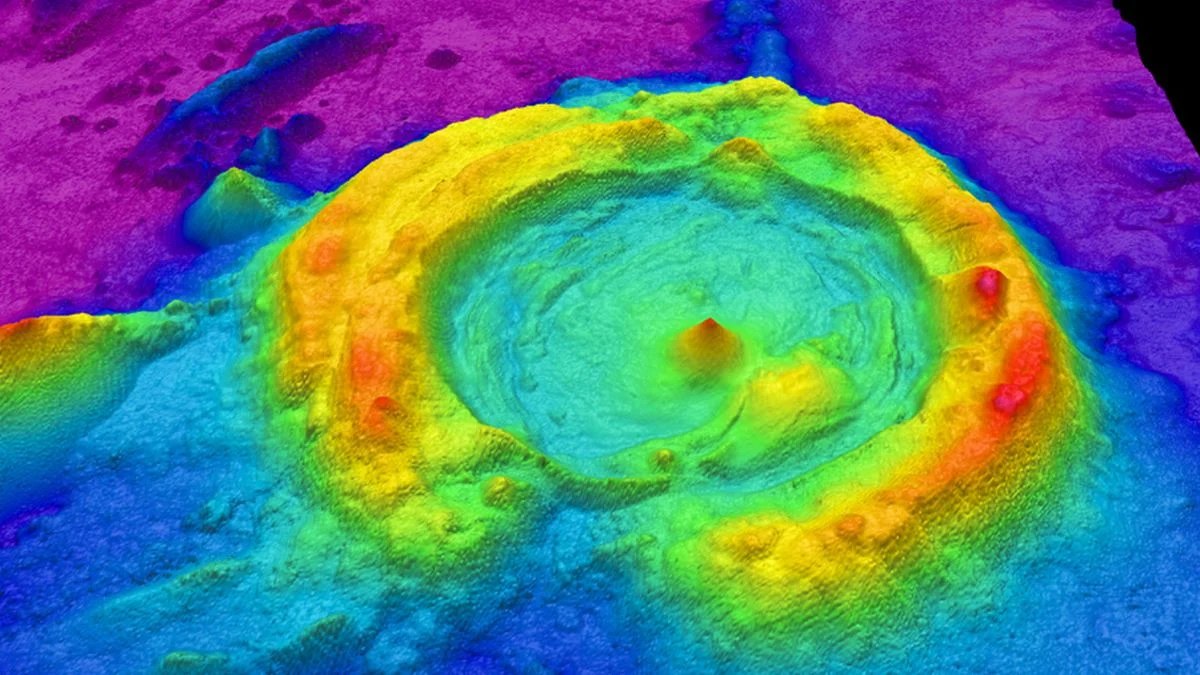
Bathymetry of a known caldera, Niuatahi, in the Tongan archipelago. (NOAA Vents Program)
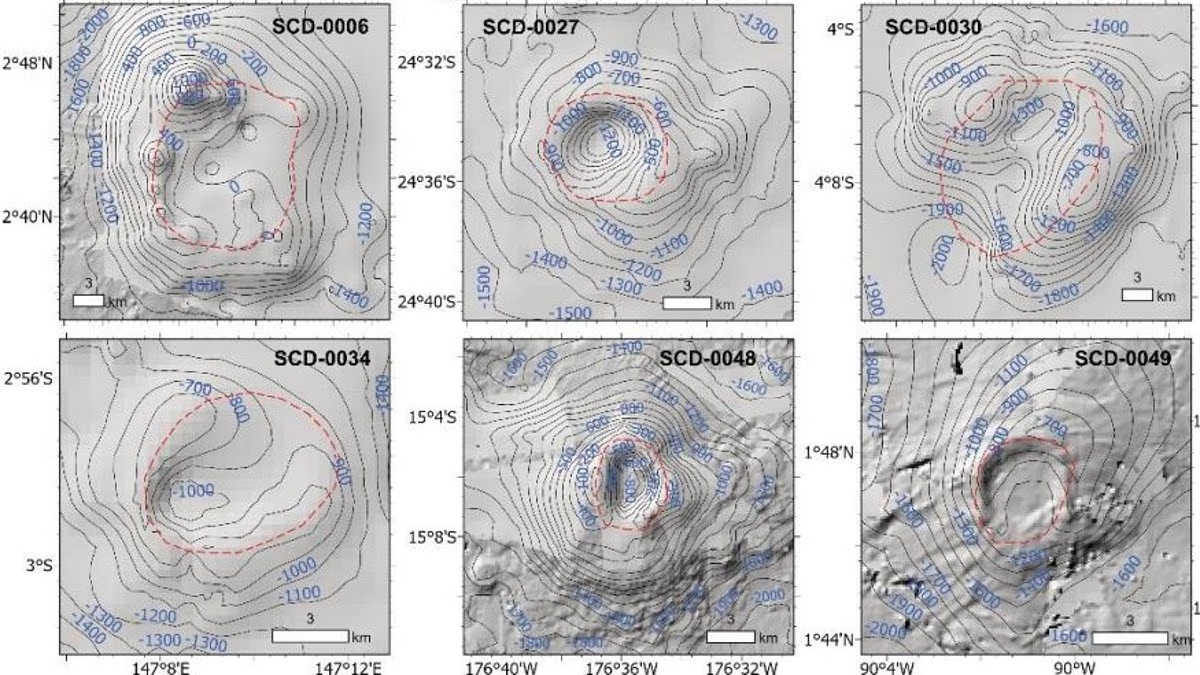
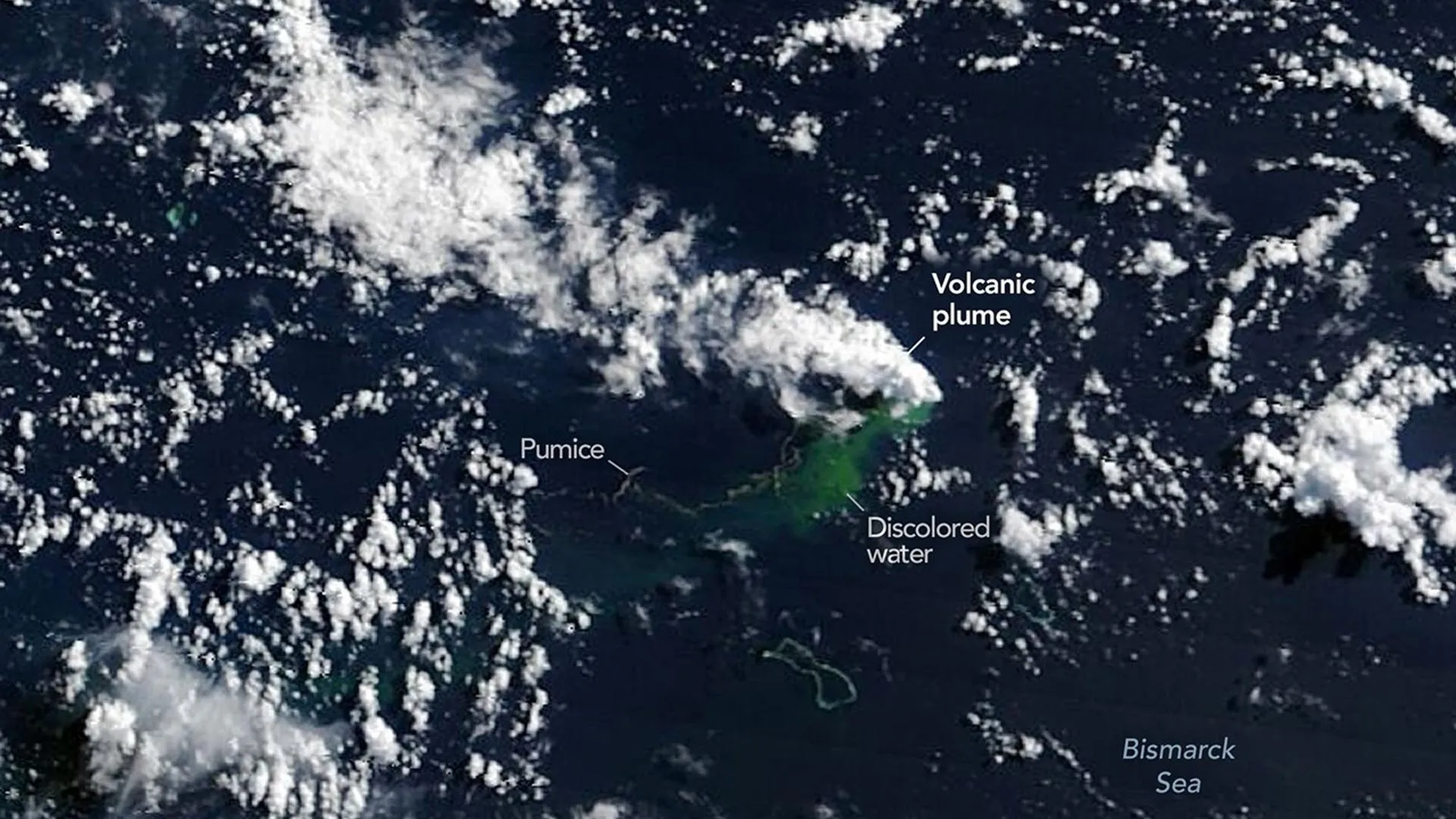
Deep beneath the ocean waves, dangers lurk.Not from cryptic monsters like the kraken, but from powerful forces reshaping the ocean floor itself.Most of Earth's volcanic activity takes place underwater. Yet the scars those volcanoes leave behind have remained largely hidden.Now, through an AI-assisted search of the seafloor, a team led by volcanologist Andrea Verolino of Paris-Saclay University in France has identified 73 previously unknown volcanic calderas hidden beneath Earth's oceans.Calderas are vast crater-like depressions left when a volcano empties enough of its underground magma chamber for the ground above to collapse in on itself. Some are long extinct, but others mark volcanic systems that could erupt again.The global distribution of previously documented calderas. (Verolino et al., Commun. Earth Environ., 2026)"Our dataset," writes the team in an early-access paper published in Communications, Earth & Environment, "fills a major observational gap and provides a reproducible, upgradeable framework for submarine volcano characterization, underscoring the need to incorporate submarine calderas into future global volcanic assessments."Most of Earth's volcanic activity takes place beneath the sea, where tectonic plates are constantly pulling apart, colliding, and sliding beneath one another. These restless boundaries allow magma to rise toward the surface, building volcanoes across the ocean floor.Most of that submarine volcanic activity consists of relatively gentle basaltic eruptions along spreading ridges – but every now and then, things get a little bit more dramatic.Submarine calderas can generate enormous eruptions, tsunamis, shock waves, ash plumes, and tremendous amounts of steam as they explode deep under the ocean.