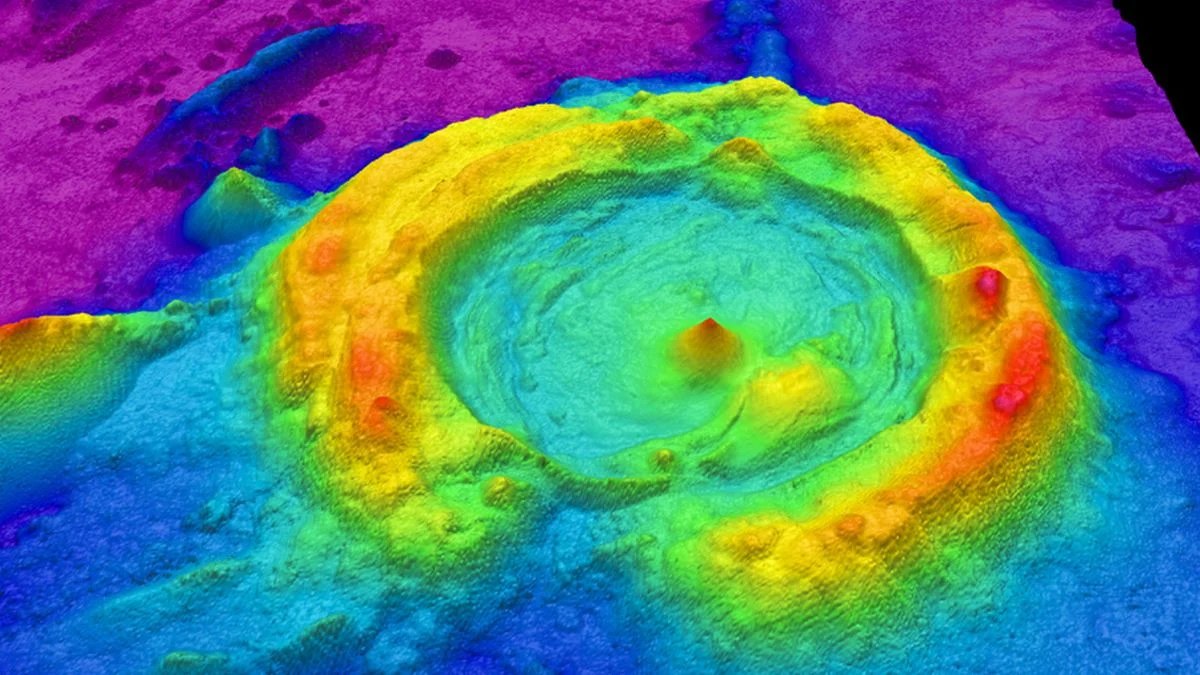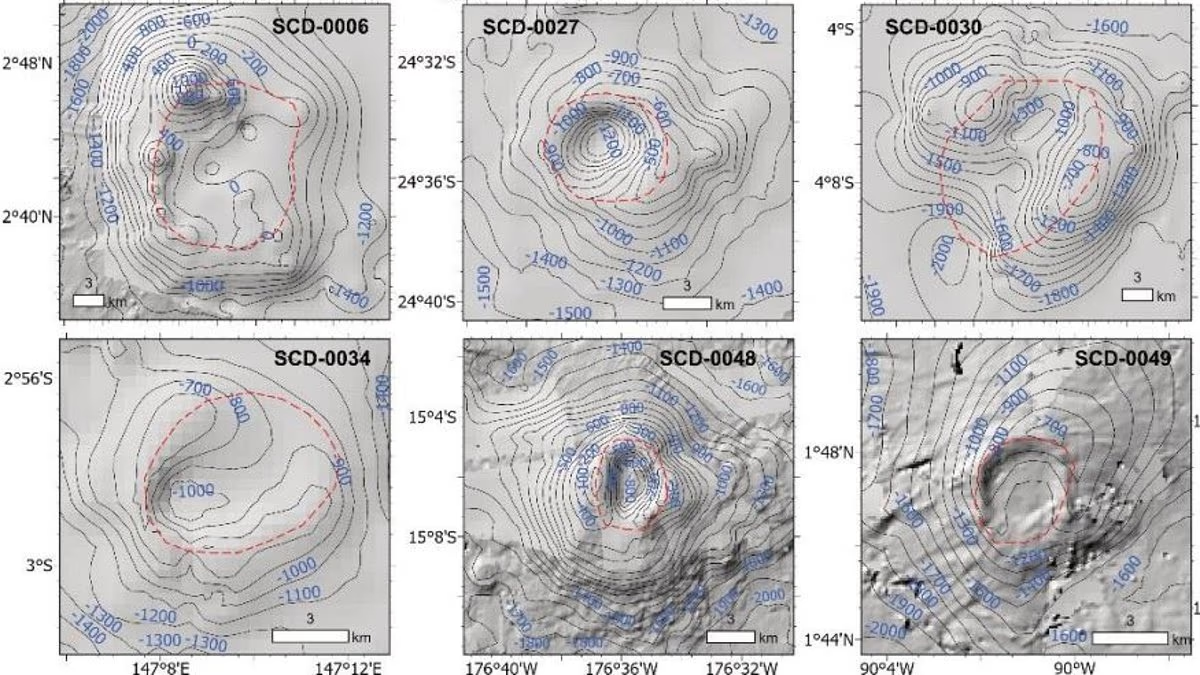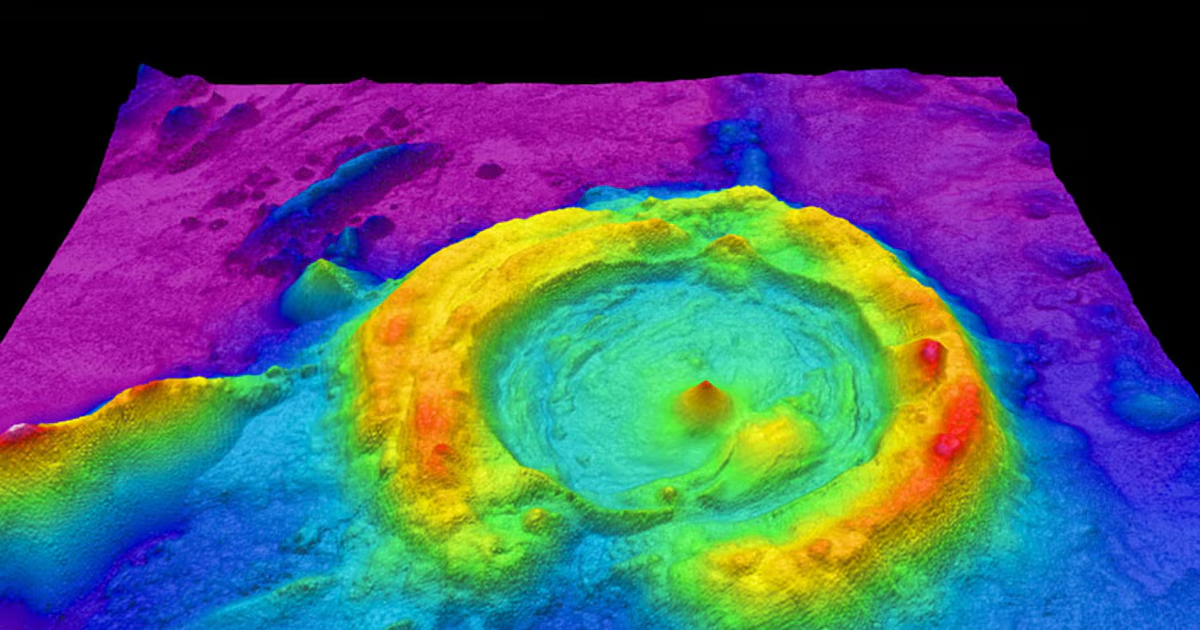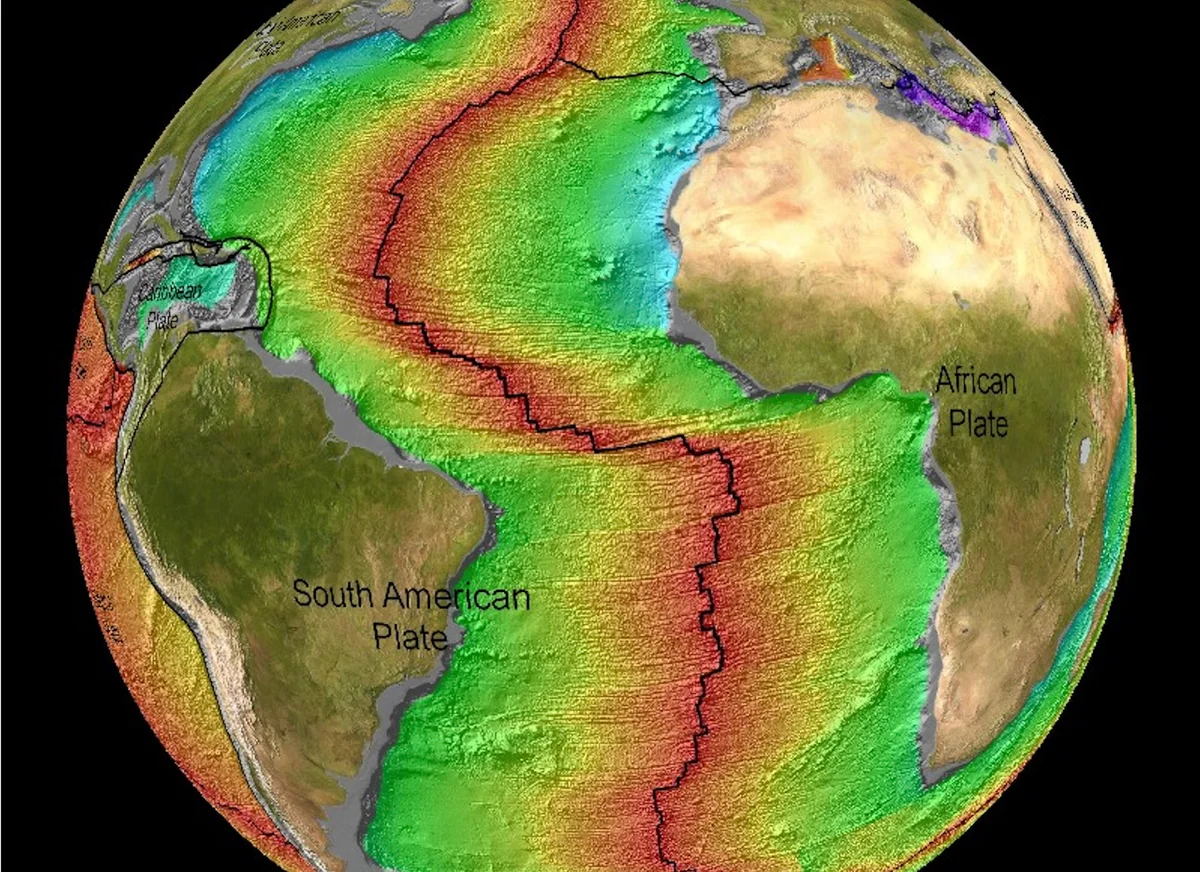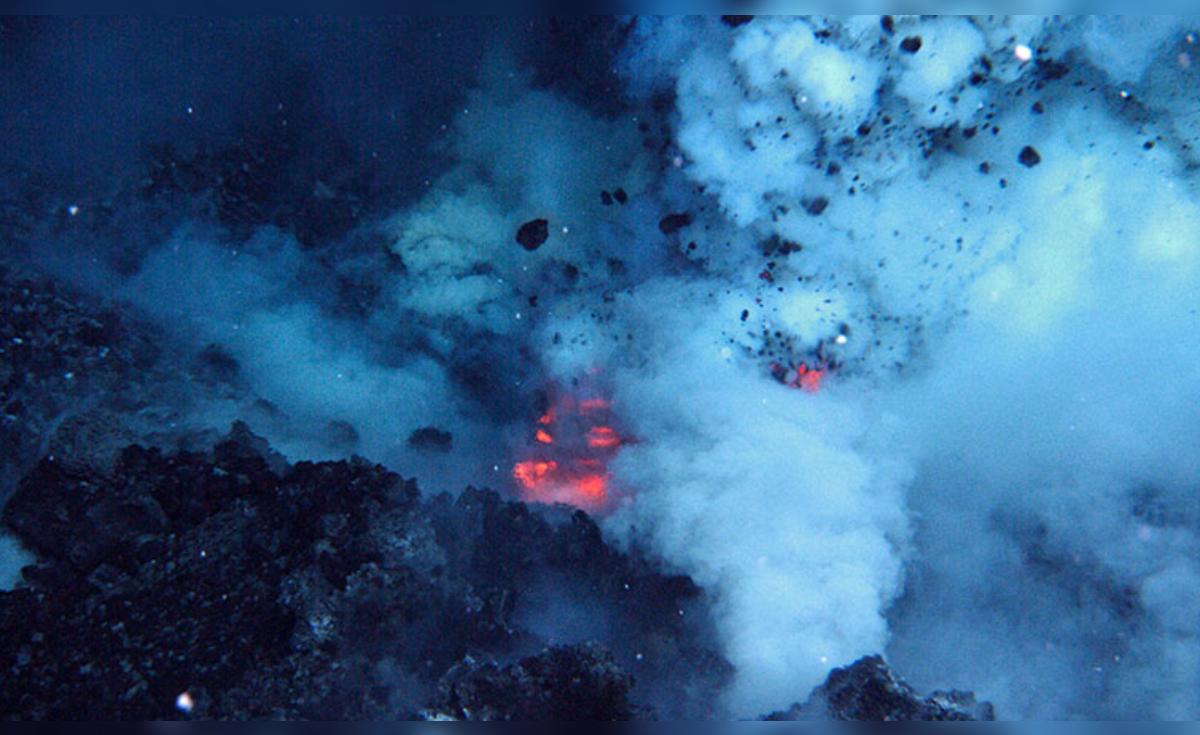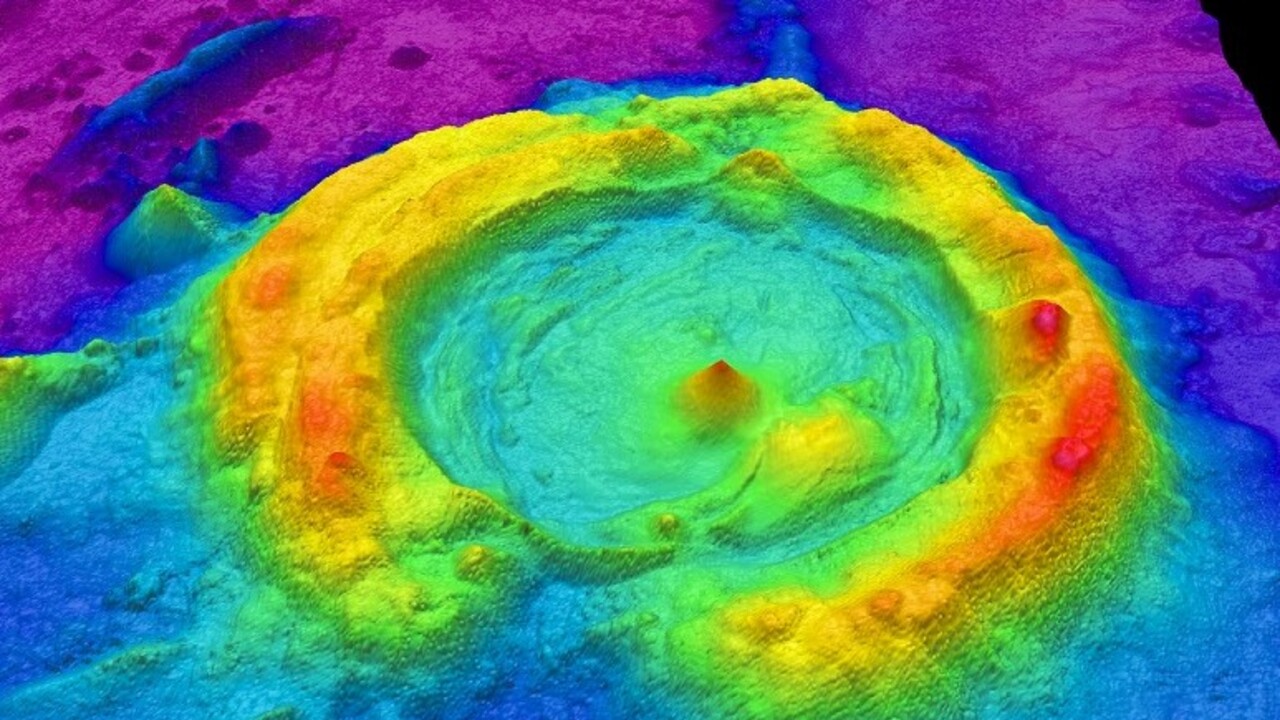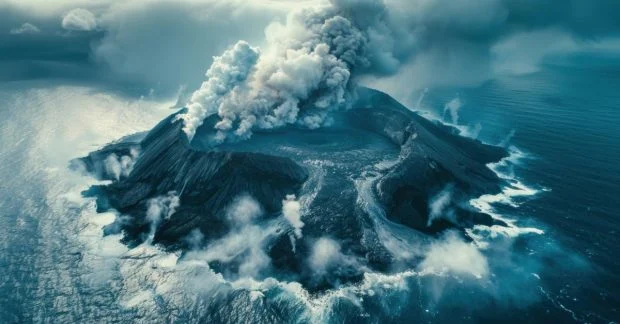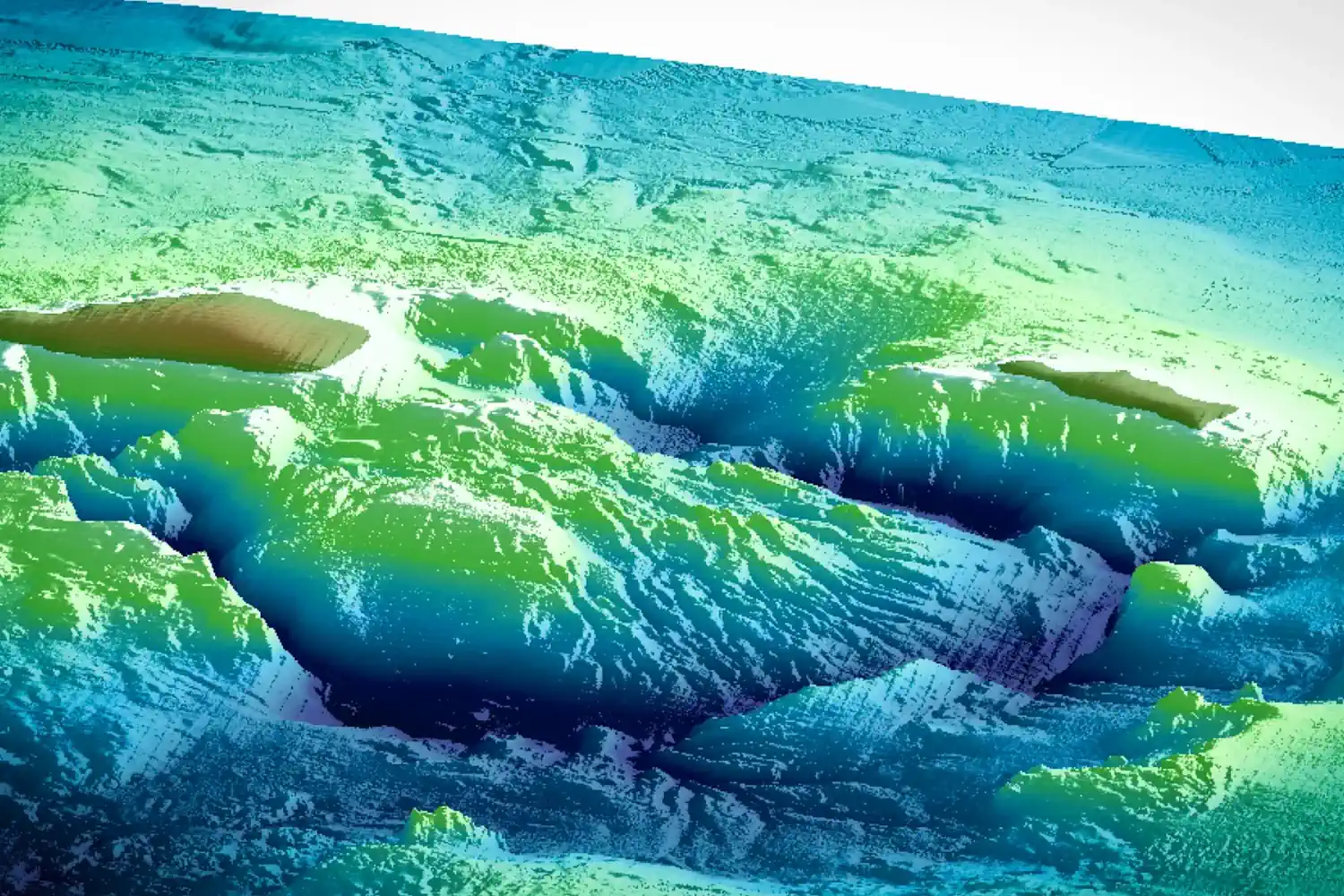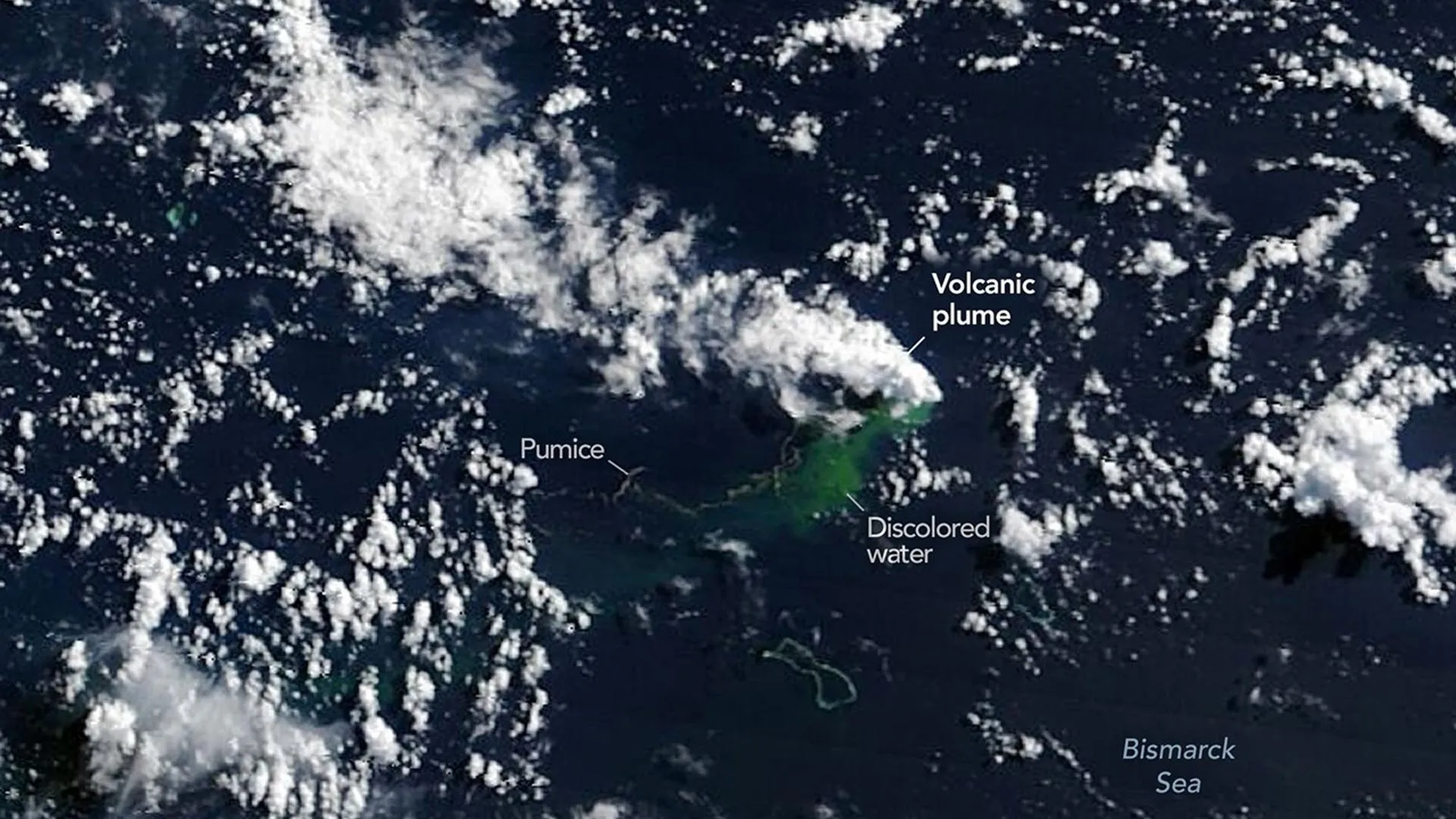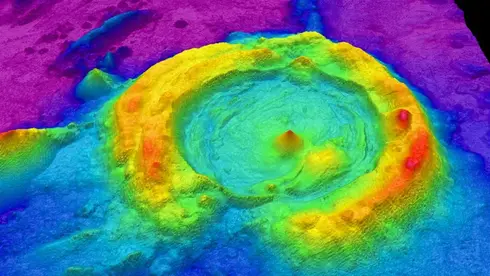
AI-assisted seafloor mapping revealed dozens of previously unknown undersea calderas, but scientists say more research is needed to determine whether any are activeDeep beneath the ocean’s surface, danger is hiding in plain sight. Not in the form of mythological creatures such as the kraken, but in the powerful geological forces that continue to reshape the seafloor itself. Most of Earth’s volcanic activity takes place underwater, yet much of its evidence and many of its consequences remain unseen.Now, using an AI-assisted search of the ocean floor, a team led by volcanologist Dr. Andrea Verolino of Paris-Saclay University in France has identified 73 previously unknown volcanic calderas hidden beneath Earth’s oceans. ScienceAlert reported that the newly identified calderas span a wide range of depths, reaching up to 5,600 meters (about 18,400 feet) below the surface, and diameters of up to 20 kilometers (about 12 miles).Start of the Hunga Tonga volcanic eruption (Video: Reuters)Calderas are vast crater-like depressions that form when the roof of a magma chamber beneath a volcano empties and collapses inward, creating a broad basin. They can stretch for many kilometers and often fill with water, becoming dramatic lakes. Some are extinct, but others are volcanic systems that may erupt again.GalleryBathymetric mapping of a submarine caldera near Tonga (Illustration: NOAA Vents Program)Most of Earth’s volcanic activity occurs beneath the sea, where tectonic plates constantly move apart, collide and slide beneath one another. Underwater, hot magma meets cold ocean water, hardens and builds layer upon layer of rock until it forms a seamount. In some cases, that process creates new islands when the summit rises above the waterline.Eruption of the submarine Hunga Tonga volcano
Ticking time bombs? 73 volcanic calderas found deep in oceans
AI-assisted seafloor mapping revealed dozens of previously unknown undersea calderas, but scientists say more research is needed to determine whether any are active
632 words~3 min read