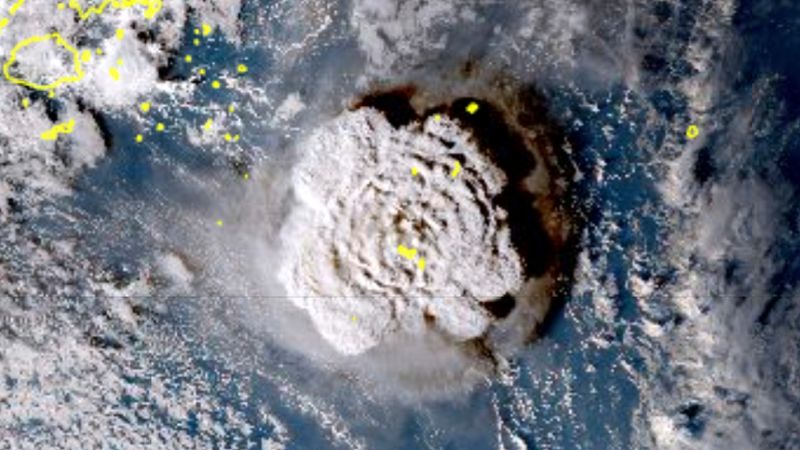
A violent 2022 volcanic eruption in the South Pacific appears to have destroyed some of its own methane emissions.
Scientists discovered formaldehyde clouds indicating a chemical process that broke down the potent planet-heating gas for over a week.
The findings could inform new methods to tackle methane pollution, though experts caution more research is needed.
AI-generated summary was reviewed by a CNN editor.
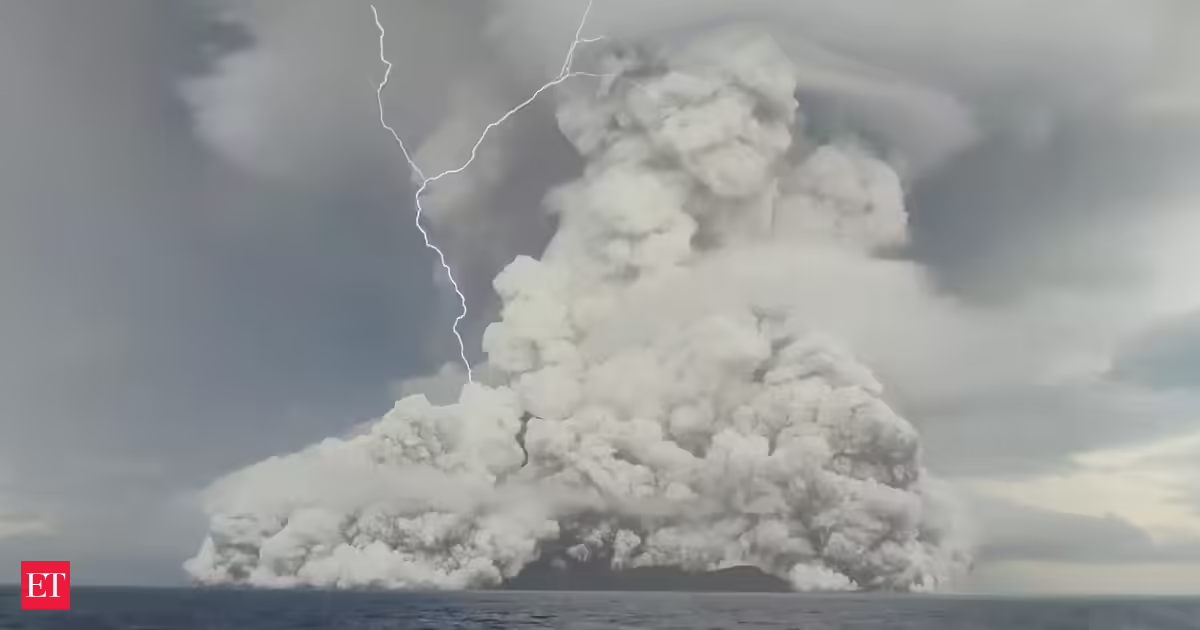
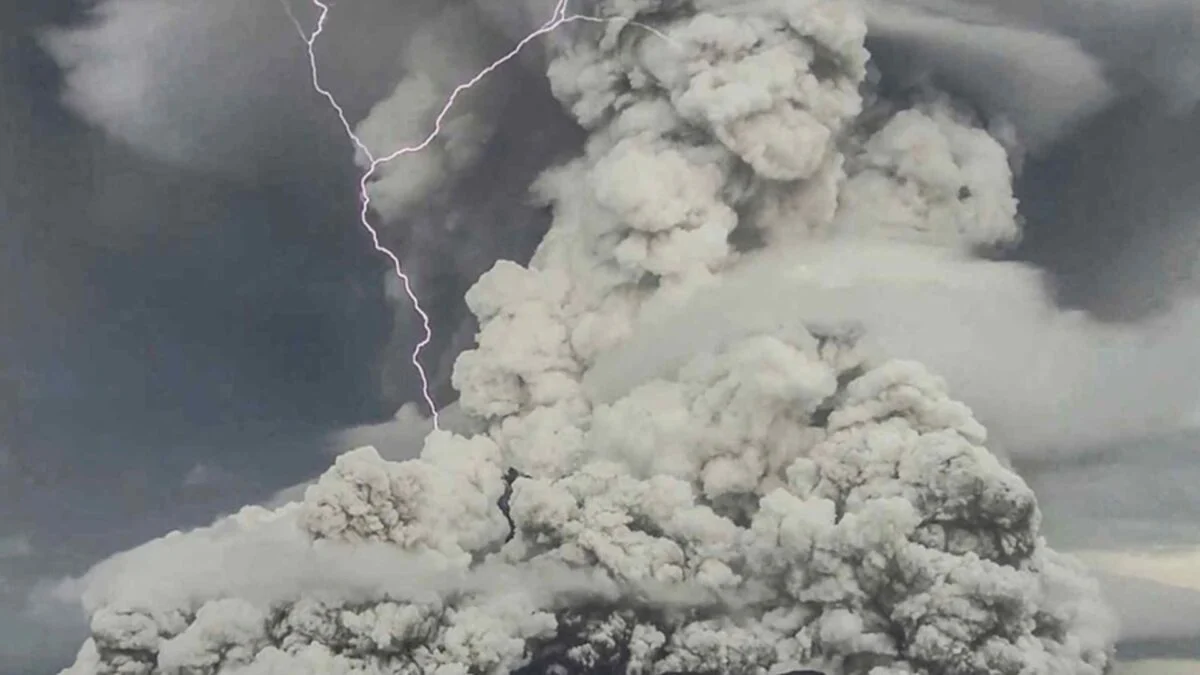
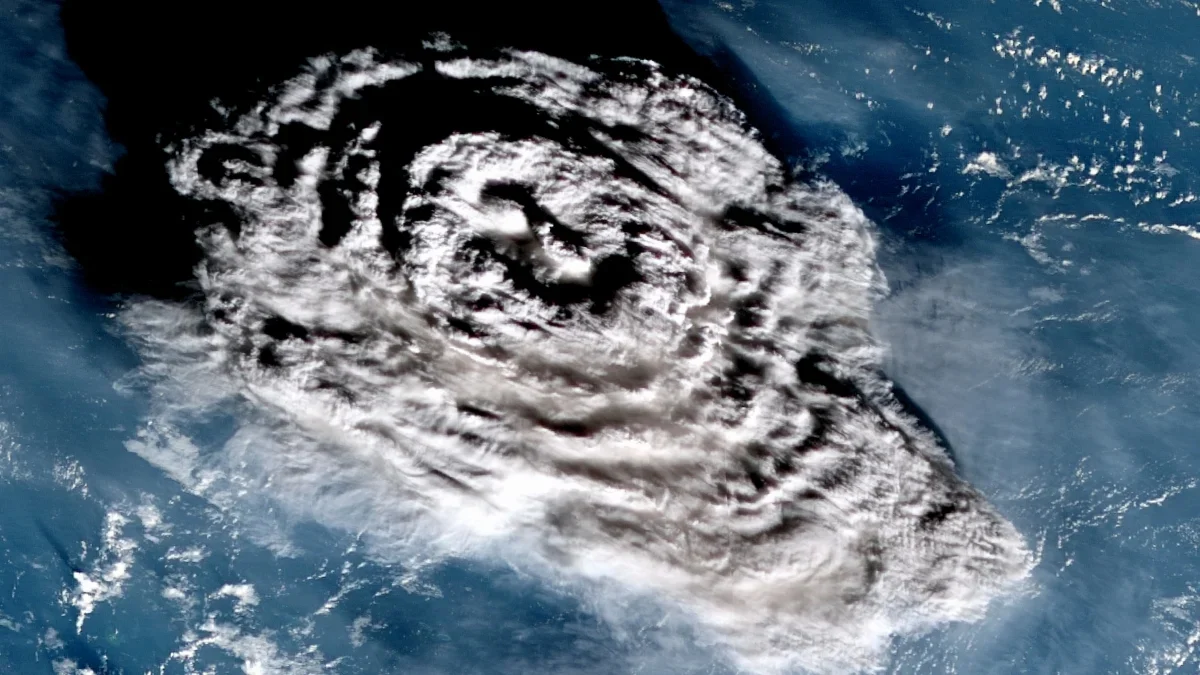
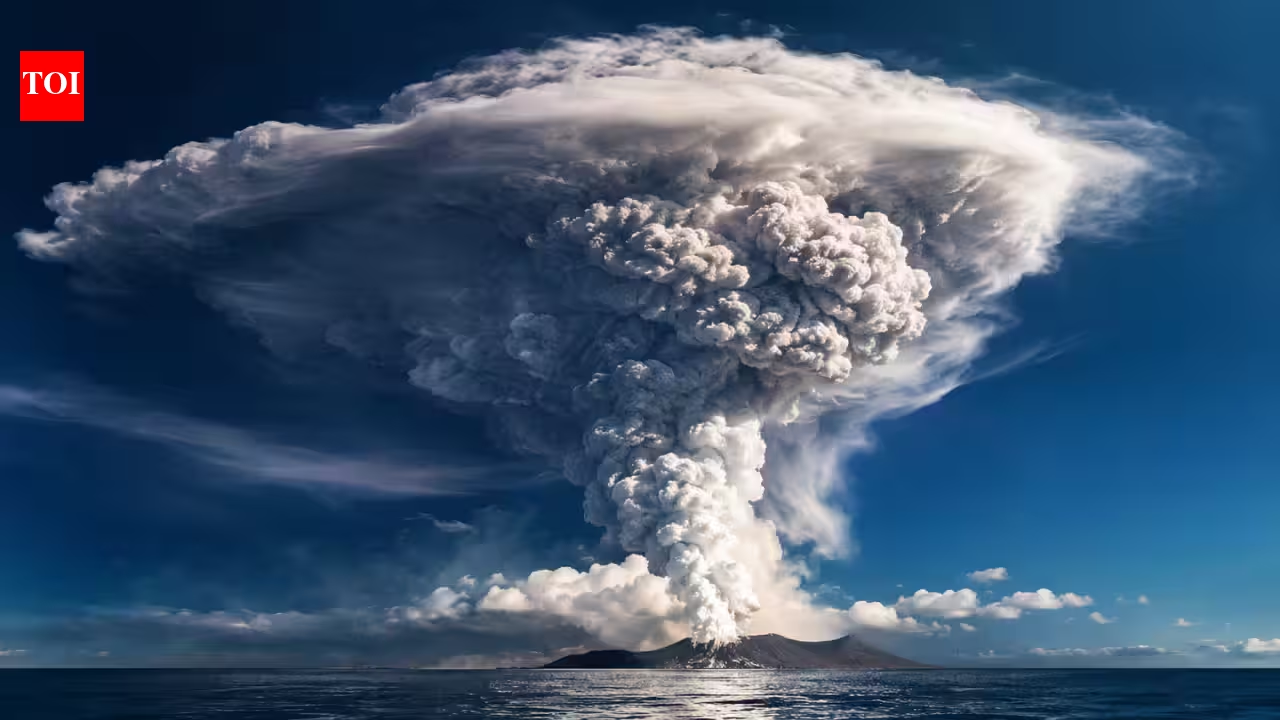
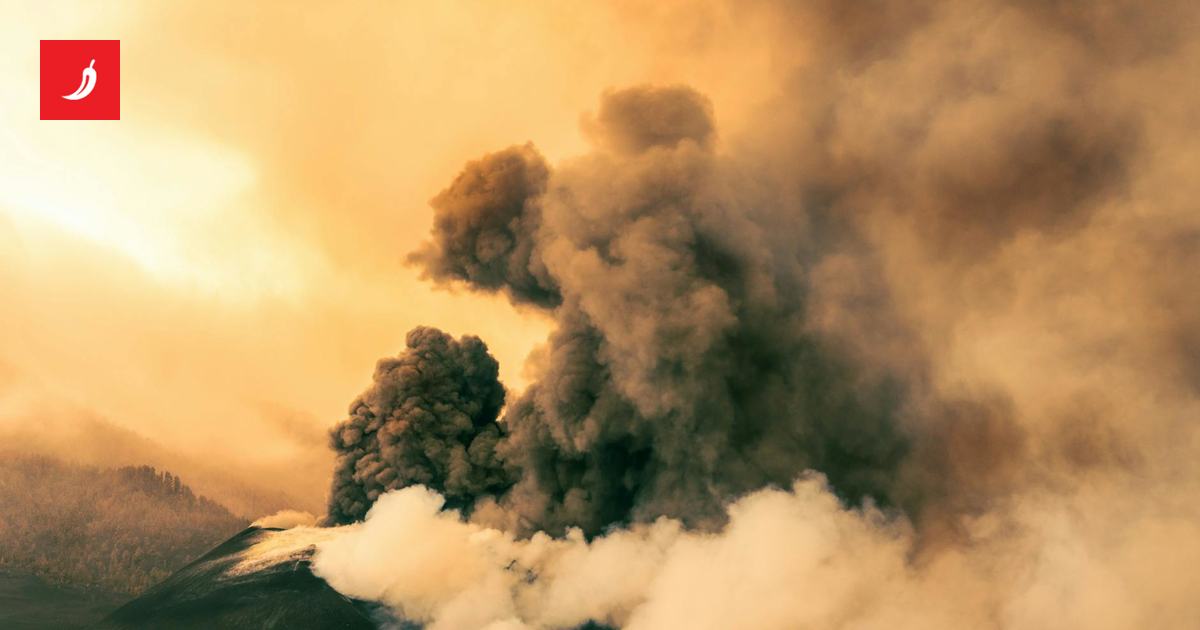
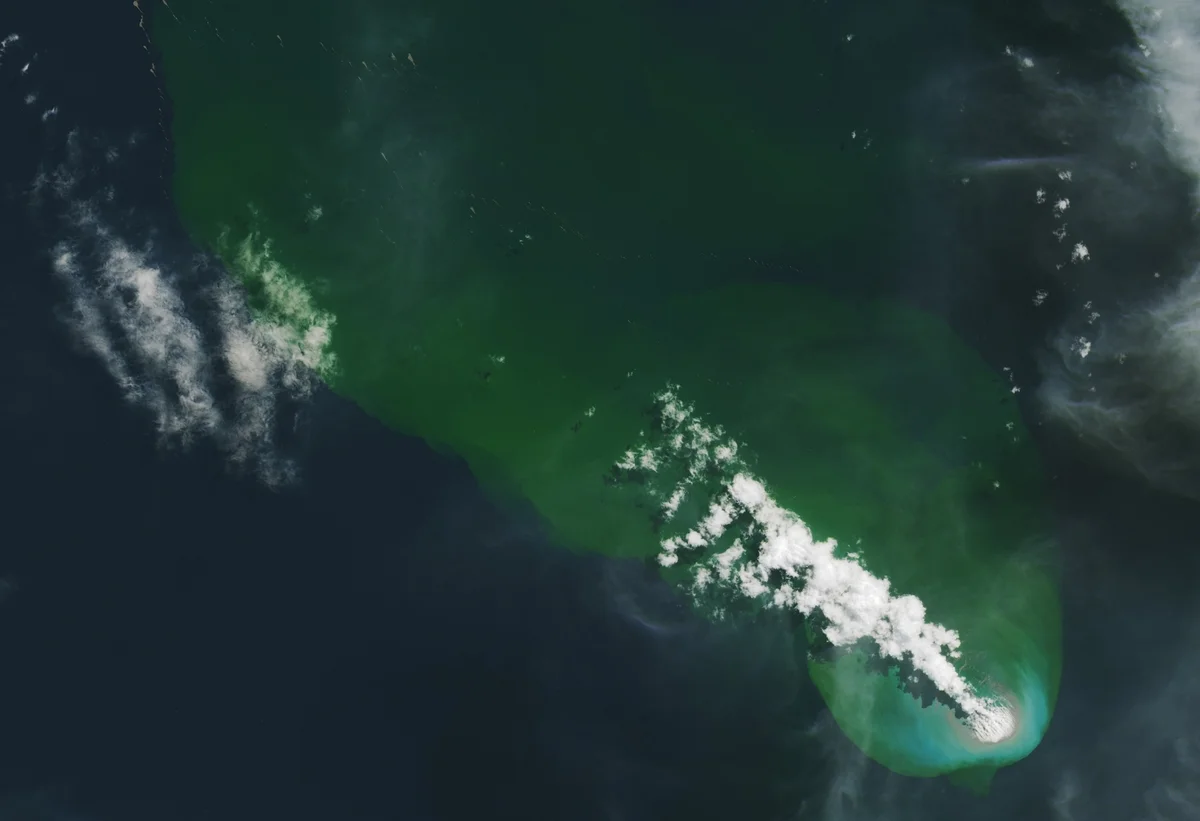
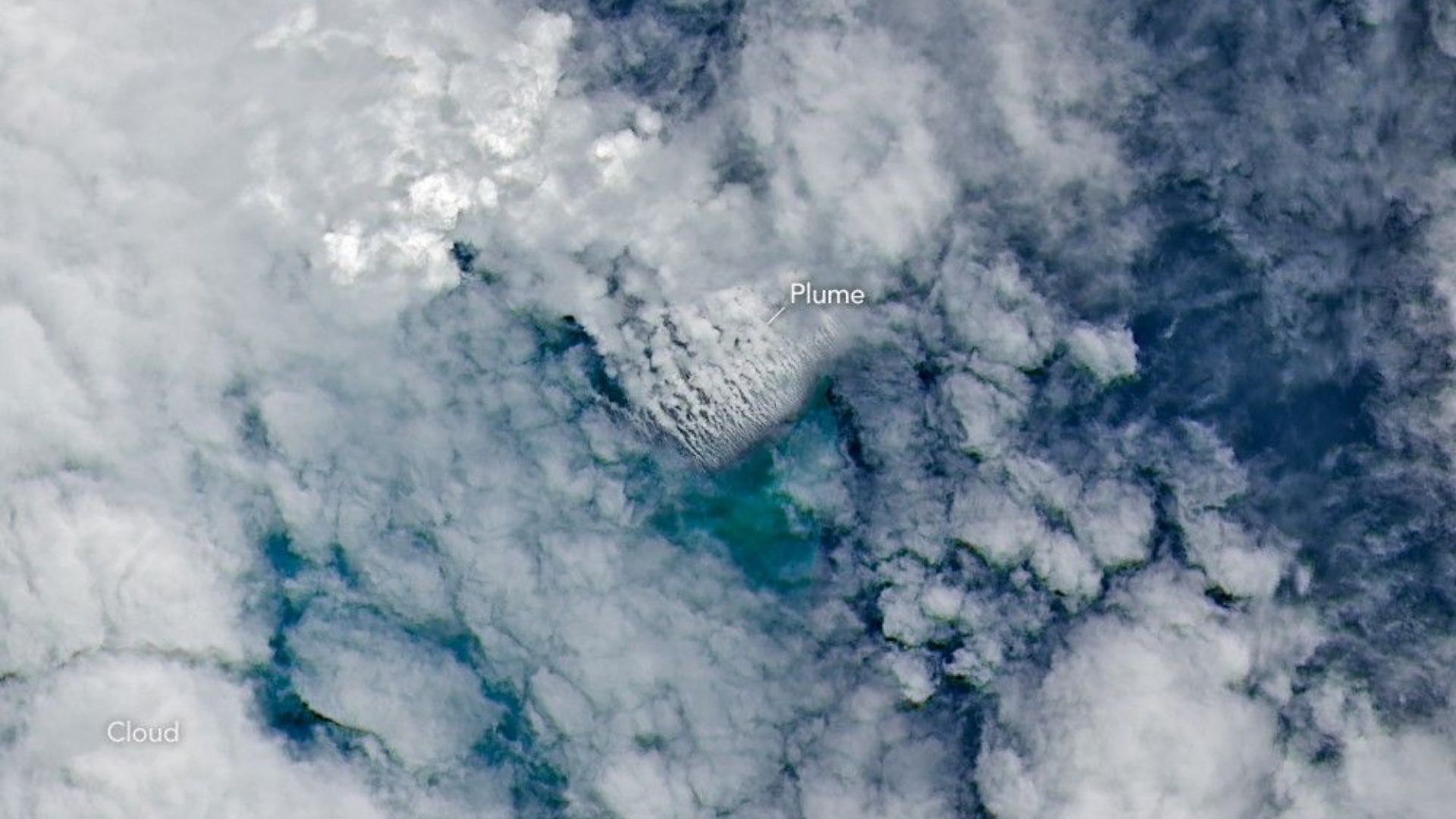
When an underwater volcano erupted in the South Pacific in January 2022, it sent a plume of ash, steam and gas nearly 40 miles above the Earth’s surface. It was one of the most violent volcanic eruptions of modern times. It may also have also revealed a new weapon in the fight against a potent planet-heating gas, according to new research.