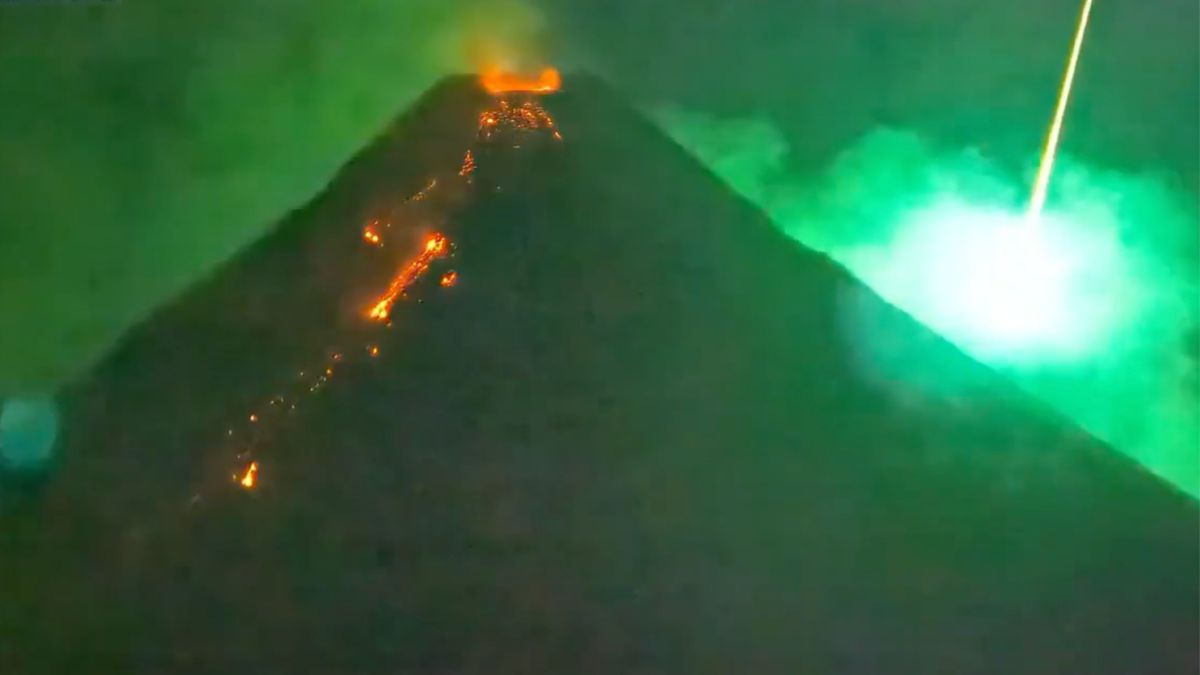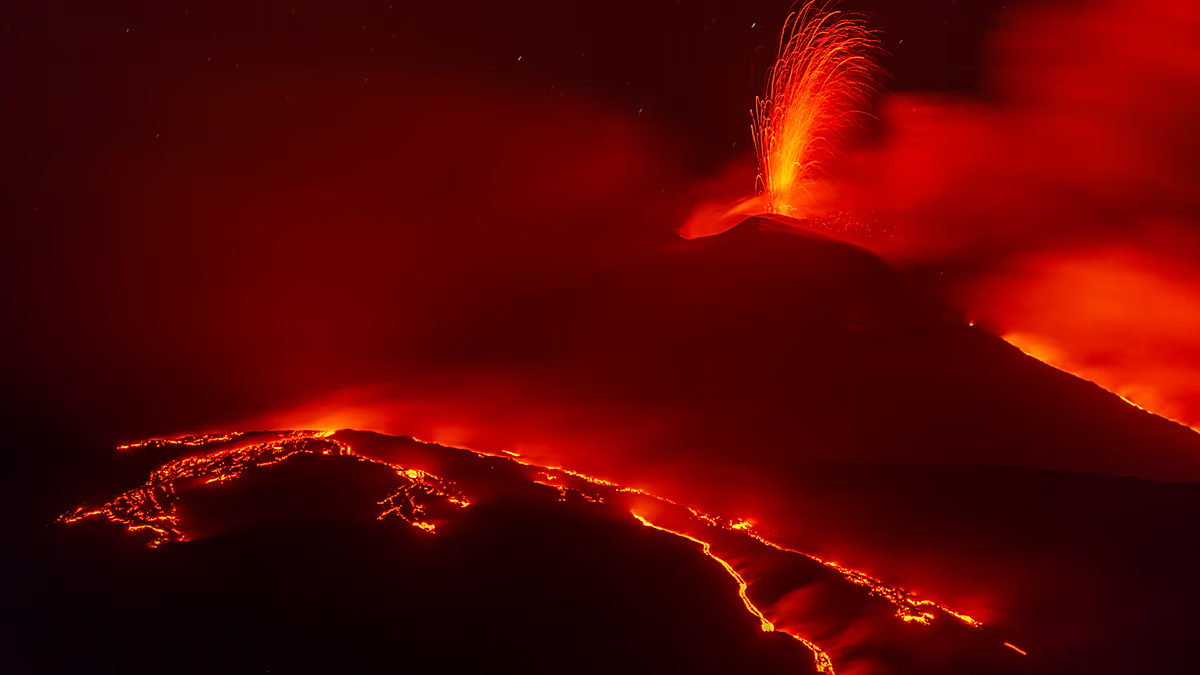
A cataclysmic volcanic eruption is one of the most violent and disruptive things our planet can do.
Vast clouds of ash and gas burst into the atmosphere, while blisteringly hot molten rock surges upward and rolls across the surface, destroying anything in its path.
But volcanoes can be a force for good, too. Their eruptions can create some of the most fertile farmlands on the planet, build new lands, and help cycle chemicals between Earth's atmosphere and crust.
Now, scientists have observed a never-before-seen volcanic phenomenon that may help researchers better understand atmospheric chemistry – and even inform future atmospheric clean-up efforts.
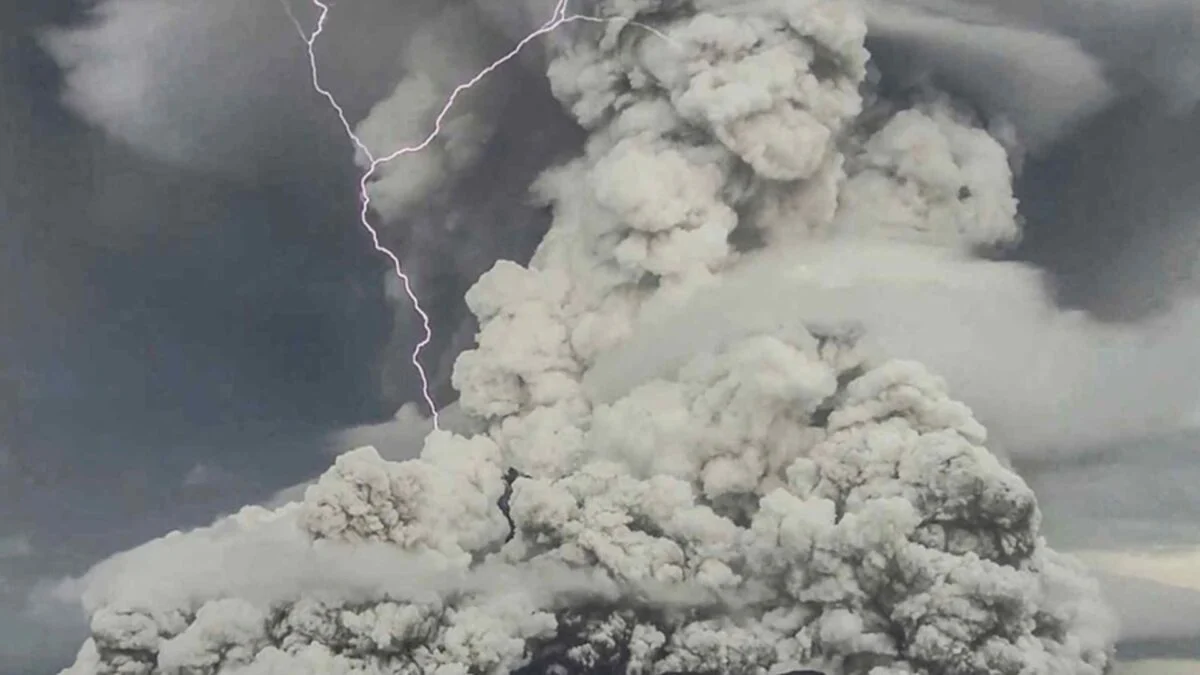
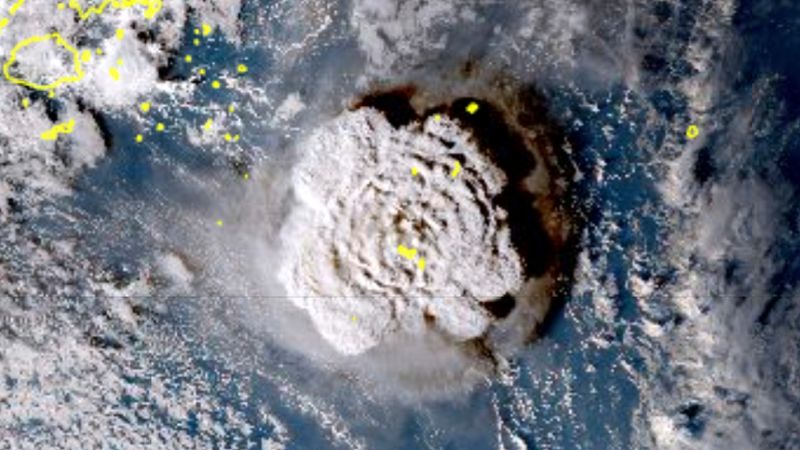
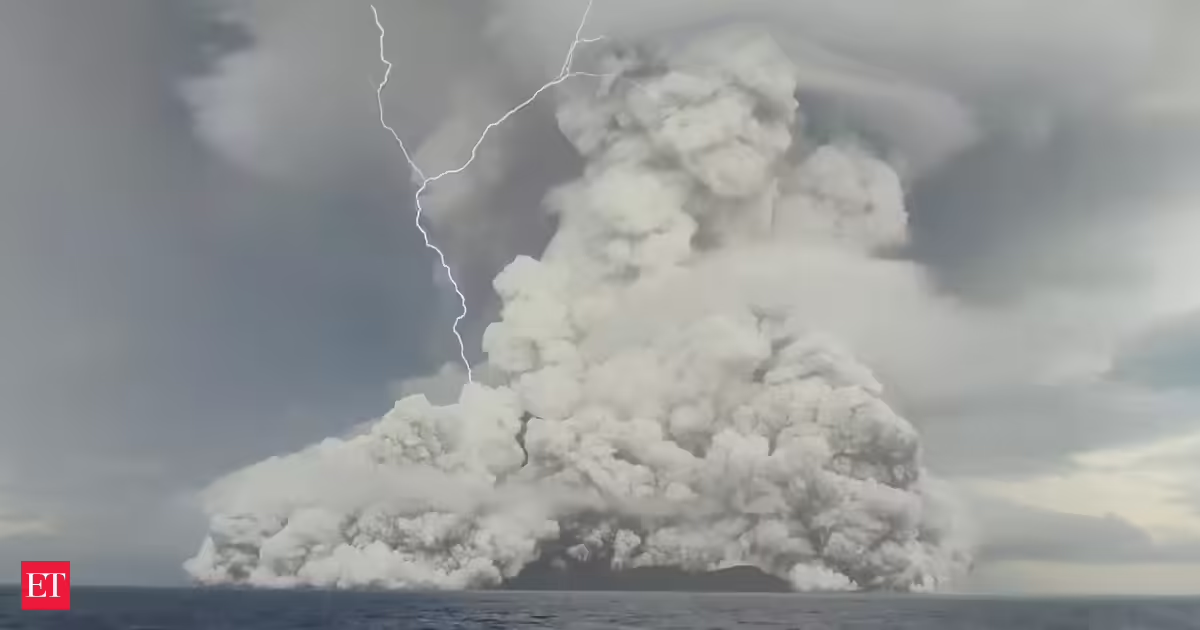
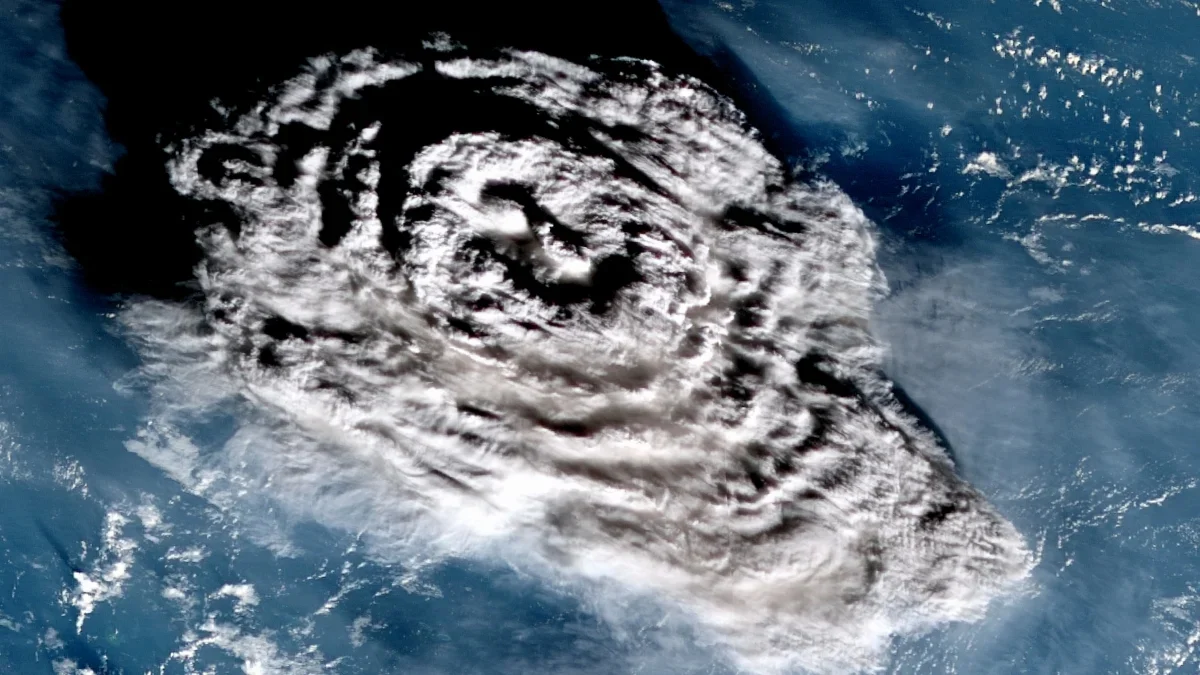
In the explosive 2022 Hunga Tonga-Hunga Ha'apai eruption in the South Pacific, satellites detected formaldehyde – evidence that some of the methane released by the volcano was rapidly destroyed in its massive plume of ash and gas.