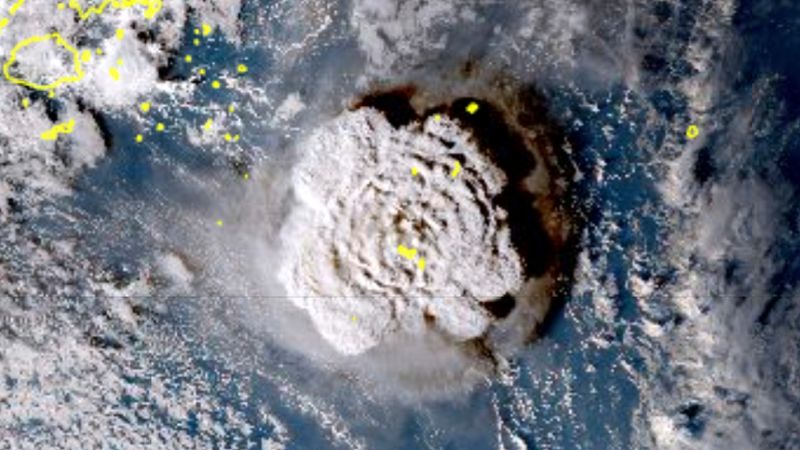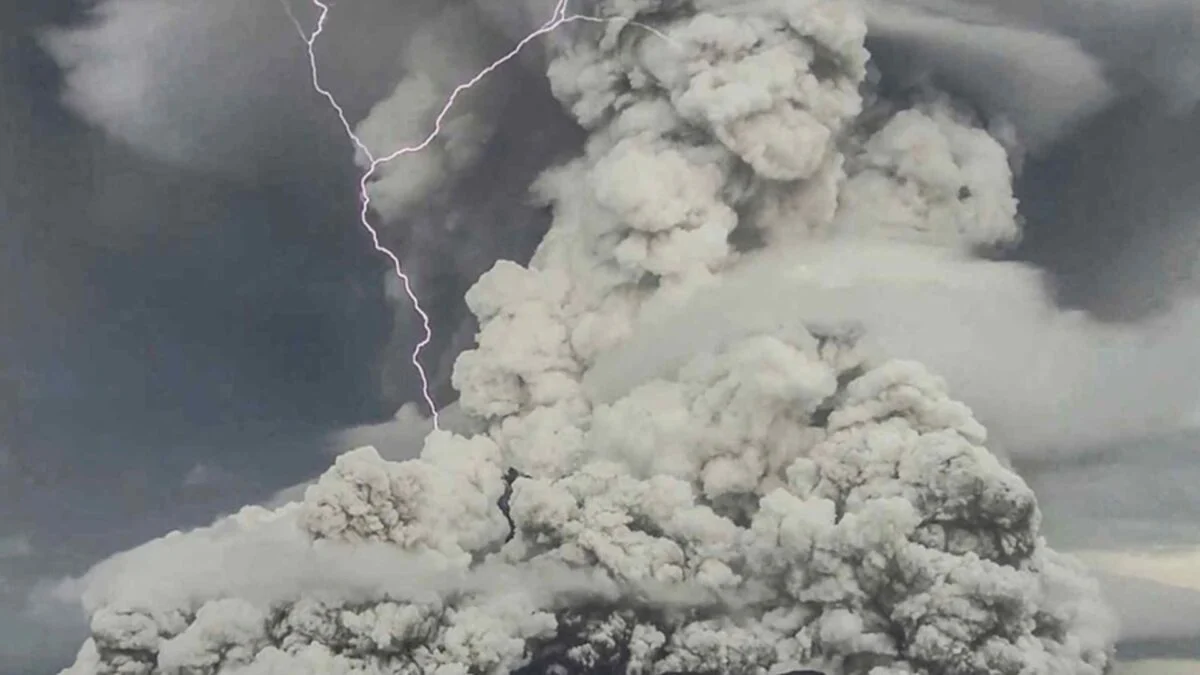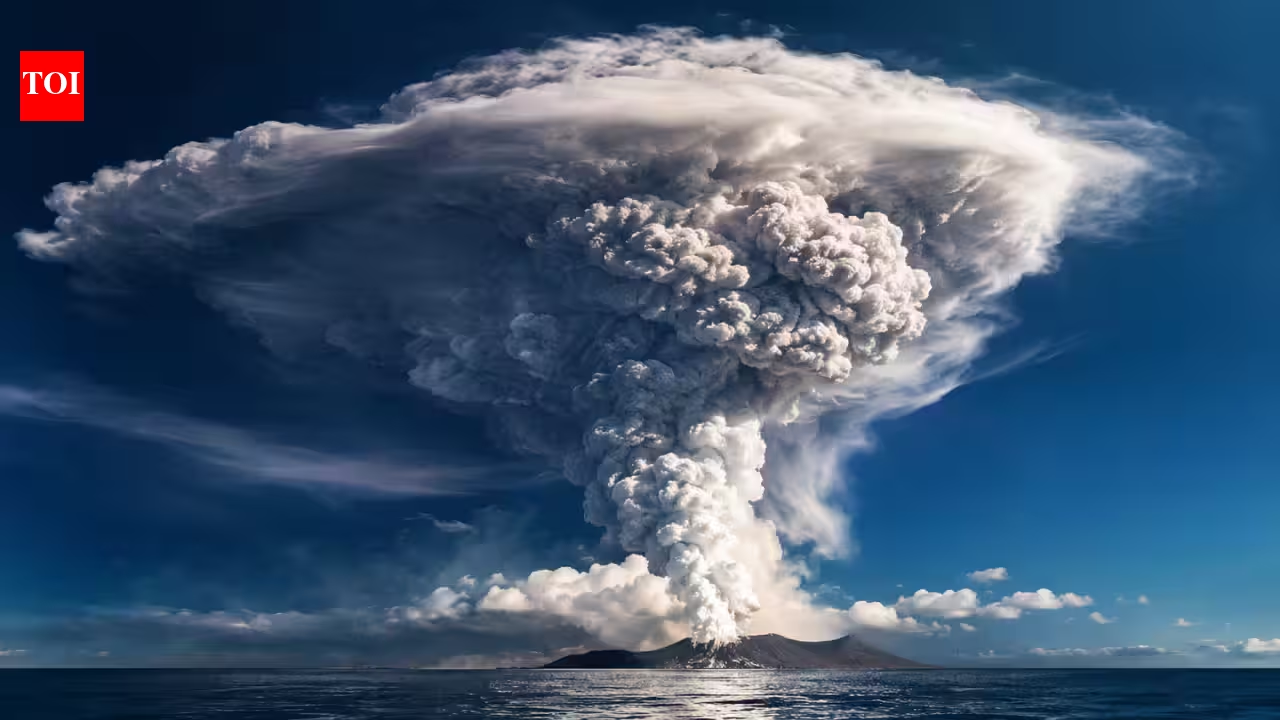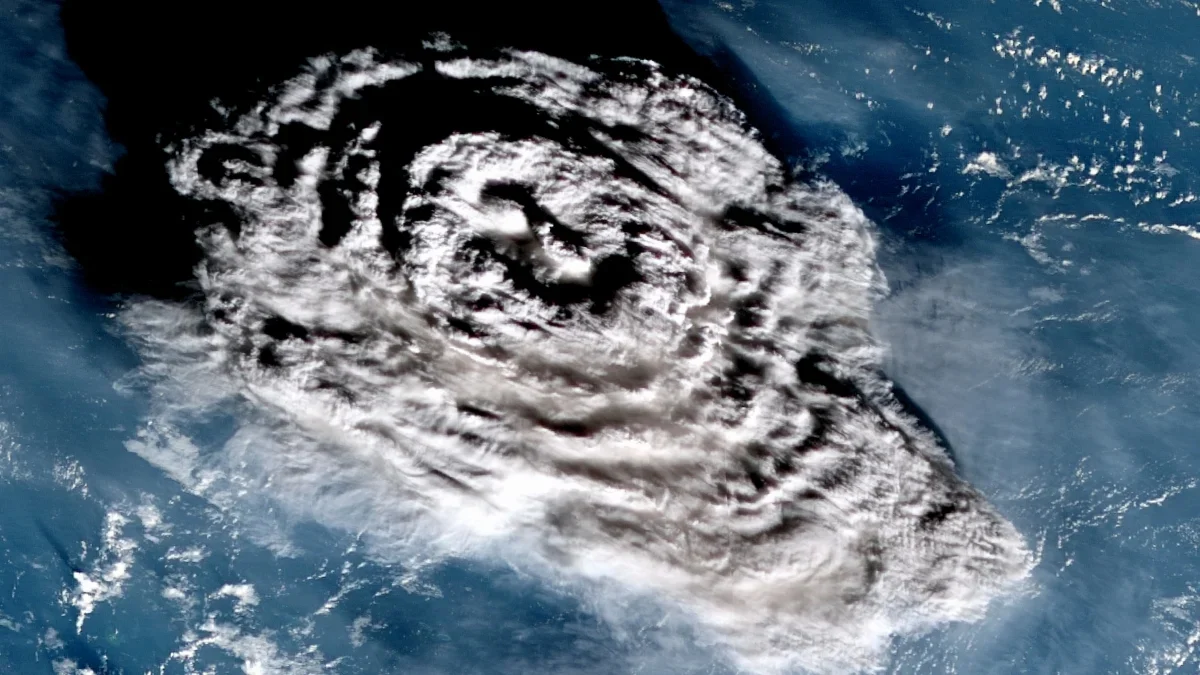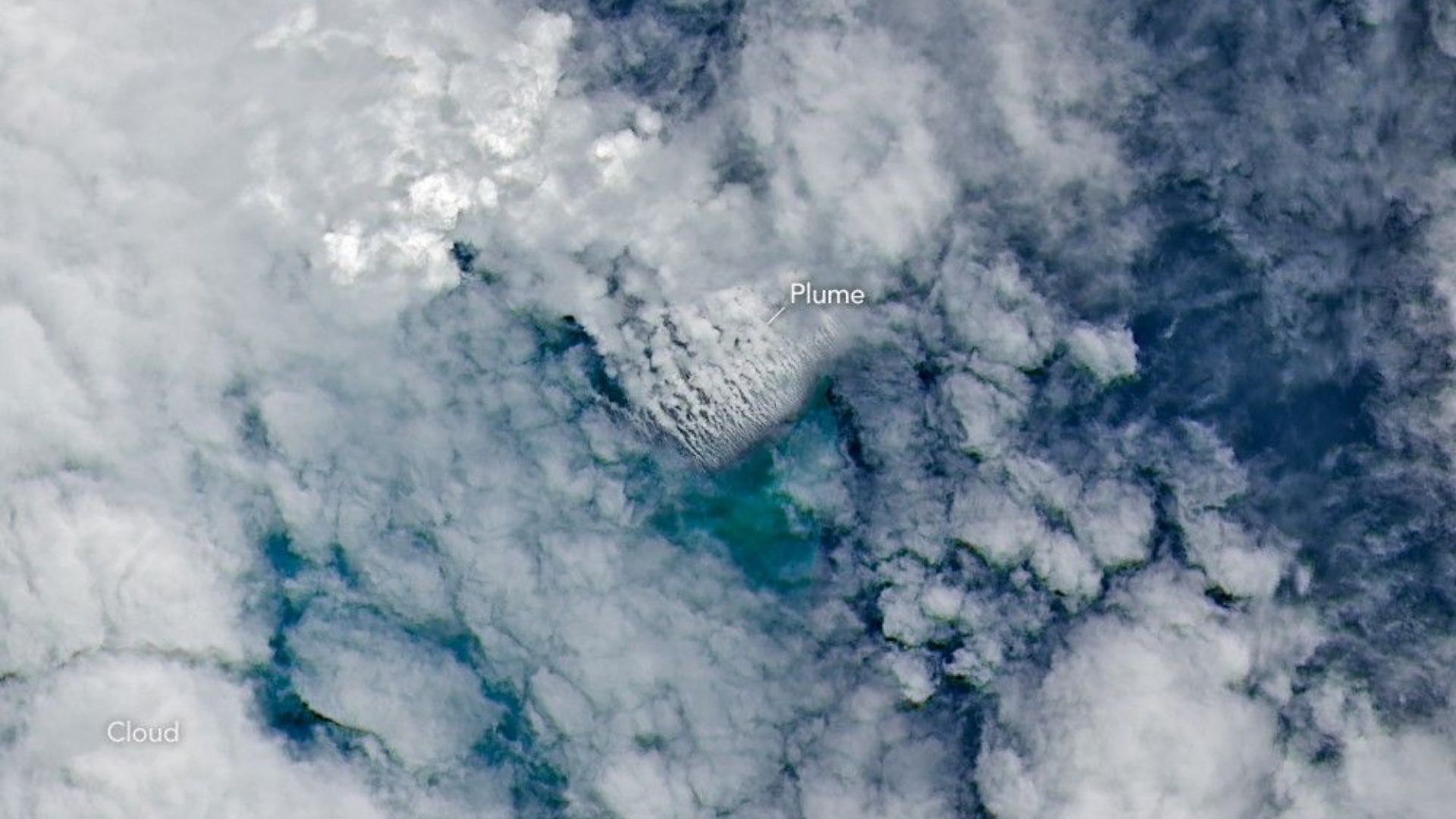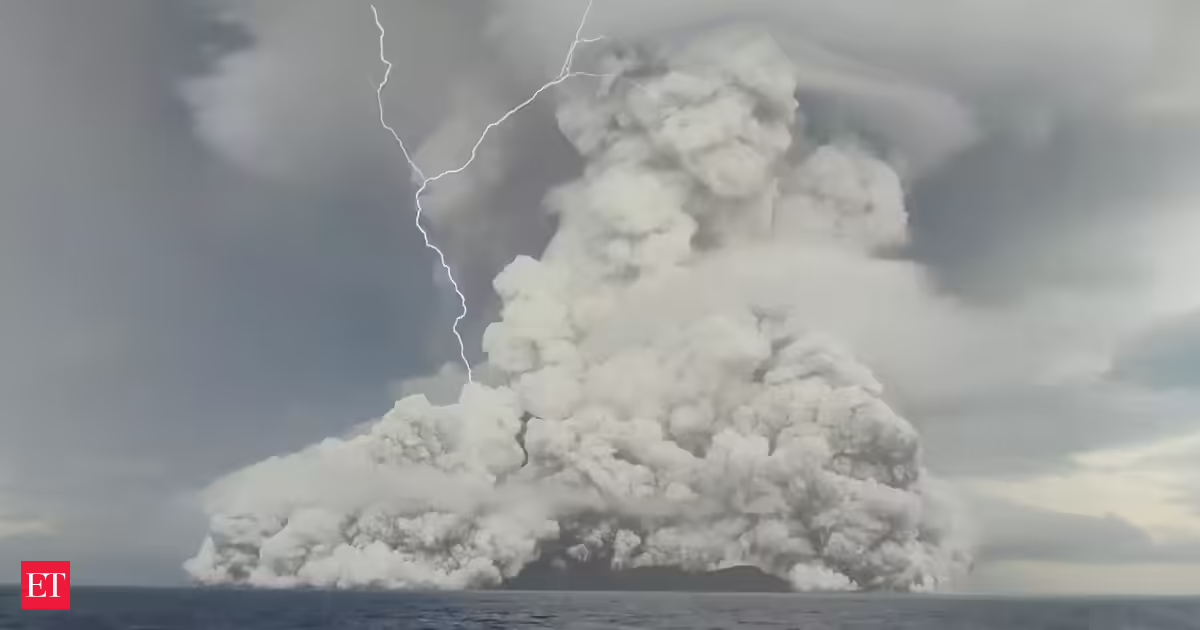
A devastating volcanic eruption that shook the South Pacific in 2022 may have unexpectedly provided scientists with a glimpse of a potential new way to combat climate change. According to a new study published in the journal Nature Communications on May 7, researchers found evidence that the massive eruption of the underwater Hunga Tonga-Hunga Ha'apai volcano triggered unusually high levels of methane destruction in the atmosphere. Methane is one of the world's most powerful greenhouse gases and is responsible for roughly half a degree Celsius of global warming.The international research team used satellite observations to track formaldehyde (HCHO), a short-lived chemical produced when methane breaks down. They discovered exceptionally high concentrations of formaldehyde in the volcanic plume high in the stratosphere, indicating that large amounts of methane were being oxidized, or destroyed, in the atmosphere."We found the highest HCHO enhancement ever recorded in the stratosphere," the researchers said, suggesting that methane destruction inside the volcanic plume was far greater than previously understood.A natural climate experimentThe Hunga Tonga-Hunga Ha'apai eruption in January 2022 was one of the most powerful volcanic events in modern history. The blast injected enormous quantities of water vapor, sulfur dioxide, and other materials more than 30 kilometers into the atmosphere. The eruption and resulting tsunami caused widespread damage across Tonga, destroying homes, resorts, agricultural land, and critical infrastructure, including an undersea communications cable. Low-lying islands such as Mango, Nomuka Iki, and Tonumea were among the hardest hit, with all homes on Mango Island destroyed. Despite more than $118 million in damages, only four tsunami-related deaths were reported, a result attributed to daylight conditions, early warning signs from smaller waves, and effective tsunami preparedness and public awareness efforts, according to NOAA.Also Read: Think Again: Volcanic eruptions can cool Earth – but the impact isn’t so simple; here is whyScientists estimate that the volcanic plume destroyed around 900 tonnes of methane per day. The process appears to have been driven by chlorine radicals, highly reactive molecules capable of breaking down methane much faster than normal atmospheric chemistry.The eruption appears to have injected large amounts of methane into the stratosphere, which volcanic eruptions generally do, but researchers found that much of it was subsequently broken down at unusually high rates. By tracking formaldehyde, a byproduct of methane oxidation, scientists observed evidence of intense methane-destroying chemistry within the volcanic plume. New insights for methane removalThe findings arrive at a time when scientists are exploring technologies that could actively remove methane from the atmosphere. Methane typically remains in the atmosphere for about a decade before naturally breaking down. Because it traps heat far more effectively than carbon dioxide over shorter timescales, accelerating that natural removal process has attracted growing interest among climate researchers.One of the biggest challenges, however, has been measuring whether methane-removal efforts actually work. The new study proposes a satellite-based monitoring method that tracks formaldehyde as a marker of methane destruction. Researchers say the approach could help verify future methane-removal projects, especially those operating over oceans where direct methane measurements from space are difficult.Could volcanoes inspire future climate solutions?The scientists caution that the Hunga Tonga eruption itself is not a climate solution. However, the chemistry observed inside the volcanic plume may offer valuable lessons.The team believes that iron-rich volcanic ash interacting with chlorine could have generated large amounts of reactive chlorine radicals. Similar iron-based approaches have already been proposed by some researchers as a way to enhance methane removal in the atmosphere.While much more research is needed, the study suggests that natural events such as volcanic eruptions can act as large-scale experiments, helping scientists understand atmospheric processes that might one day be harnessed to slow global warming.For now, the 4-year-old eruption's most significant importance may be the unexpected insight it has provided into one of climate science's biggest challenges: how to reduce the concentration of methane already warming the planet.
A 2022 volcano eruption in Pacific may have vented a new weapon to fight climate change
A 2022 volcanic eruption unexpectedly revealed a powerful methane destruction mechanism in the stratosphere. Researchers observed high formaldehyde levels, indicating accelerated methane breakdown driven by chlorine radicals. This natural experiment offers a potential satellite-based monitoring method for future methane removal technologies.
640 words~3 min read