Pixabay / Pexels
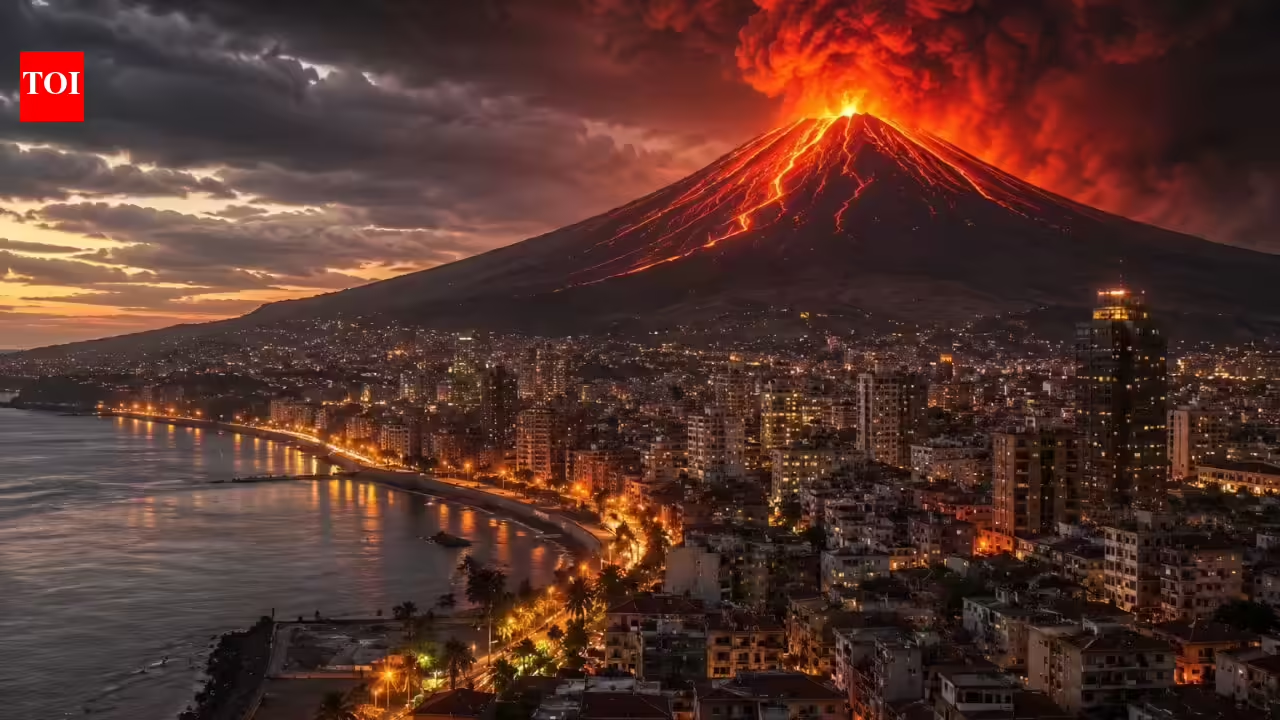
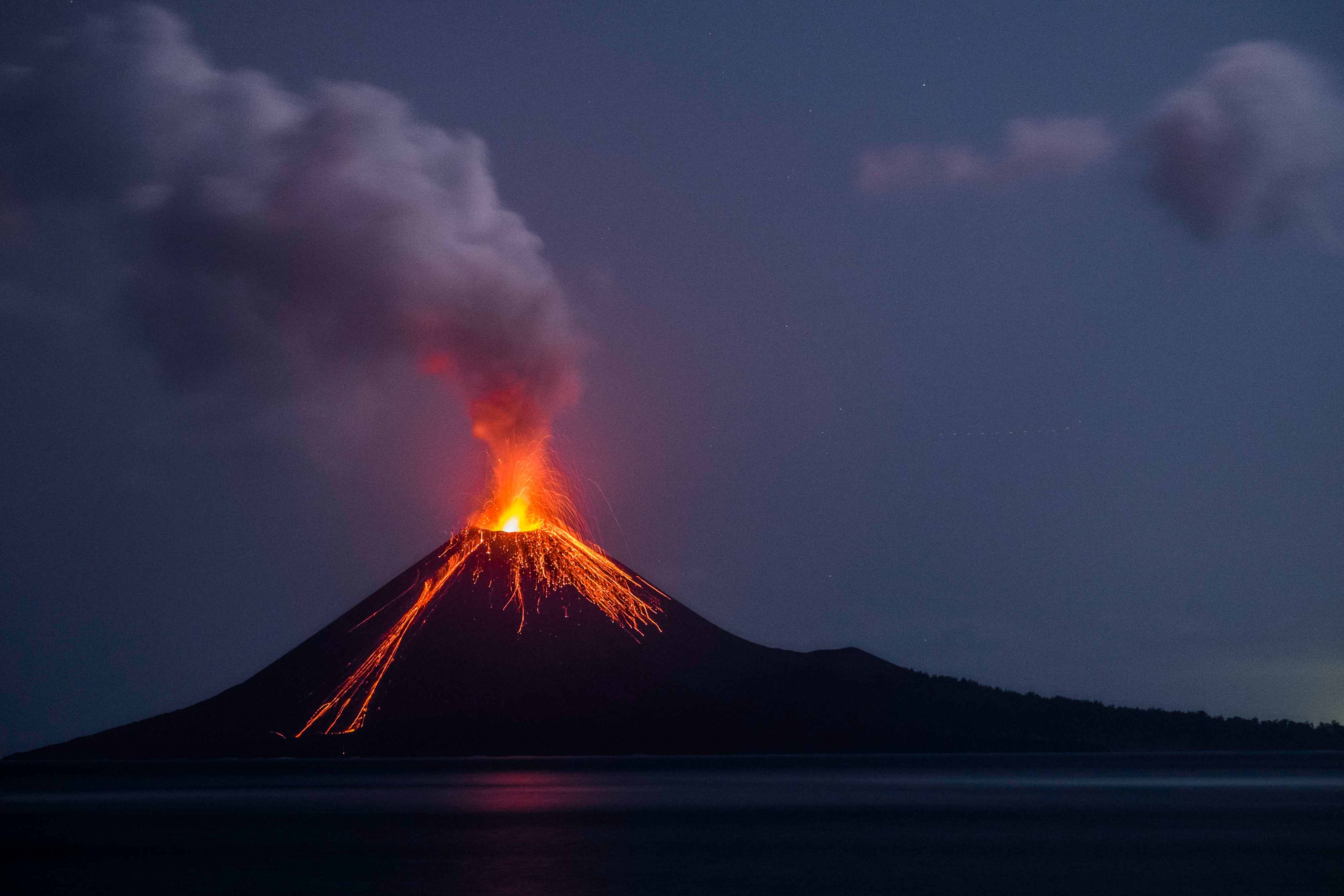
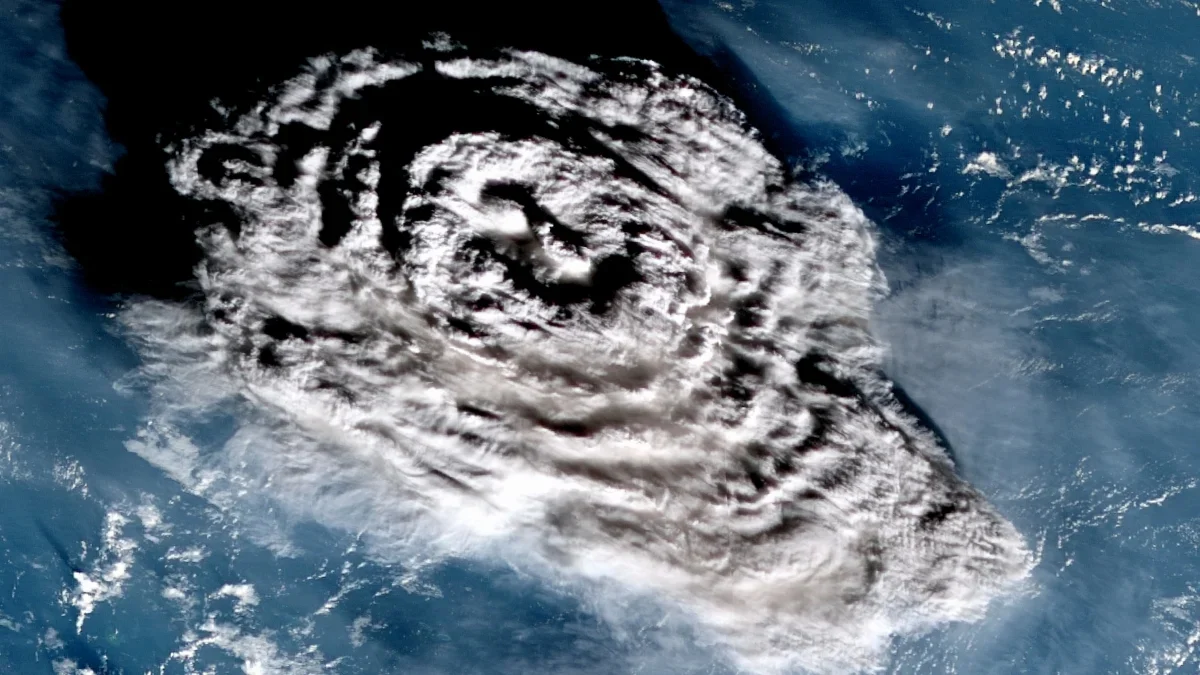
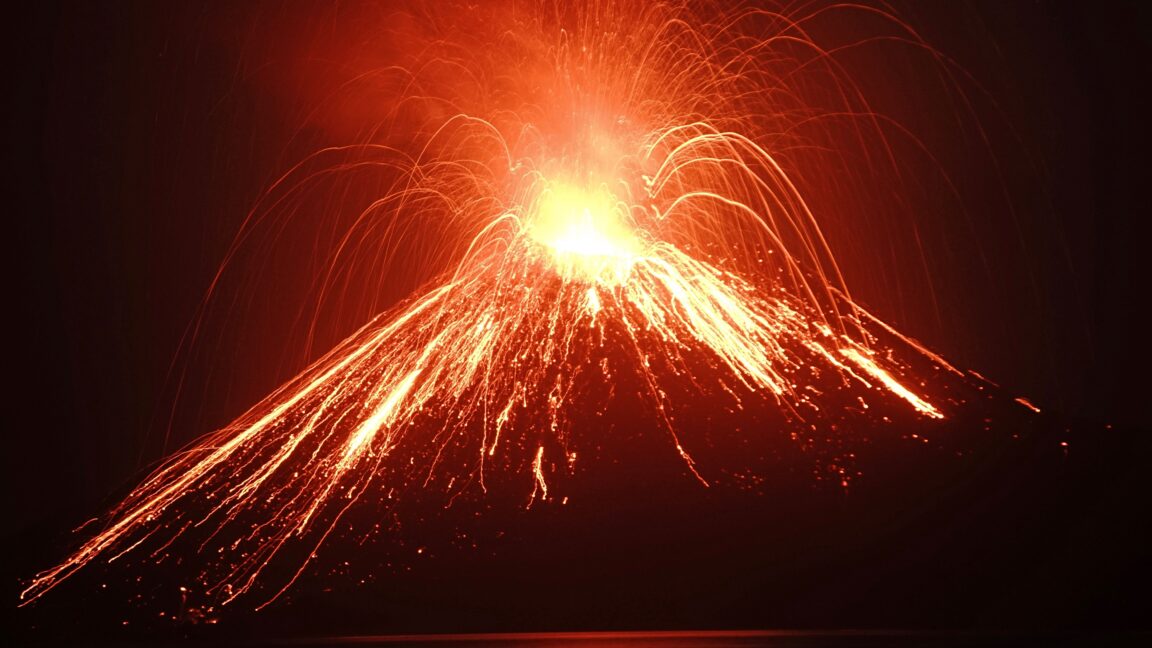
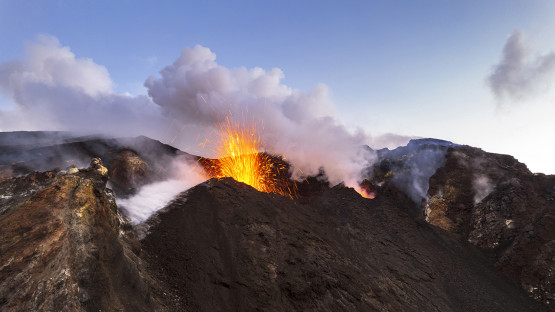
Volcanoes are the most patient destroyers on Earth. They can sleep for centuries, even millennia, beneath landscapes that human civilizations build on, farm around, and eventually forget are dangerous. And then, with little warning or with warnings that are consistently misread, they produce events of such sudden and overwhelming violence that everything built in their shadow disappears — buried under meters of ash, swept away by pyroclastic flows moving at highway speeds, drowned in lahars of volcanic mud. The civilizations that disappear this way are not always small or marginal. Some of them were among the most sophisticated of their time.
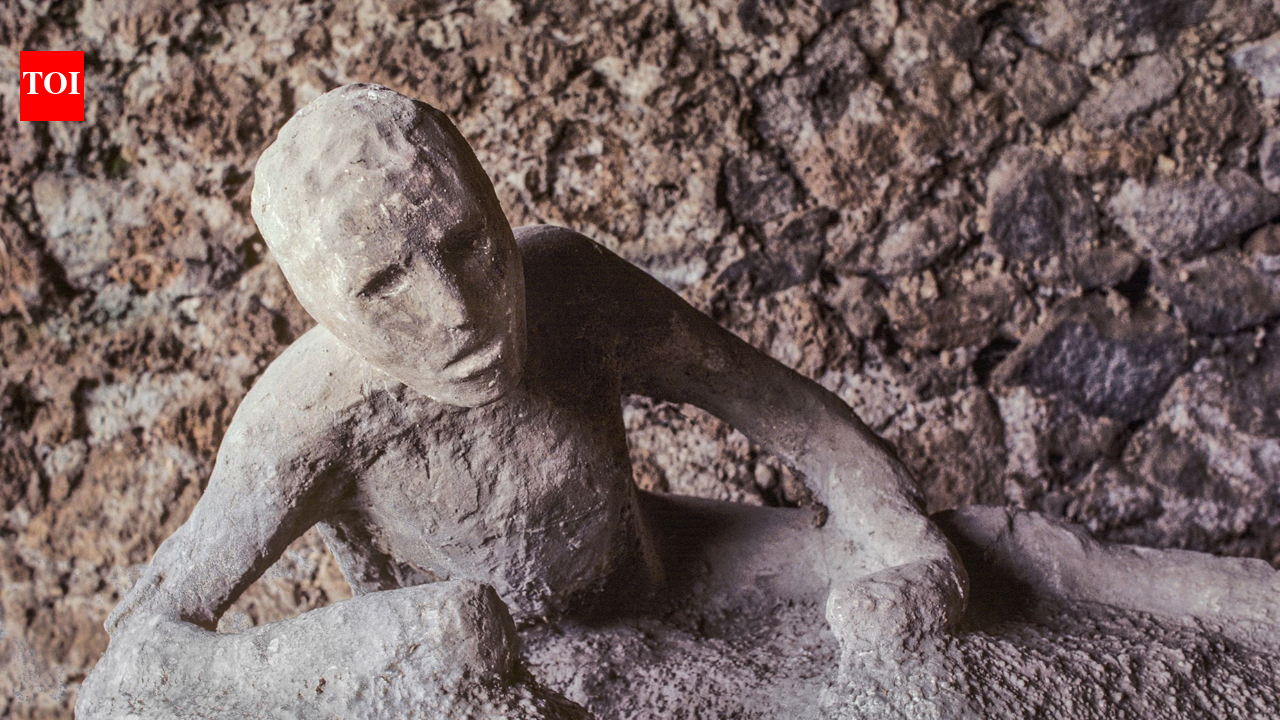
The relationship between volcanoes and human history is not simply one of destruction. Volcanic soils are among the most fertile on Earth, which is precisely why people have always lived in the shadow of volcanoes — the agricultural productivity they enable creates the dense populations that eruptions then devastate. Volcanic eruptions have also, paradoxically, preserved civilizations by burying them so rapidly and completely that the ash layer becomes a time capsule: Pompeii is the most famous example, but it is not the only city whose destruction by a volcano also constitutes its preservation.