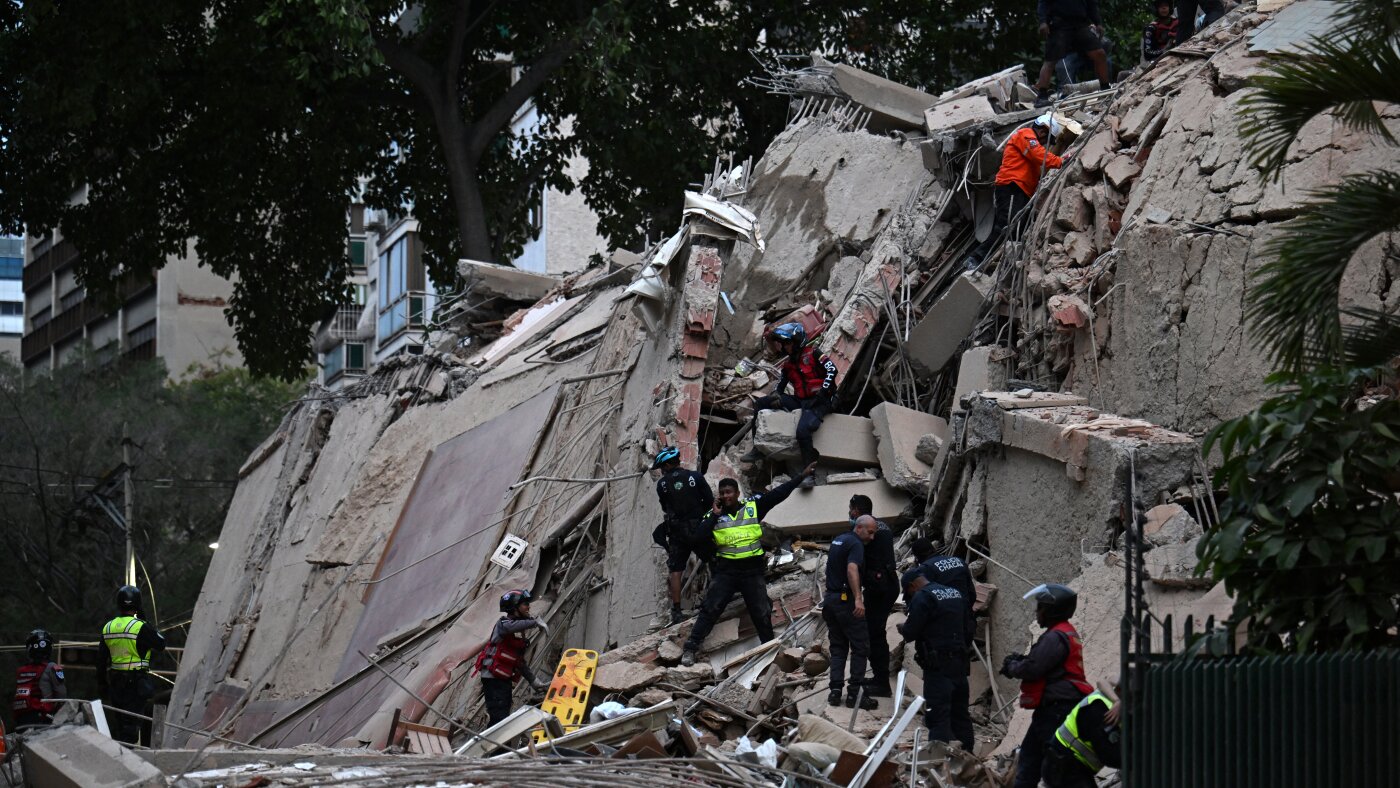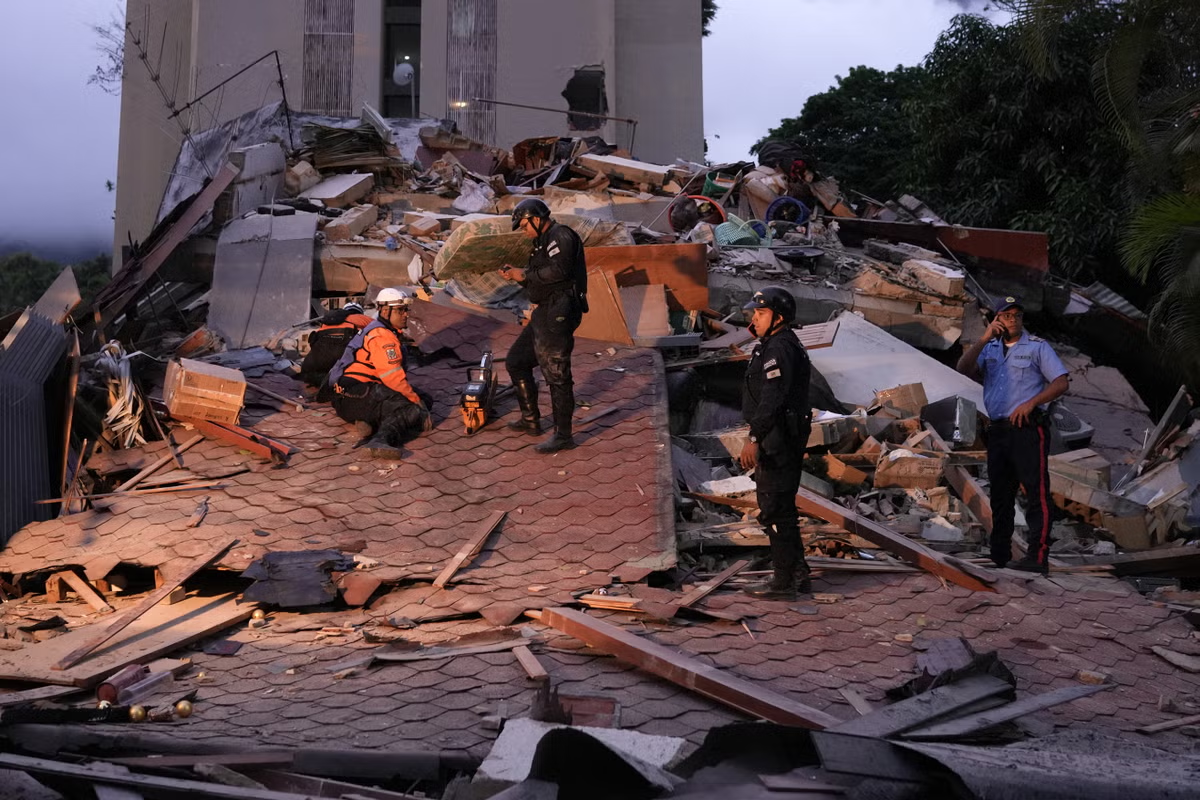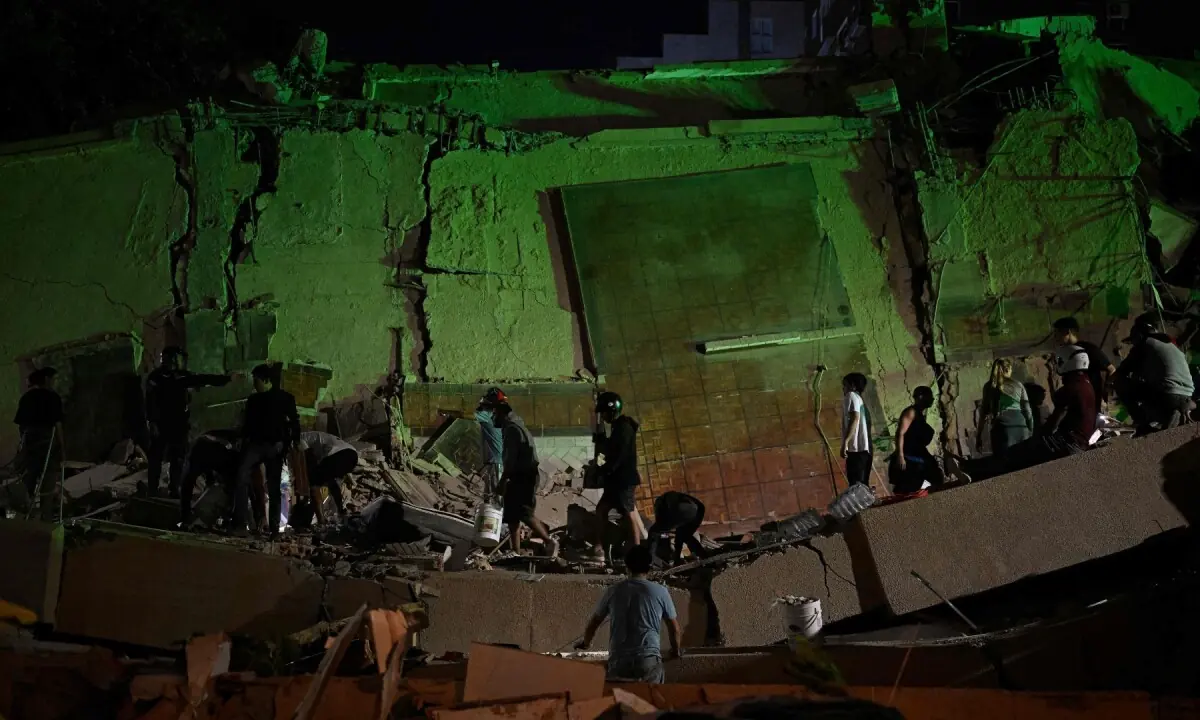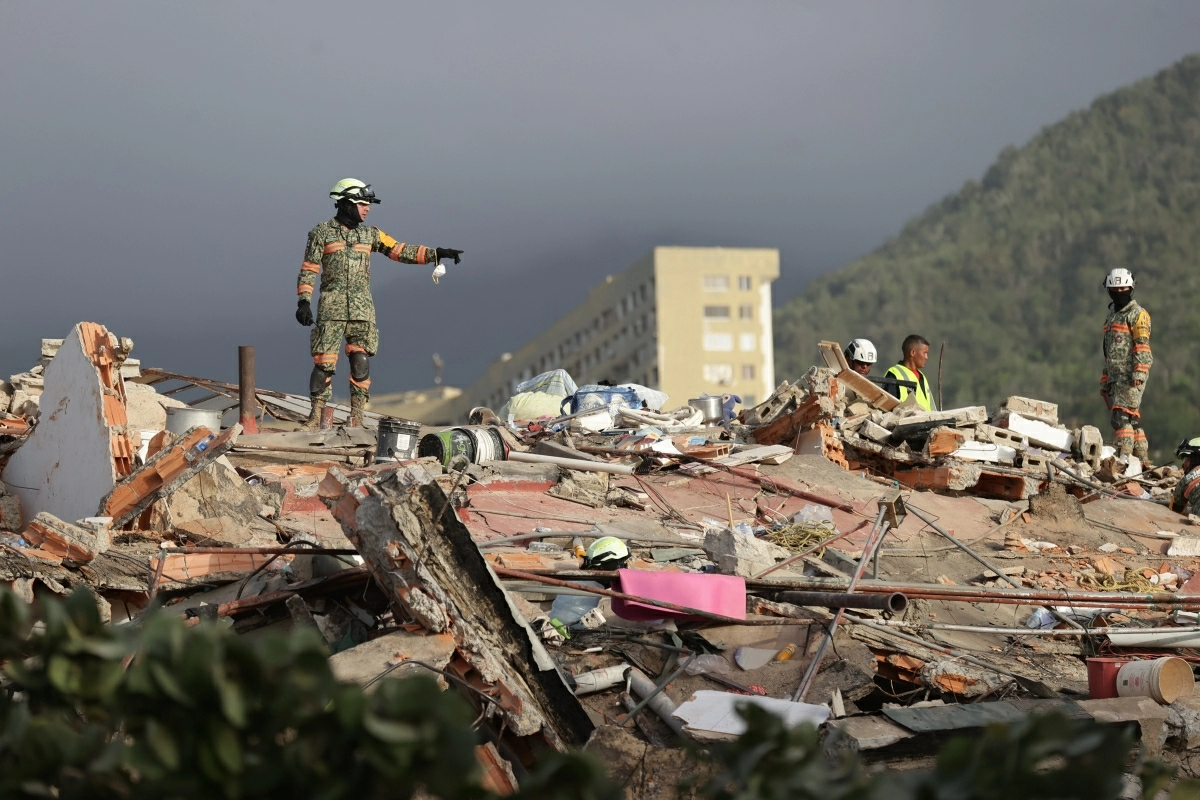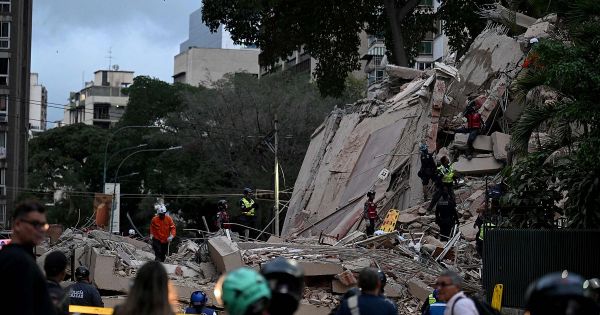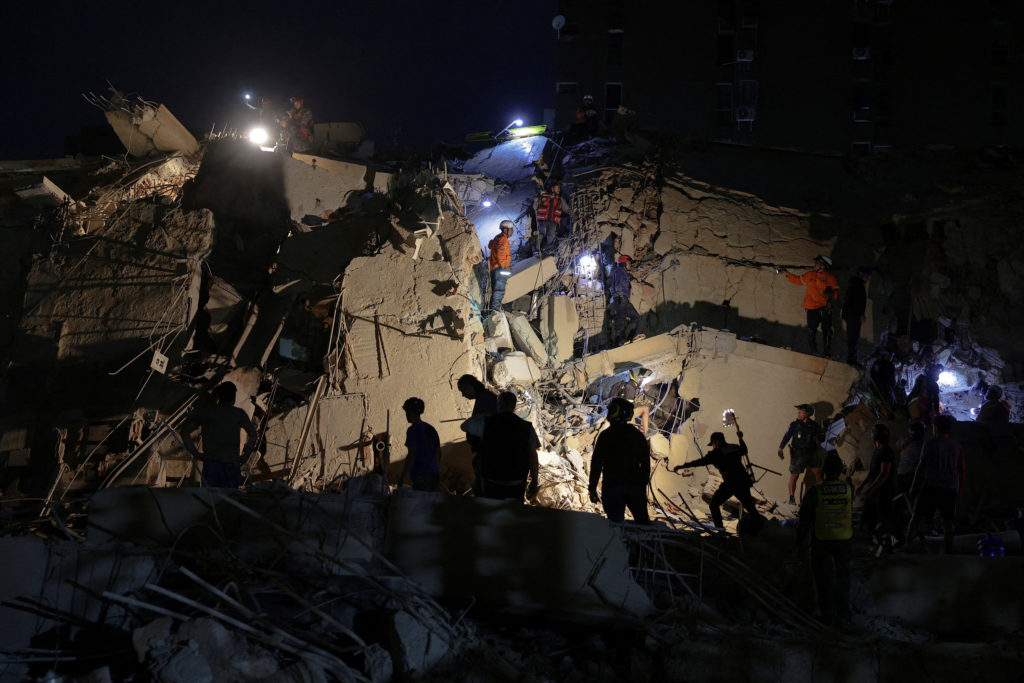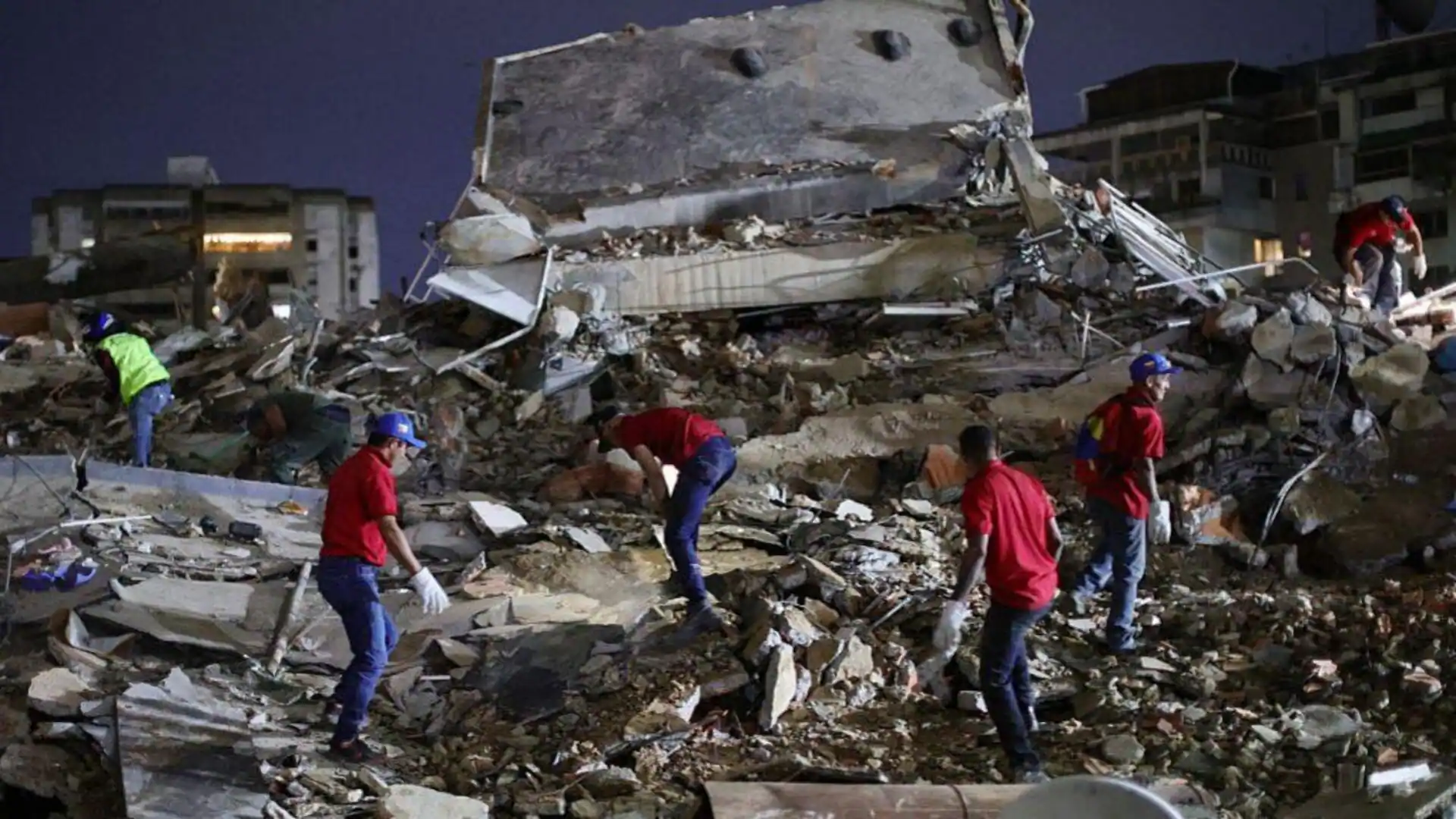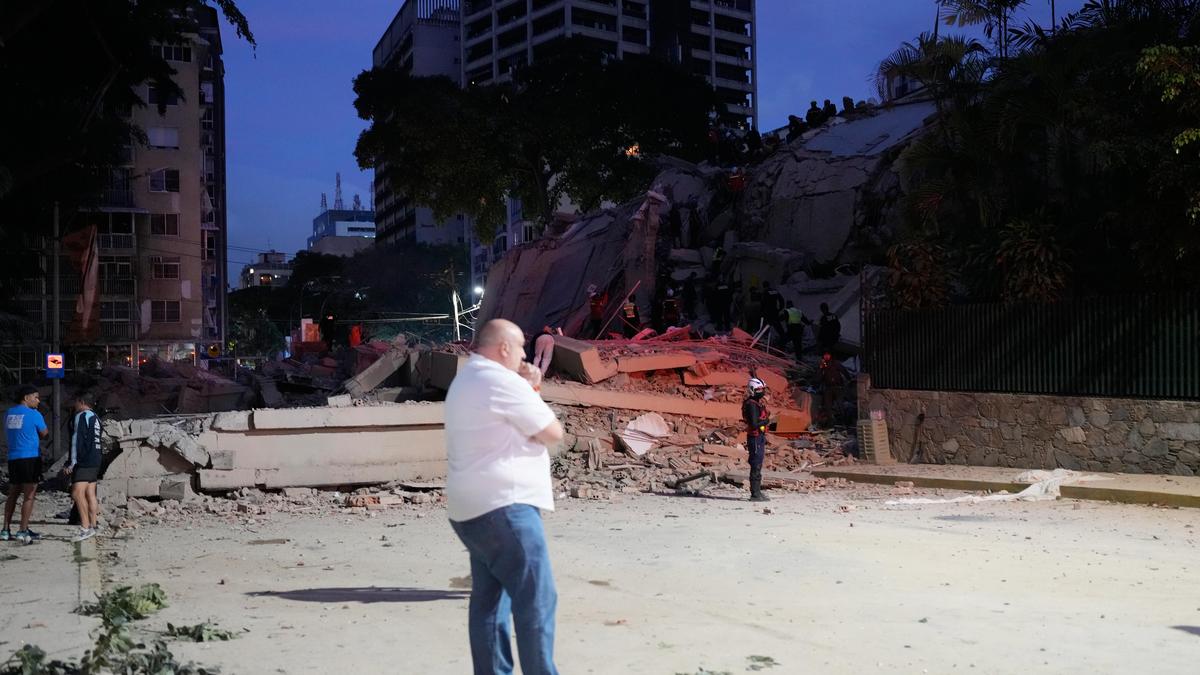
Two devastating earthquakes struck Venezuela within seconds of each other on the evening of June 24, reportedly affecting several of the country’s States and bringing entire buildings down in the capital Caracas.The U.S. Geological Survey reported that the first quake of 7.1 magnitude had its epicentre off Venezuela’s Caribbean coast and the second, which struck only a minute later, had magnitude 7.5.“People evacuated swaying buildings in Caracas and remained outside, many visibly shocked as they saw entire walls that had collapsed, making furniture visible from the street,” Associated Pressreported.War of IndependenceNorthern Venezuela straddles a strike-slip plate boundary between the Caribbean plate and the South American plate. Strike-slip means the two plates are moving sideways relative to each other, rather than one plate diving and other rising. However, such boundaries can still generate powerful earthquakes.In Venezuela specifically, such quakes are due to the San Sebastián fault (which runs offshore near Caracas), the El Pilar fault (across northeast Venezuela), and the Boconó fault (through the Venezuelan Andes). None of these faults slide continuously; instead, they accumulate strain over time and then suddenly rupture.
Venezuela’s deadly history of earthquakes — and how they affected its politics
Explore Venezuela's earthquake history and its profound impact on the nation's political landscape and governance through time.
860 words~4 min read