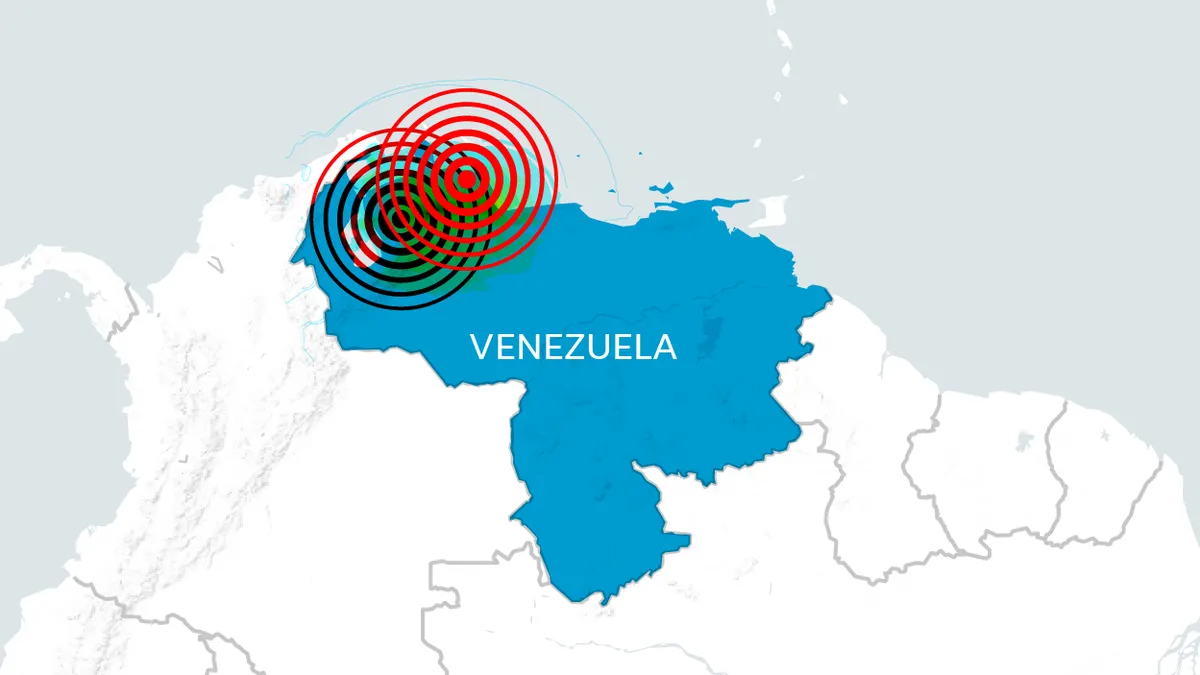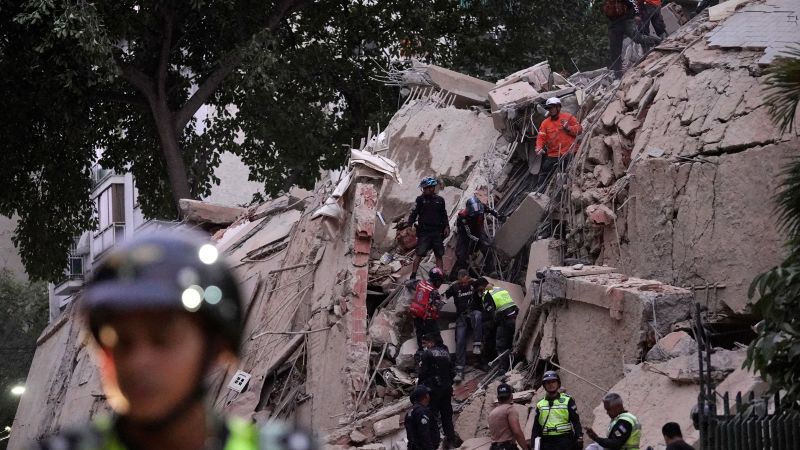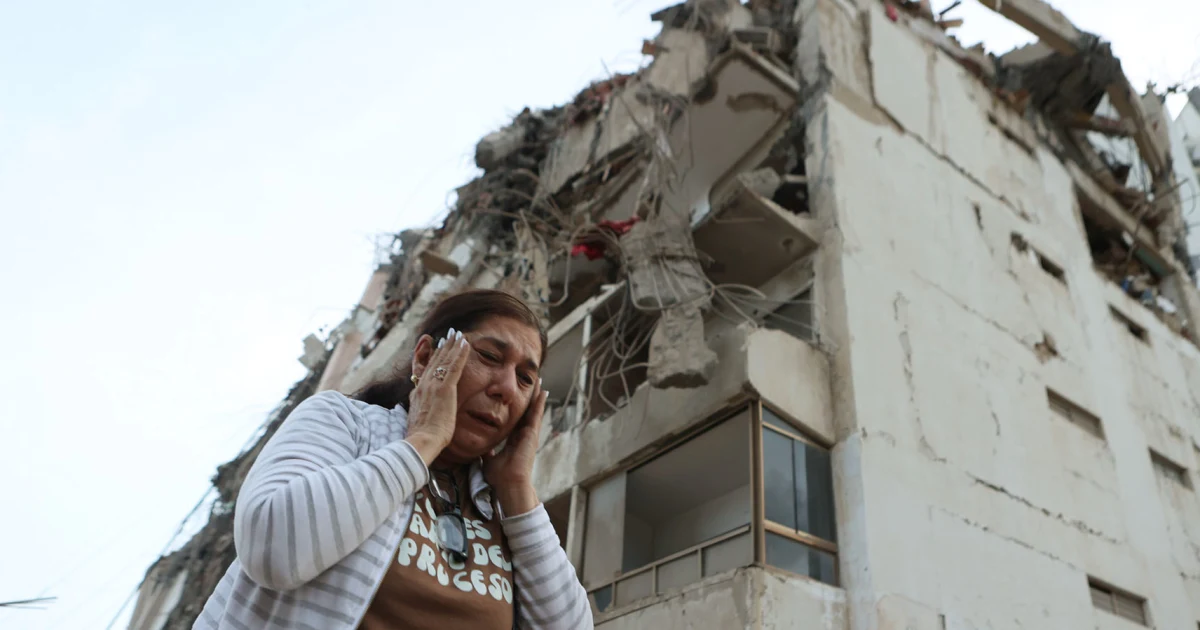
Venezuela has a well-documented vulnerability to earthquakes. The country sits on the boundary between the Caribbean and South American tectonic plates, resulting in routine tremors and causing historical earthquake disasters. But the experience of a "doublet," a pair of 7.2- and 7.5-magnitude earthquakes 40 seconds apart, on June 24 was a rare misfortune.
From an epicenter in the northwestern city of San Felipe, the impact sheared down Venezuela's Caribbean coast with devastating force. The historic port city and resort of La Guaira, home to around 200,000 people, has been declared a disaster zone.
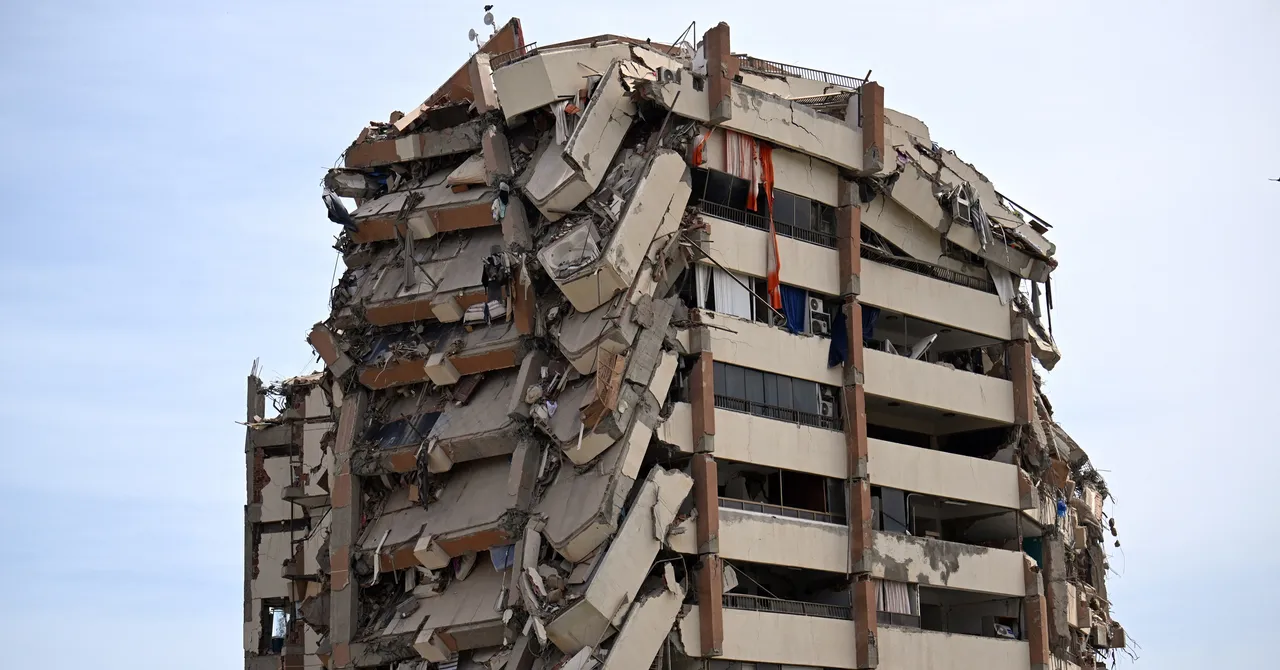
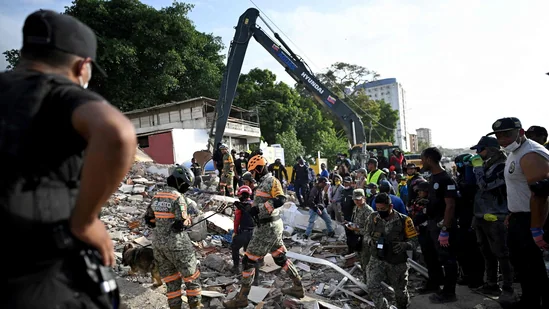
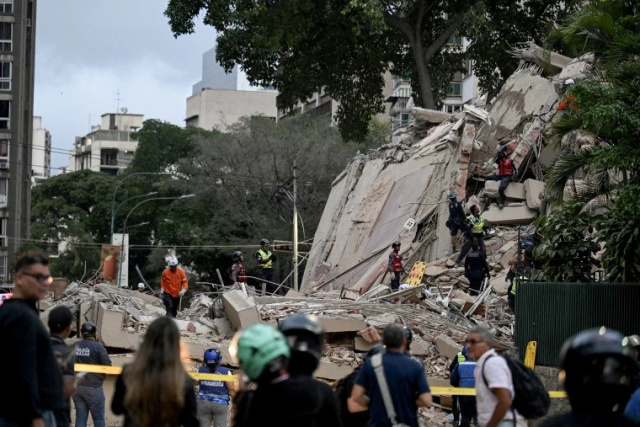
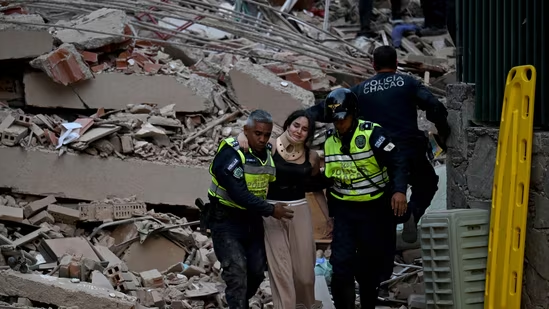
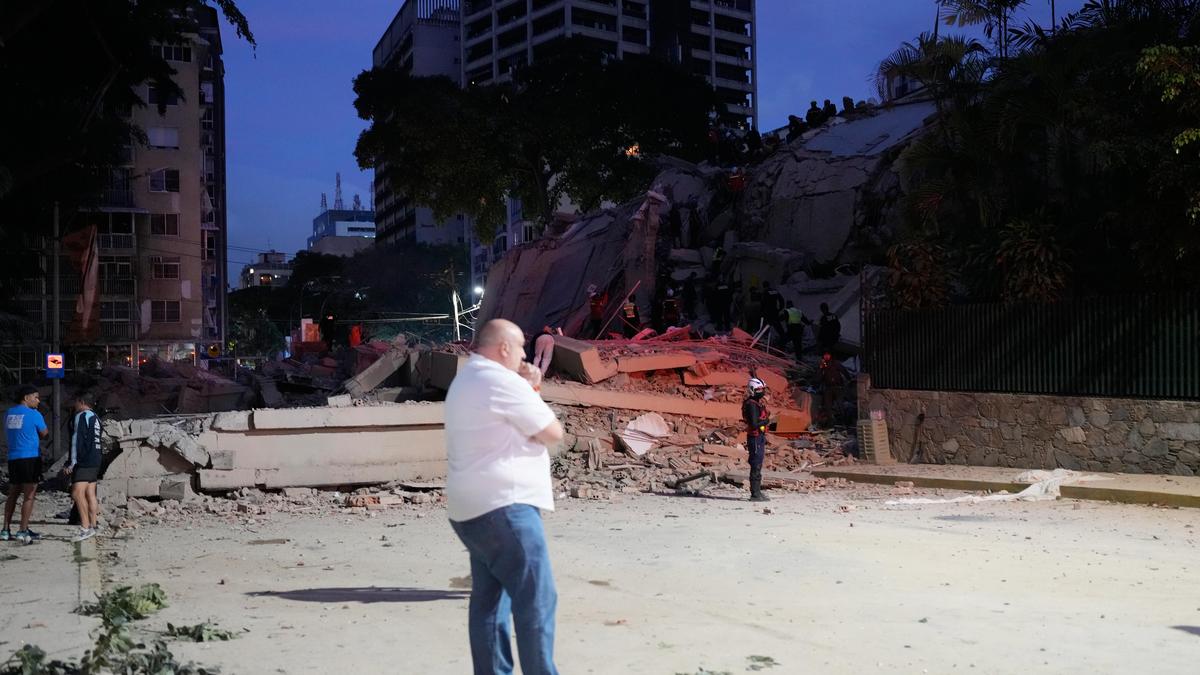
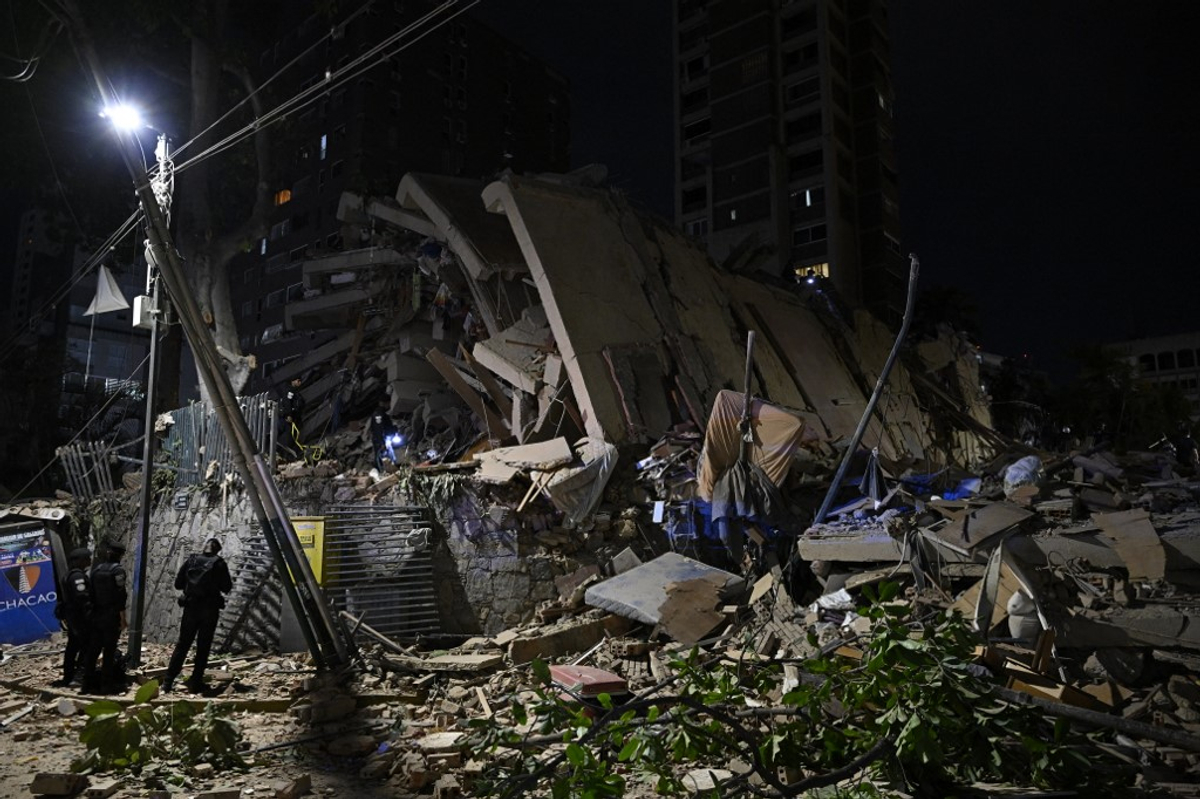
In the Venezuelan capital of Caracas, which is approximately 30 kilometers (19 miles) from La Guaira, buildings have collapsed in the once-prosperous suburbs of Altamira, San Bernardino, Baruta and Chacao. The national airport, Maiquetia, has also been closed because of extensive damage.
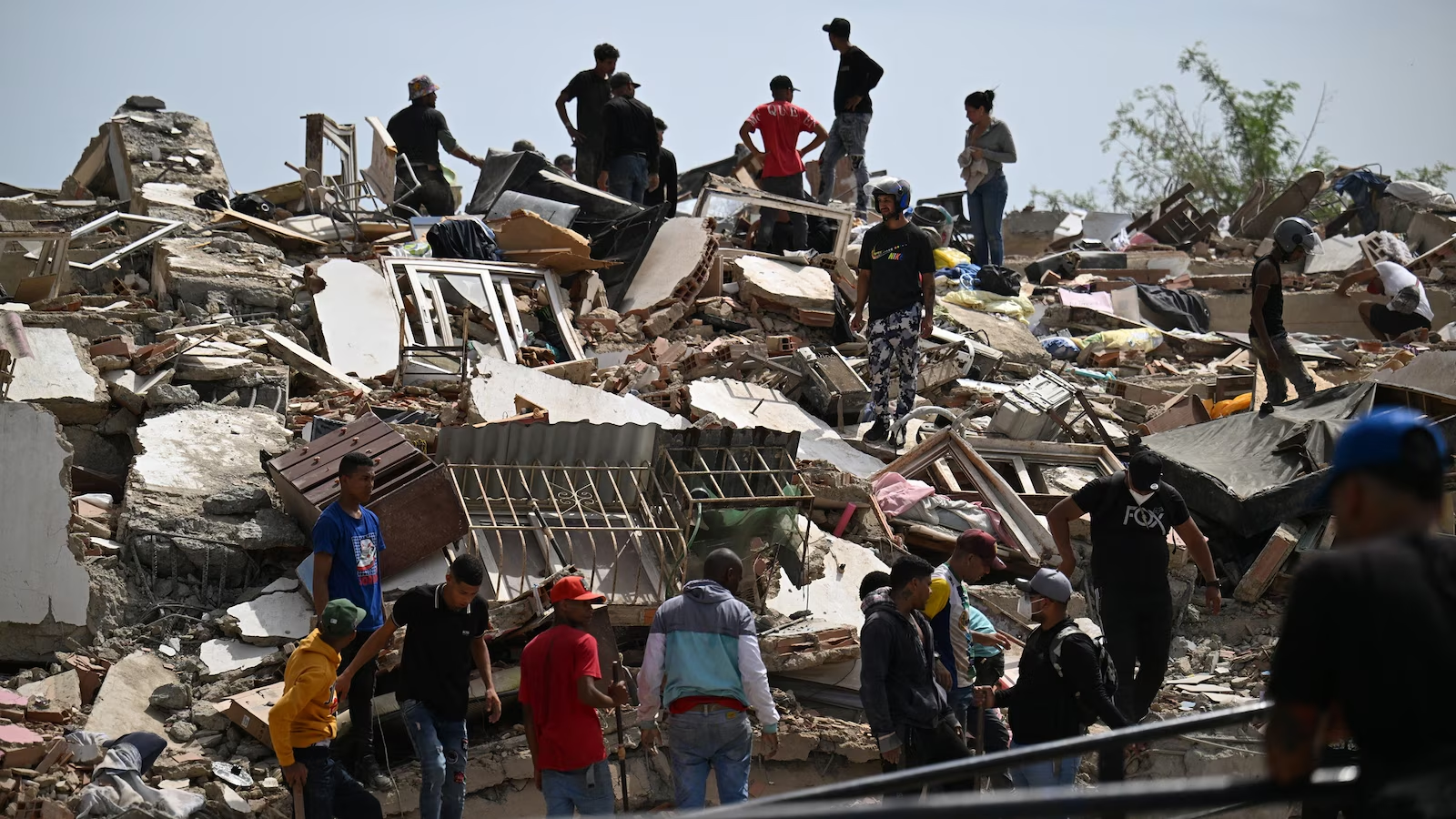
While there have been pockets of resilience, an estimated two-thirds of Venezuelan residents live in informal housing. This is a product of Venezuela's rapid urbanization in the 1960s and 1970s and the housing shortages that followed.
Officially, at least 235 people have been killed and 30,000 more are registered as missing. The US Geological Survey estimates that as many as 10,000 people may have been killed in a disaster of this magnitude.