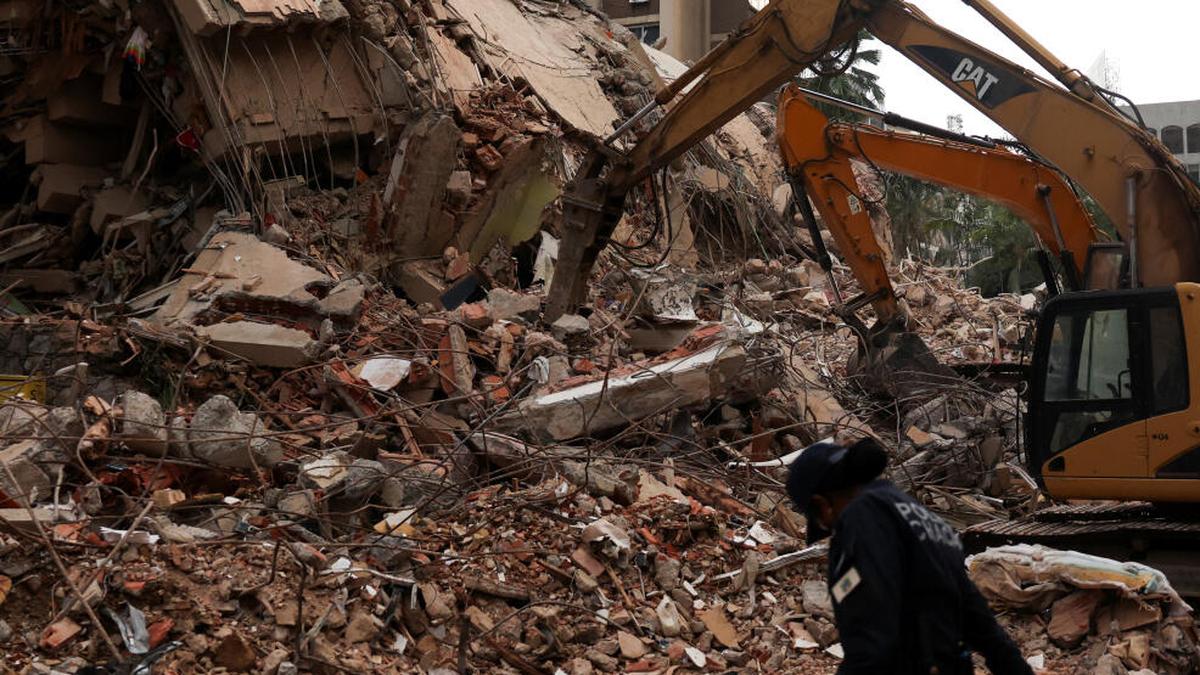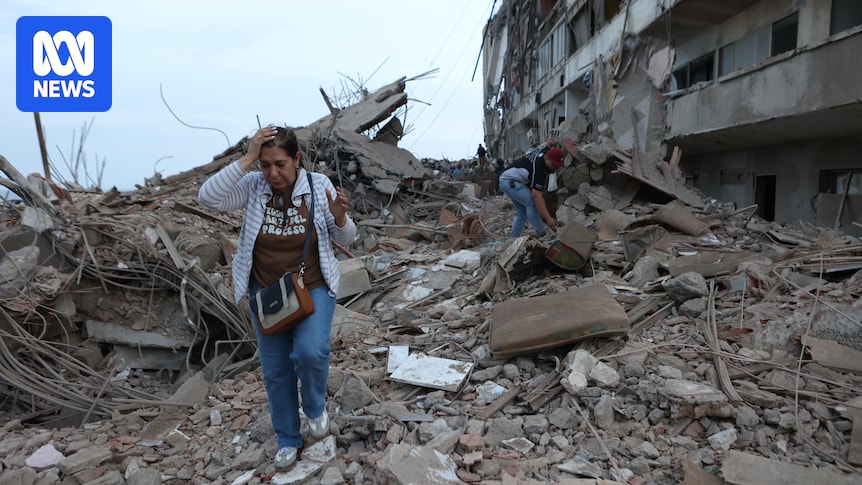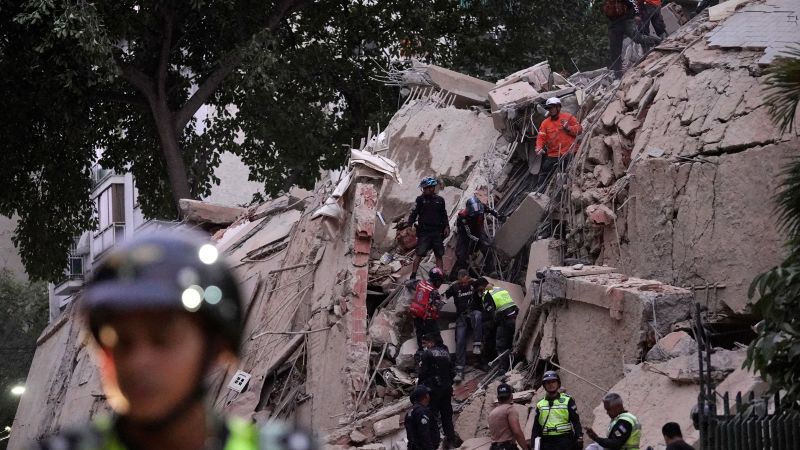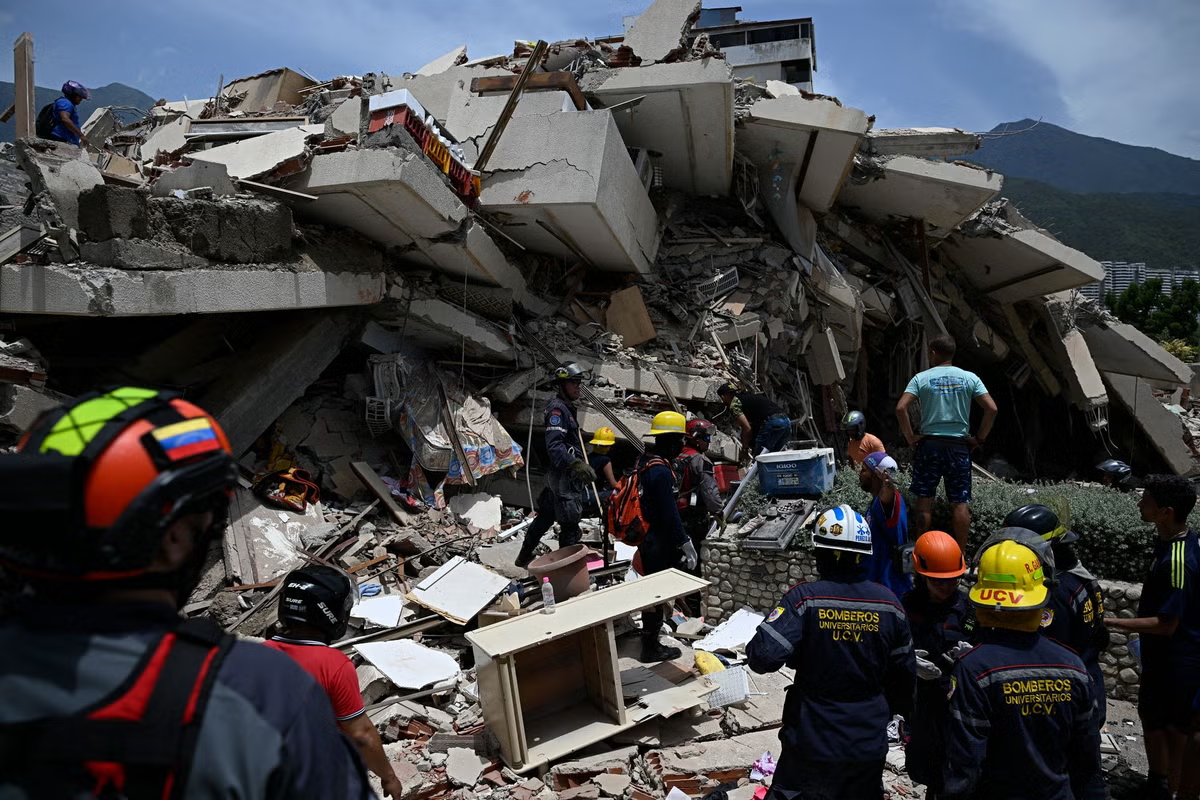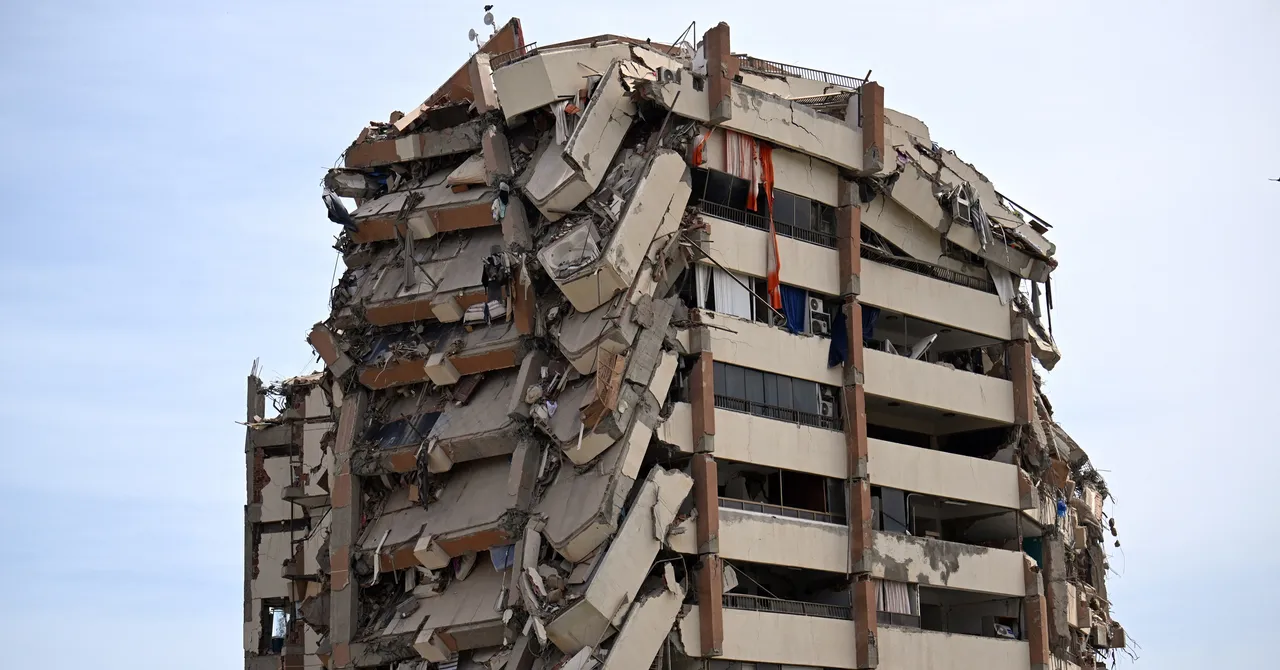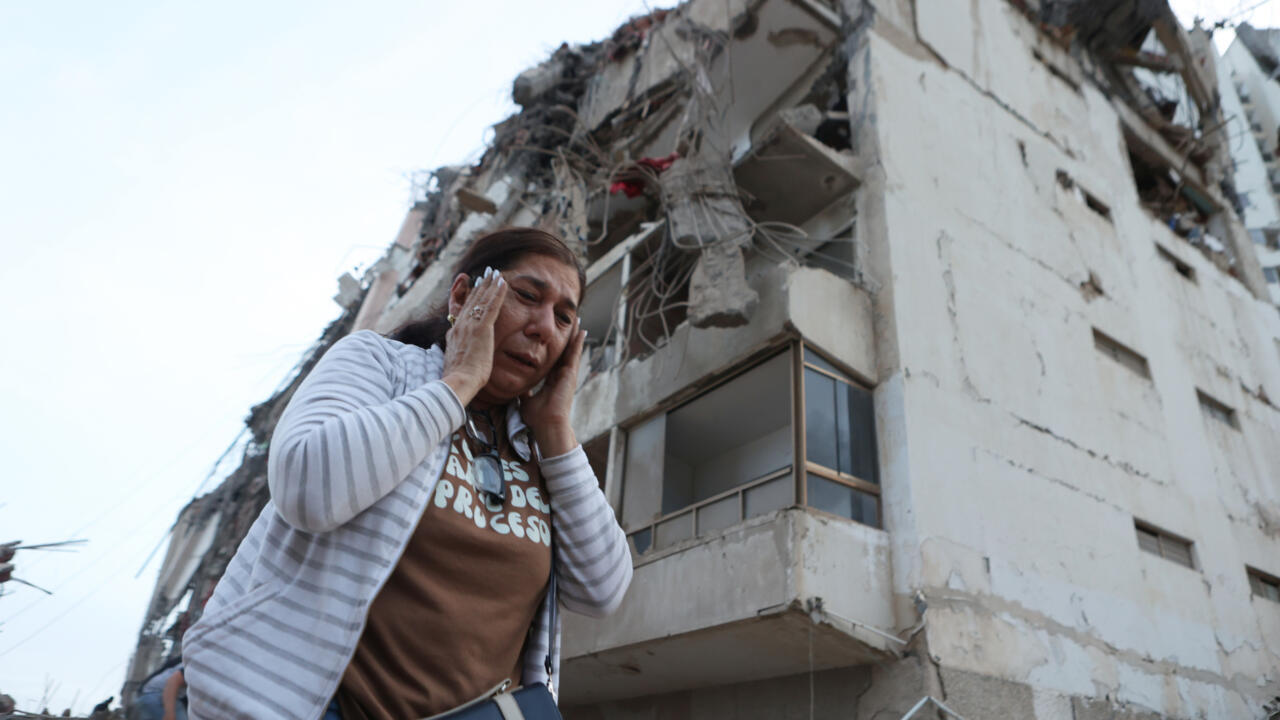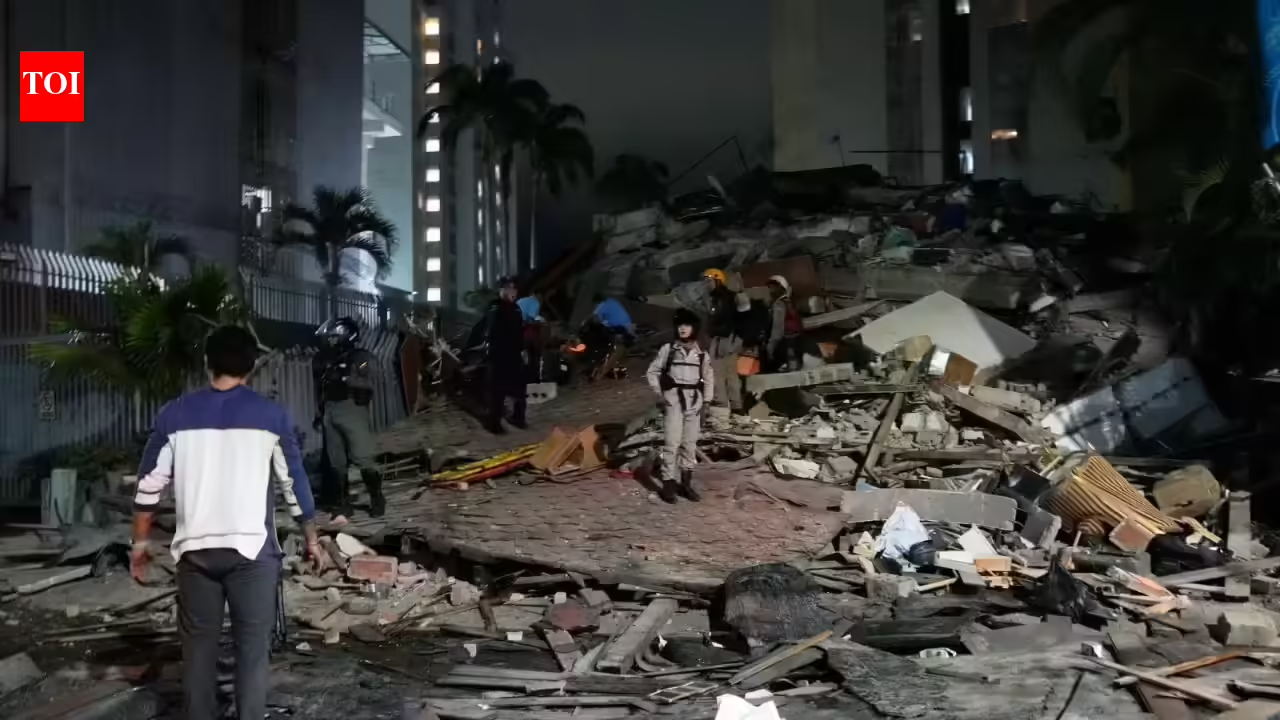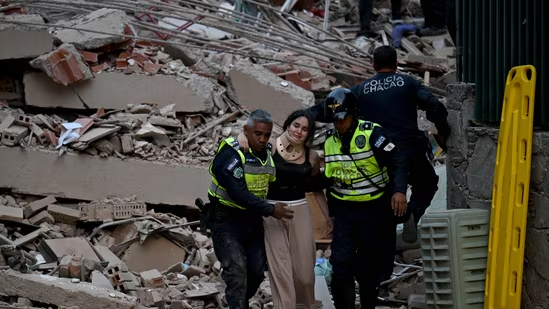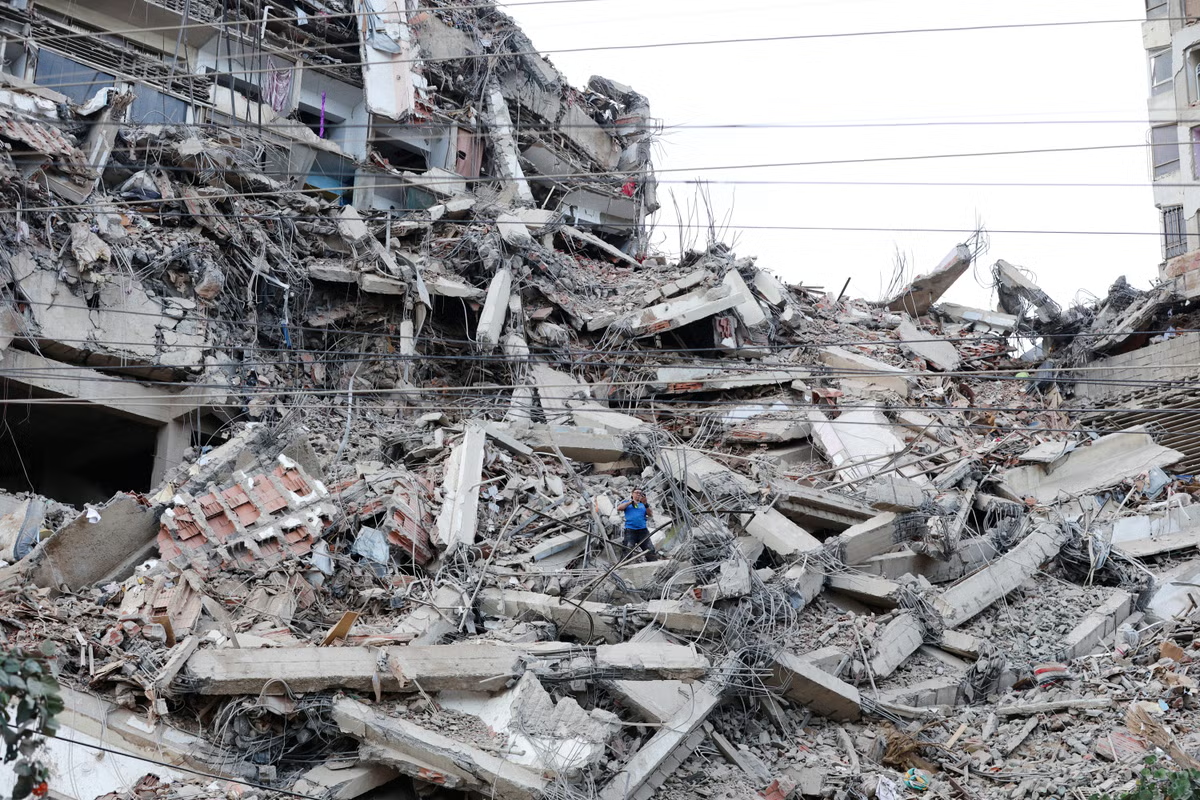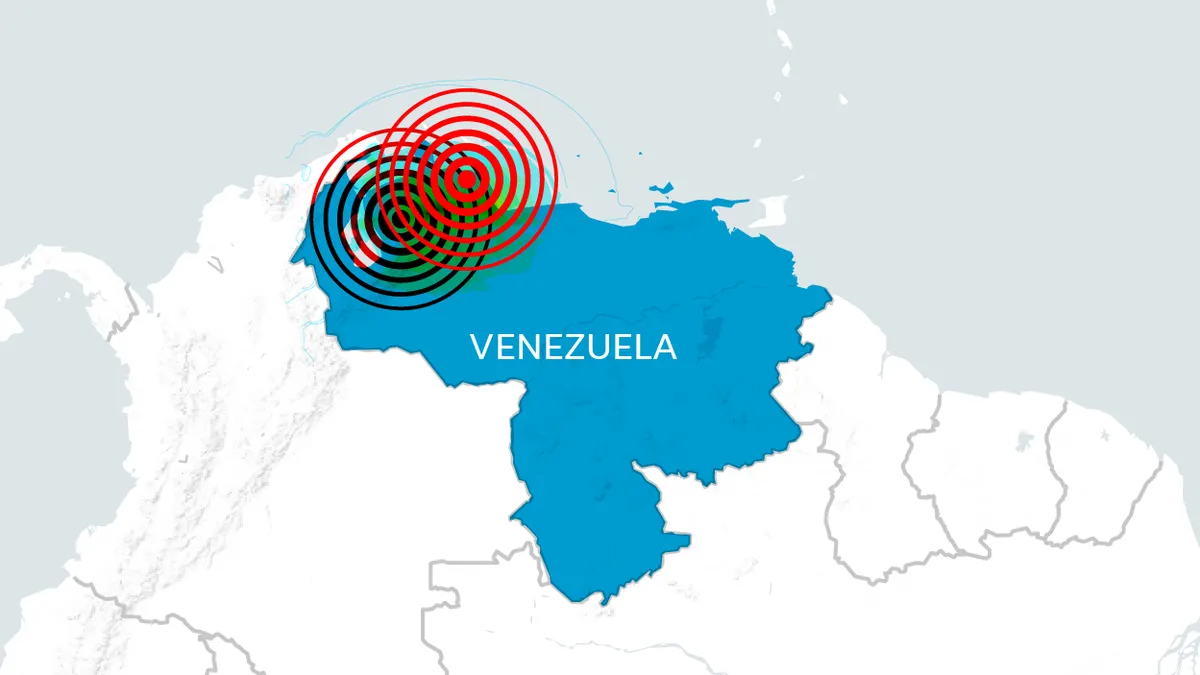
At least 188 people died and nearly 1,500 were injured June 24 after two devastating earthquakes hit a minute apart in northern Venezuela, the Caribbean nation with a long and deadly quake history.The U.S. Geological Survey, using predictive modeling to estimate the death toll, said it would most likely run into the thousands, with a substantial probability of exceeding 10,000. A website set up to track missing people by leaders from the country's opposition said that about 24,000 people remain unaccounted for, Reuters reported.The two quakes, with magnitudes of 7.2 and 7.5, struck shortly after 6 p.m. local time. They were two of the strongest quakes to hit Venezuela in more than a century.Quakes of 7.0 to 7.9 magnitude are considered major, capable of causing severe, widespread damage.Venezuela is vulnerable to powerful quakes because it’s on the active tectonic boundary between the Caribbean Plate and the South American Plate. The two giant plates grind past each other, building stress across several major faults.Can't see our graphics? Click here to reload the page.What is a doublet earthquakeIn addition to their magnitude, the Venezuelan quakes were significant because they took place less than a minute and a short distance apart – a phenomenon known as a doublet.Analysis by USGS suggests the quakes came from different faults.Doublet earthquakes are rare. There is a 5% chance of having two large quakes in a sequence be within 0.2 units of magnitude, according to the USGS. Doublets can greatly increase damage with prolonged or repeated shaking.What caused the earthquakes in Venezuela?Tectonic plates are giant sections of the Earth’s crust that fit together like cracked puzzle pieces, according to the National Science Foundation. They constantly shift and rub against one another in areas known as plate boundaries.The shifting and grinding of the plates creates stress along faults that can be suddenly released in earthquakes.Venezuela is prone to earthquakes because the movement between the Caribbean Plate and South American Plate puts stress on several major quake faults, including:San Sebastián Fault runs along or offshore of Venezuela’s north-central coast. It’s close to Caracas, the capital, near the Caracas–La Guaira region.El Pilar Fault System runs roughly east-west across northeastern Venezuela. It’s near the Sucre state and the Gulf of Cariaco region.Boconó Fault runs through the Venezuelan Andes in western Venezuela and northeastern Colombia. It’s associated with historic quakes in the country.The worst-affected area was La Guaira state, near Caracas and home to the city's airport. Earthquake magnitudes explain severityOther Earthquakes that occurred on June 24California's 5.6 earthquakeJapan's earthquakeInterim Venezuelan President Delcy Rodríguez said rescue crews from other countries would arrive soon and thanked leaders, including President Donald Trump and Russian President Vladimir Putin.Trump said there had been a "devastating" number of deaths. U.S. Secretary of State Marco Rubio said rescue teams were being deployed and the Pentagon would send assets to the damaged airport.CONTRIBUTING Thao Nguyen, Fernando Cervantes Jr.SOURCE USA TODAY Network reporting and research; Reuters; U.S. Geological Survey; National Oceanic and Atmospheric Administration; National Science Foundation
Doublet earthquake in Venezuela is very rare. Here's what happened
The Caribbean nation sits on the boundary of two active tectonic plates, which create stress in quake faults
500 words~2 min read