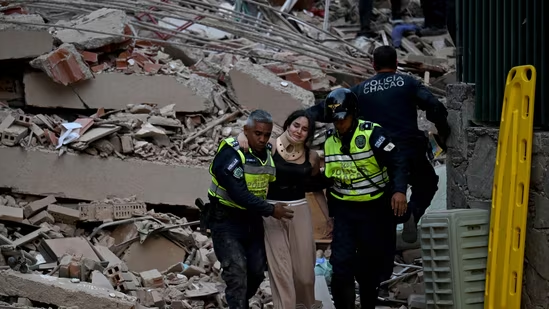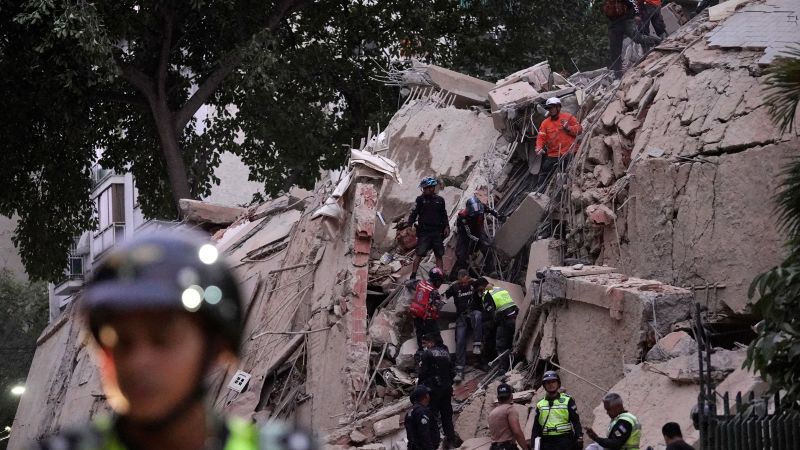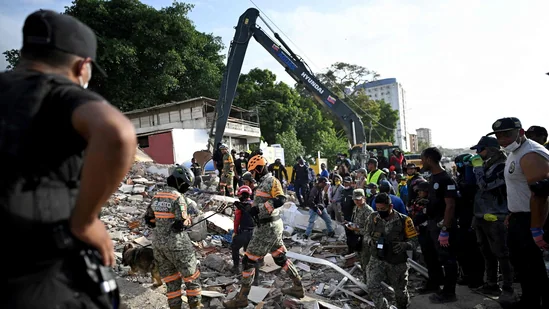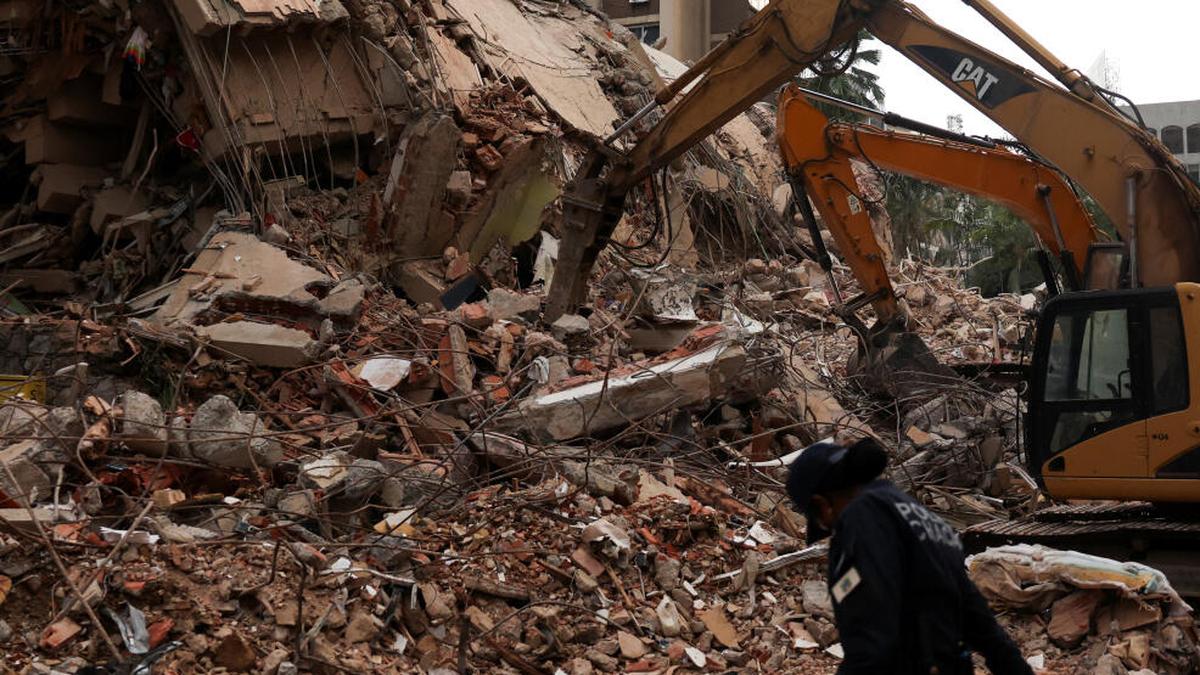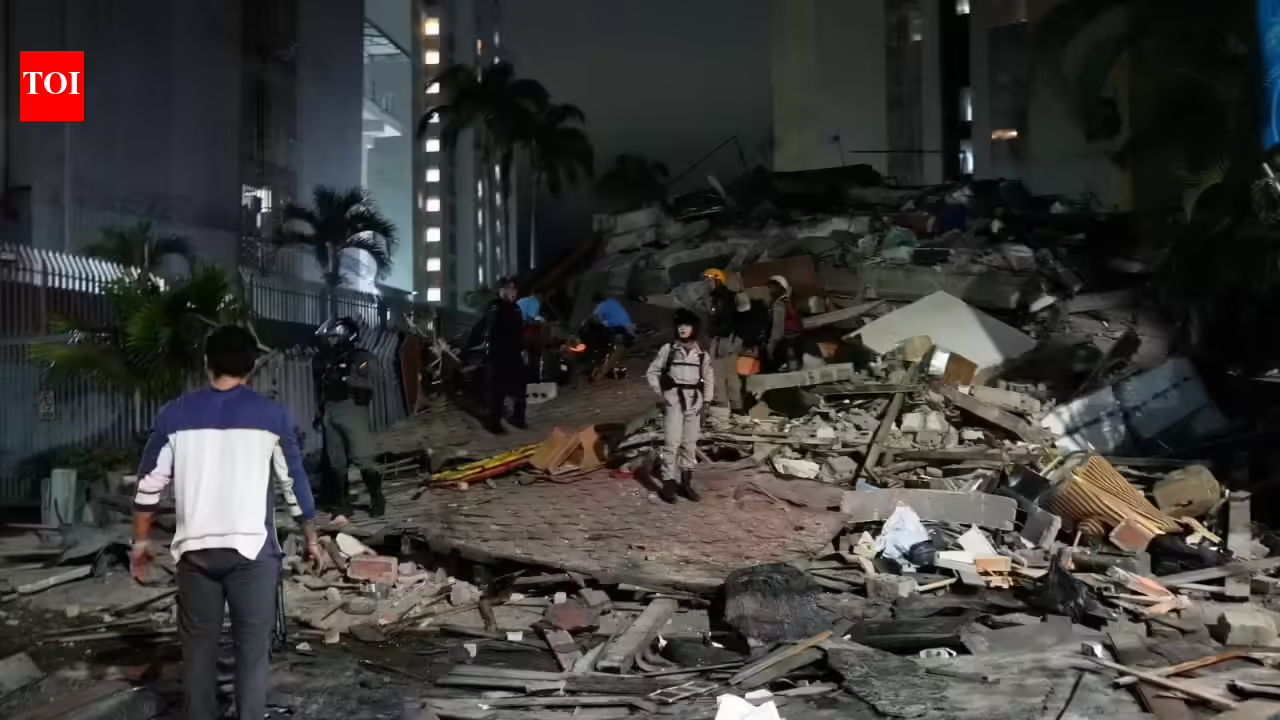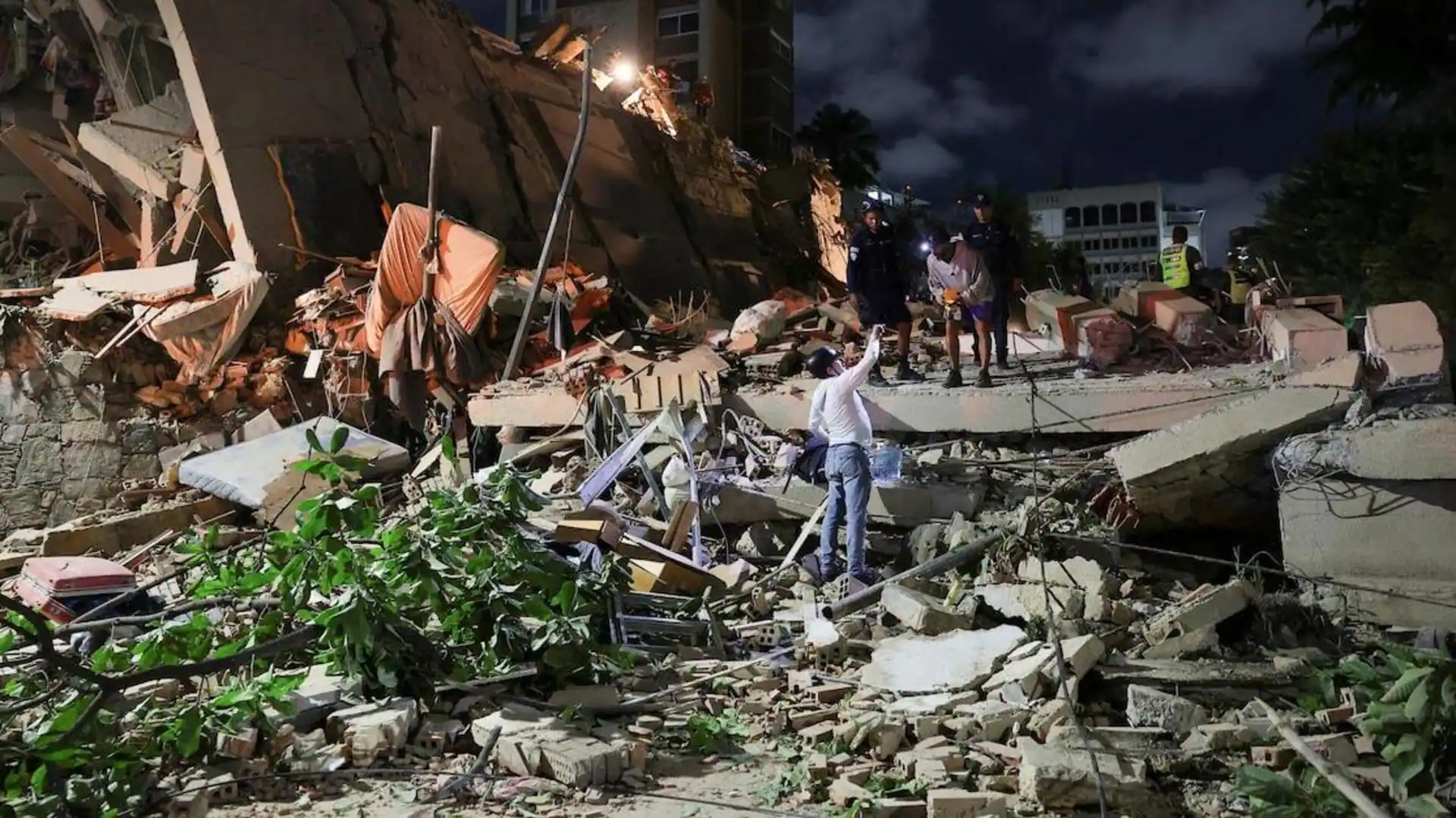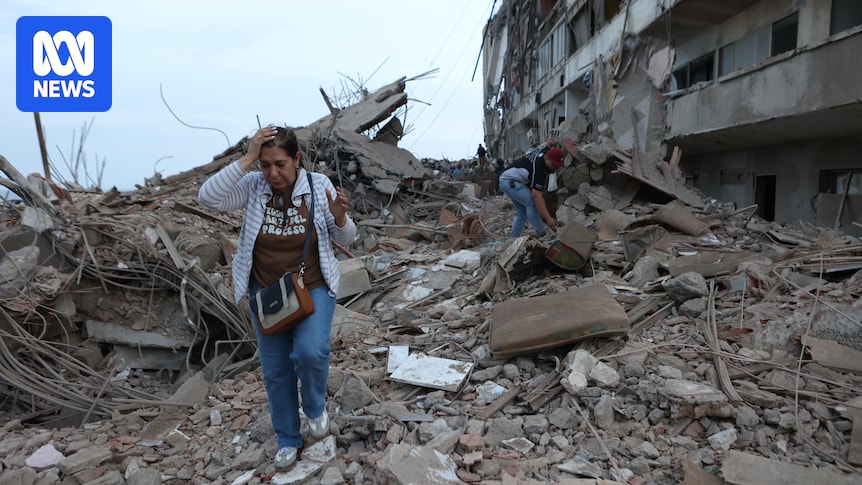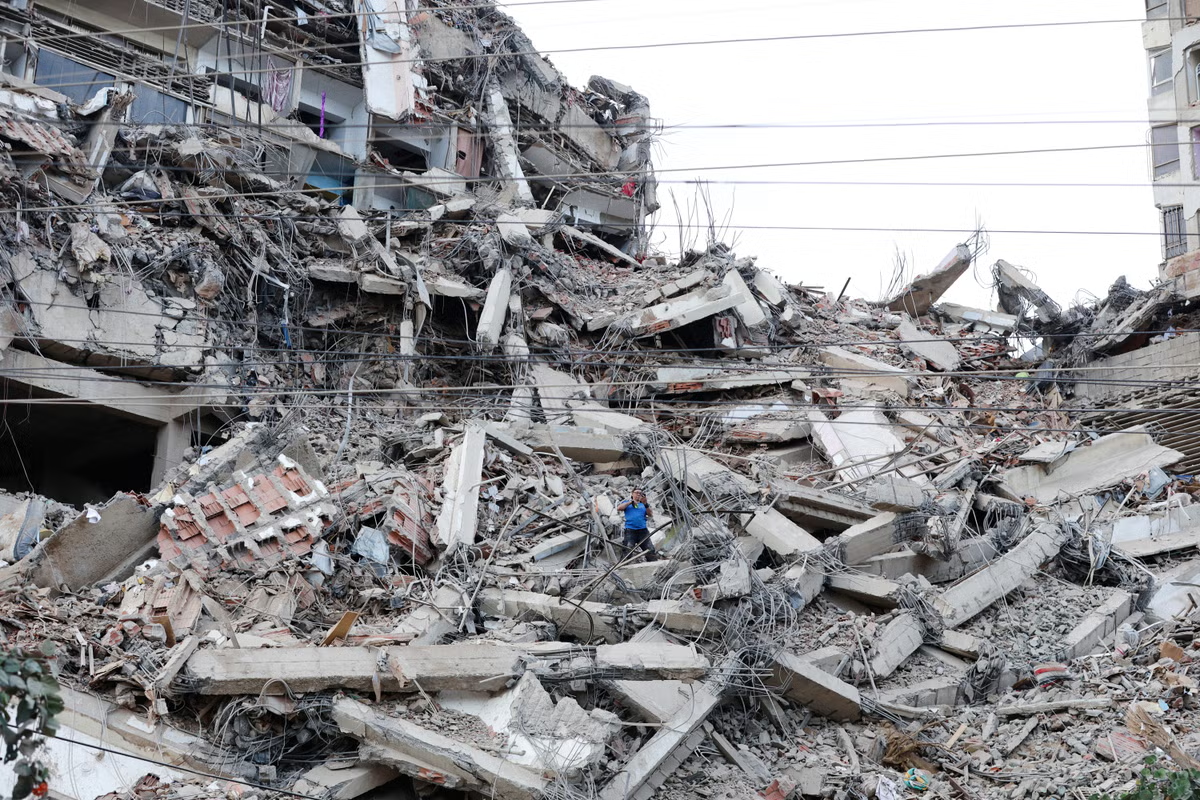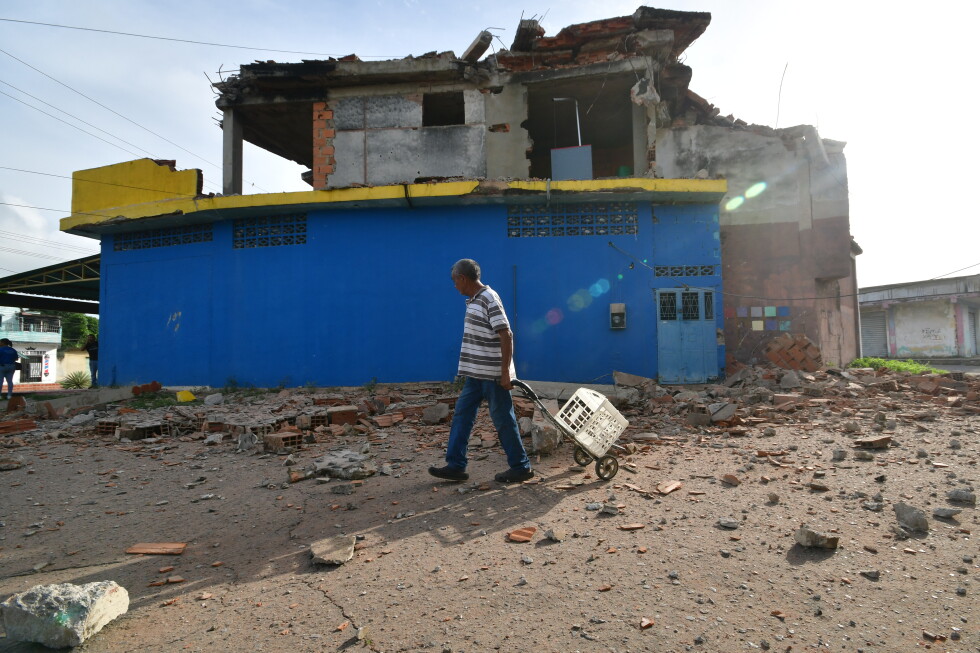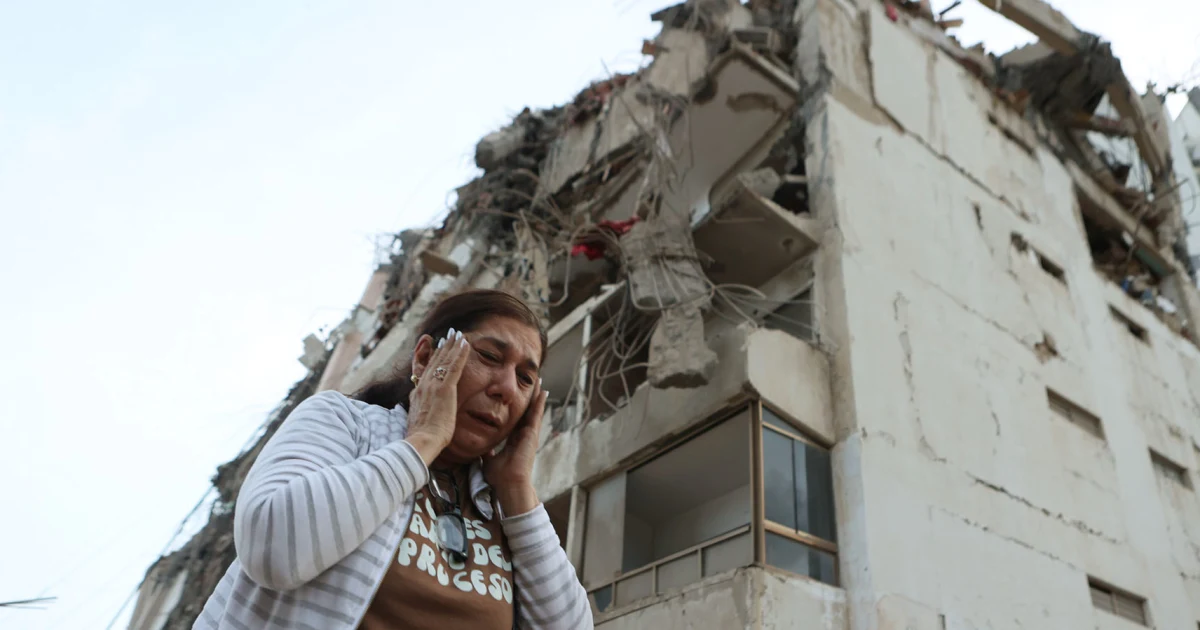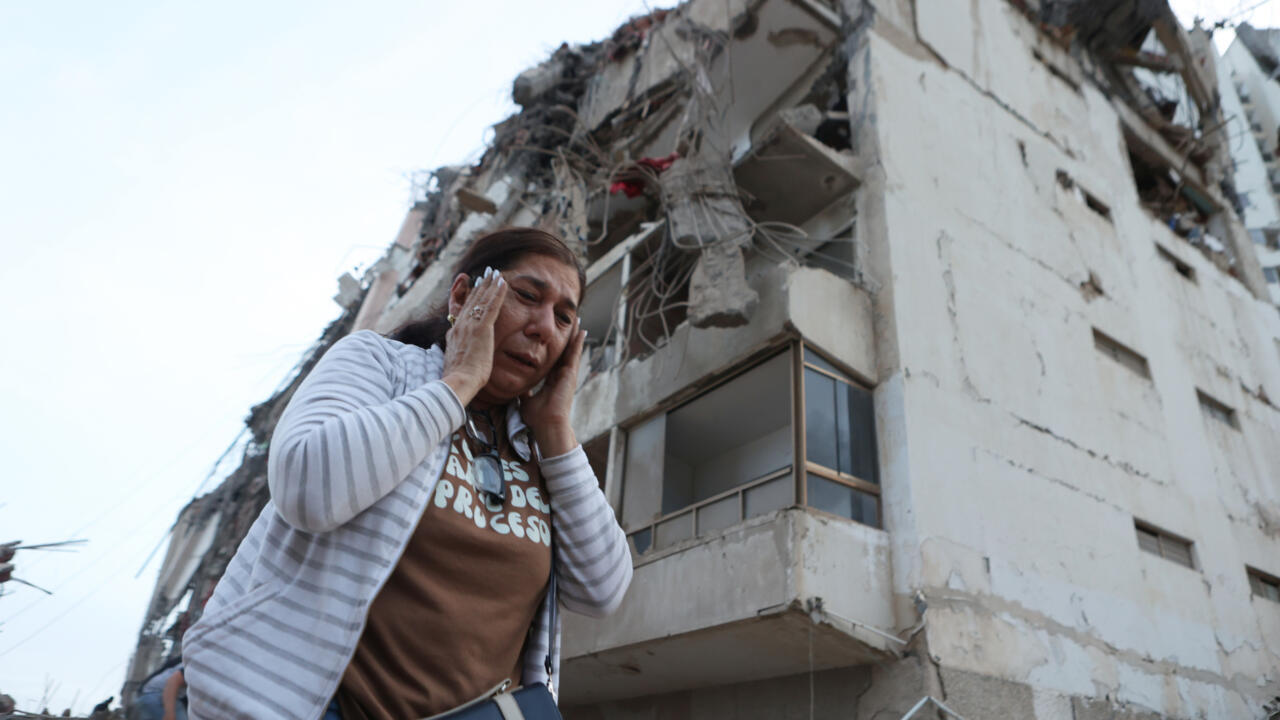
The powerful tremors which rocked Venezuela on Wednesday have claimed at least 589 lives and injured thousands. The death toll from the 7.2-magnitude and 7.5-magnitude earthquakes is expected to rise, as rescuers continue combing the ruins of cities near the quake’s epicentre, situated 170 kilometres west of the capital Caracas. The estimated number of fatalities for this level of disaster is between 10,000 and 100,000 people, according to the US Geological Survey (USGS). Rare and devastating The event was rare and devastating in more ways than one. The main earthquake, which hit at 6:04pm local time, was the strongest in Venezuela since 1900. Yet the quake was not only striking because of its magnitude (7.5). The catastrophe seems to have consisted of a rapid succession of two earthquakes. "It’s also possible that it was just one complex event,” said Piero Poli, seismologist at the University of Padua. Only about 40 seconds went by between the first shock and the second one. “The people who experienced the tremors had the impression that it was one earthquake that lasted a very long time,” said Thomas Lecocq, seismologist of the Royal Observatory of Belgium. The nearly simultaneous quakes occurred only 45 kilometres away from one another. This resembles what is known as "doublets", meaning quakes of “the same size, and especially so close in time and space”, said Poli. Also called “twin” quakes, these types of tremors “are extremely rare”. Usually after a major earthquake, several progressively smaller aftershocks occur along the same fault, said Lecocq. ‘Dangerous doublets’ Another notable “doublet” earthquake occurred off the coast of the South Sandwich Islands in 2021 when a powerful magnitude-7.5 earthquake was followed by another one of magnitude 8.1. In Turkey, a deadly earthquake was followed hours later by another quake in 2023. Unlike the scenario in Turkey where the tremors happened along two nearby faults, in Venezuela the quakes appeared to be on the same fault – which doesn’t generally correspond with the principle of "doublets", said Poli. The quakes seem to originate from the same fracture located along the boundary between the Caribbean and South American tectonic plates. “It’s not the most active seismic place in the world, but we know that there were faults,” said Poli.
Why Venezuela’s ‘doublet’ earthquakes were so devastating
The tremors that hit Venezuela on Wednesday evening have killed nearly 600 people and injured thousands. The disaster consisted of a rare phenomenon called a “doublet”, meaning a quick succession of…
749 words~3 min read