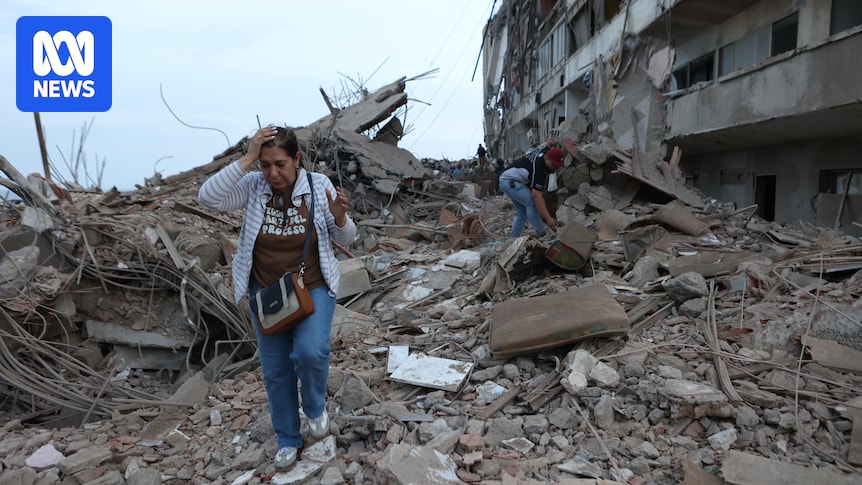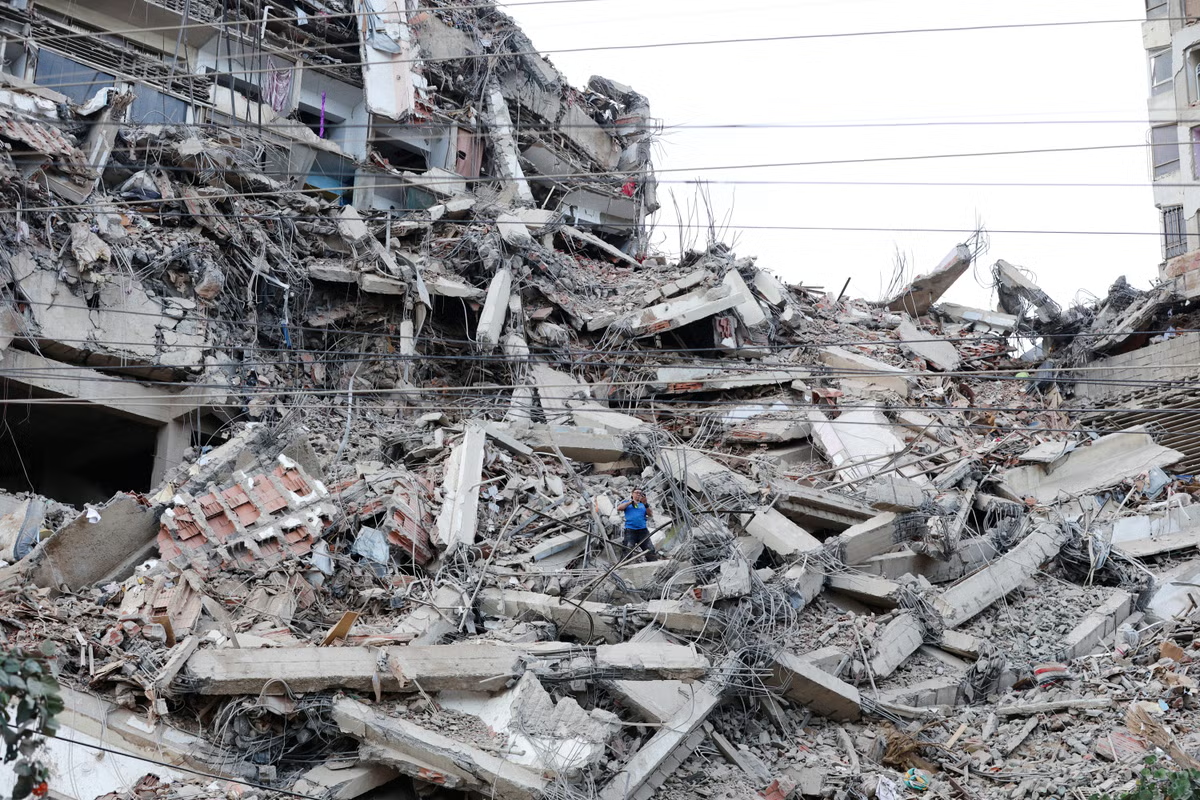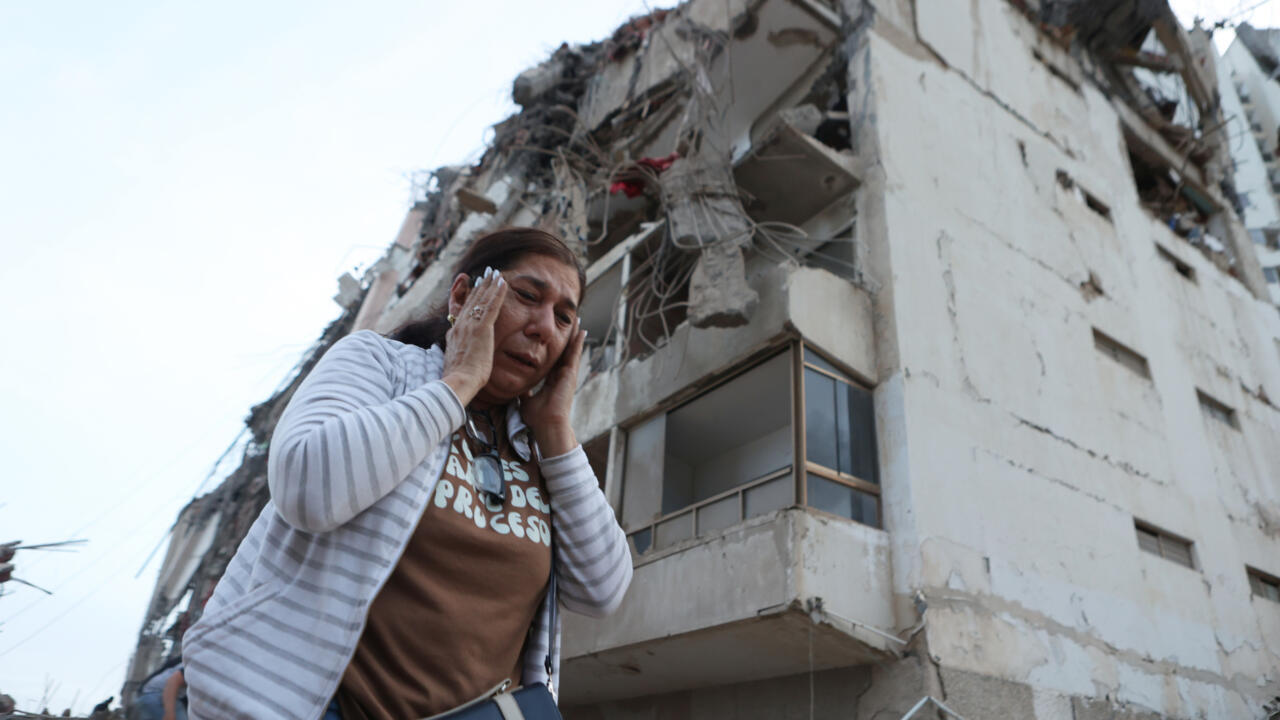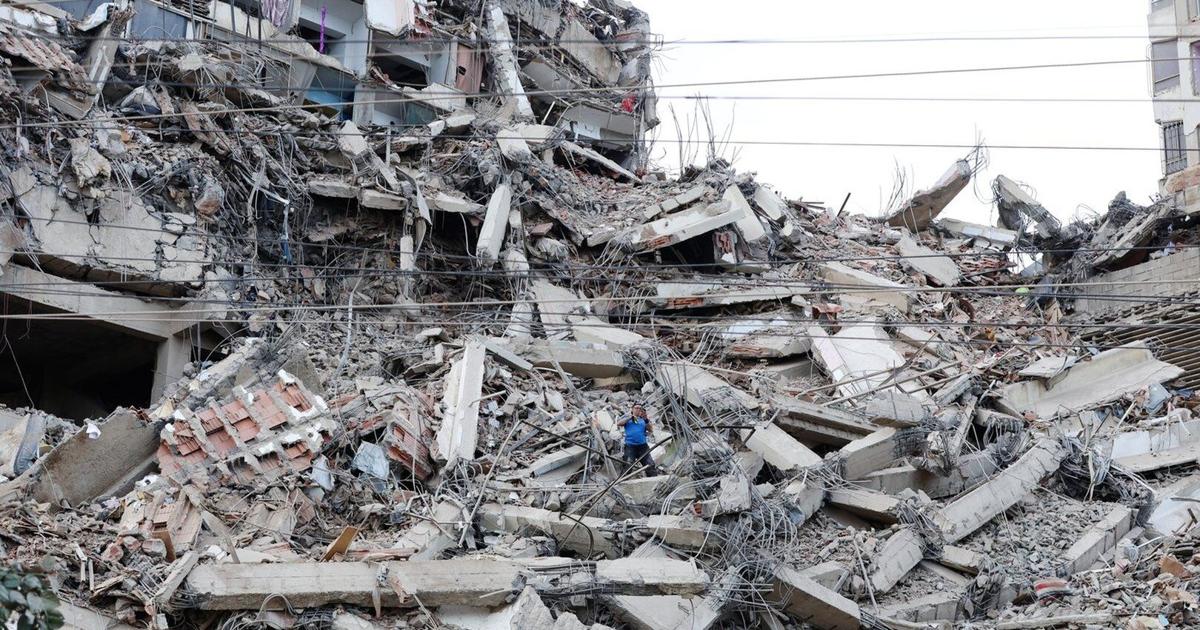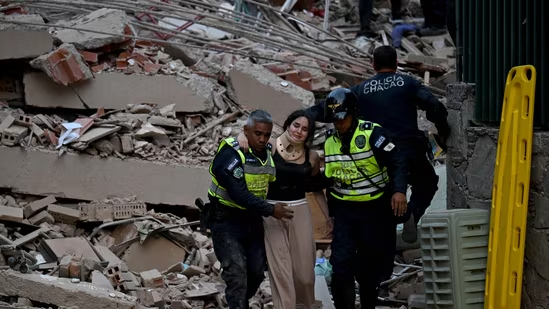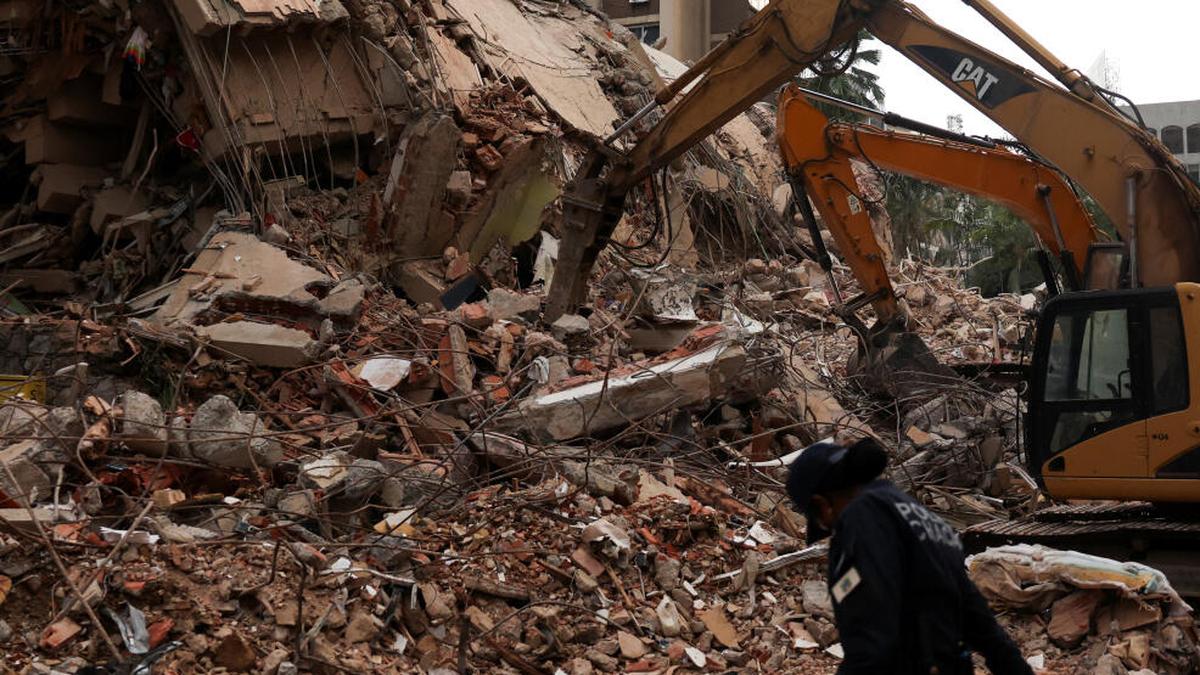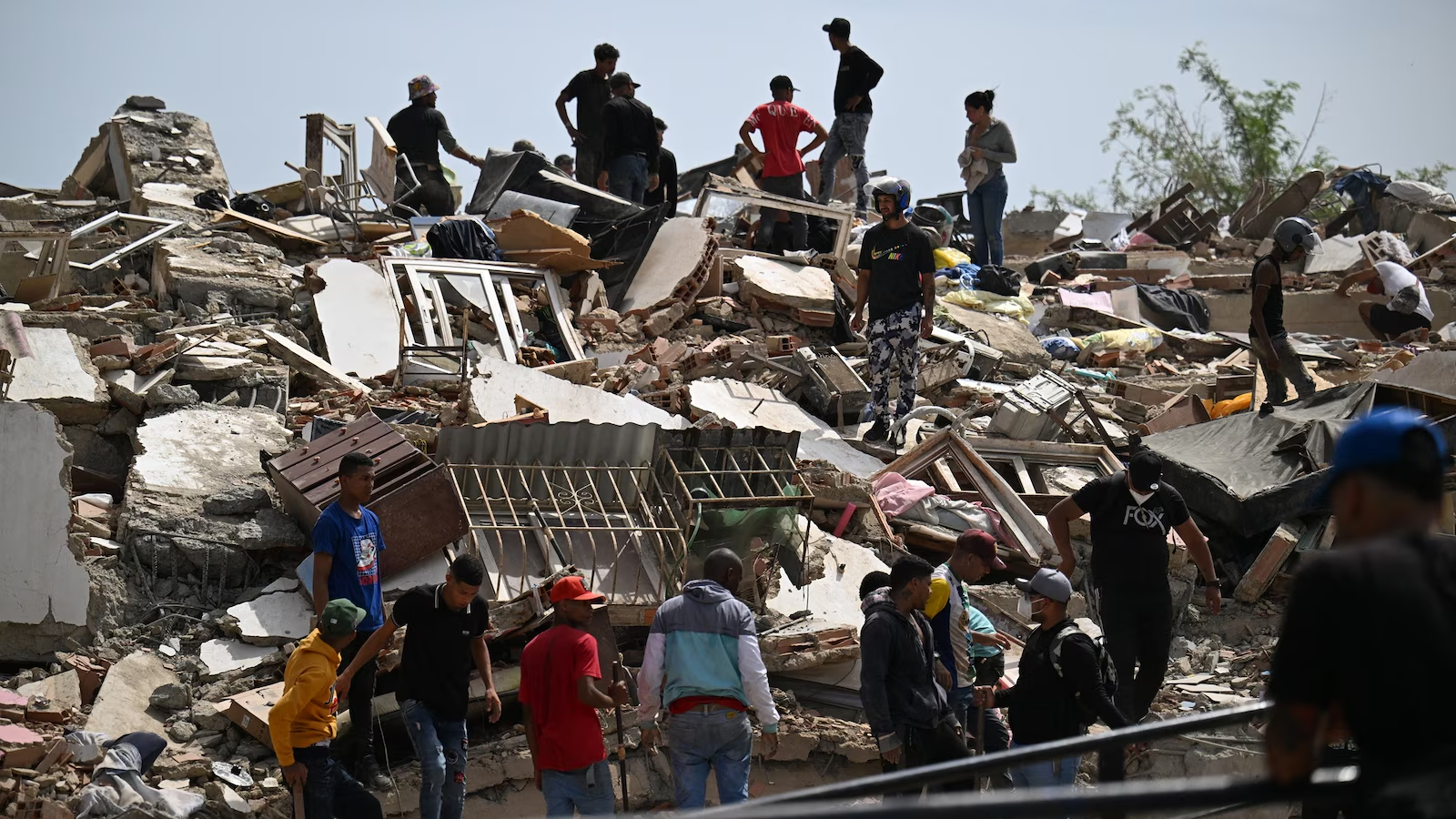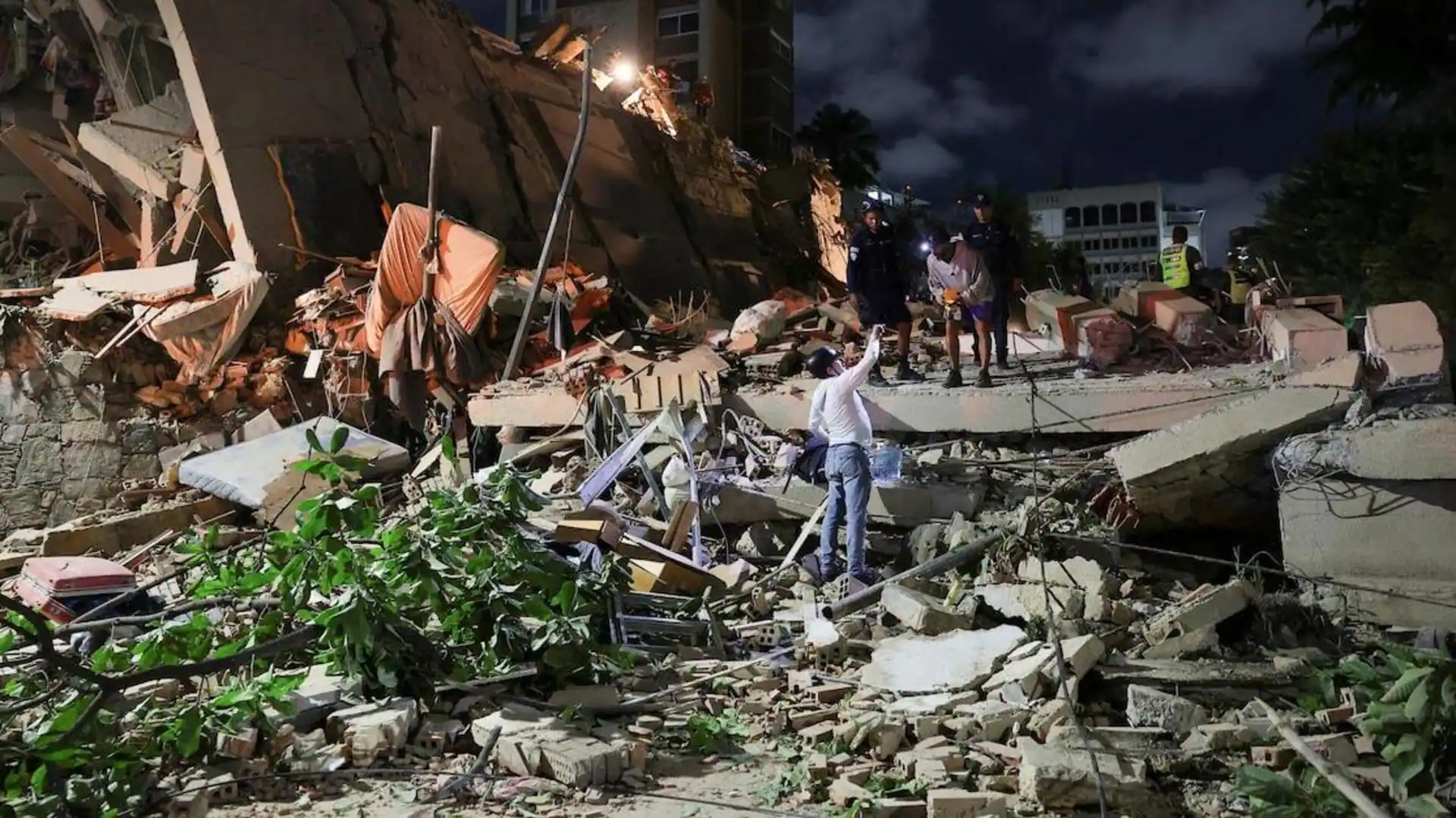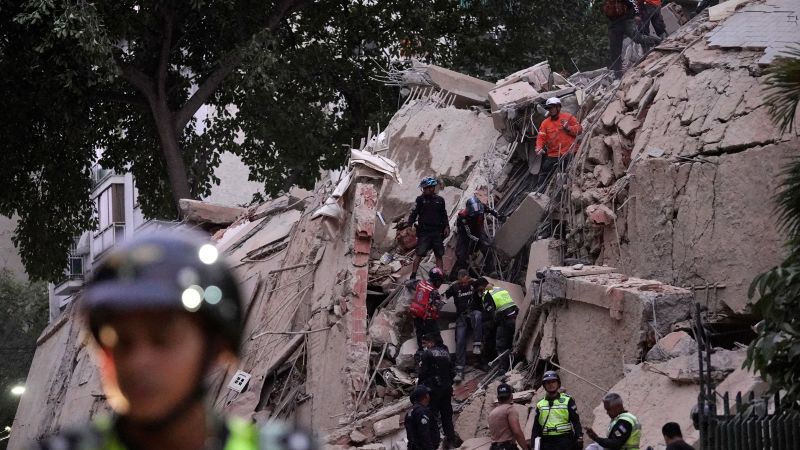
On Wednesday evening, Venezuela was hit with its largest tremors in more than a century — toppling buildings and claiming more than 100 lives. The event, according to the US Geological Survey, was a rare phenomenon called a “doublet” that contained not one but two major earthquakes.
Doublets occur when two quakes of similar magnitude happen in close succession — potentially causing more damage than a single quake. In this instance, a 7.2-magnitude earthquake shook northern Venezuela and was followed by a 7.5-magnitude quake only 39 seconds later.
“Double earthquakes are very destructive,” said Raul Perez-Lopez, an earthquake scientist at Madrid’s Geological and Mining Institute of Spain. “The main difference is that double earthquakes have similar energy, whereas (a) single earthquake and (smaller) aftershocks are lesser in energy.”
Yet some researchers speculate additional data over the coming days could reveal that the event was caused by one large earthquake instead of a duo. The difference between one long earthquake and a twinned pair may not matter in terms of human outcomes, but it could teach scientists a lot about this uncommon occurrence and predicting the severity of earthquakes.