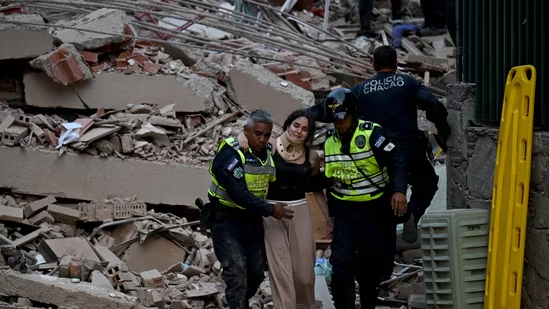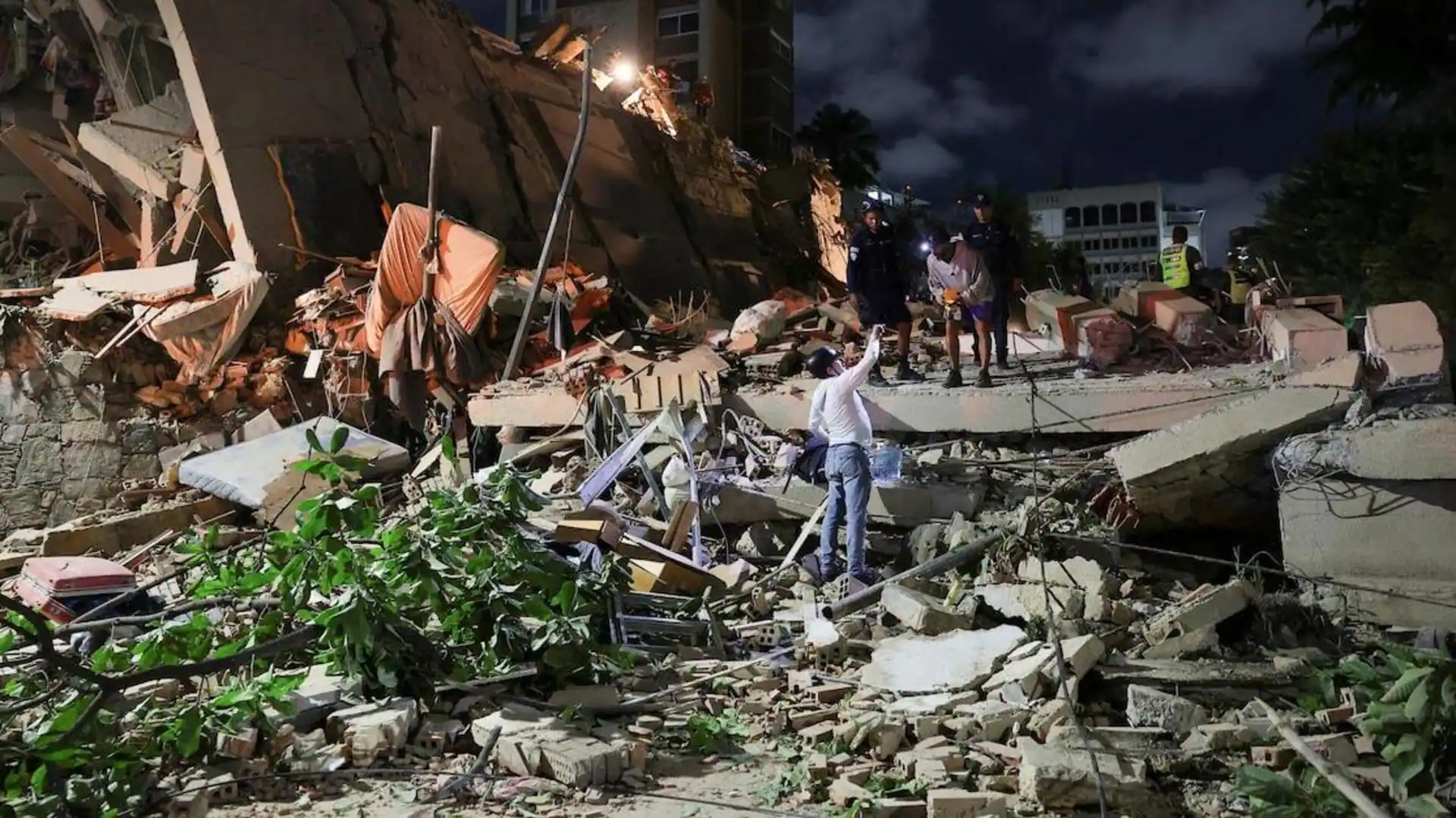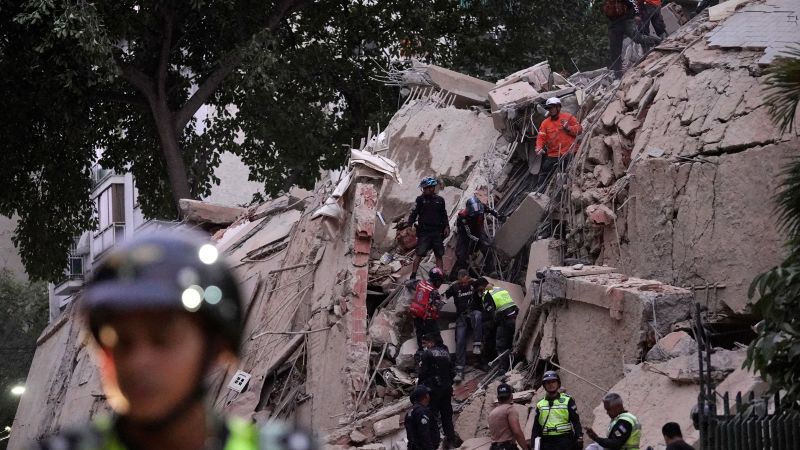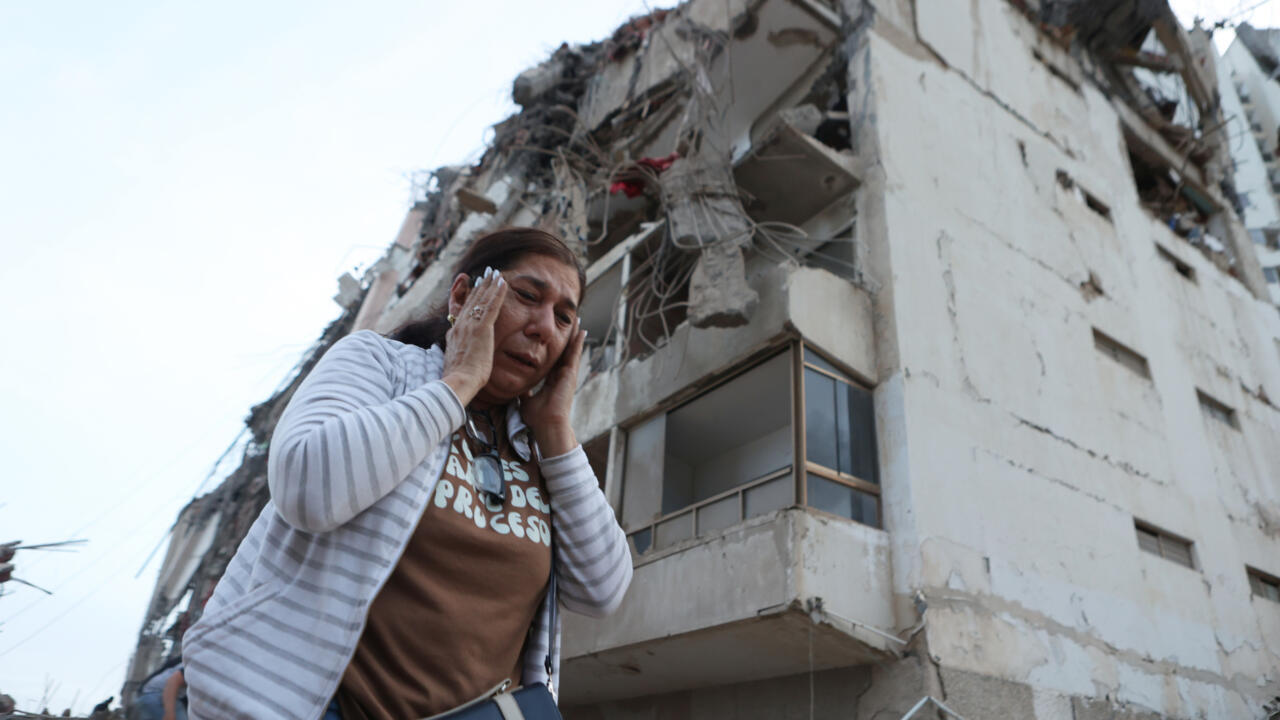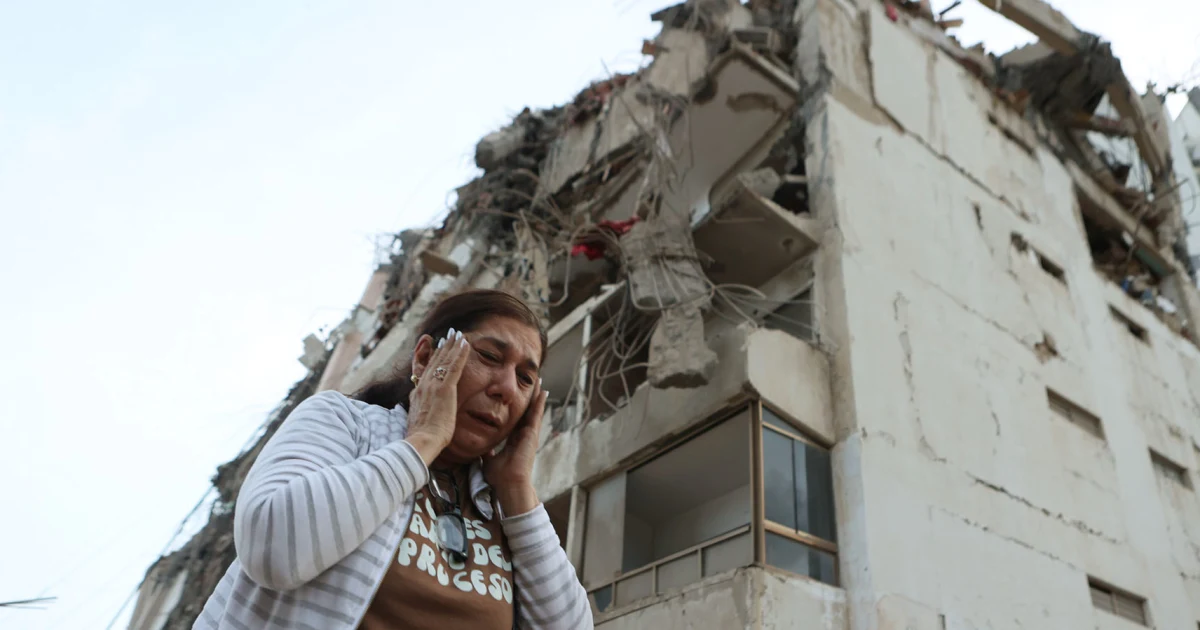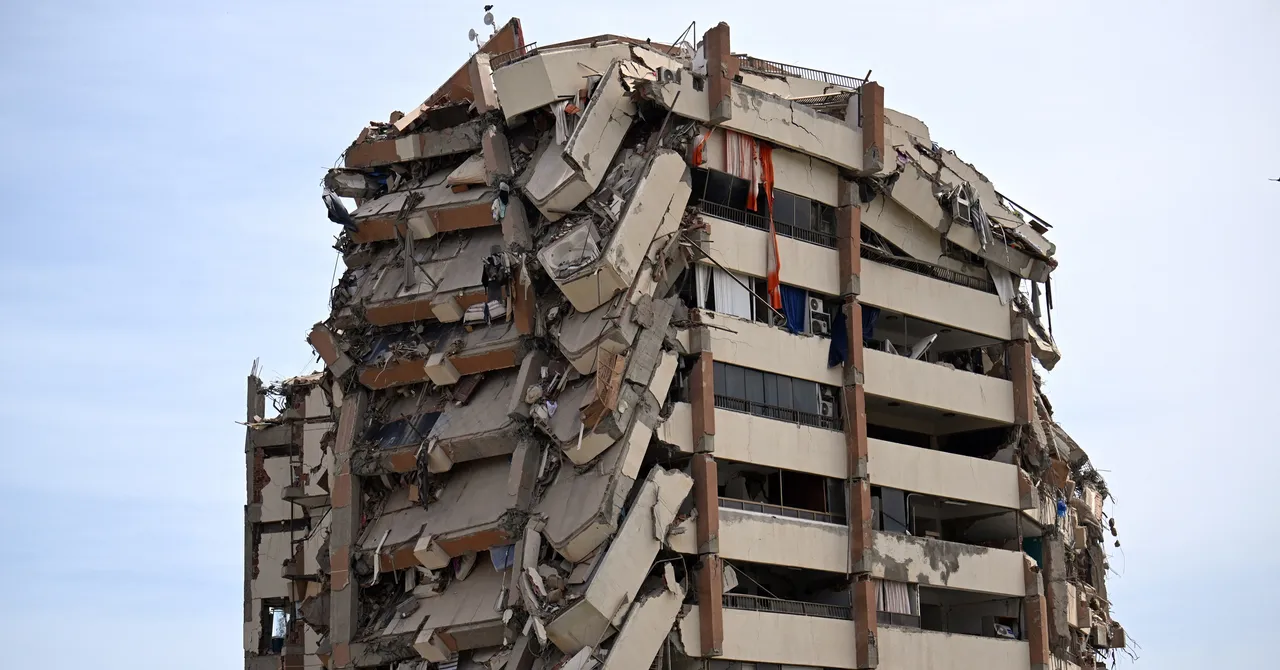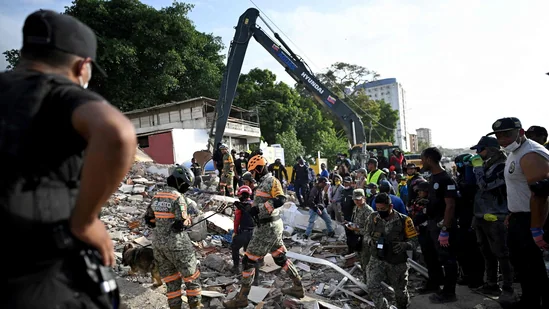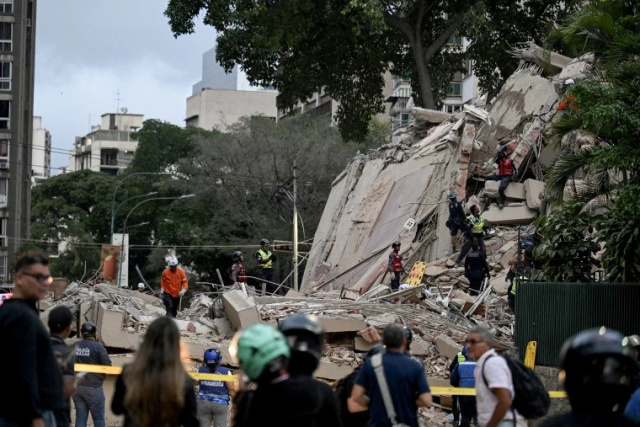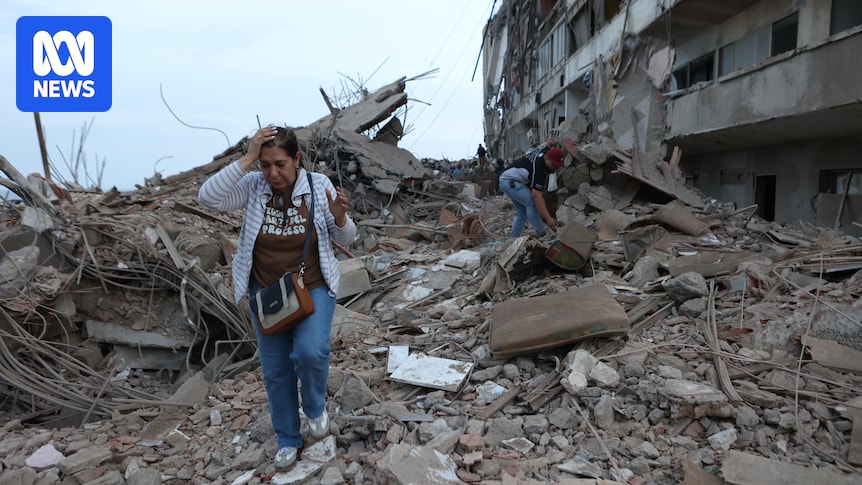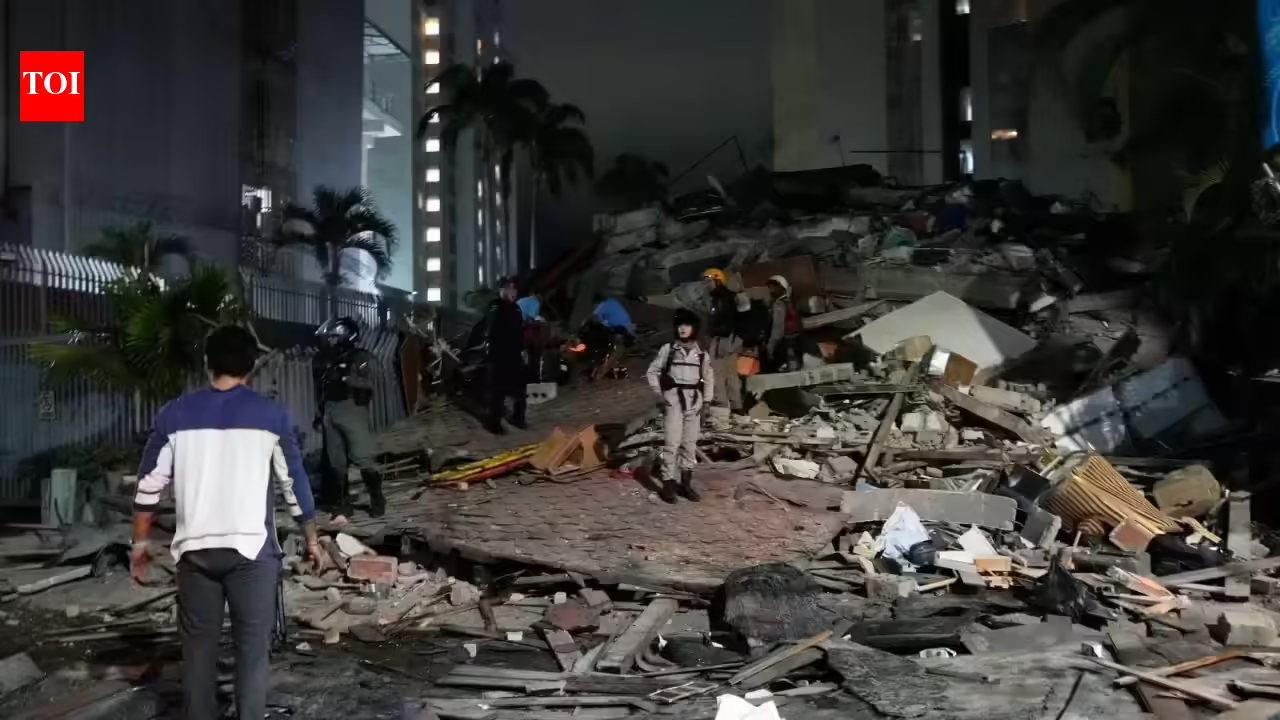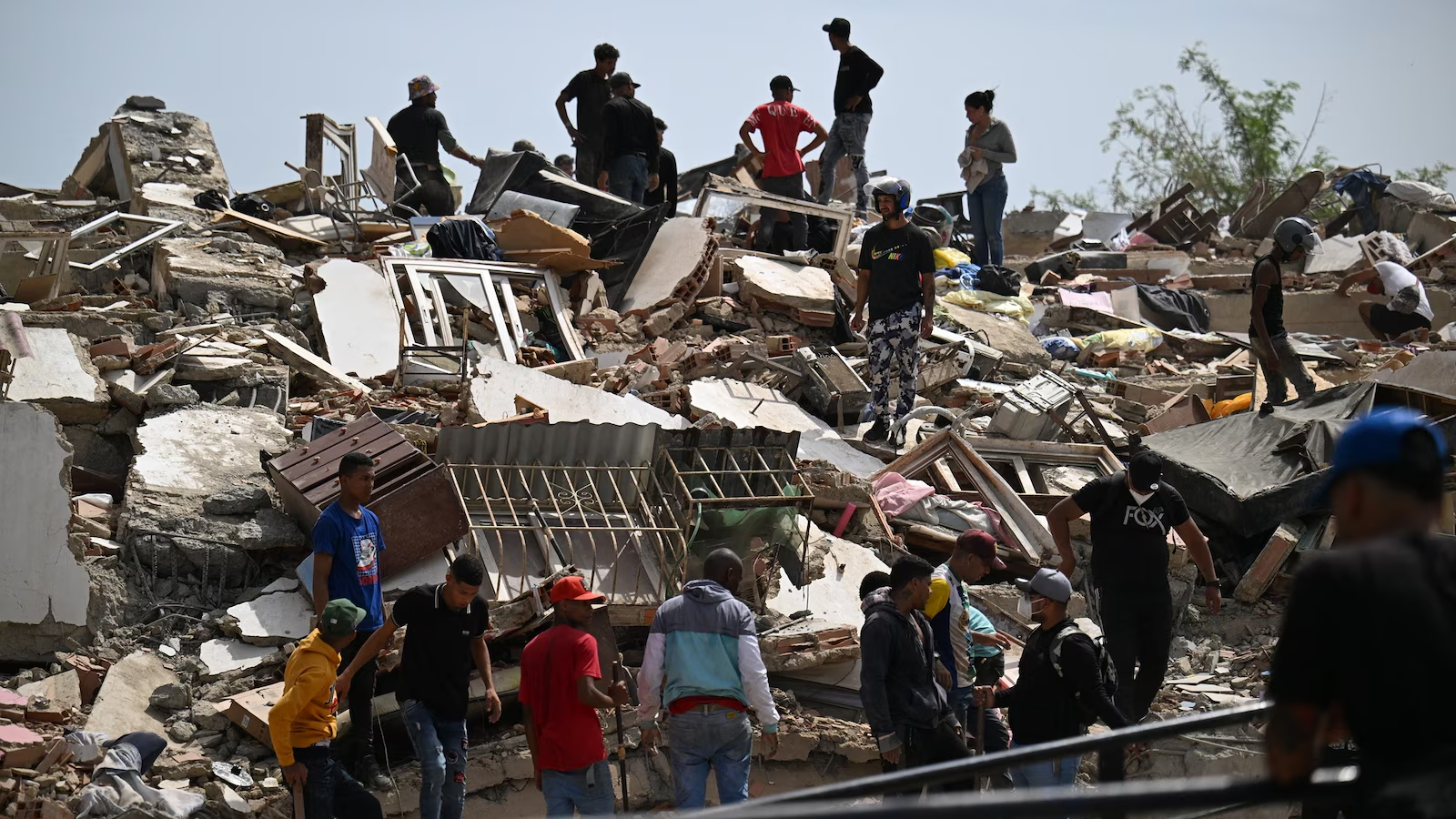
The two powerful earthquakes that hit Venezuela on Wednesday -- each measuring more than magnitude 7 and coming within moments of each other -- will likely go down as the most devastating and deadly in the country in modern history.An earthquake doubletThe USGS has confirmed Venezuela was hit by an earthquake doublet: a pair of earthquakes of similar magnitude that occur close together in time and location. Doublets are different than an aftershock. In a doublet, the first earthquake relieves stress on one fault while increasing it on a nearby fault. When that second fault is already close to breaking, the added stress and shaking from the first earthquake triggers another major rupture. This earthquake doublet began with a magnitude 7.2 and was followed 39 seconds later by a magnitude 7.5 nearby. Why this doublet caused so much more death and destruction than the one 9 months agoVenezuela sits along the Caribbean plate. It is not part of the infamous "Ring of Fire" that snakes around the Pacific Ocean, where earthquakes, especially of higher magnitude, are relatively common. That's why an earthquake of this magnitude causes so much more damage in a place like Venezuela than, say, Japan, because Japan is much more prepared for these types of events, given their inherent risk along the Ring of Fire. Still, large earthquakes do occur along the southern side of the Caribbean plate. There have been five magnitude 7+ quakes in the region in the last 100 years.In September 2025, an earthquake doublet hit northern Venezuela (M6.2/M6.3). The event occurred inland (not under the ocean) and caused severe damage, at least one death, and more than a hundred injuries. While a magnitude 6.3 earthquake is large, it rarely causes widespread, catastrophic damage.A magnitude 7.5 earthquake is exponentially stronger, causing catastrophic damage to poorly constructed or unreinforced buildings. Popular ReadsThis year's event was at least 63 times stronger than last year's, based on magnitude, based on the energy released.According to the USGS's assessment of the region affected by this earthquake in northern Venezuela, "overall, the population in this region resides in structures that are vulnerable to earthquake shaking, though resistant structures exist. The predominant vulnerable building types are unreinforced brick masonry and adobe block construction."Where does this event land historically for Venezuela?Only a handful of earthquakes have caused deaths in Venezuela in the last century.In 2018, a magnitude 7.3 earthquake hit well offshore and north of a less populated region of northwestern Venezuela (not in the Caracas area). This event resulted in moderate damage and a few deaths. In 1997, a magnitude 6.9 earthquake hit inland north of Cariaco, resulting in at least 81 deaths. In 1967, a magnitude 6.6 earthquake hit near the coastline and led to around 240 deaths and extensive damage including the collapse of high-rise apartment buildings. In 1929, 97 years ago, a magnitude 6.7 earthquake hit offshore and led to a tsunami event. The number of deaths is unknown, but some estimates have reached over 1,000. The June 2026 doublet event was located inland (not offshore), in populated parts of Venezuela, lasted longer than a single magnitude 7.5 earthquake would have given the double quakes and was therefore much more impactful than anything of the last century. USGS estimates the death toll will likely go over 1,000 and potentially could exceed 10,000.
Why Venezuelan earthquakes could be the most devastating in the country in modern history
What to know about Venezuela's magnitude 7.2 and 7.5 "doublet" earthquakes.
554 words~3 min read