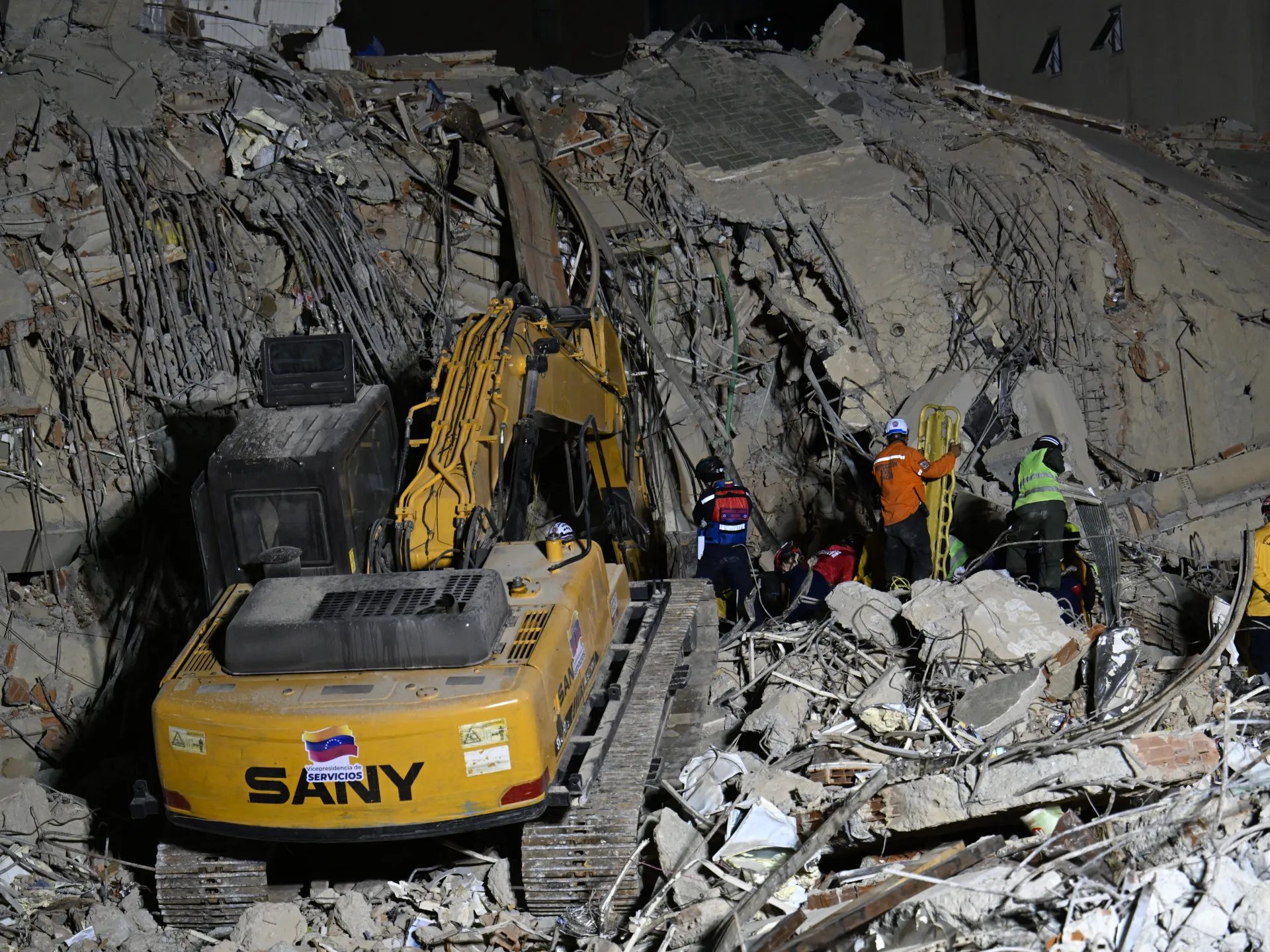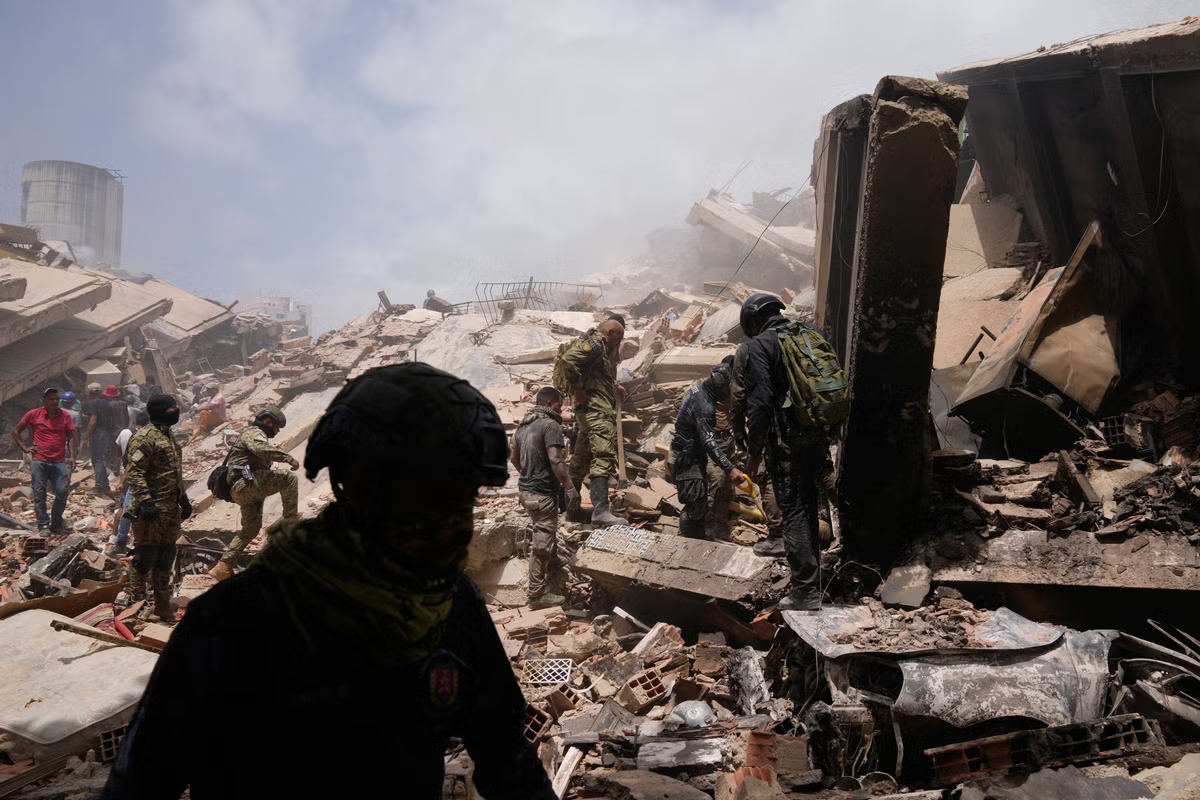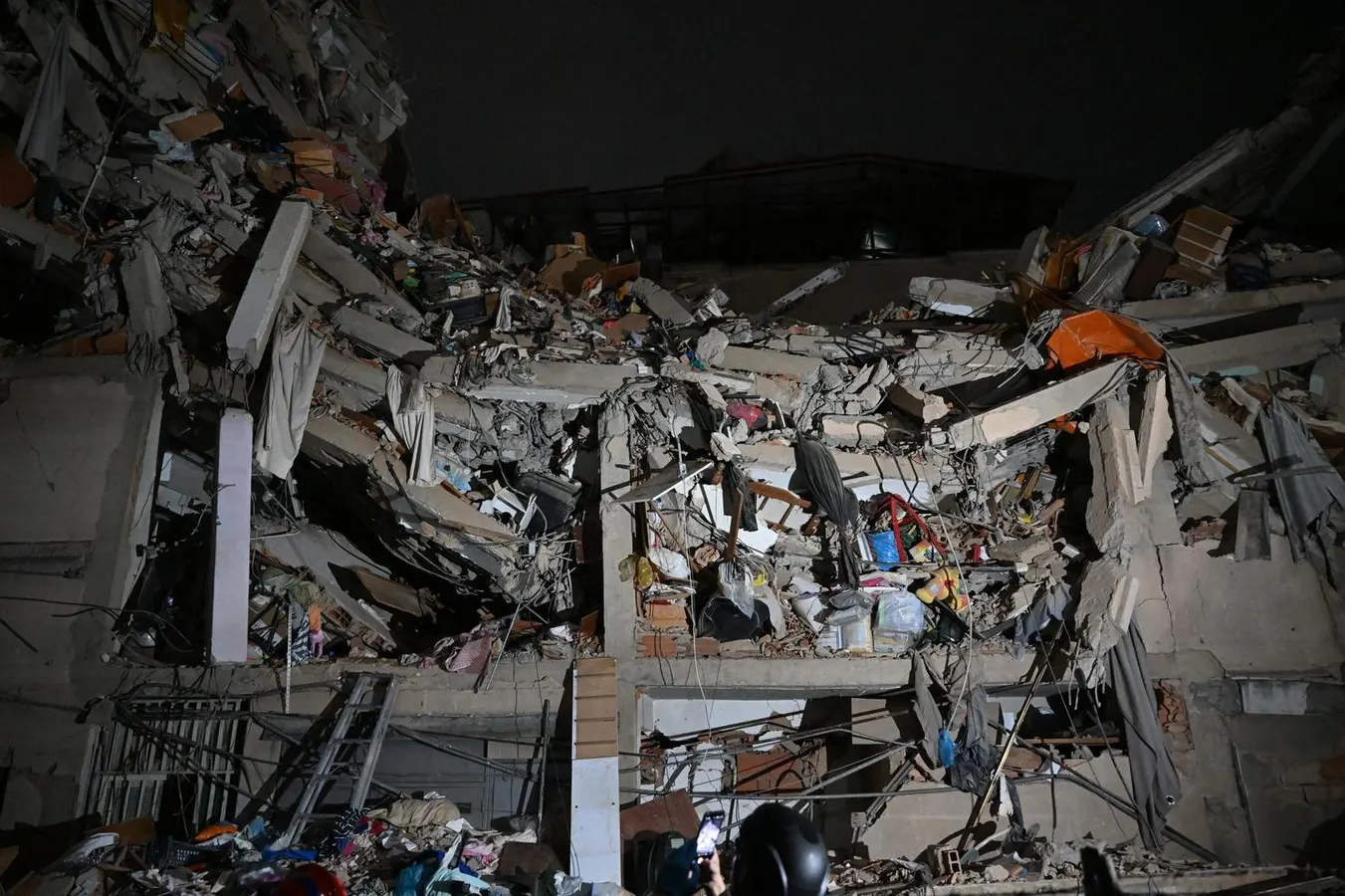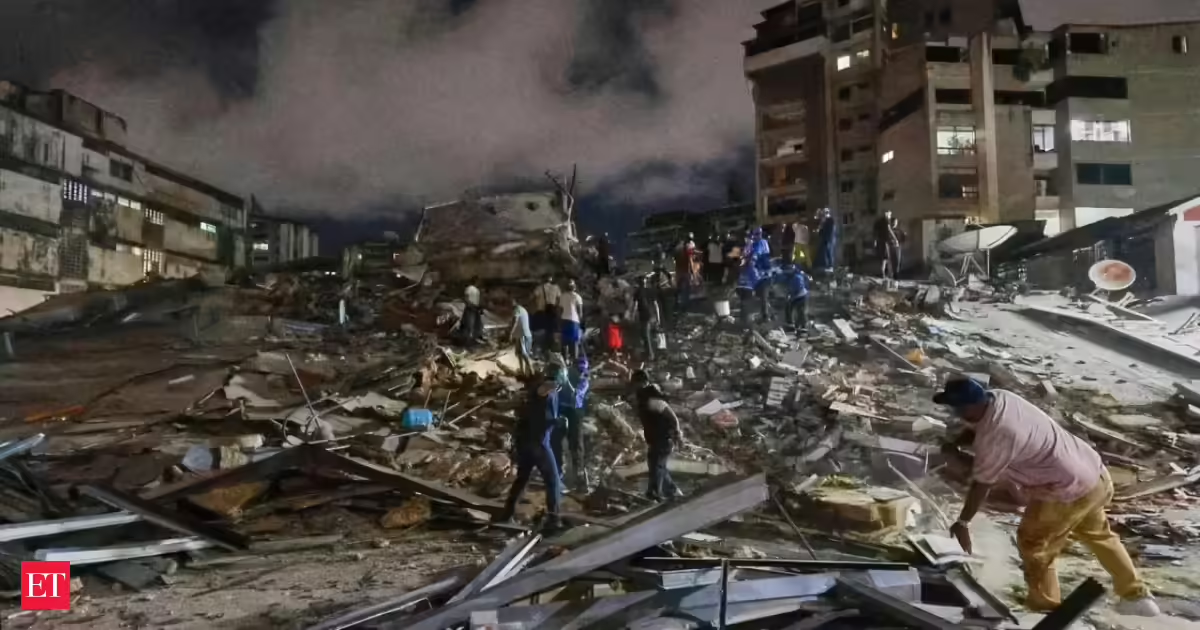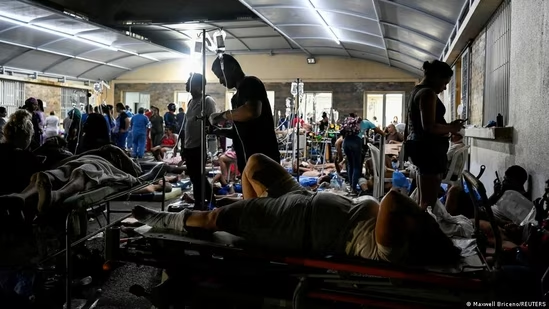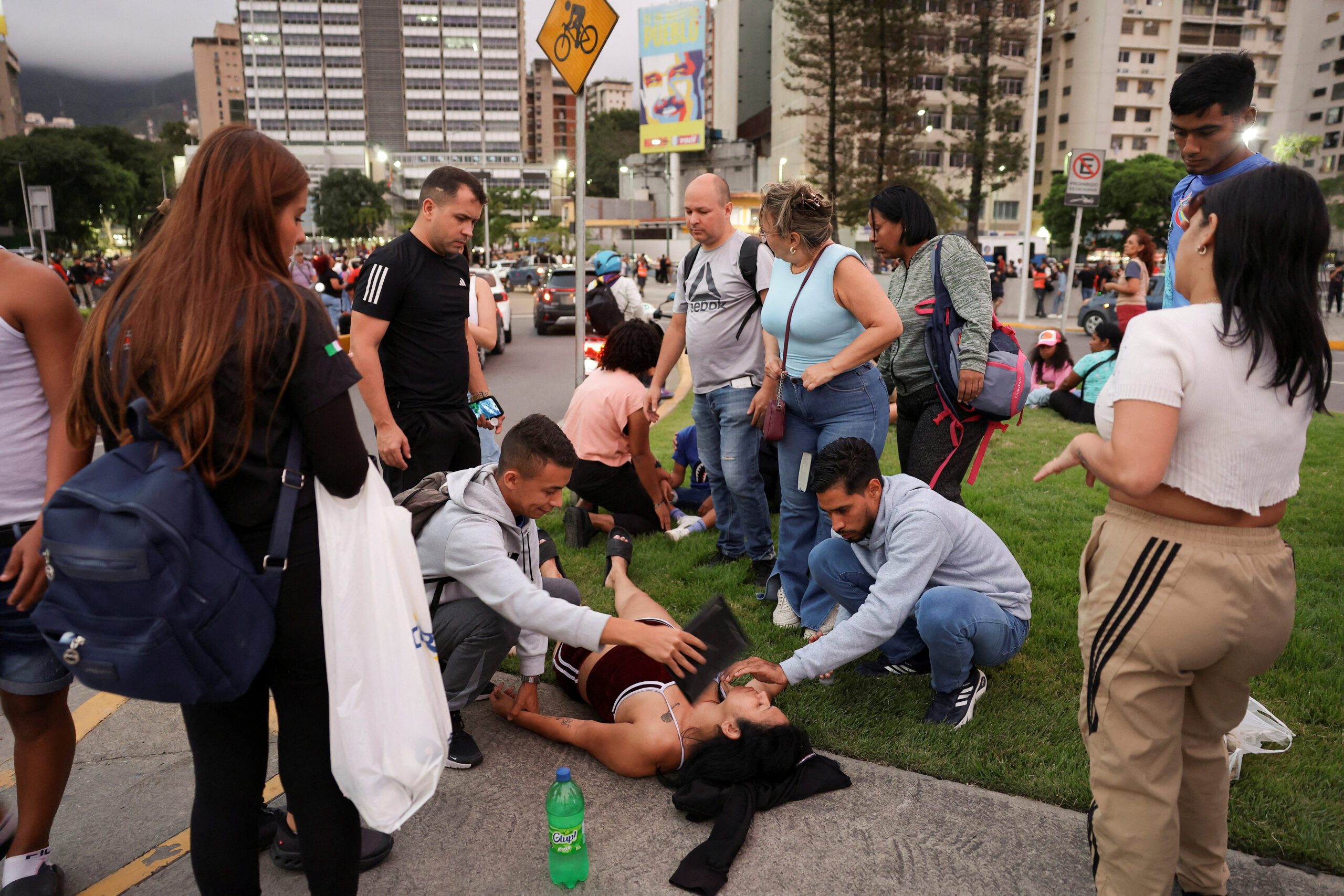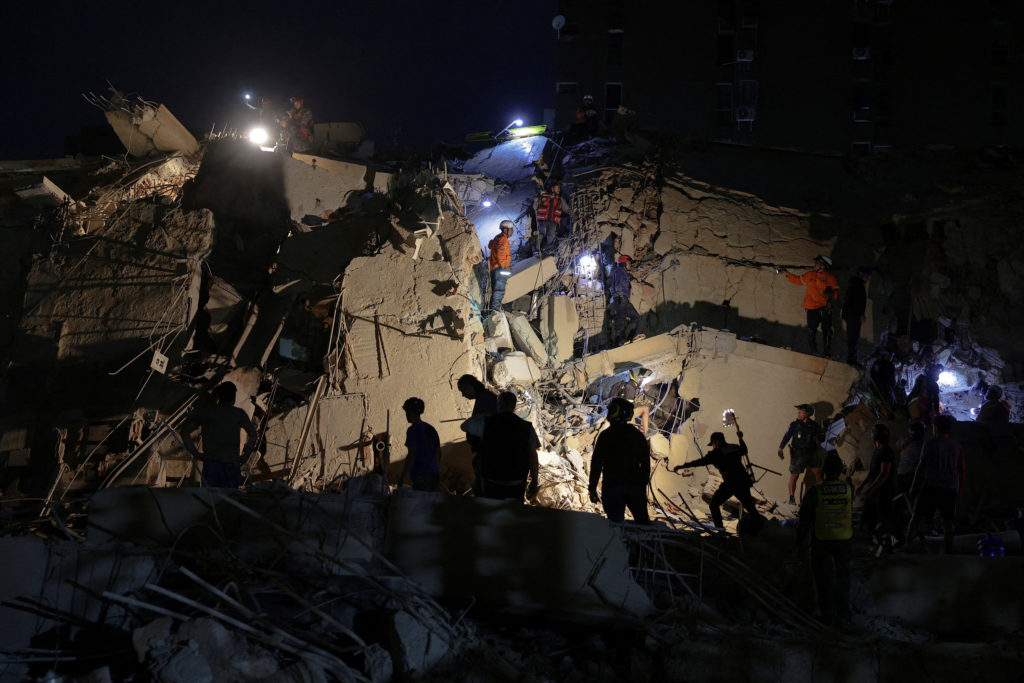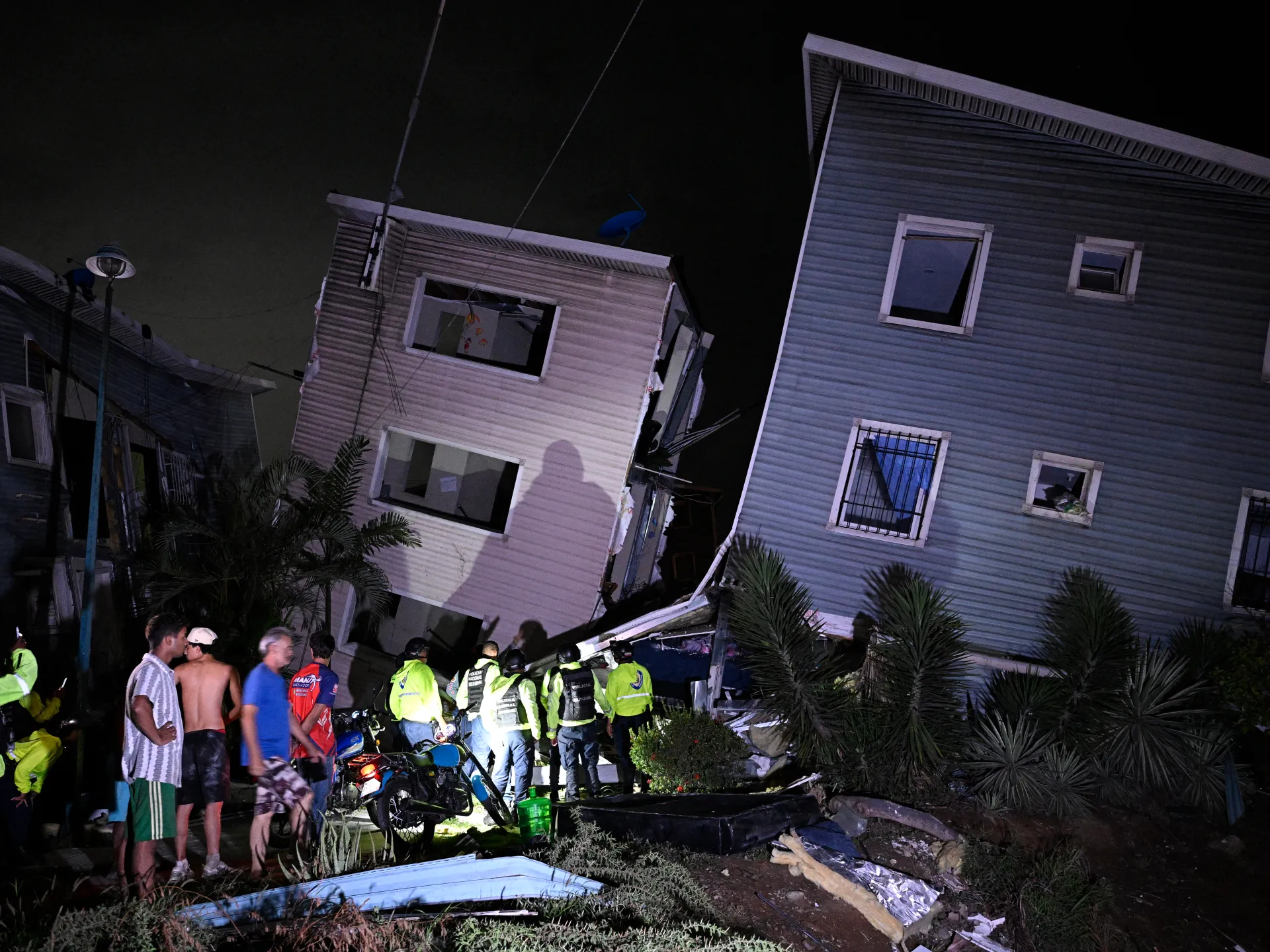
EXPLAINERVenezuela and Japan are both hit by strong quakes, but Venezuela faces higher risks due to weaker building standards.Two powerful earthquakes have hit Venezuela, killing at least 164 people and injuring 971 as dozens of buildings collapsed into piles of shattered concrete and steel in and around the capital, Caracas.The Central American region is particularly vulnerable to earthquakes because it lies along a highly active tectonic zone. Here is what we know:What happened in Venezuela?About 6:04pm (22:04 GMT) on Wednesday, a magnitude 7.2 earthquake hit about 160km (100 miles) west of Caracas, followed less than a minute later by a magnitude 7.5 quake, according to the United States Geological Survey (USGS).The Venezuelan government declared a state of emergency, and the USGS warned that the death toll could rise.Using predictive modelling to estimate the death toll, the USGS predicted deaths could reach into the thousands and said there is a substantial probability that they could exceed 10,000.Al Jazeera’s Teresa Bo reported from Bogota in neighbouring Colombia that the heaviest damage occurred in Caracas, particularly in the Altamira district, where emergency crews pulled survivors from the rubble of a 22-storey building while relatives searched for missing family members. Officials said they are still assessing the full extent of the destruction.The USGS has also warned of strong aftershocks in the coming days.(Al Jazeera)How vulnerable is Venezuela to earthquakes?The country has a long history of devastating earthquakes because it is located along the boundary between the Caribbean and South American tectonic plates.In 1812, a powerful earthquake roiled the cities of Merida and Caracas, killing about 30,000 people, according to the USGS.In 1967, another earthquake hit Caracas, causing several high-rise buildings to collapse and killing 240 people.The USGS said the larger of Wednesday’s earthquakes was caused by shallow strike-slip faulting near the Caribbean and South American plate boundaries. A strike-slip fault is when two blocks of rock slide past one another.This releases energy that travels through the ground as seismic waves – what we feel on the surface as shaking during an earthquake. Shallow earthquakes can be particularly devastating because their energy has less distance to travel before reaching people and buildings.Why is Central America so prone to earthquakes?The region, home to about 50 million people, is located at the junction of several tectonic plates. This includes a subduction zone where the Cocos Plate dives beneath the Caribbean Plate.A subduction zone is a boundary between two tectonic plates through which one plate can be pushed down beneath the other into the Earth.High numbers of people in Central America live in informal housing or in older, poorly constructed structures that are not designed to withstand strong shaking, making the region at high risk from quakes.What is Central America’s history of earthquakes?
Venezuela earthquakes: Why is Central America so vulnerable to tremors?
Venezuela and Japan are both hit by strong quakes, but Venezuela faces higher risks due to weaker building standards.
802 words~4 min read