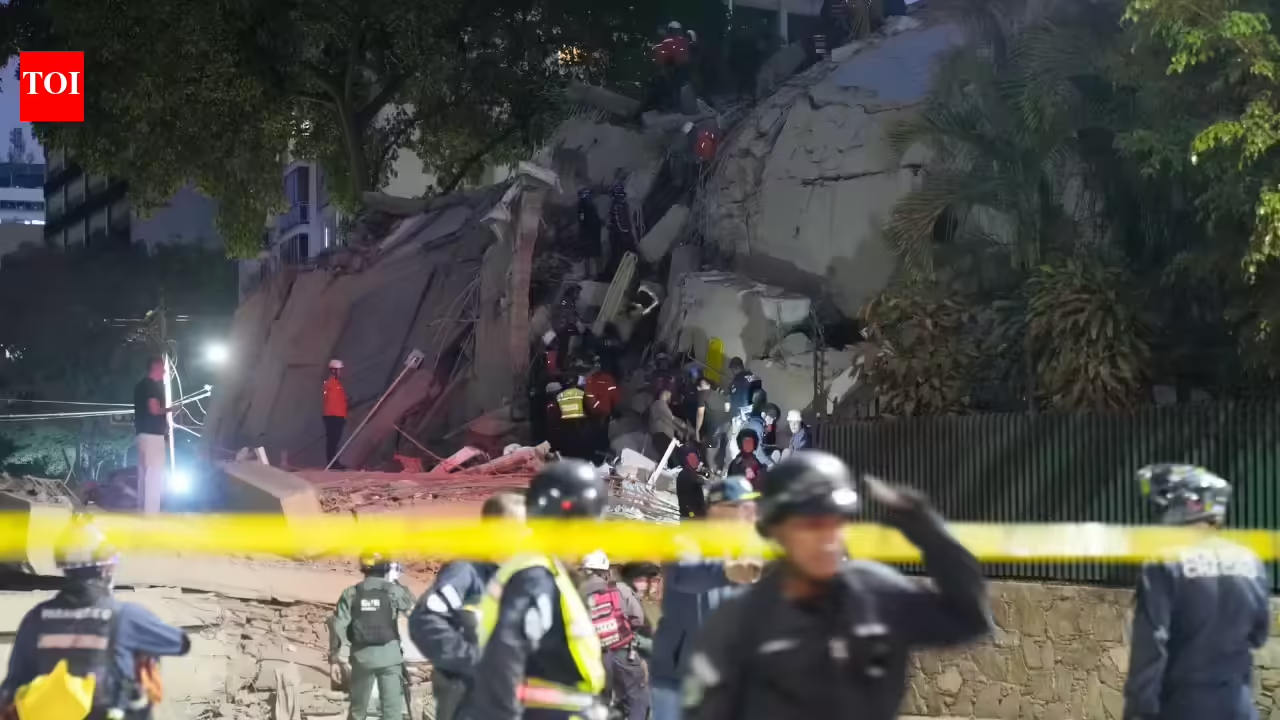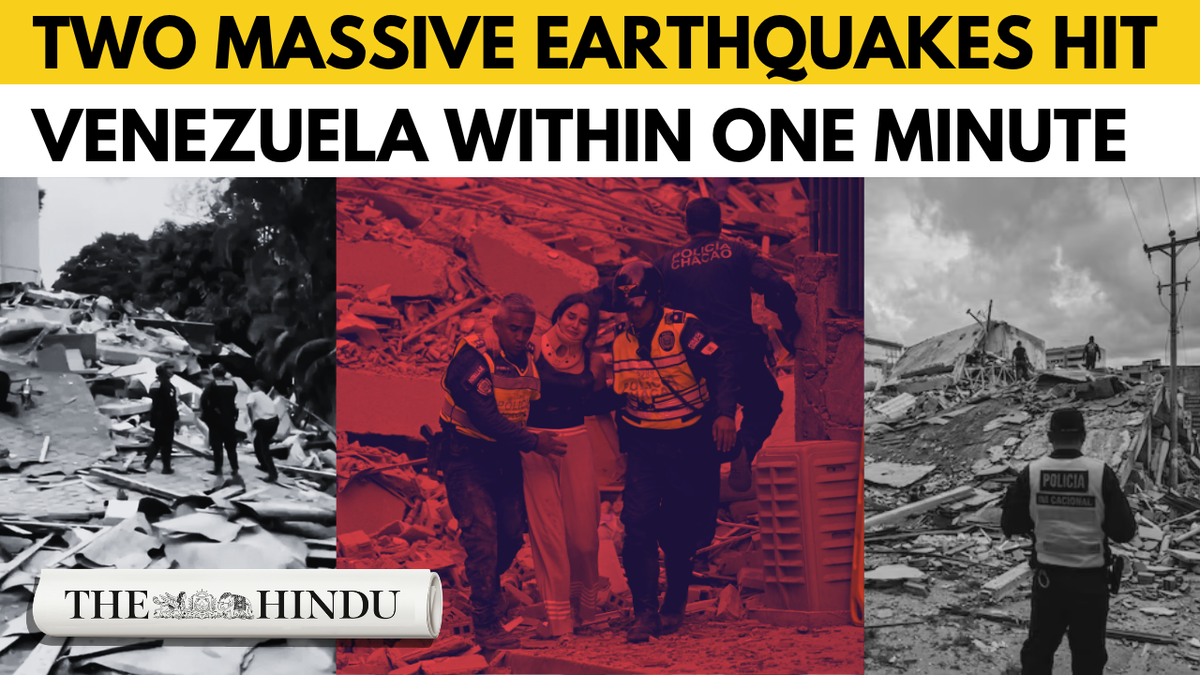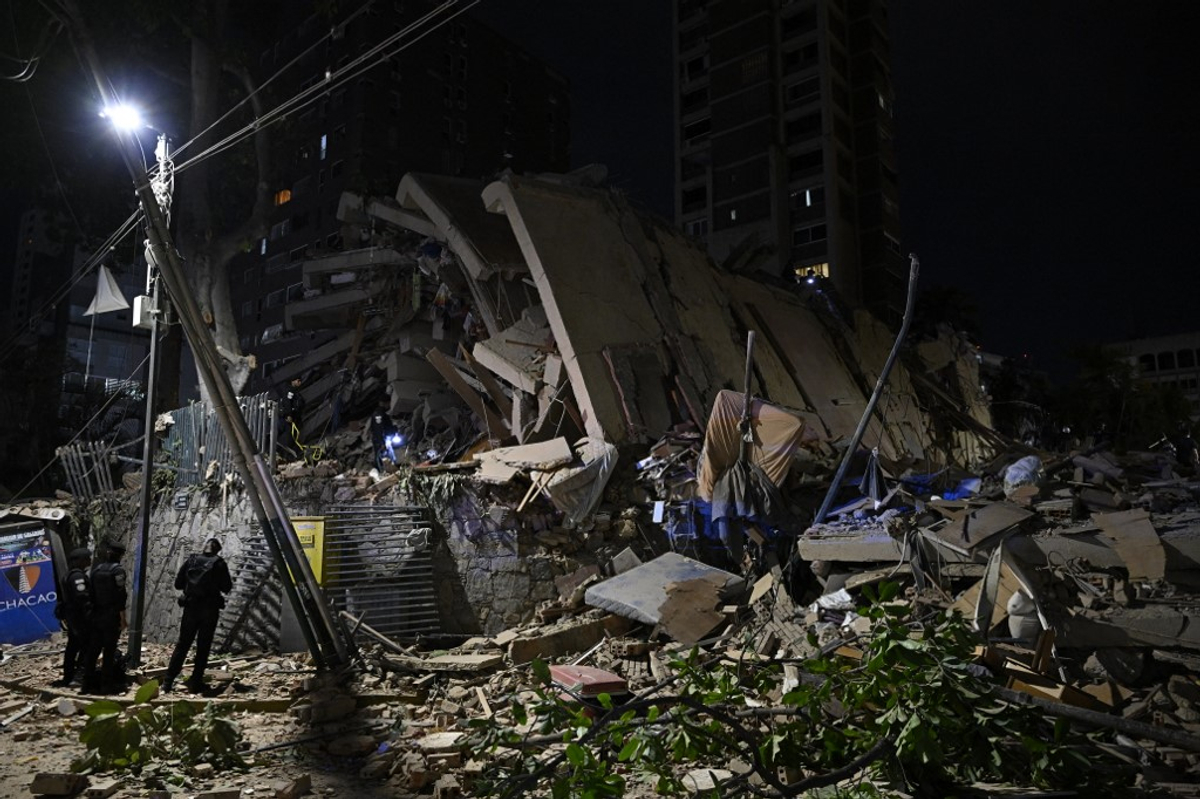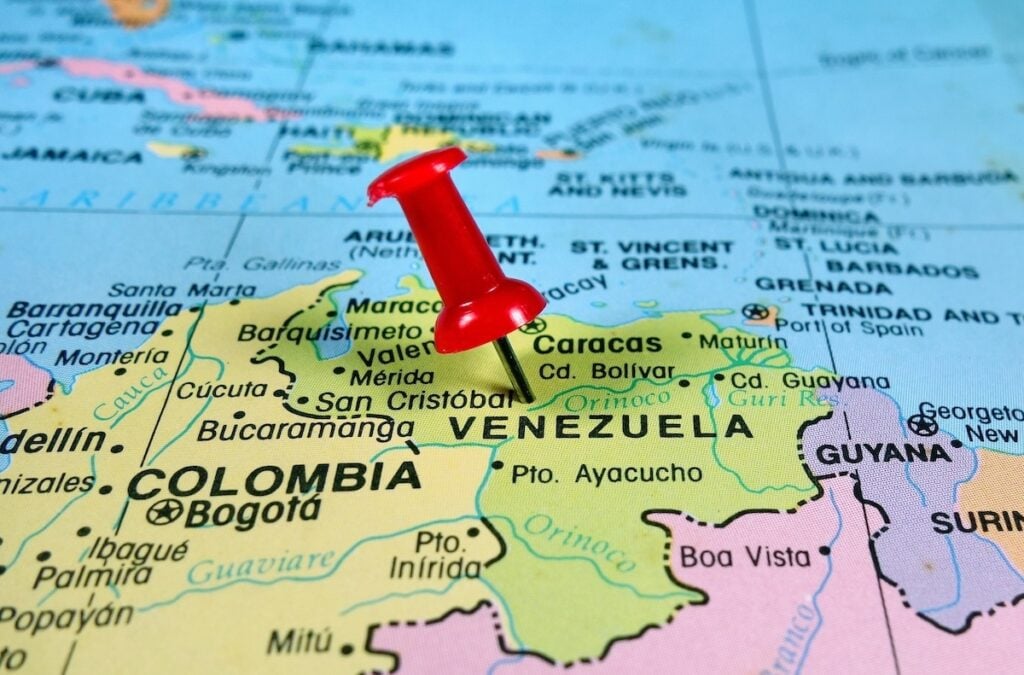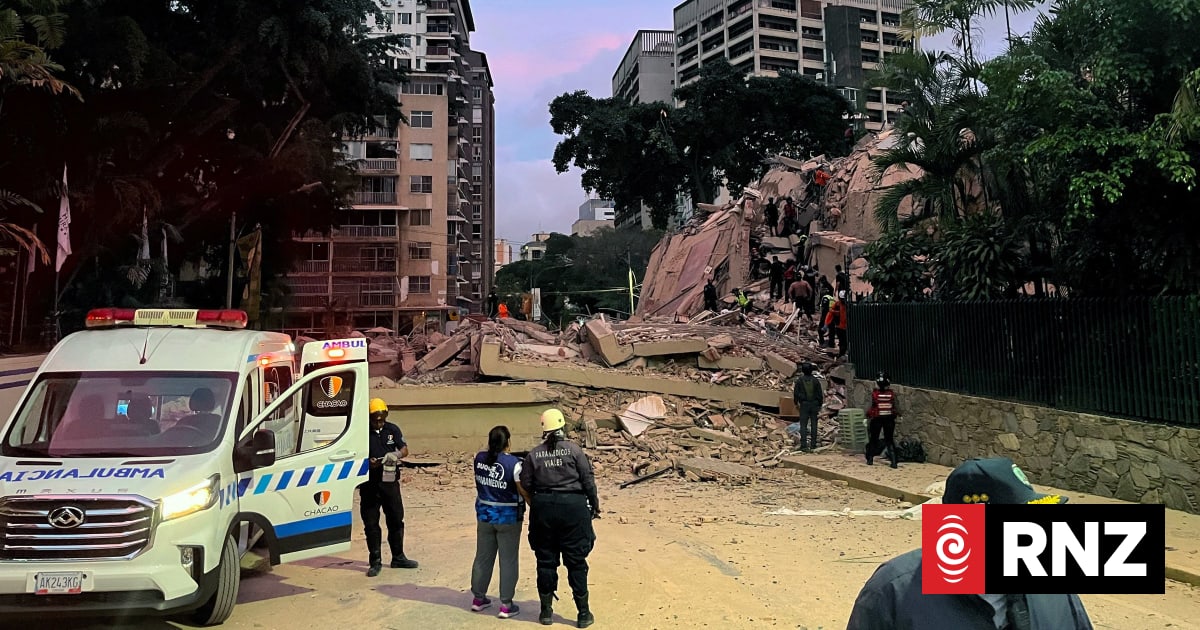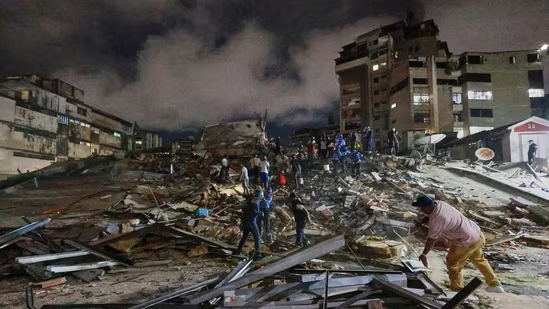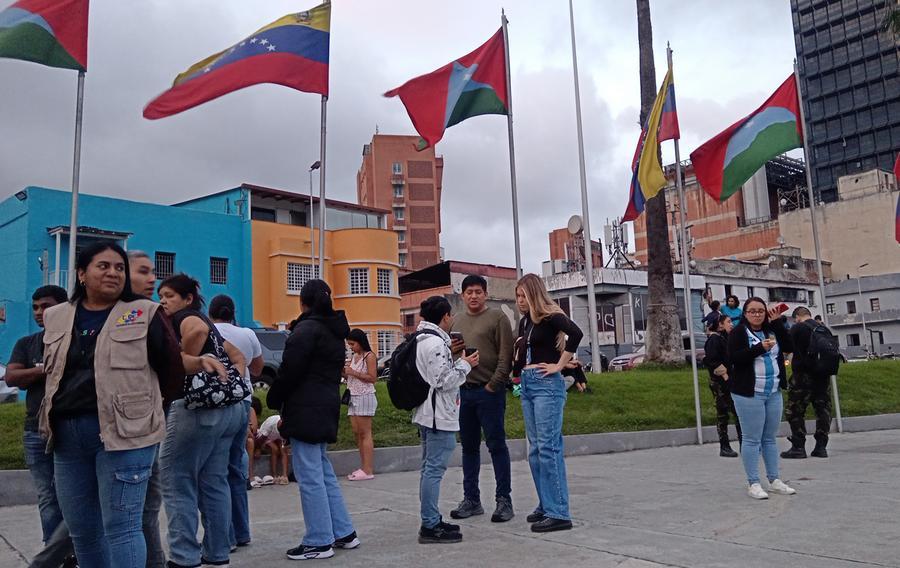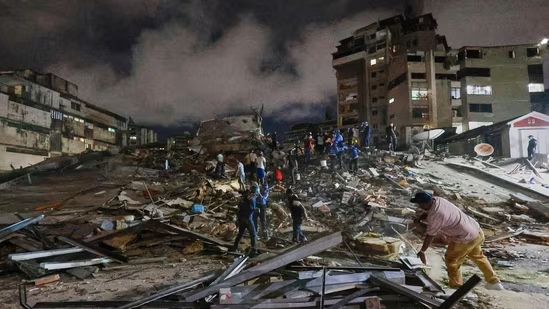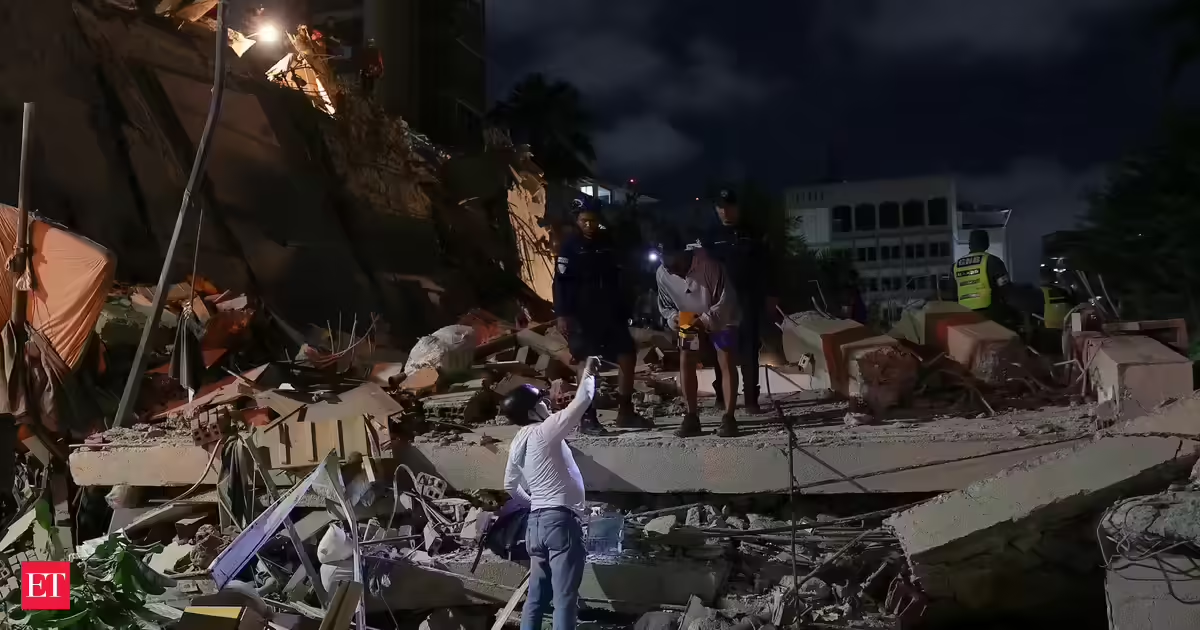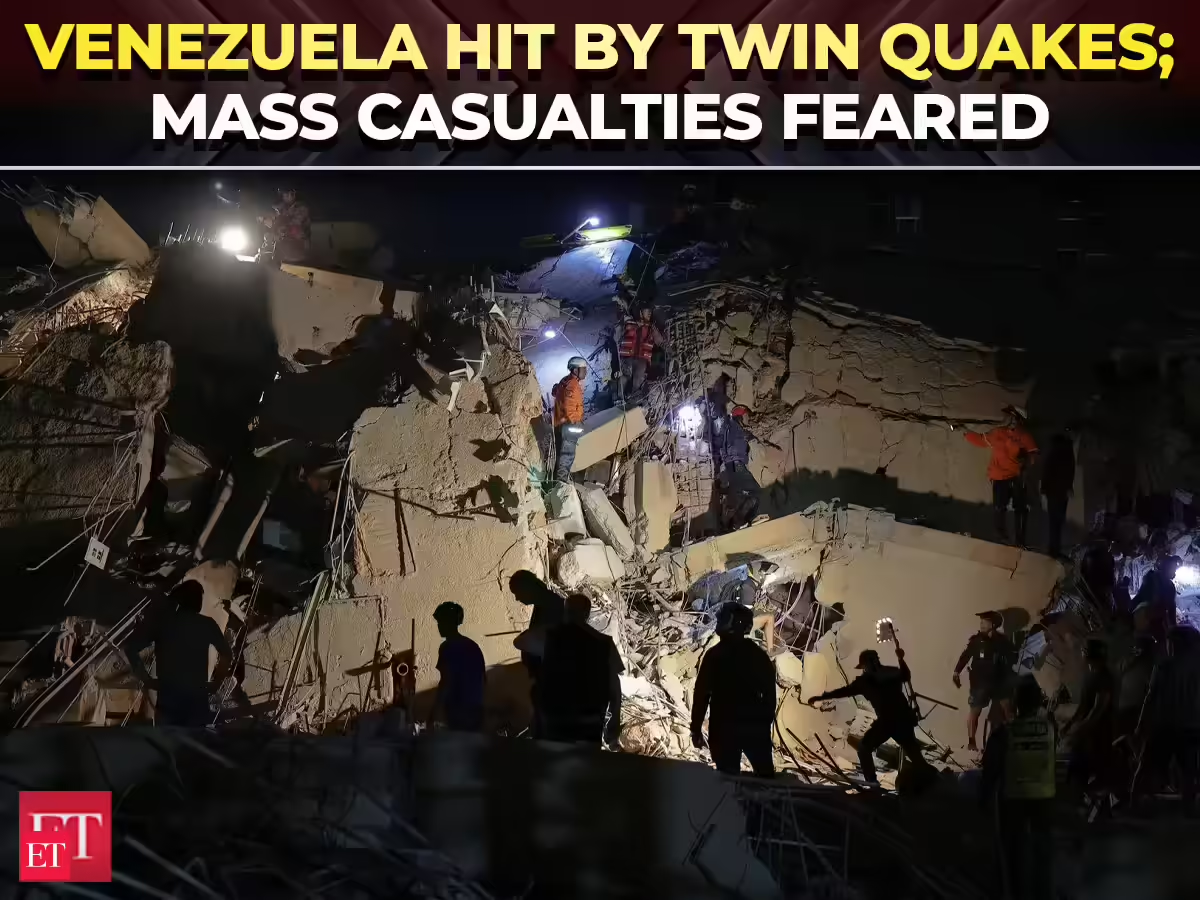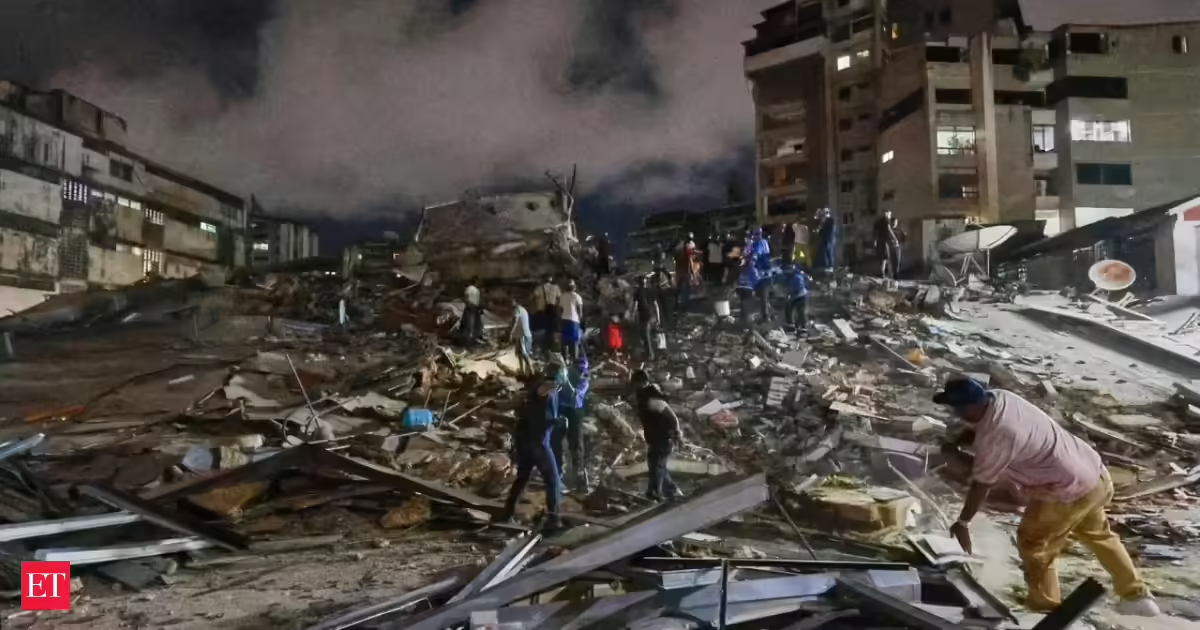
Panic swept across parts of Venezuela after two powerful earthquakes struck within just 39 seconds of each other, triggering building collapses, road damage and tsunami alerts across the Caribbean region. Videos circulating on social media captured dramatic scenes as the ground shook violently, forcing residents to flee homes, offices and public buildings. The tremors were felt across several Venezuelan states, including the capital Caracas, where emergency teams rushed to assess the damage.What Do the Viral Videos Show?Several videos shared online appear to show the scale of the destruction caused by the twin earthquakes. One clip shows deep cracks tearing through roads as the ground shifted beneath vehicles and pedestrians. Another video captures frightened passengers rushing out of an airport terminal as the building shook.— RapidReport2025 (@RapidReport2025) In Caracas, footage showed water cascading from a rooftop swimming pool atop a high-rise building as the earthquake sent waves sloshing over the edges.— MarioNawfal (@MarioNawfal) Other videos revealed damaged structures with cracked walls, shattered facades and debris scattered across streets. Residents could be seen running out of buildings and gathering in open spaces amid fears of aftershocks.Two Massive Earthquakes Strike Within SecondsAccording to the United States Geological Survey (USGS), the first earthquake measured magnitude 7.2 and struck near San Felipe, approximately 284 kilometres west of Caracas.— Breaking911 (@Breaking911) Just 39 seconds later, a stronger magnitude 7.5 earthquake hit near Yumare, around 293 kilometres west of the Venezuelan capital.The USGS said the epicentre was located west of the coastal community of Moron on Venezuela's Caribbean coast. The first earthquake occurred at a depth of about 13 kilometres, while the second tremor was reported at a depth of roughly 10 kilometres.Buildings Damaged as Residents Rush OutdoorsThe earthquakes caused widespread panic in Caracas and other affected areas. People evacuated swaying buildings as authorities warned of possible aftershocks. Images from the capital showed collapsed walls exposing furniture inside homes and businesses.Dust clouds were seen rising from several neighbourhoods where restaurants and commercial establishments were operating when the earthquakes struck.Authorities urged residents to remain in open areas while structural assessments continued.Interior Minister Warns of AftershocksVenezuelan Interior Minister Diosdado Cabello confirmed that the tremors were felt across multiple regions of the country.He said the Altamira area of Caracas had experienced particularly serious incidents involving damaged buildings and collapsed homes.Cabello urged residents not to return immediately to affected structures, warning that aftershocks could cause additional damage.Tsunami Alerts Issued Across the CaribbeanFollowing the earthquakes, tsunami alerts and advisories were issued for several Caribbean territories. The US Tsunami Warning System warned of possible tsunami threats for Venezuela, Aruba and Bonaire.Meanwhile, advisories were also issued for Puerto Rico and the British Virgin Islands. The US Pacific Tsunami Warning Center monitored the situation closely as authorities assessed the potential risk along coastlines.USGS Warns of Potentially Widespread DamageThe USGS described the earthquakes as highly significant events with the potential to cause major destruction.The agency initially warned that high casualties and extensive damage were possible, stating that the disaster could affect a large area depending on the extent of structural failures and local conditions.Emergency response teams were deployed to assess the impact and assist affected communities.Among Venezuela's Strongest Earthquakes in More Than a CenturyBased on available seismic records, the twin earthquakes rank among the strongest to strike Venezuela in more than 100 years.The unusual sequence of two major earthquakes occurring within less than a minute has drawn attention from seismologists and disaster management agencies worldwide.As authorities continue damage assessments, residents remain on alert for aftershocks while emergency services work to determine the full scale of the disaster.Inputs from TOI
Watch: Venezuela rocked by 2 deadly earthquakes within 39 seconds. Roads crack open, buildings shake & residents run in fear
Earthquake in Venezuela: Venezuela was jolted by two powerful earthquakes, a 7.2 magnitude followed by a 7.5 magnitude just 39 seconds later, causing building collapses and road damage. Viral videos show panicked residents fleeing structures and streets cracking open. Tsunami alerts were issued across the Caribbean. These tremors are among the strongest to hit the nation in over a century, prompting widespread emergency response.
593 words~3 min read