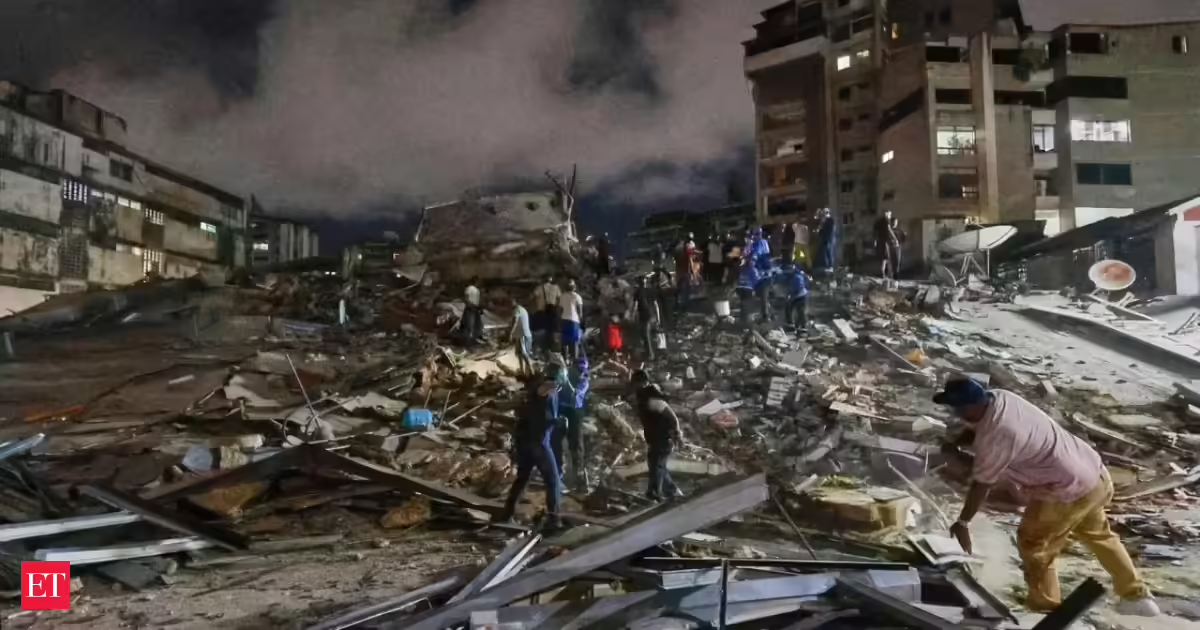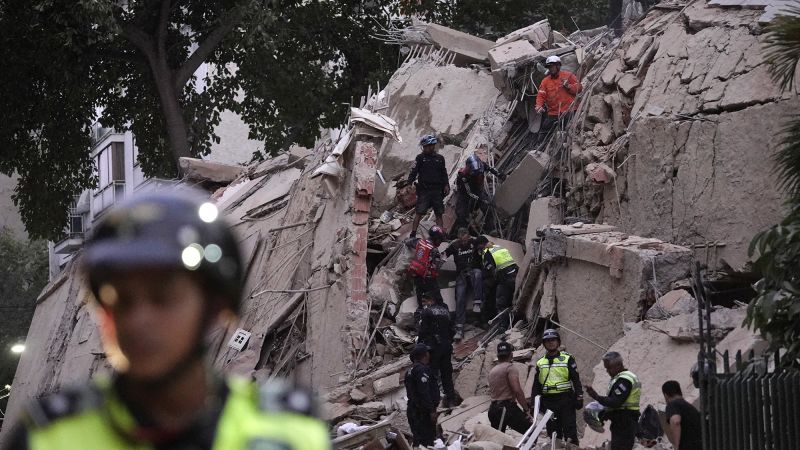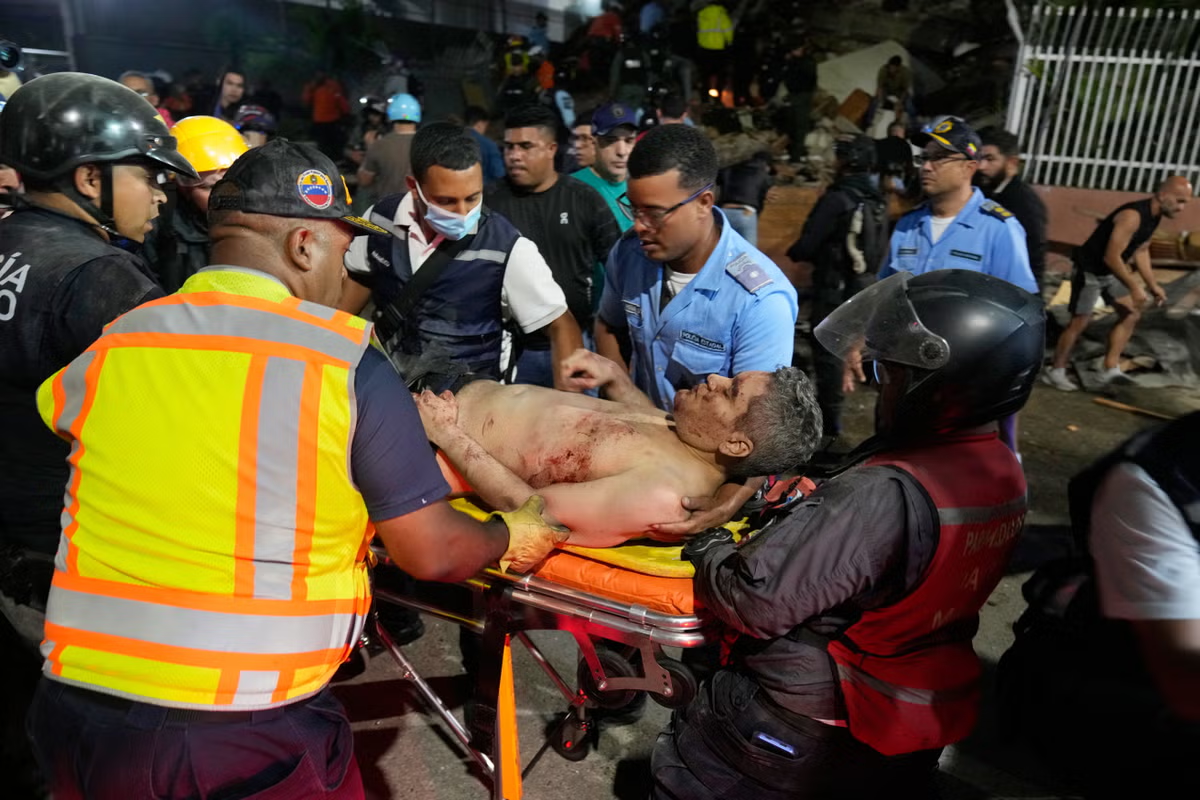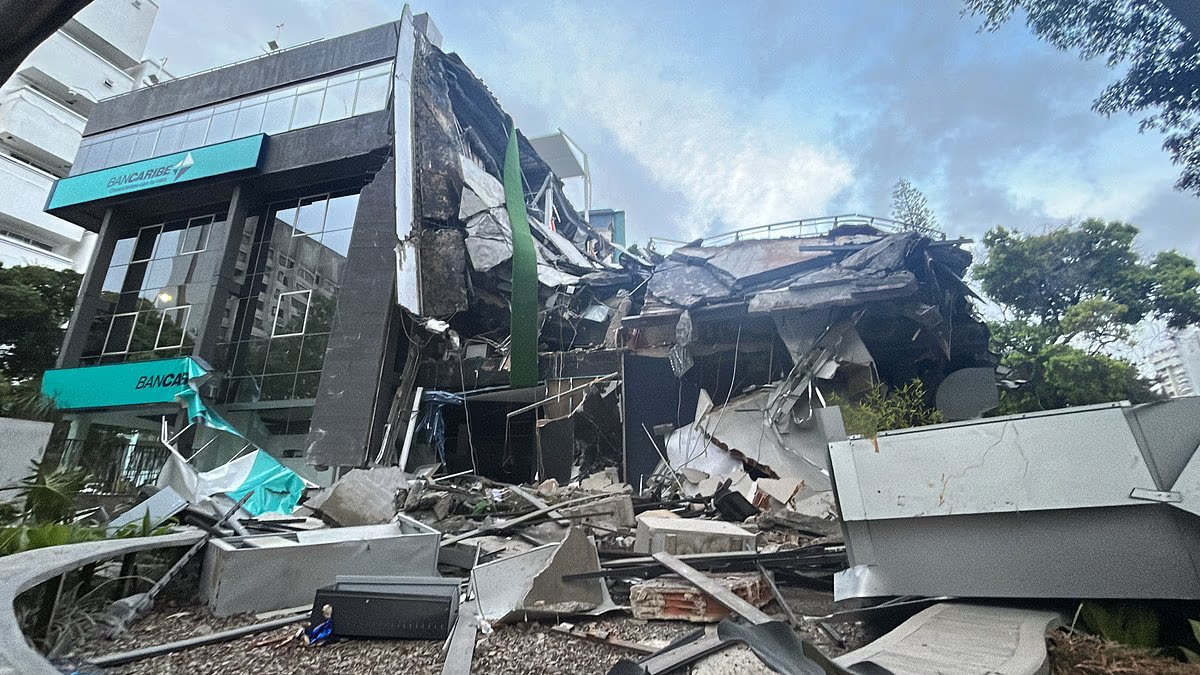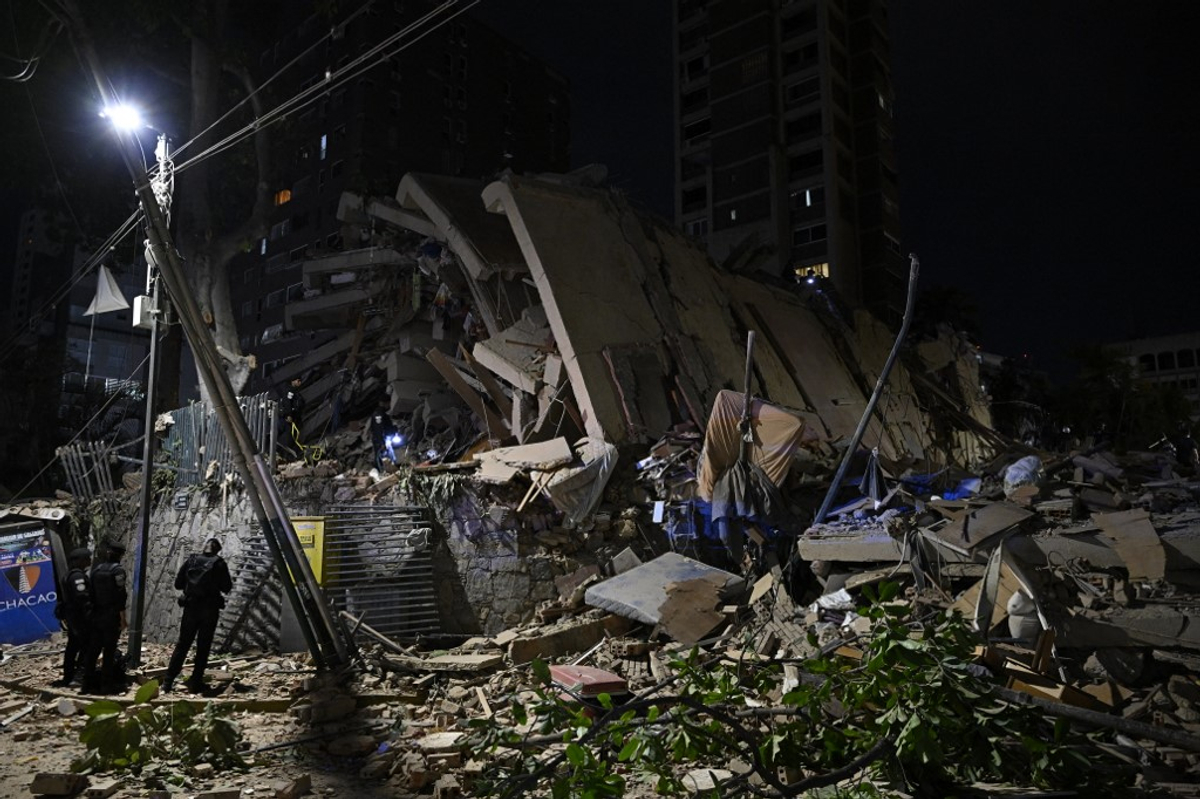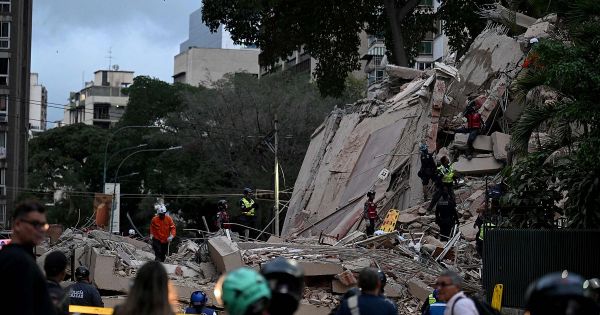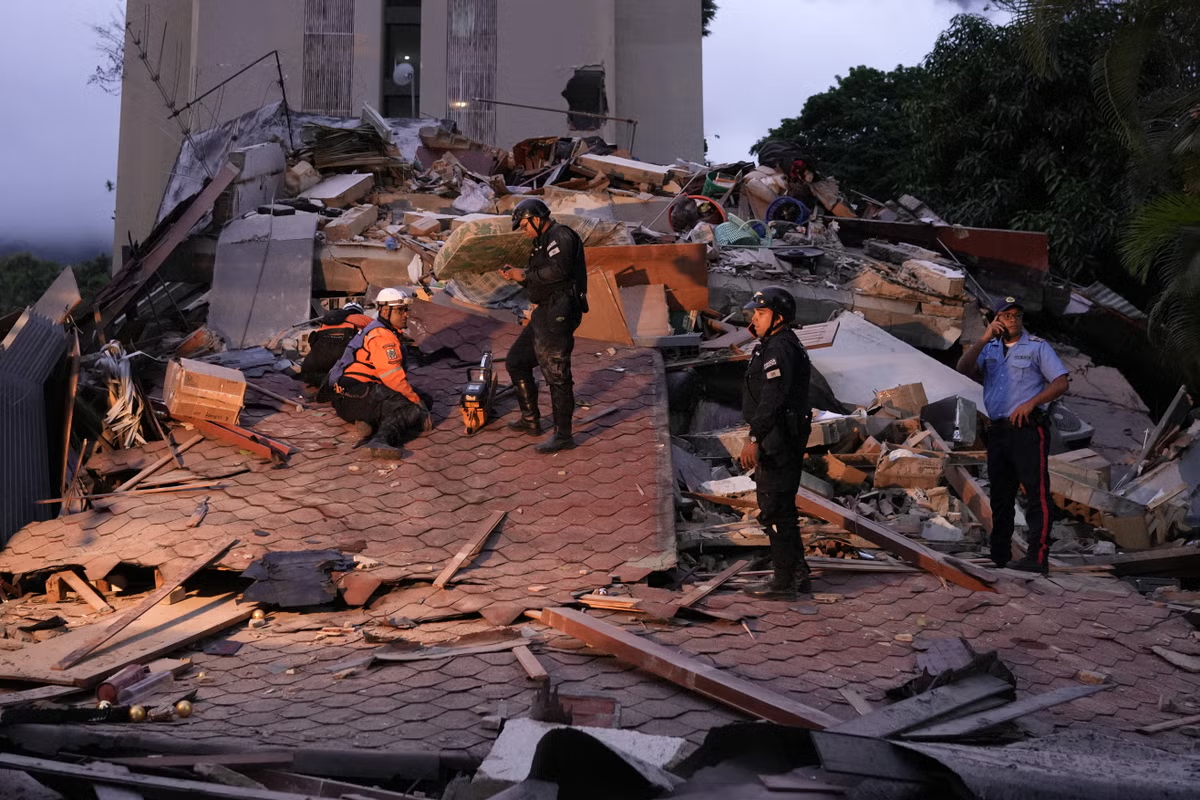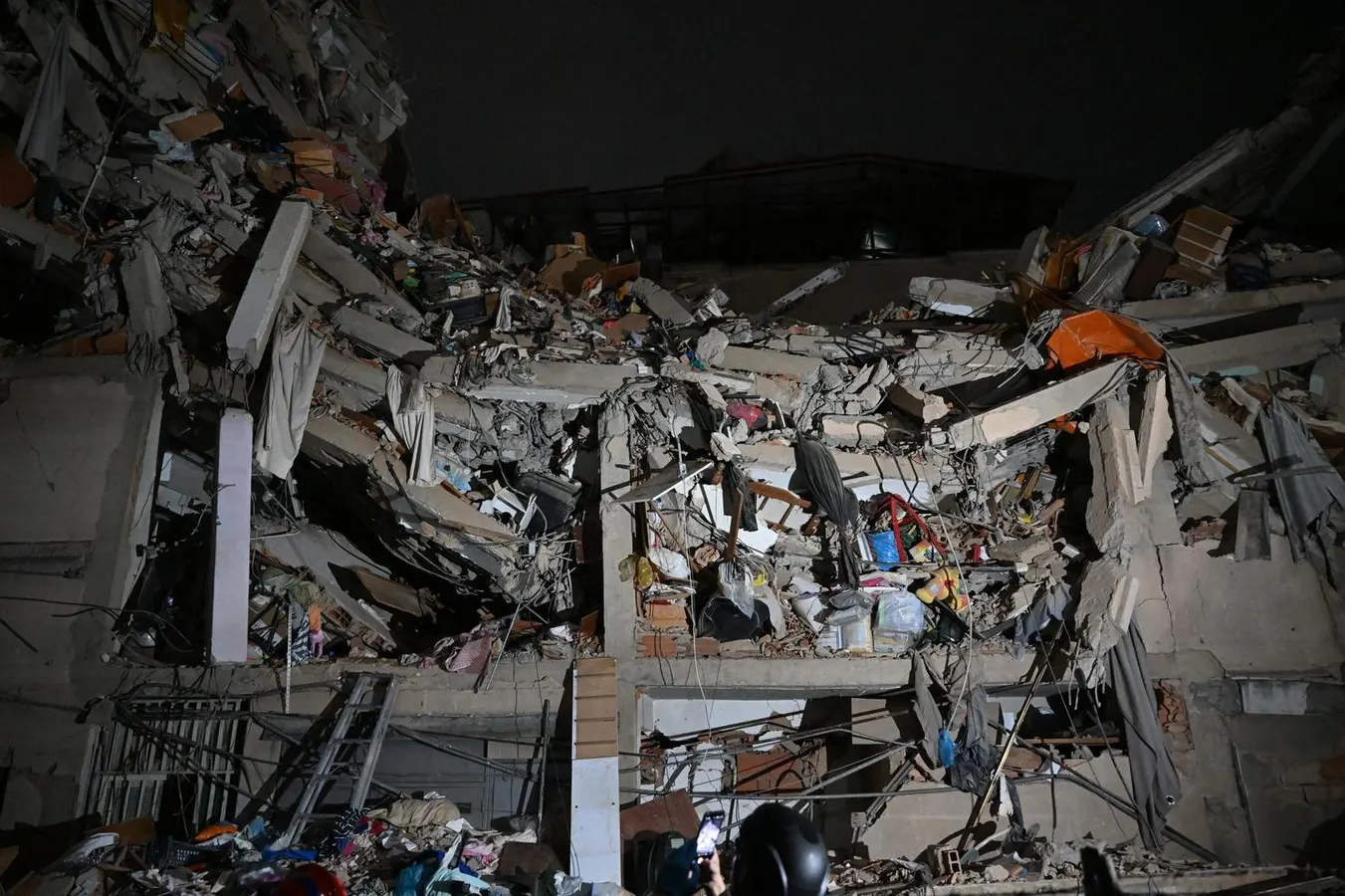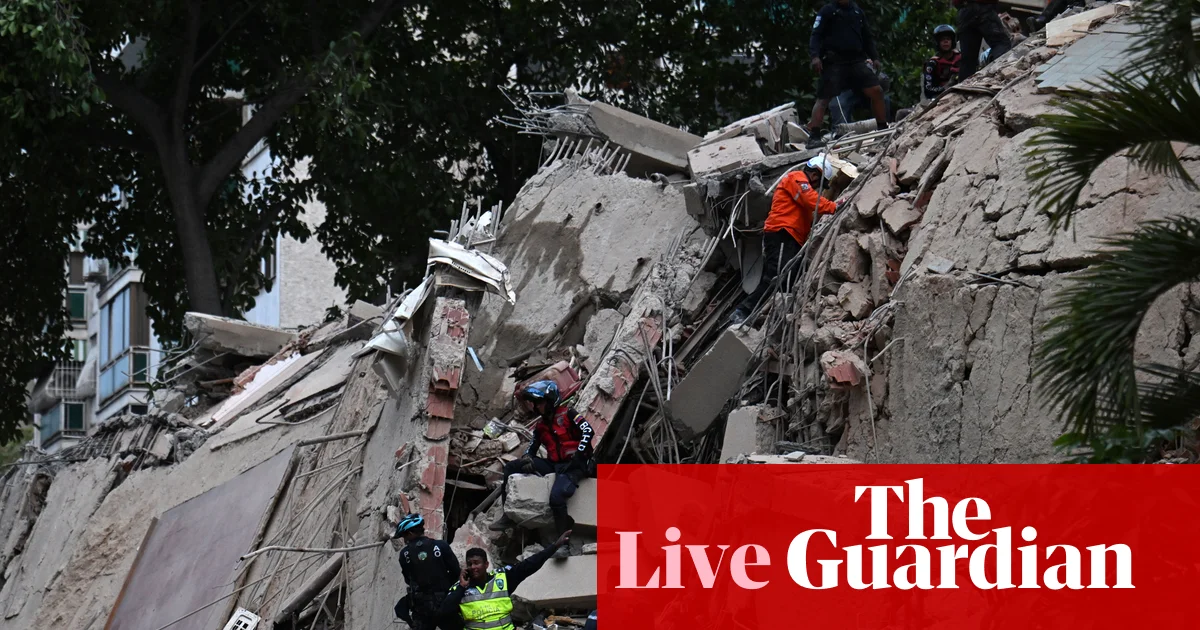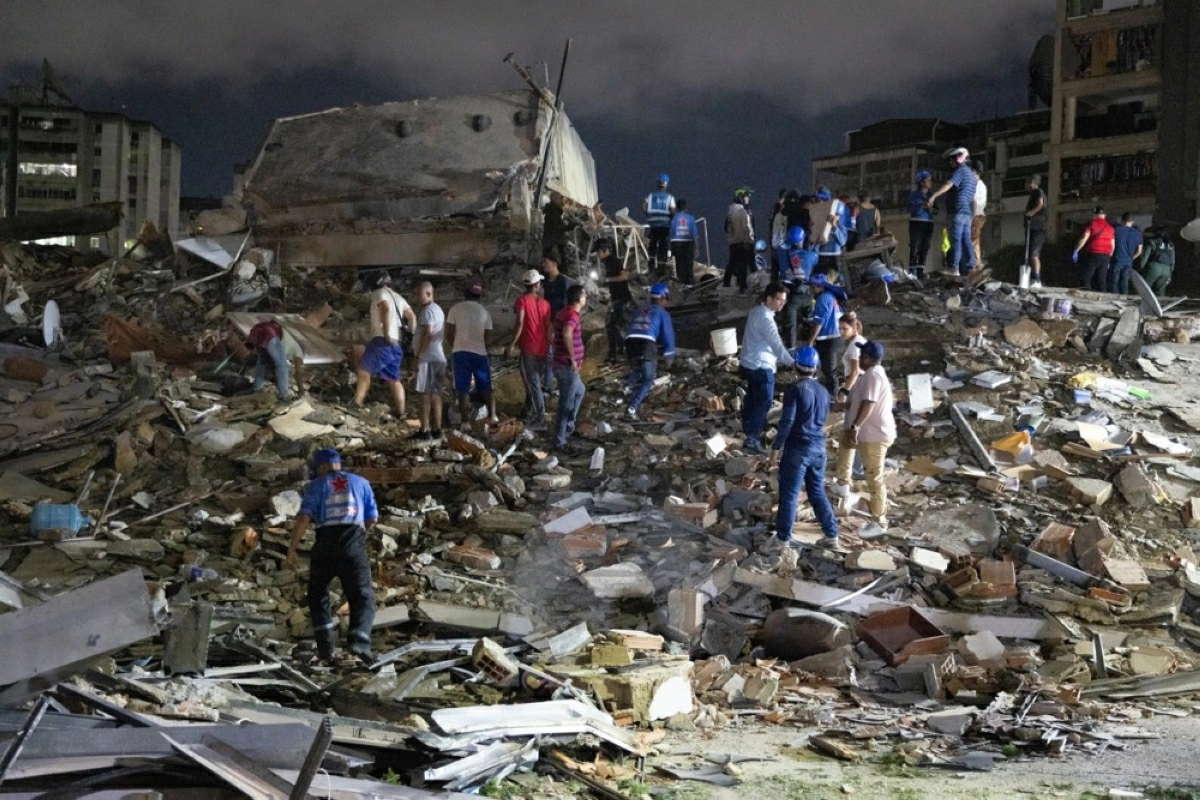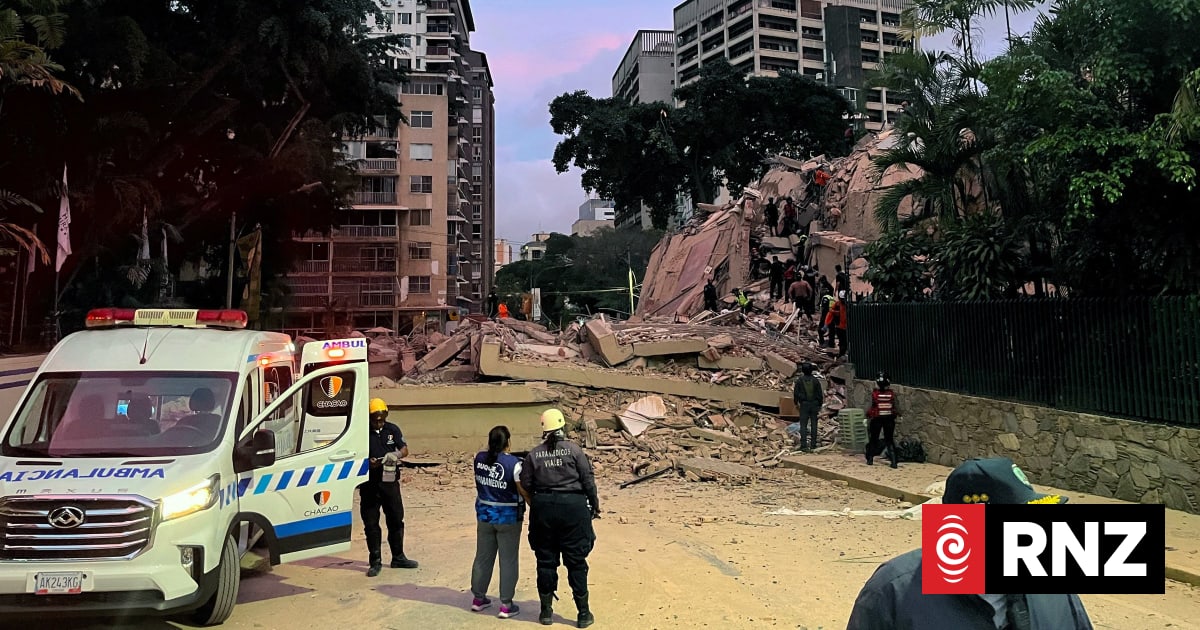
By Jessie Yeung, Michael Rios and Taylor Ward, CNNVenezuela's northern coast was hit by two powerful earthquakes within a minute of each other on Wednesday (local time), collapsing buildings and sending residents fleeing onto the street.The US Geological Survey (USGS) warned that the successive quakes could cause thousands of casualties and widespread damage, though the extent of their impact is not yet clear, as emergency responders and security forces deploy nationwide.This comes at a dire time for Venezuela, which is still deep in political and financial crisis - being led by an interim government after US forces captured President Nicolás Maduro earlier this year, and facing an economy crippled by years of hyperinflation.Here's what we know so far.What happened?A magnitude 7.2 foreshock took place near San Felipe, the capital city of Yaracuy state, just after 6.04pm.Just 40 seconds later, it was followed by a larger 7.5 magnitude quake, some 23 kilometres southeast of Yumare - a town also in Yaracuy state, where some of the country's largest oil refineries are located.Wednesday was a public holiday, celebrating St. John the Baptist as well as commemorating the country's independence from Spain - meaning many people may have been home or at public events.The quake was strong enough to be felt in states across the country - as well as in neighbouring Colombia, hundreds of kilometres away.In the capital Caracas, about 300km from the quake's epicentre, at least three buildings partially collapsed in the wealthy eastern neighbourhoods near Altamira Square.Two earthquakes struck near the northern coast of Venezuela.Reuters via CNN NewsourceMultiple videos geolocated by CNN show extensive damage to buildings and infrastructure across Venezuela, including in Caracas and the coastal town of Catia La Mar, where several collapsed buildings can be seen on a hillside.Terrified residents were seen evacuating buildings with their loved ones and pets before gathering in the street.There is no ongoing tsunami threat, according to the US Tsunami Warning Centers, which cancelled its previous tsunami warning for Puerto Rico, the Virgin Islands, and coasts within 300km of the epicentre.What's the damage so far?A police officer in the Chacao municipality of Caracas warned that it's too soon to release any number of deaths or injured.But the USGS issued two separate red alerts through its PAGER system for the back-to-back quakes - indicating how serious the disaster may be. Historically, the USGS only issues such alerts once or twice a year."Red alert for shaking-related fatalities and economic losses. High casualties and extensive damage are probable and the disaster is likely widespread. Past red alerts have required a national or international response," said the USGS alert.Most people in the region live in structures vulnerable to the quake's shaking, it added.What's the response?Security forces have been deployed across Venezuela to respond to emergencies given the risk of "many structures" collapsing, according to the Ministry of Communication and Information.The government has also authorised the shut-off of direct gas supplies to certain buildings "as a preventative measure" while authorities assess damaged structures, the ministry said.In Chacao, more than 500 personnel are working to rescue residents, with gas shut off and many areas now without power, according to the municipality's mayor.Venezuela's acting President Delcy Rodríguez, who stepped into the role after Maduro's capture, will address the nation on Wednesday night.- CNN
Venezuela was just rocked by back-to-back earthquakes. Here’s what we know
Venezuela's northern coast was hit by two powerful earthquakes within a minute of each other on Wednesday (local time), collapsing buildings and sending residents fleeing onto the street.
544 words~2 min read