by Zhao Weiwei, Hefei Institutes of Physical Science, Chinese Academy of Sciences
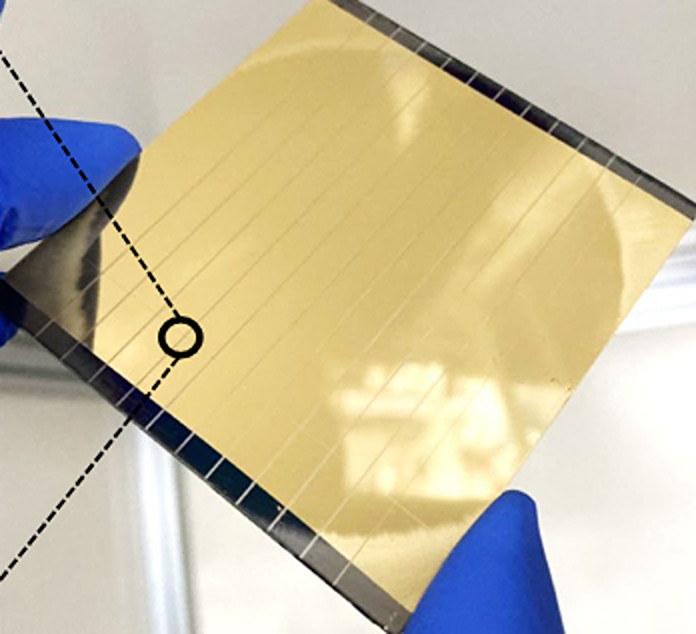
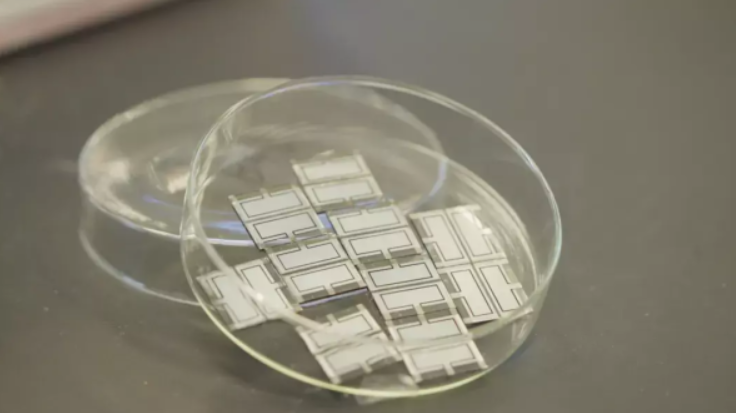
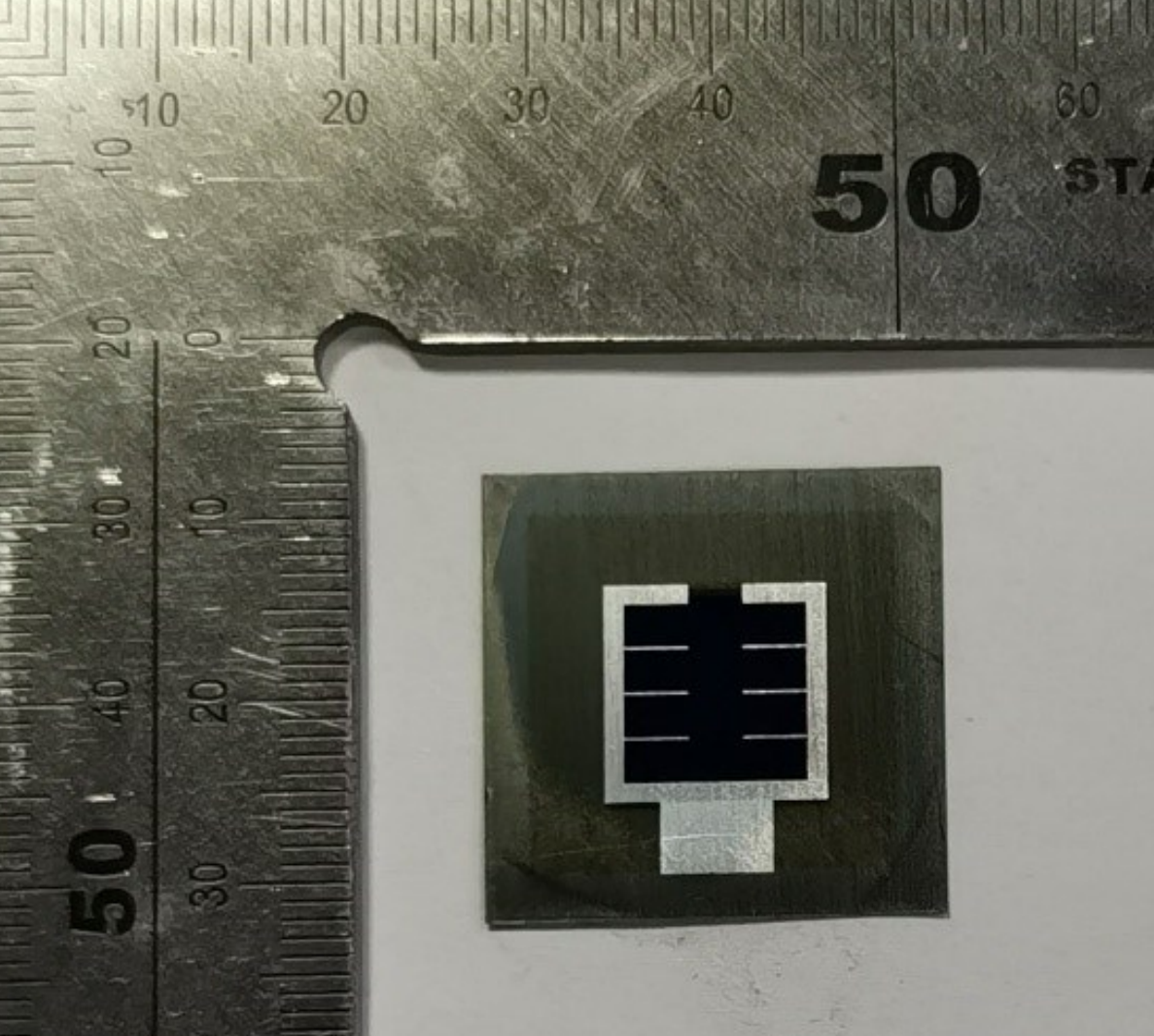
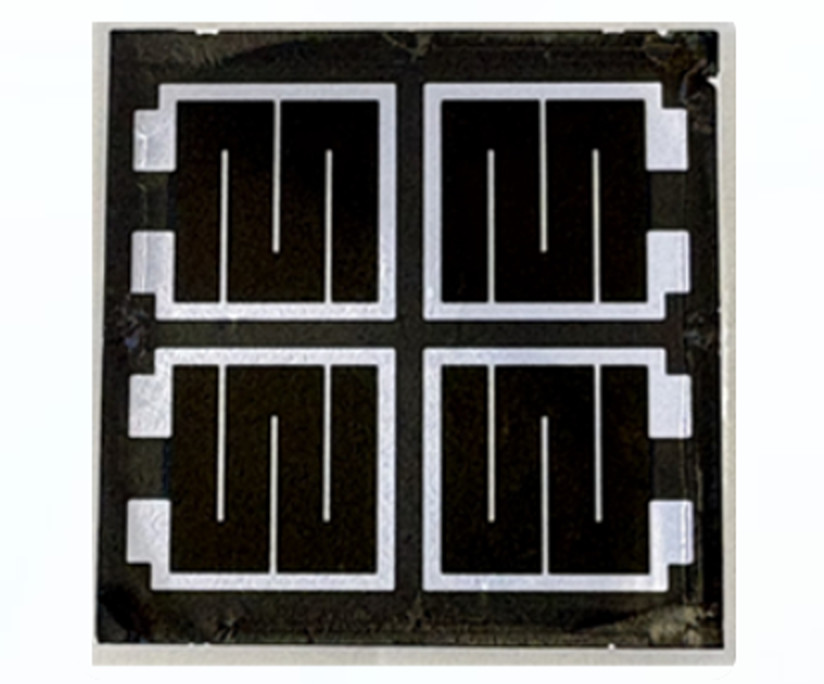
CuInS2 thin-film solar cell fabricated by low-temperature solution-processing strategy delivers new records of efficiency and open-circuit voltage. Credit: Zheng Chaofan
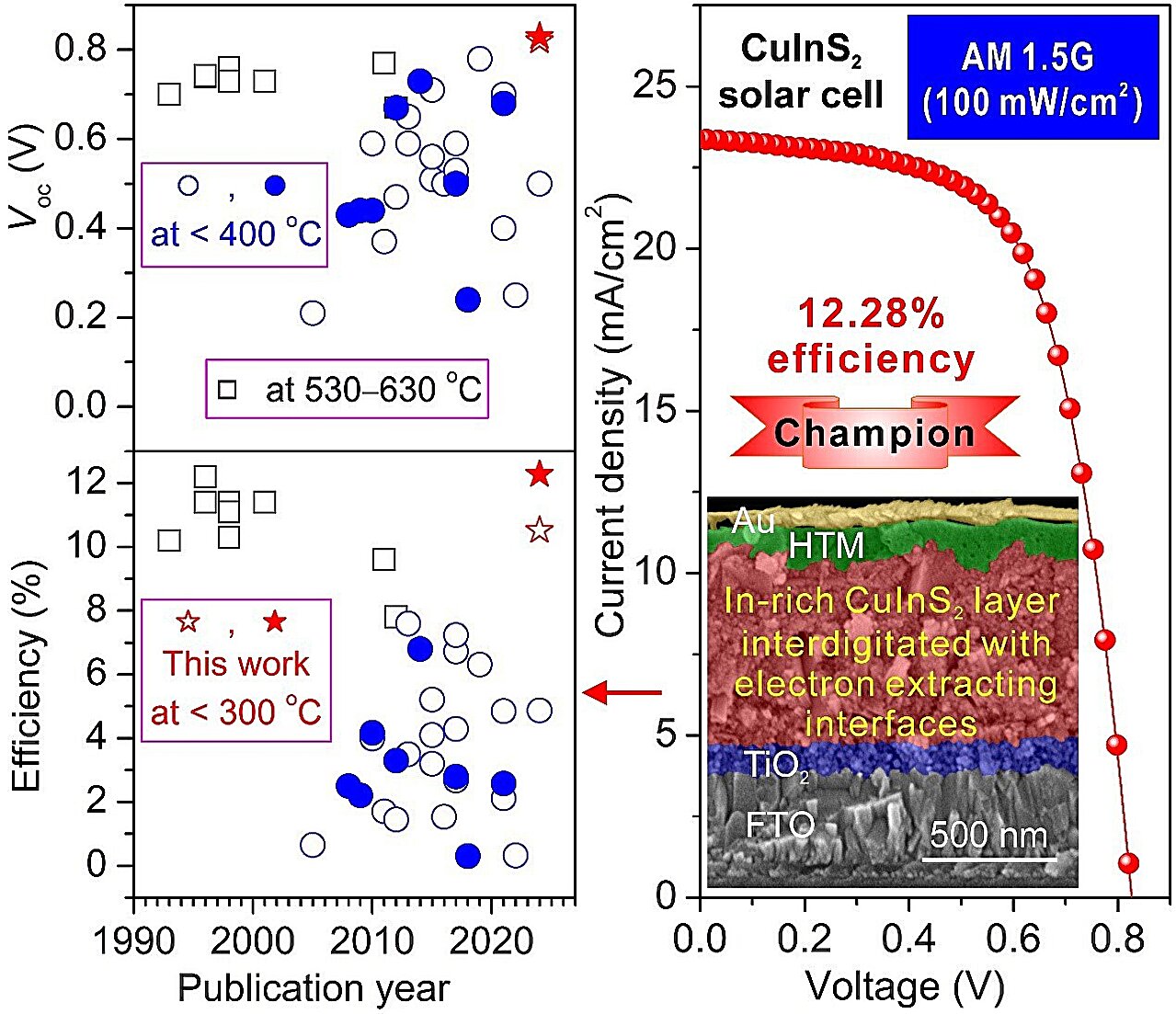
The research team of Professor Wang Mingtai at the Institute of Solid State Physics, Hefei Institutes of Physical Science, Chinese Academy of Sciences, developed a low-temperature solution-processing strategy for fabricating CuInS2 thin-film solar cells and achieved a CuInS2 solar cell with an efficiency of up to 12.28%. Their findings were published in Joule.
Photovoltaic energy is a promising source of renewable and sustainable power, but developing solar cells that are efficient, stable and low-cost remains a major challenge. Chalcogenide materials, such as CuInS2, are attractive candidates because of their high light absorption, suitable band gaps and good stability. However, their development has stalled for nearly three decades after high-temperature-processed devices achieved 12.2% efficiency in 1996.
In this study, the team developed a low-temperature solution-processing strategy that combines two key technological innovations.