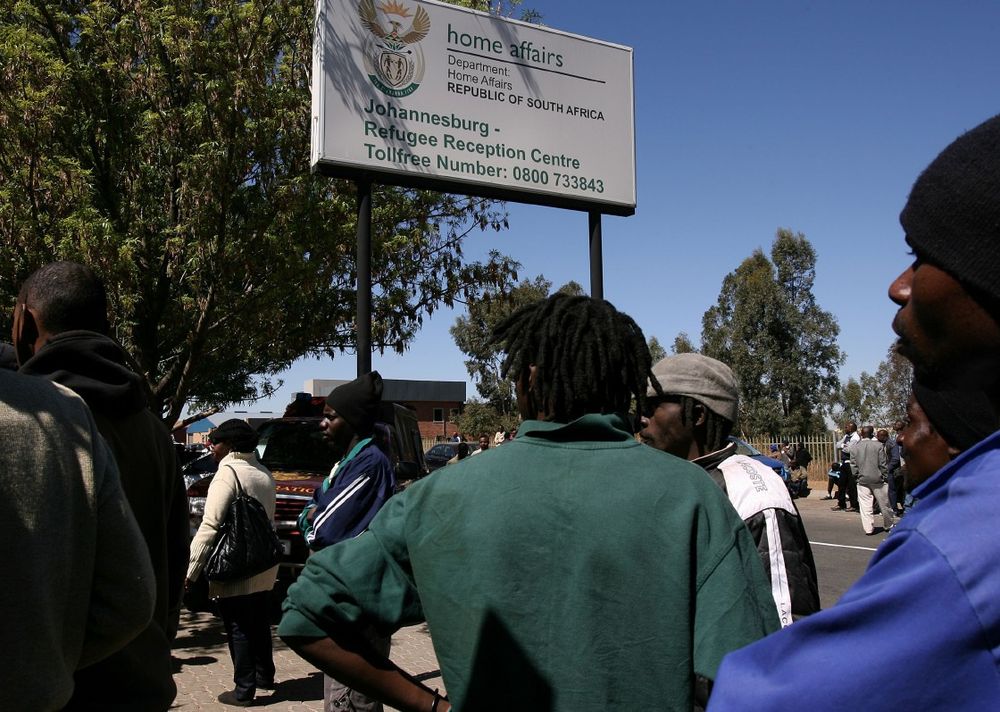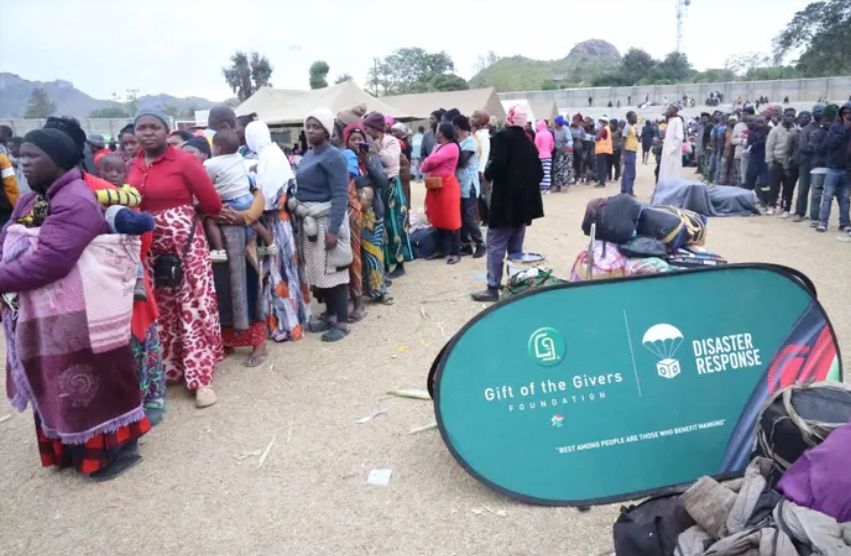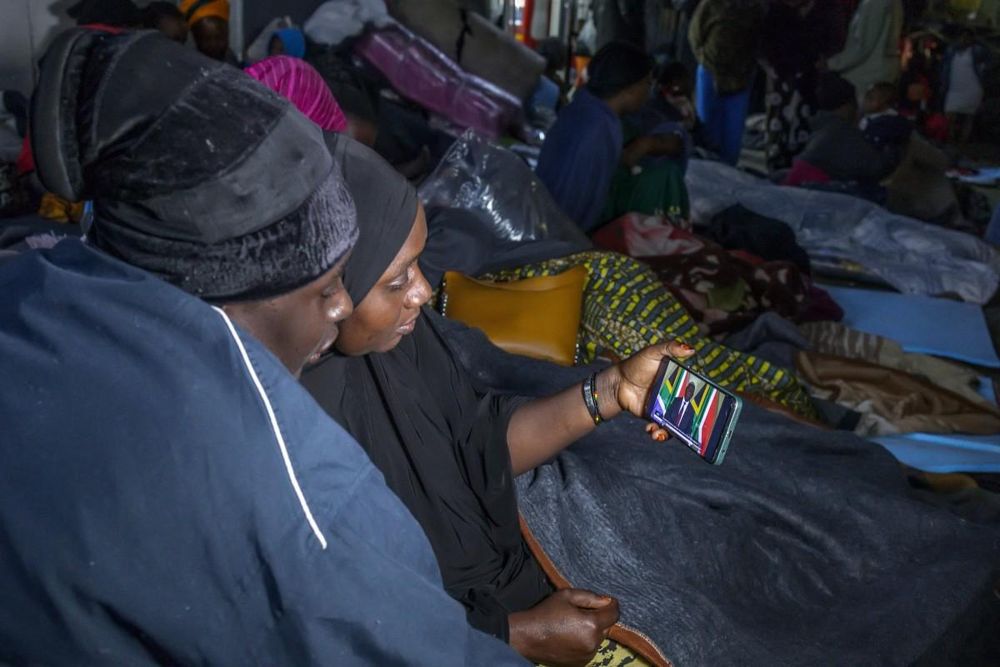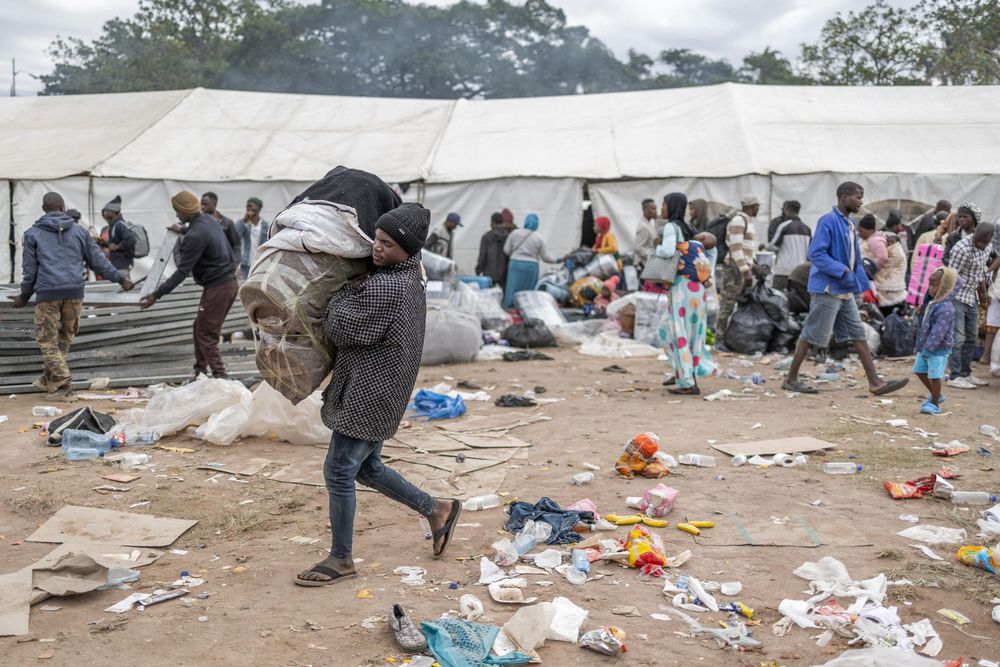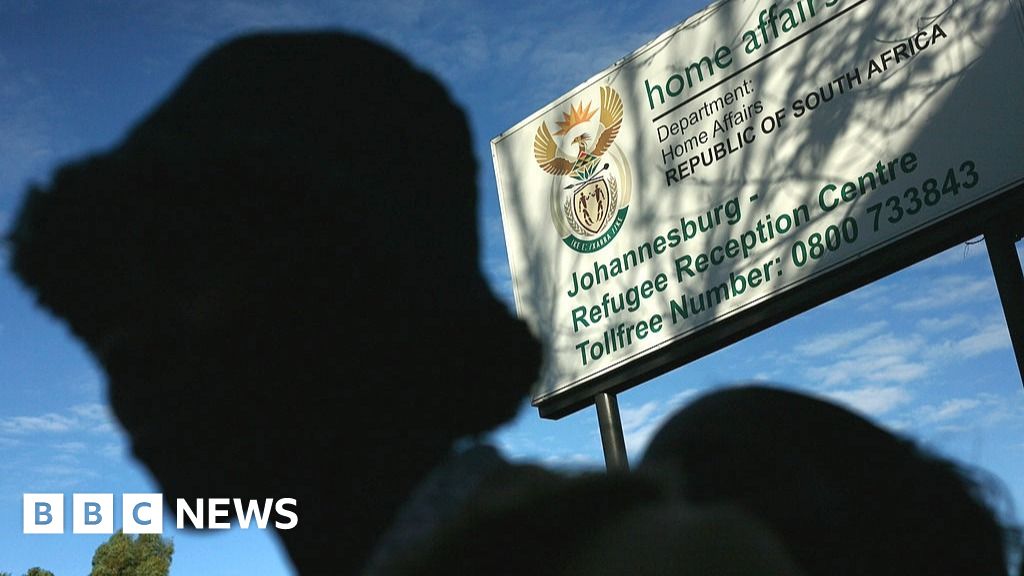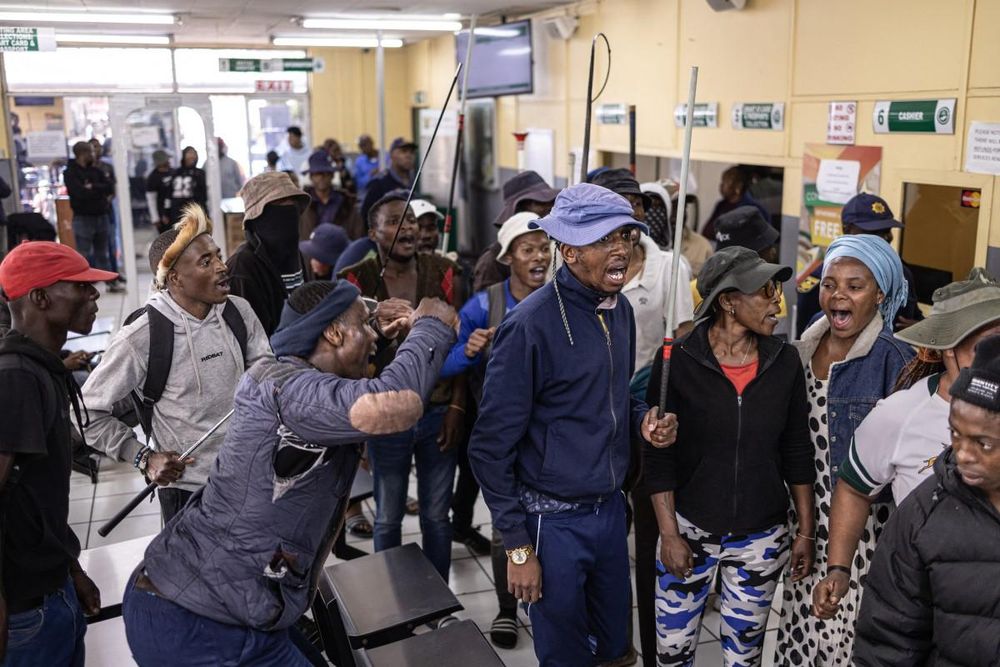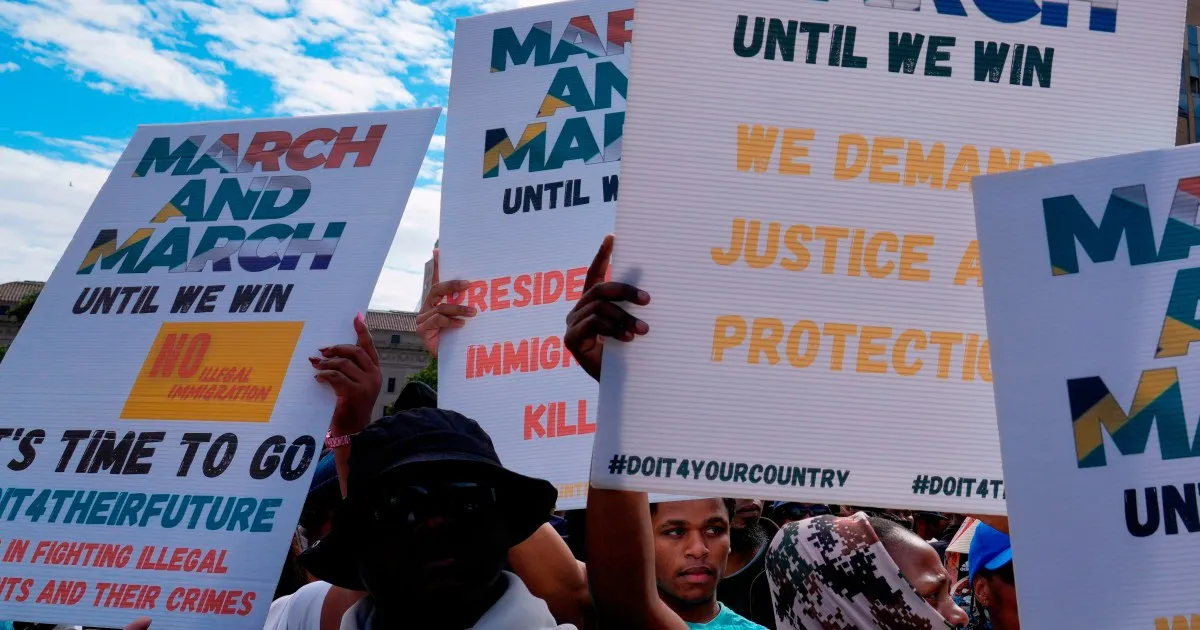
South Africa does not have an asylum crisis. It has an accountability crisis, it is one dressed up in the language of migration management for so long that few people bother to question the framing anymore.
The numbers from the Department of Home Affairs this week are staggering: 55,190 recognised refugees, 82,348 active asylum seeker cases, and a Refugee Appeals Authority sitting on a backlog of nearly 71,000 active appeals. However, the figure that should stop every South African cold is buried in parliamentary testimony from last month: over 90,000 asylum appellants simply cannot be found. "We don't know the whereabouts of them," RAA chairperson Zilpha Raphesu told Parliament. Not lost in the system, lost entirely.
This is not a system under pressure. This is a system that has collapsed and chosen to call it complexity.
The Department of Home Affairs has spent years constructing a narrative in which the asylum system is overwhelmed by bad-faith applicants. Spokesperson Thulani Mavuso repeated it again this week: the Refugee Act "is abused by economic migrants who lodge unfounded asylum claims." It is a convenient argument. It is also a dishonest one.
In 2019, Amnesty International found South Africa's asylum rejection rate at 96%, which reveals far more about the department's disposition toward applicants than about claim legitimacy. A system that rejects virtually everyone is not conducting rigorous assessment; it is performing refusal. By May 2026, the ISS confirmed 161,000 asylum seekers were actively appealing rejections, many in limbo not because they are gaming the system, but because the state has structurally denied them a way out.