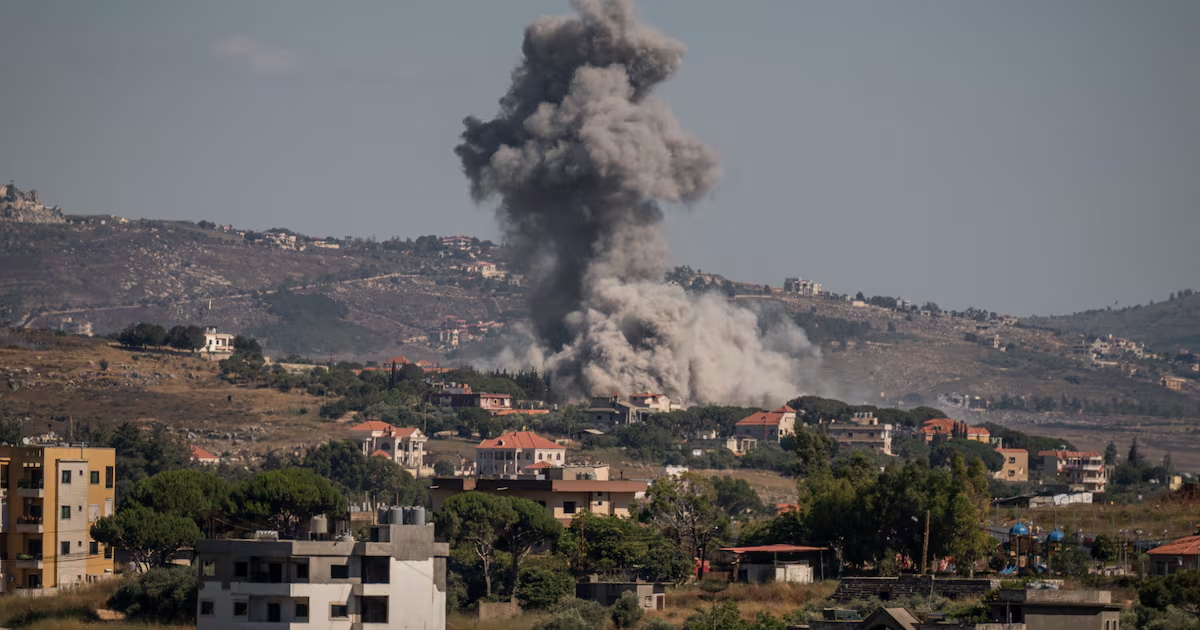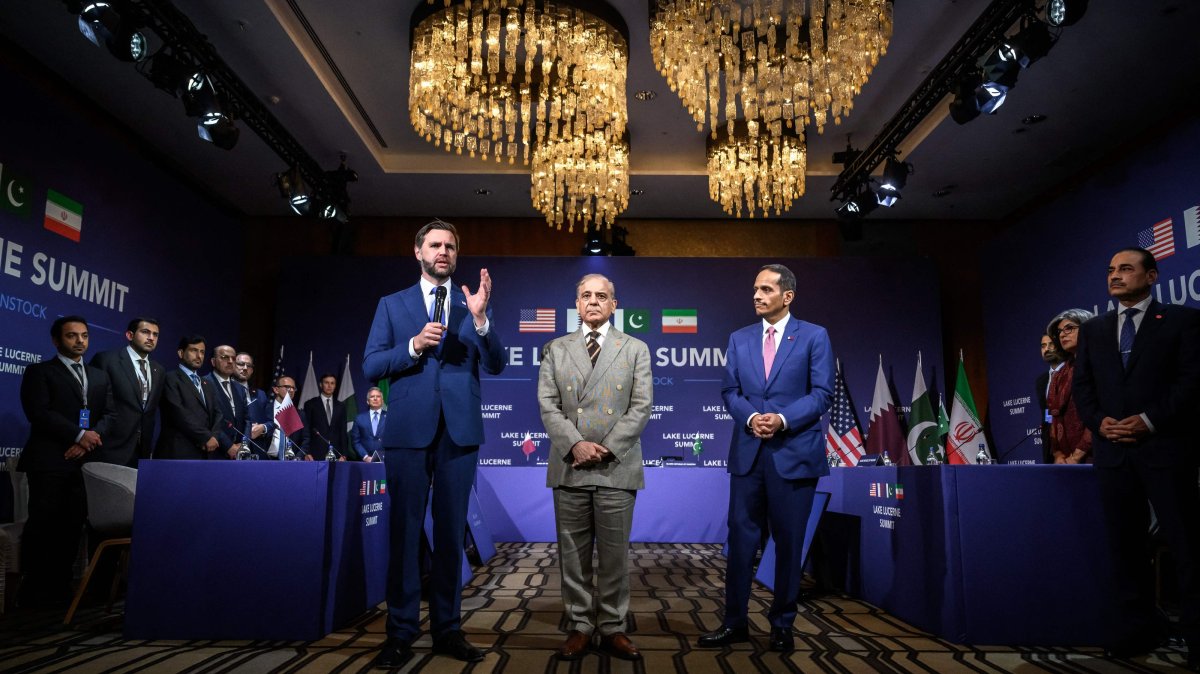
Iran and the United States signed the Islamabad Memorandum of Understanding on June 17 to end the war. The memorandum is a 14-point framework agreement that envisages the end of military strikes, opening the Strait of Hormuz to commercial vessels, and the extension of the ceasefire. Unfortunately, the memorandum does not settle major issues between the two sides, including Iran’s nuclear program, the regime of the Strait of Hormuz, the Iranian ballistic missile program, and Iran’s network of non-state actors in the region.
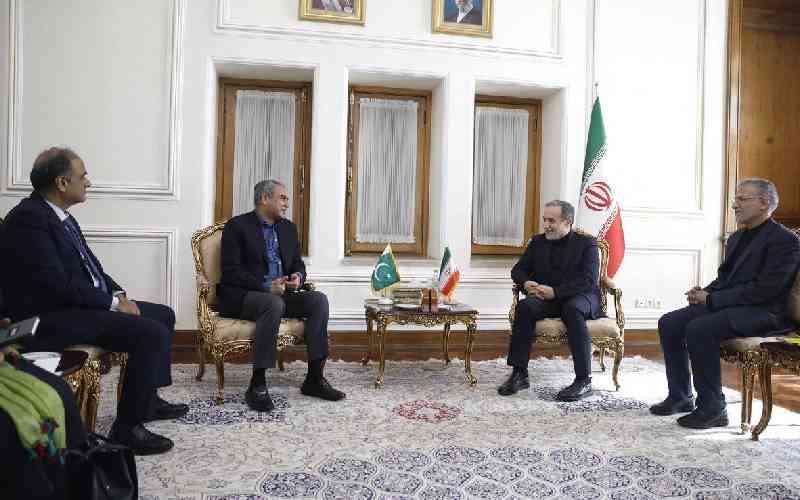
Pakistan has brokered the deal; Türkiye, Saudi Arabia, Egypt and Qatar have played facilitator roles in the negotiations. It was a great success, because it was the first agreement signed between Iran and the U.S. since Iran's Islamic Revolution in 1979.
It seems that the two sides of the agreement, Iran and the U.S., want to reach a final agreement.
On the one hand, Iran wants to consolidate its new administration and leadership so that it can protect its regime. The war and the reaction of the Iranian people have shown, contrary to expectations, that the Iranian state and society are very resilient.
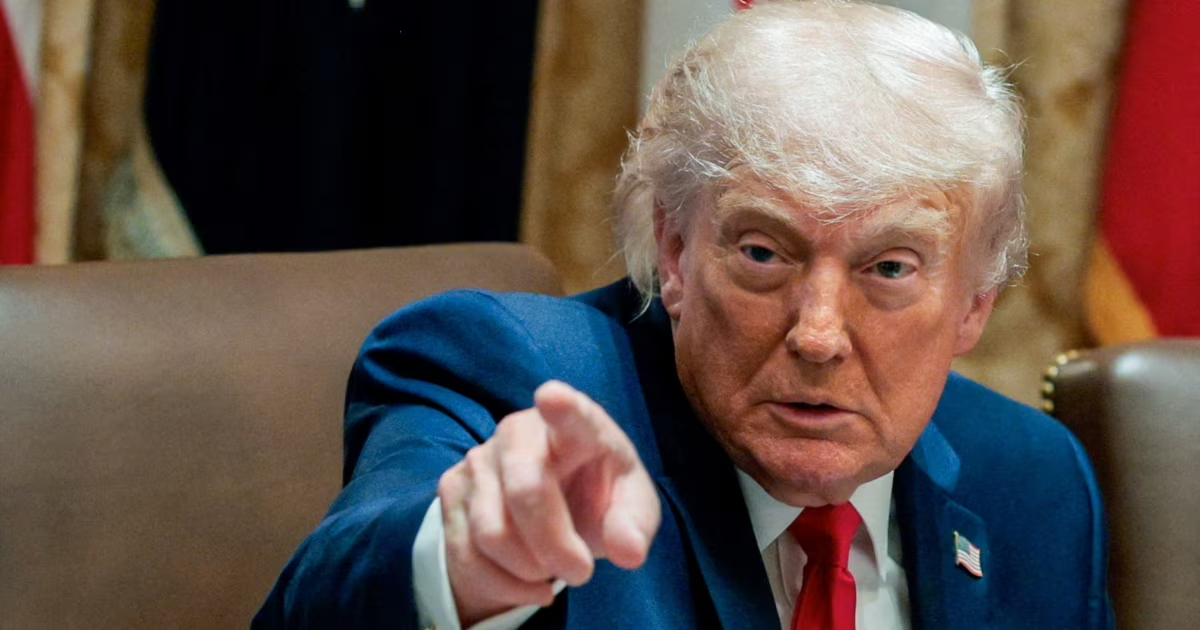
On the other hand, the U.S. has its own reasons to end the war. First of all, the pressure from the Make America Great Again (MAGA) supporters is increasing. With each passing day, support for President Donald Trump and Israel’s aggressive policies is decreasing. For Trump, the likelihood of losing the midterm elections and losing the majority in Congress is increasing. Furthermore, the Zionist movement is losing power in the West. In particular, those who prioritize Israel over their respective national interests in the U.S. are losing ground.