Get the latest news and updates from Dawn
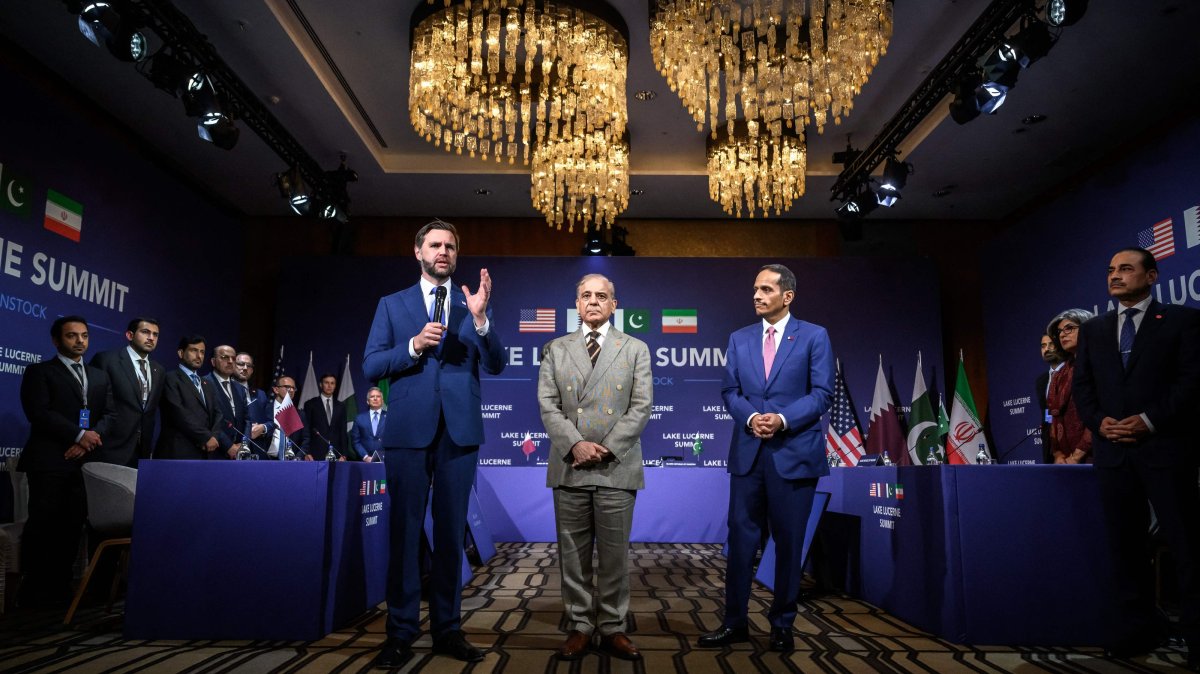
THE illegal and ill-advised US and Israeli war in Iran has apparently led to a major rethink in Arab capitals as they examine the post-ceasefire scenario. Iranian President Masoud Pezeshkian gave the first public hint of a new, embryonic security architecture emerging for West Asia and the Middle East during his recent state visit to Pakistan.
Calling for a ‘united front’ of Muslim nations, he elaborated on extending a “hand of friendship” and a new regional security structure. His statement follows a series of diplomatic moves and countermoves after the war in Iran left a security vacuum in the region, particularly in the Gulf Cooperation Council (GCC) states.
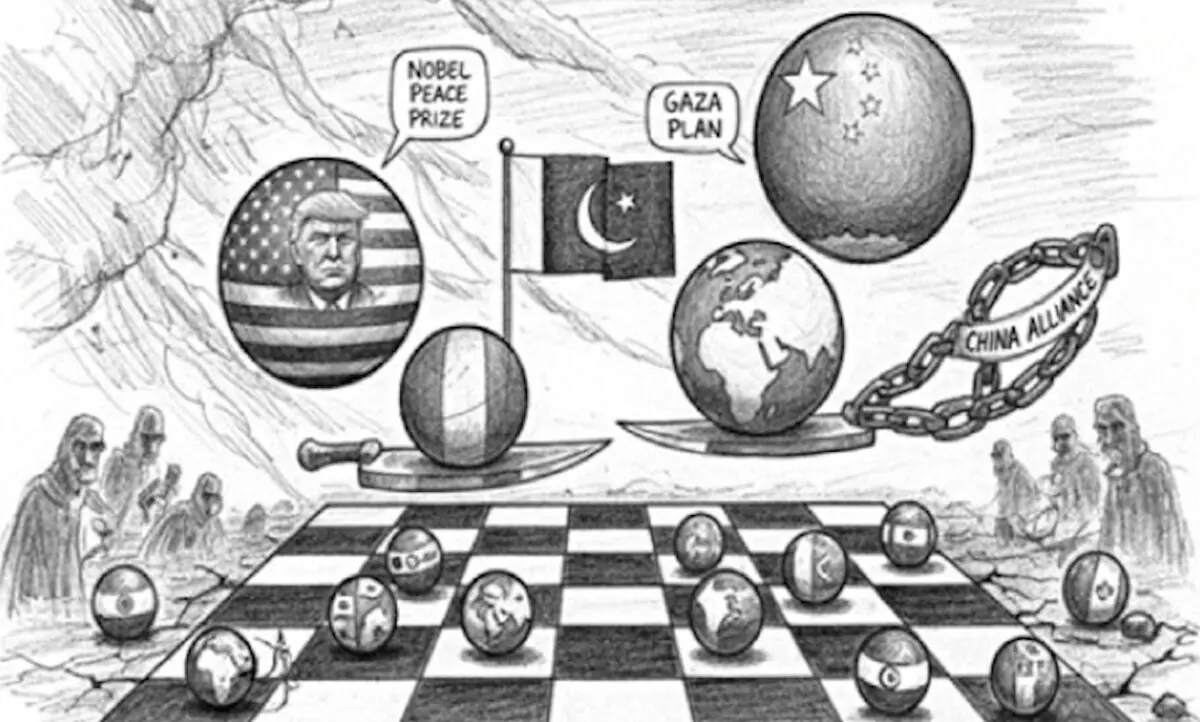
The political and military dynamic in the region is moving at its own pace, separate from the sporadic and fractious negotiations between the US and Iran, taking shape in the form of quiet discussions between regional players. A regional security architecture comprising Pakistan, Iran, Turkiye, the GCC, and Egypt, perhaps later extending to Turkmenistan, Uzbekistan, Jordan and others, would be a historic paradigm shift in the geopolitical landscape.
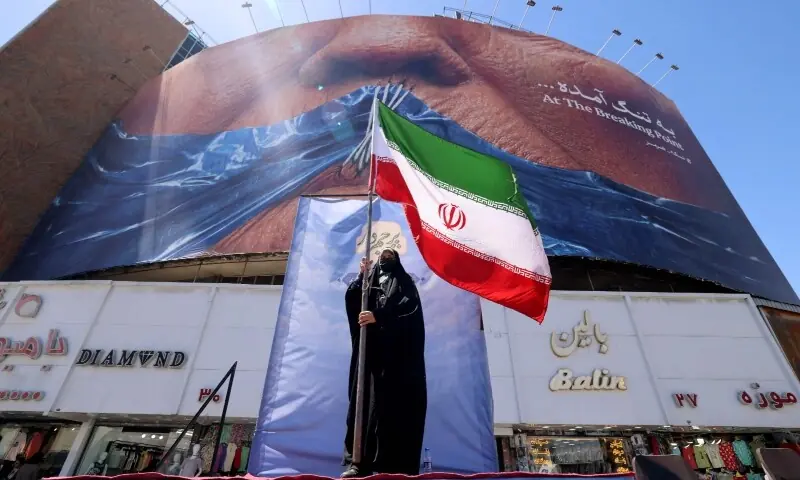
The thaw in relations between Iran and the Gulf Arab states comes after decades of mutual hostility, but it is clear that Saudi Arabia has paved the way for the warming ties. Iran repeatedly struck US bases across the region, wholly or partially destroying major facilities, as well as damaging civilian infrastructure, but maintained it was responding to military attacks launched from US bases in the GCC countries.