Get the latest news and updates from Dawn
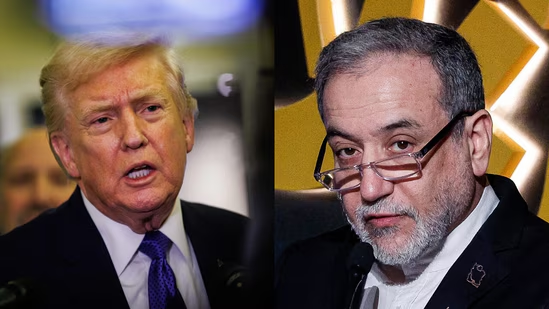
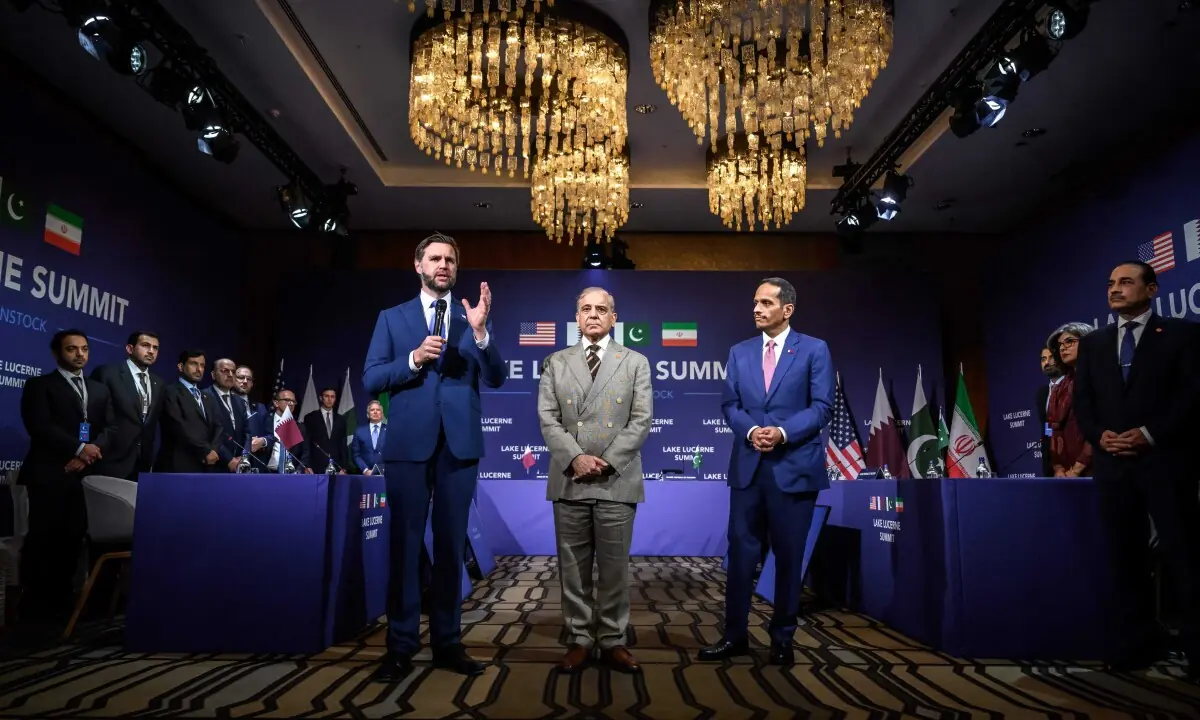
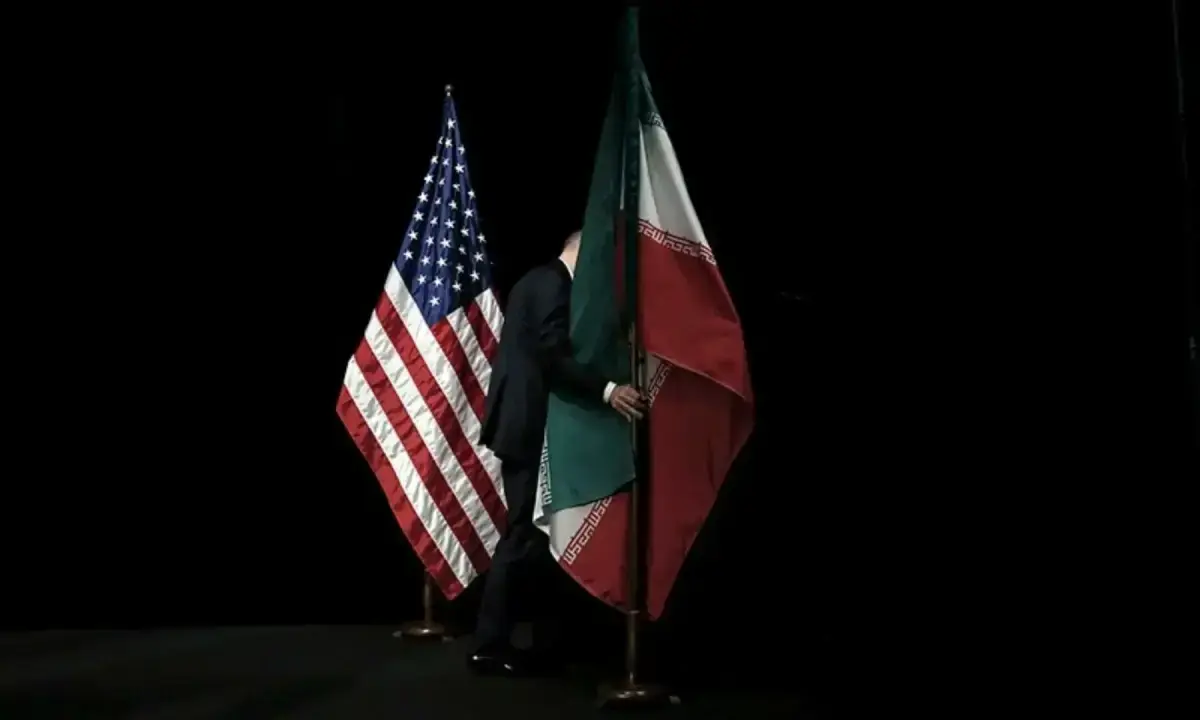
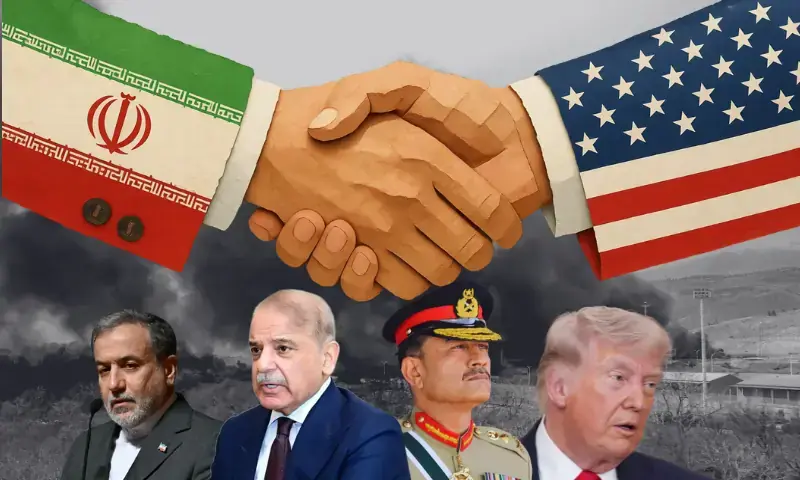
The US and Iran have agreed to a basic framework. Whether this formal consensus translates into a concrete agreement is an open question. While Iran has officially declared the end of the war, Israel insists “our struggle has not yet ended”. Between these two statements lies all the space the spoilers need.
The ceasefire was made possible by pragmatists. It will be threatened by apocalypticists. In Washington and Jerusalem, there are people at the helm of affairs who do not read this war as a security crisis to be resolved but a scheduled event — one that a ceasefire can delay but not, in their theology, prevent. For them, a deal is not a solution. It is an obstacle. And obstacles, in the eschatological imagination, are not negotiated around. They are removed.
Whether the framework holds or collapses, one thing is clear: the West Asian security structure that existed on the morning of Feb 28, 2026, has ceased to exist.
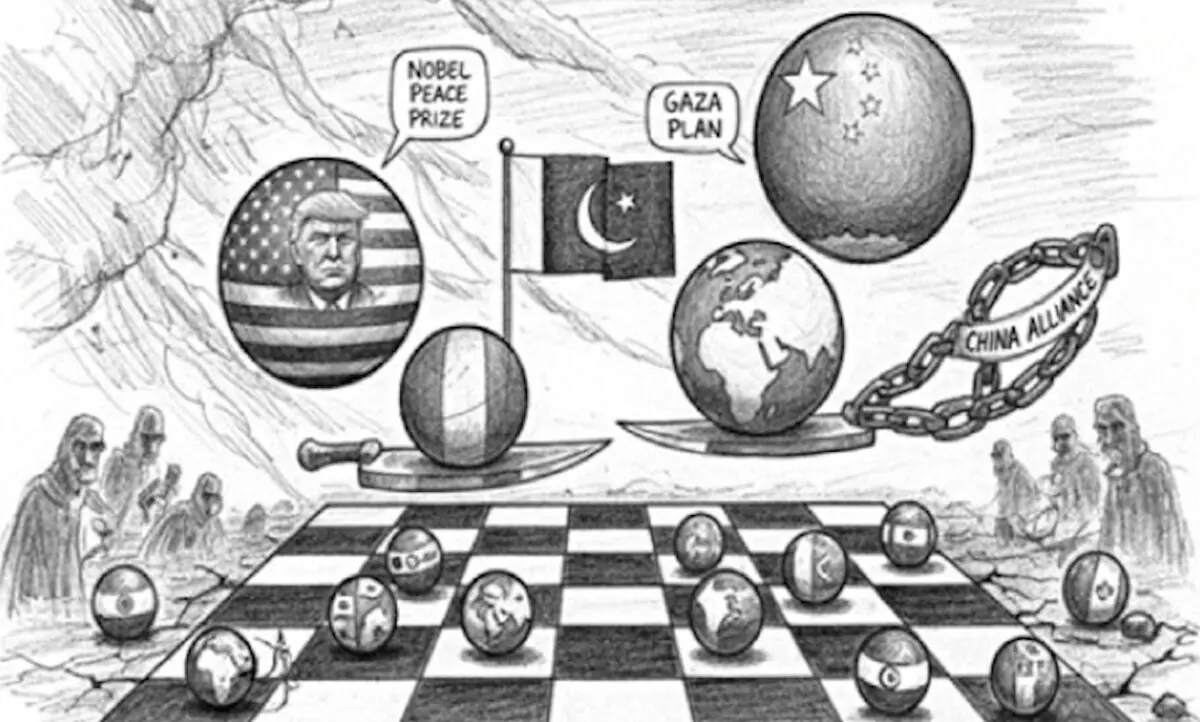
Firstly, South Asian and West Asian security complexes are no longer analytically separable, as once theorised by British political scientist Barry Buzan. Secondly, the war subjected regional alliances and client-patron relations to a stress test, and, to the surprise of many capitals, the old security arrangements proved to be holding nothing at all.