Get the latest news and updates from Dawn
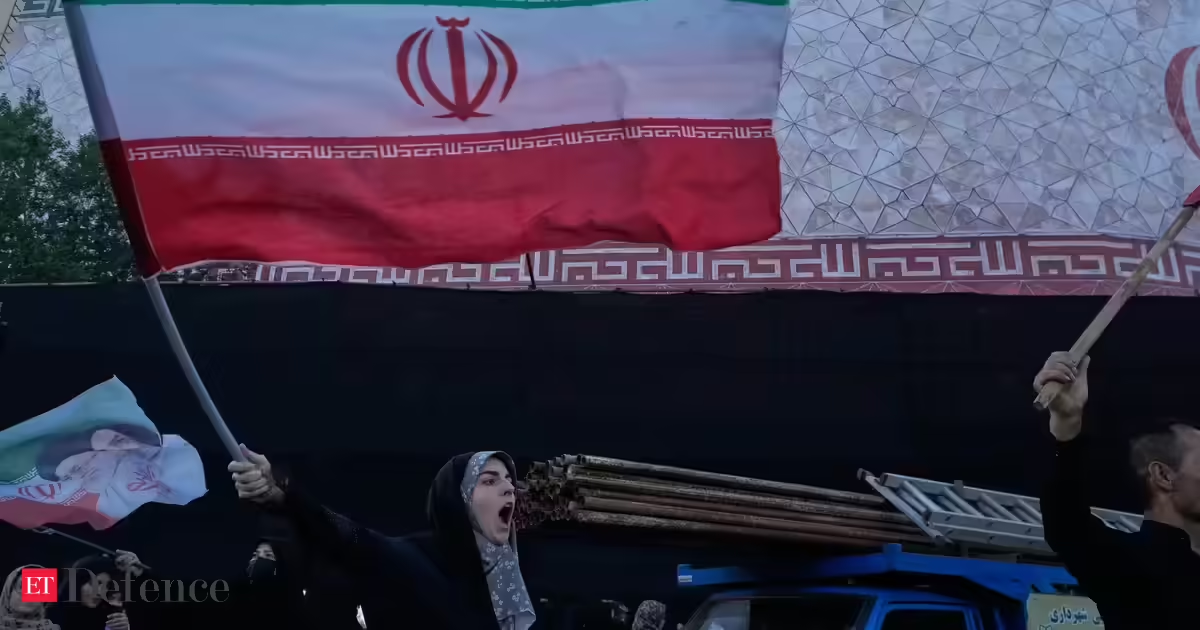
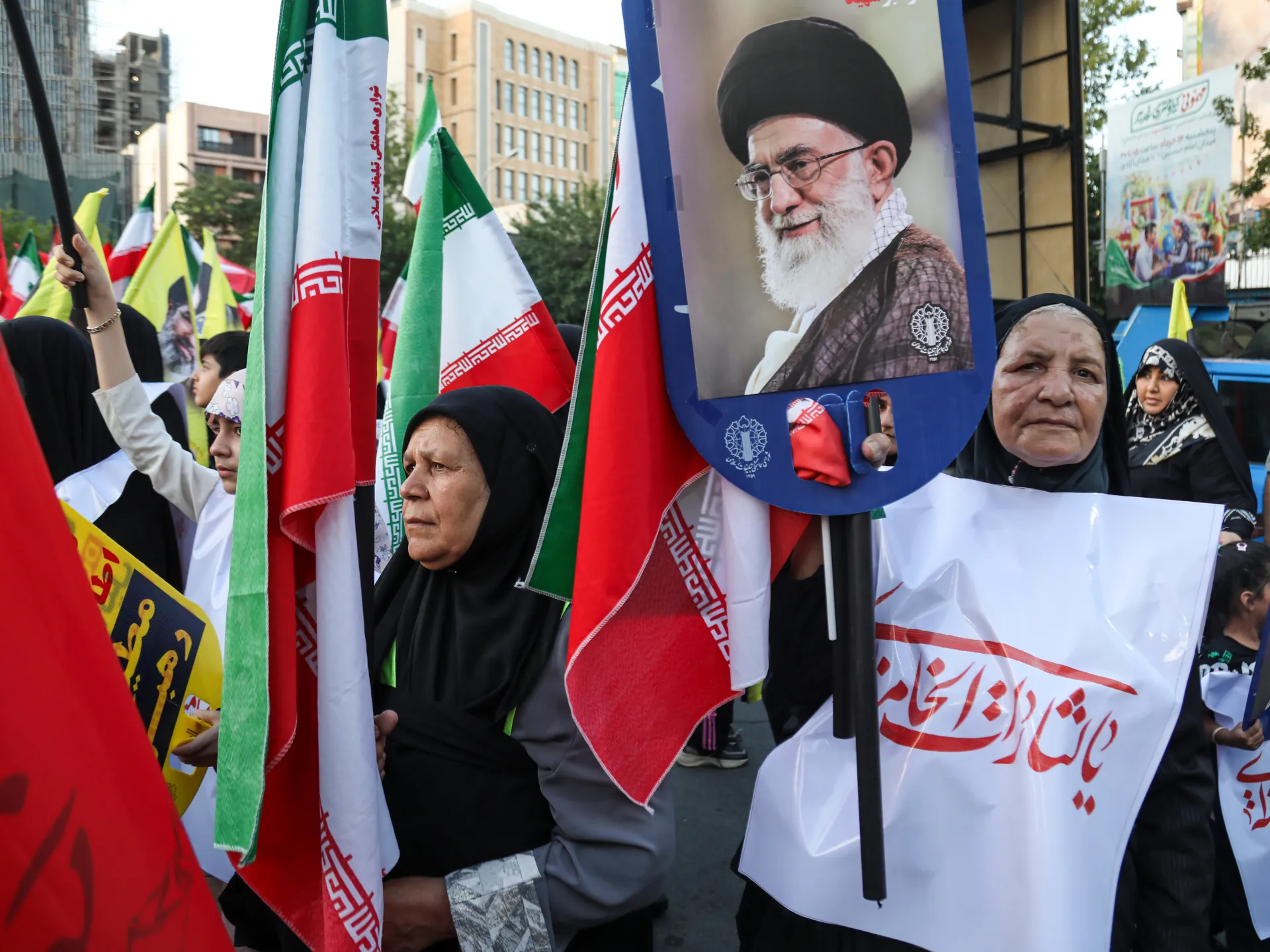
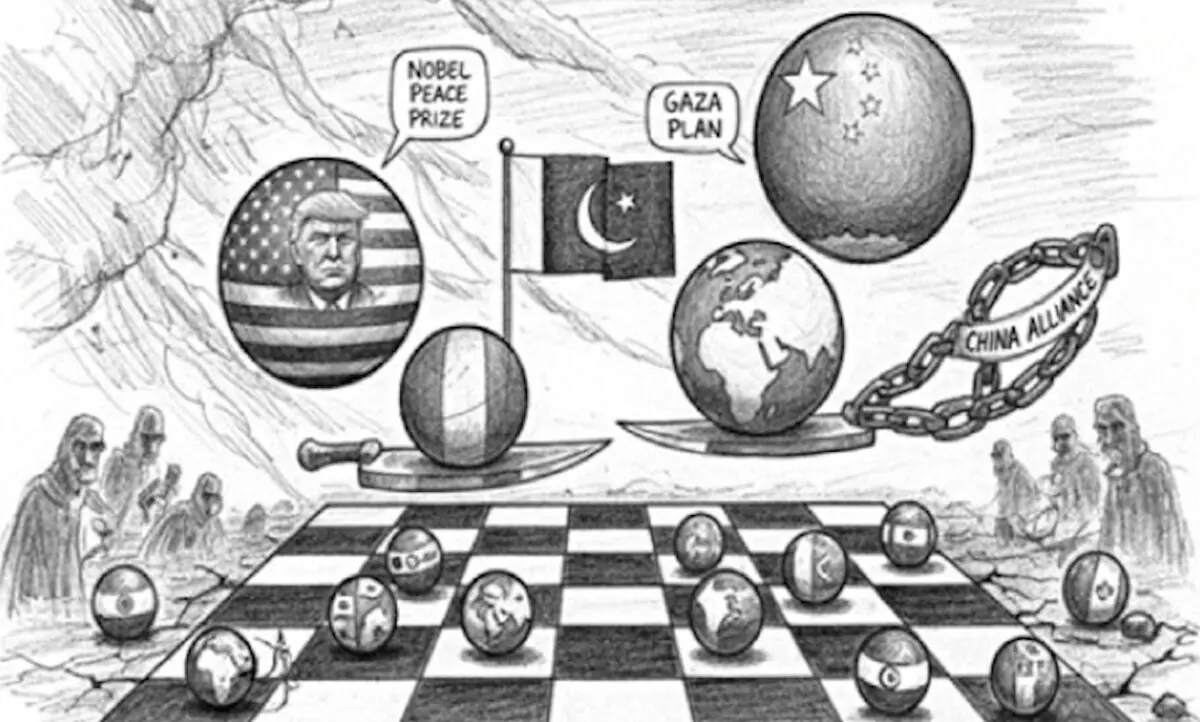
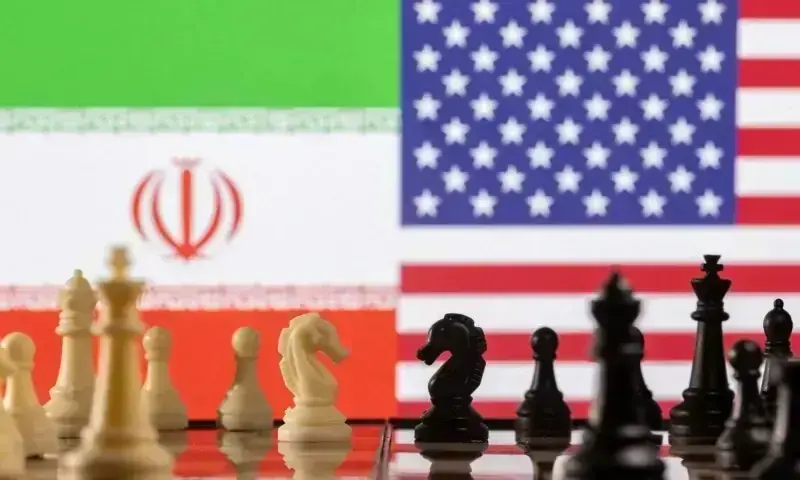
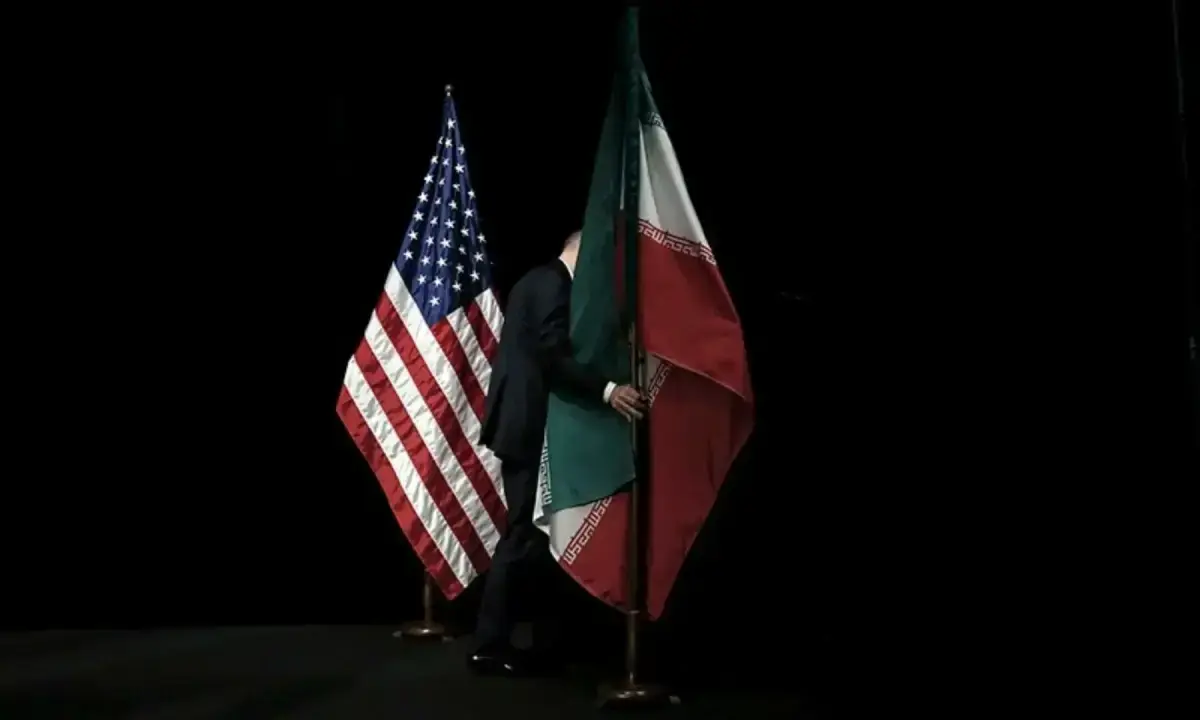
IN a dramatic turn of events, the US and Iran have agreed on a framework for peace talks. While the details of the deal, reached after months of intense backchannel negotiations mediated by Pakistan and supported by other regional countries, have yet to be made public, this development has raised hopes of ending an irrational war that the US has lost. The tentative pact provides a space of 60 days to conclude a comprehensive peace agreement that remains a significant challenge. There’s still a long way to go before such an agreement is reached.
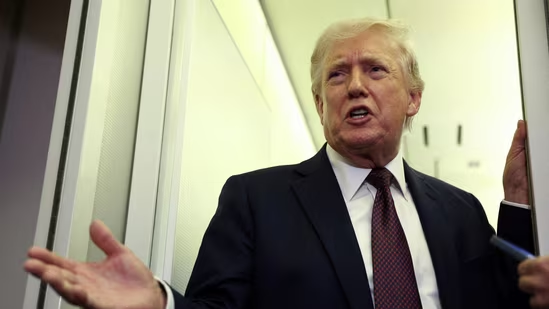
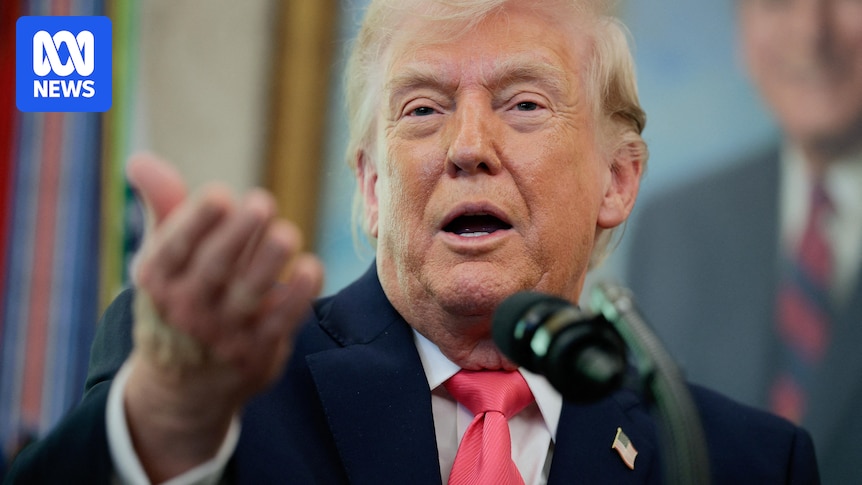
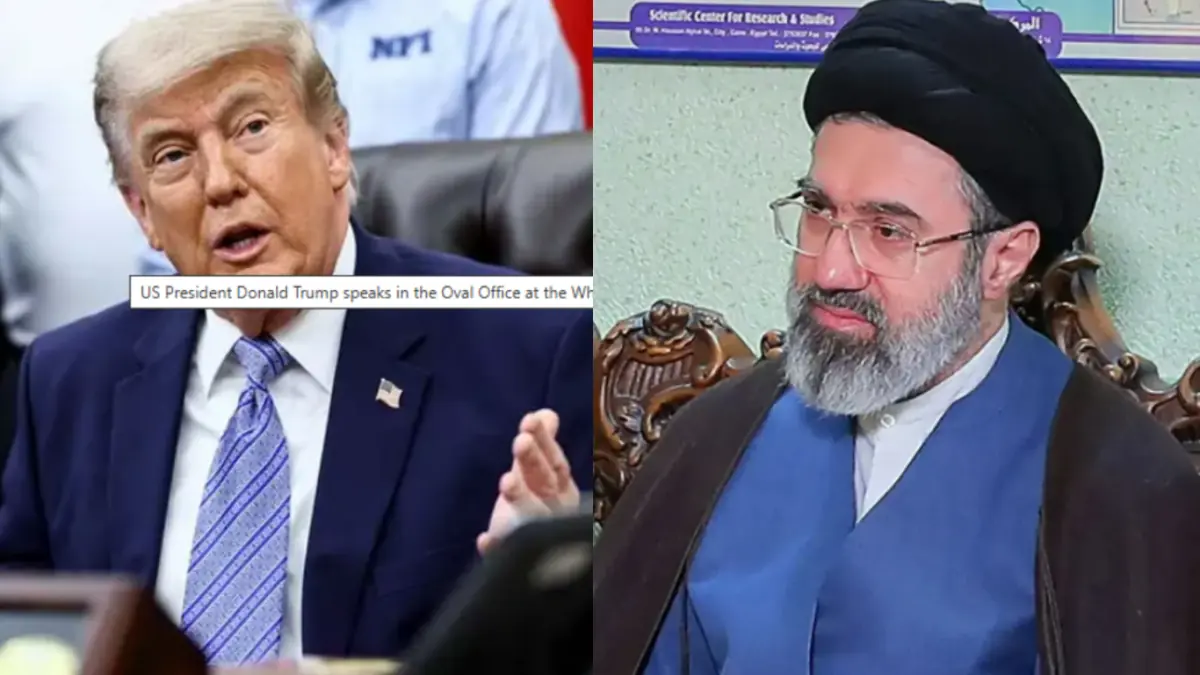
There has been a noticeable shift in President Donald Trump’s previously aggressive tone; however, several complex issues need to be addressed during this period. These include deferred nuclear talks, the future governance of the Strait of Hormuz, the release of frozen Iranian assets and the lifting of the sanctions on Iran. Meanwhile, Israel’s refusal to participate in the process and its ongoing invasion of Lebanon could undermine peace negotiations.
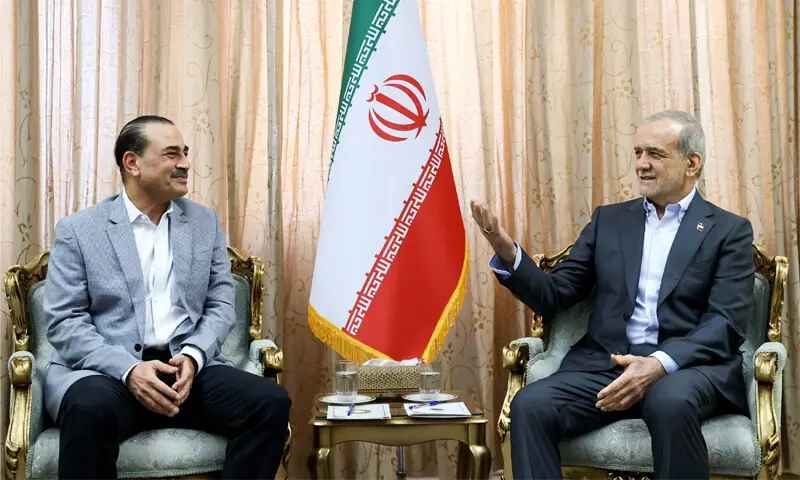
Bringing the two adversaries to the negotiating table has been a challenging diplomatic task for Pakistan. Support from regional countries has significantly helped Pakistan in this painstaking process. Although no breakthrough occurred during the first round of peace talks, known as the Islamabad Talks, held in April, the meeting helped diplomatic channels remain open. Pressure was also placed on the Trump administration by the Gulf countries to end the war, which has profoundly impacted the region. Building trust between the two sides remains a significant challenge.