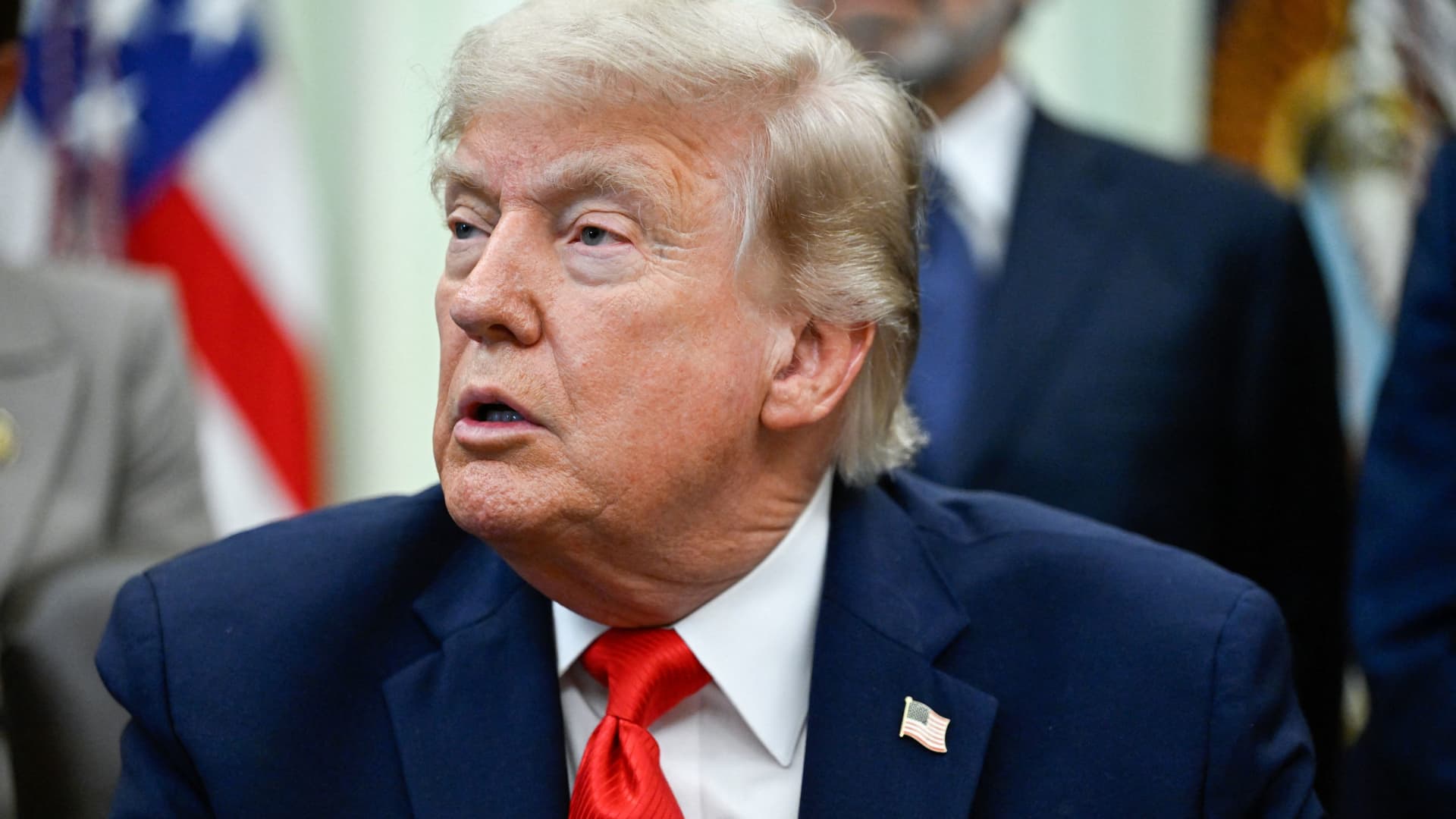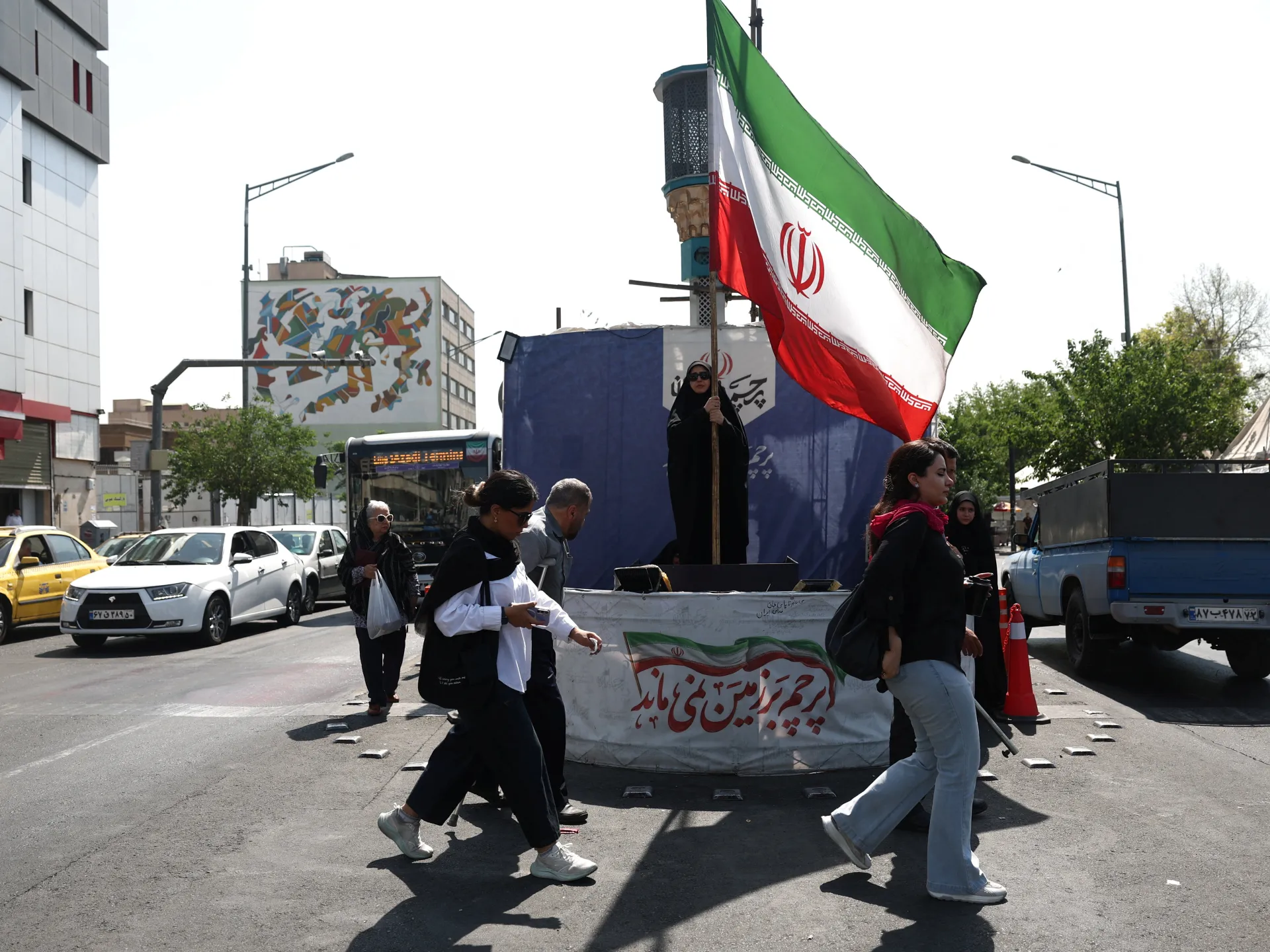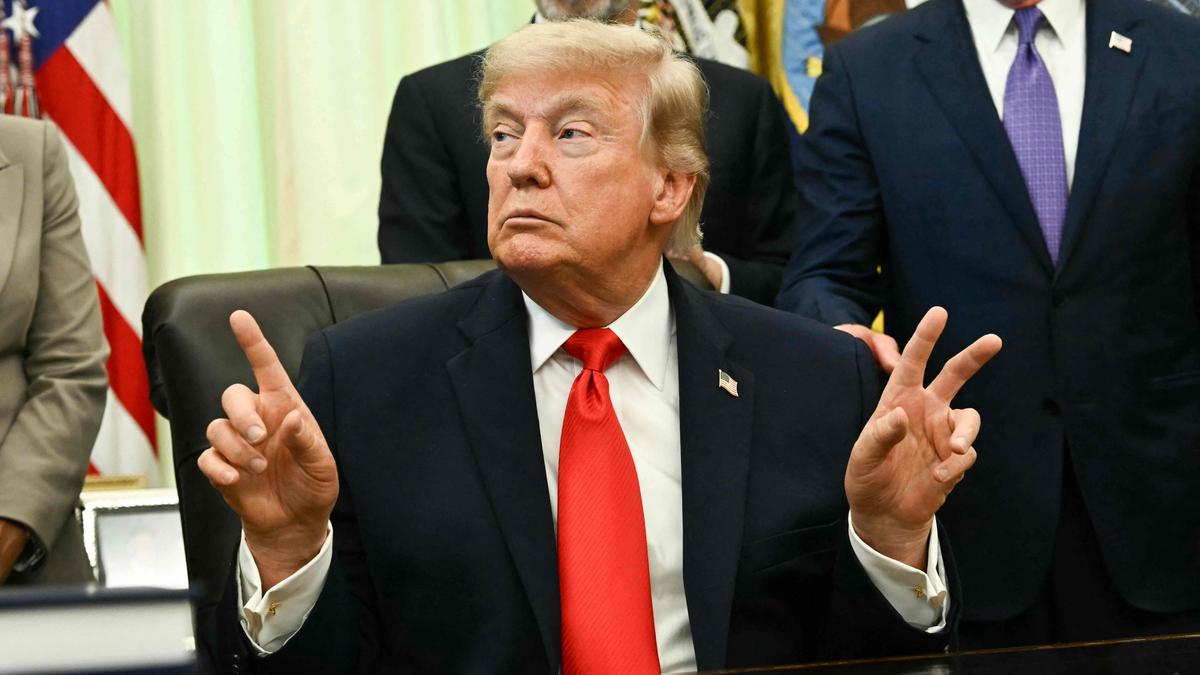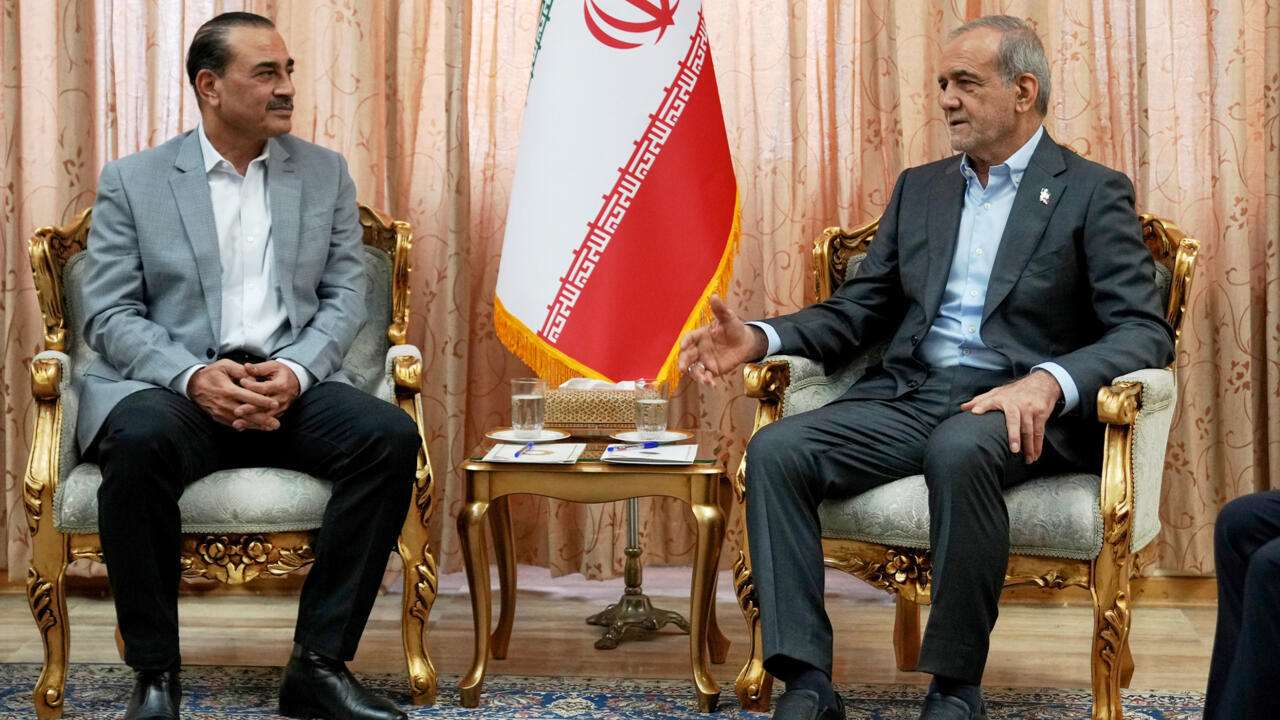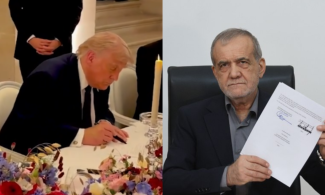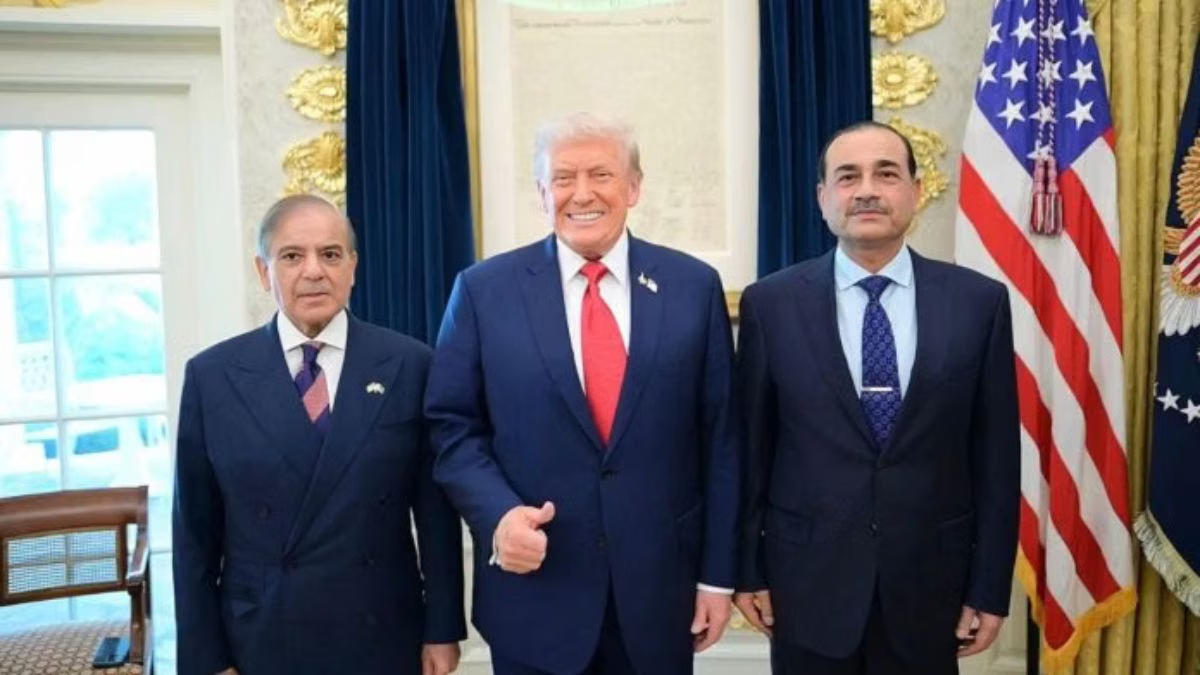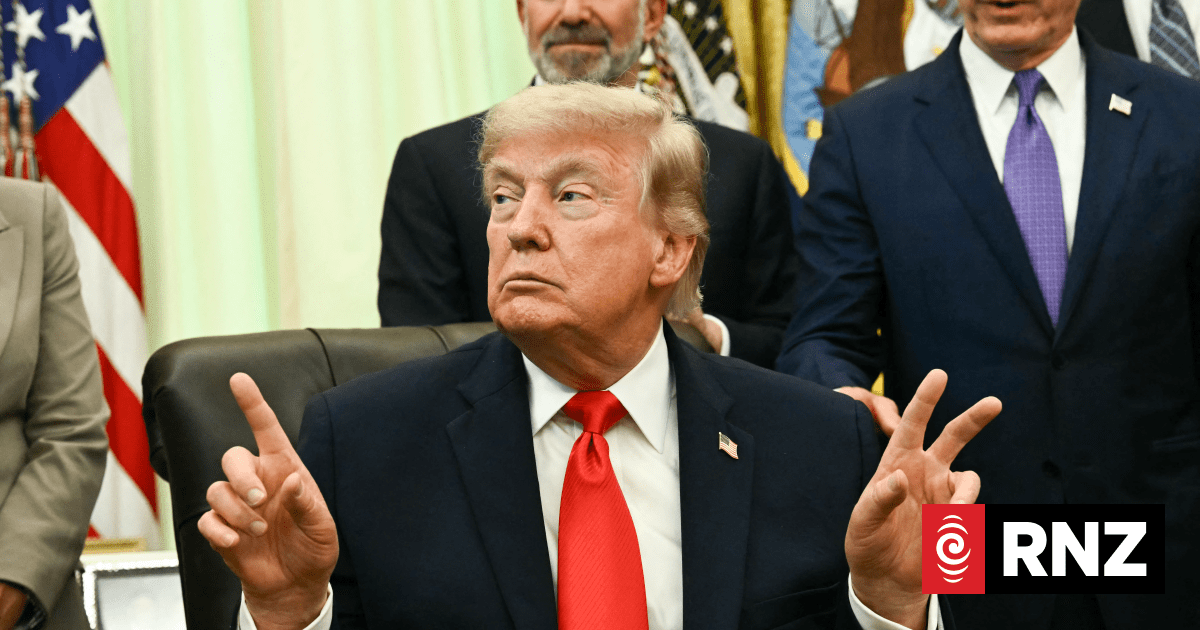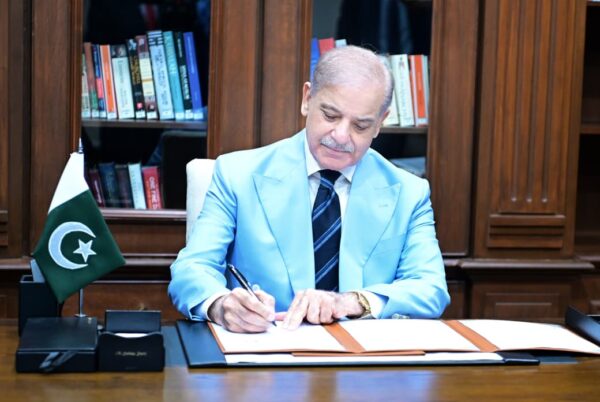
On June 17, the United States and Iran signed electronically a Memorandum of Understanding (MoU) aimed at permanently ending the war between the two countries and on other fronts, including Lebanon and, by extension, Israel. The document was signed by U.S. President Donald Trump and Iranian President Masoud Pezeshkian, as well as Pakistan’s Prime Minister, Shehbaz Sharif.
Sharif called the agreement the “Islamabad Memorandum of Understanding,” which he said he “endorsed” as the “mediator.”
However, hours after the digital signing of this accord, trouble erupted as talks that were scheduled to take place in Switzerland between the U..S and Iran on Friday to implement the peace deal were abruptly cancelled. While such disruptions are inevitable and are, in fact, to be expected in a complex peace process, they serve as a stark reminder that true stability is a long way off and immense challenges lie ahead.
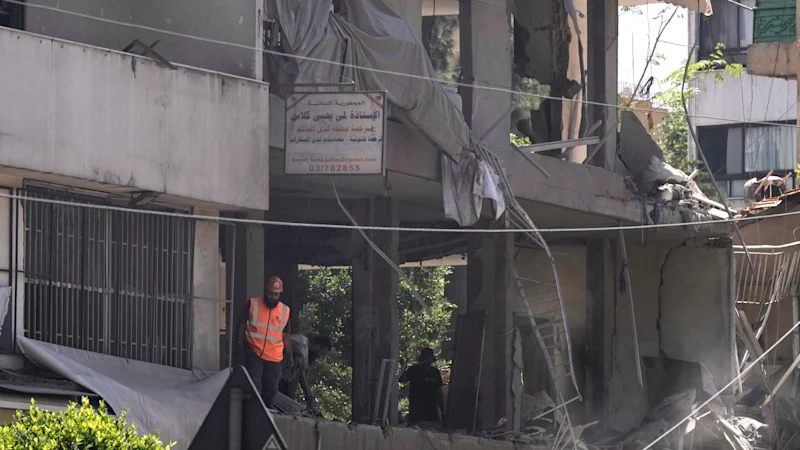
The cancellation of the talks came after Israel accused Hezbollah of killing four Israeli soldiers. A wave of Israeli airstrikes on southern Lebanon followed, killing at least 18 people.
The technical talks were scheduled to begin in the Swiss village of Obbürgen just two days after the MoU was signed. The document is meant to open a crucial 60-day window to negotiate a permanent agreement over Iran’s nuclear program and restore oil traffic through the Strait of Hormuz.