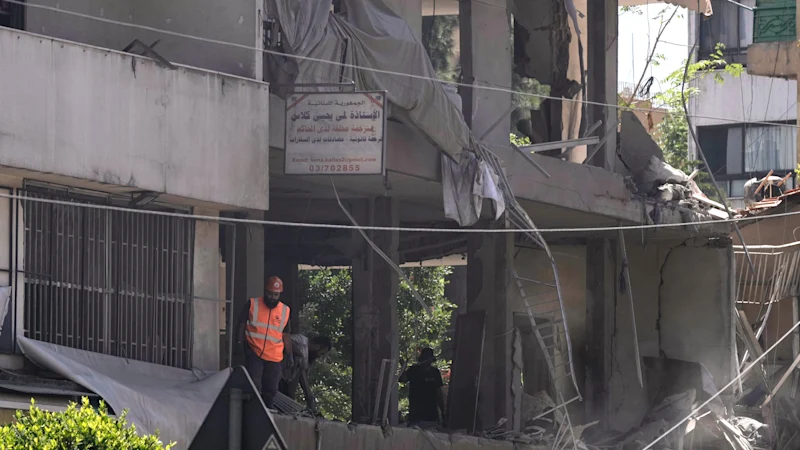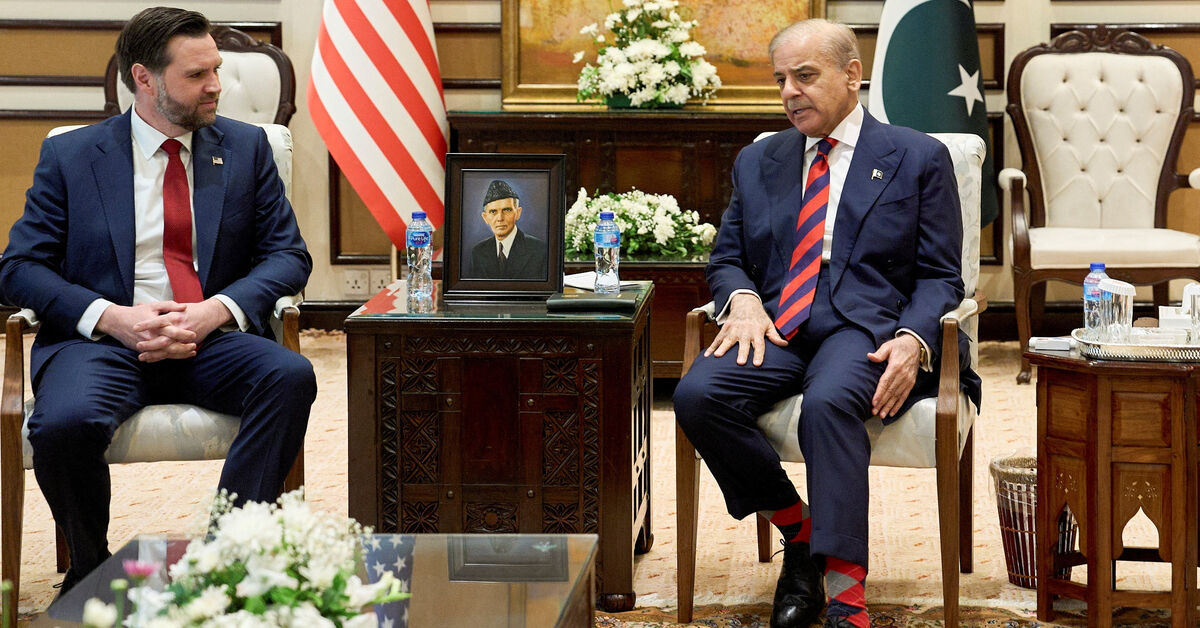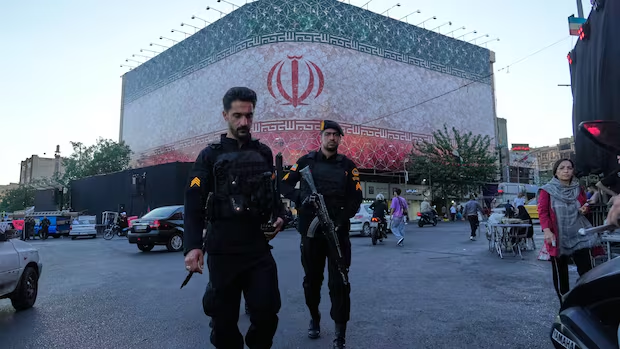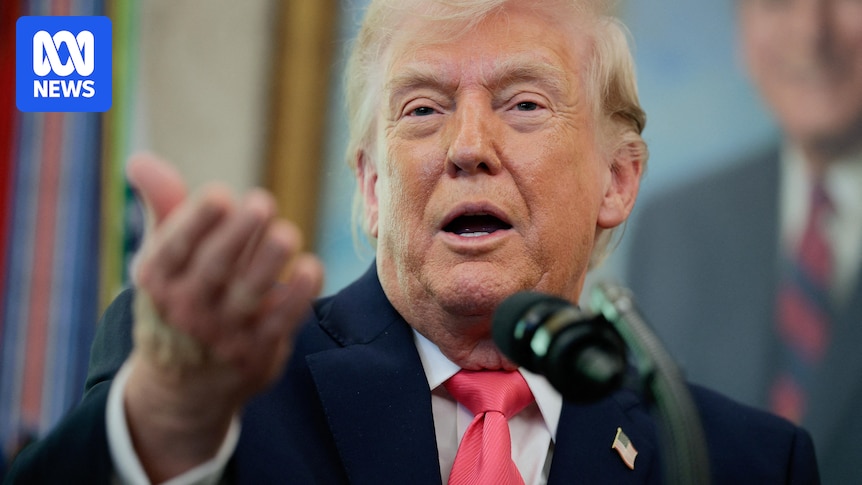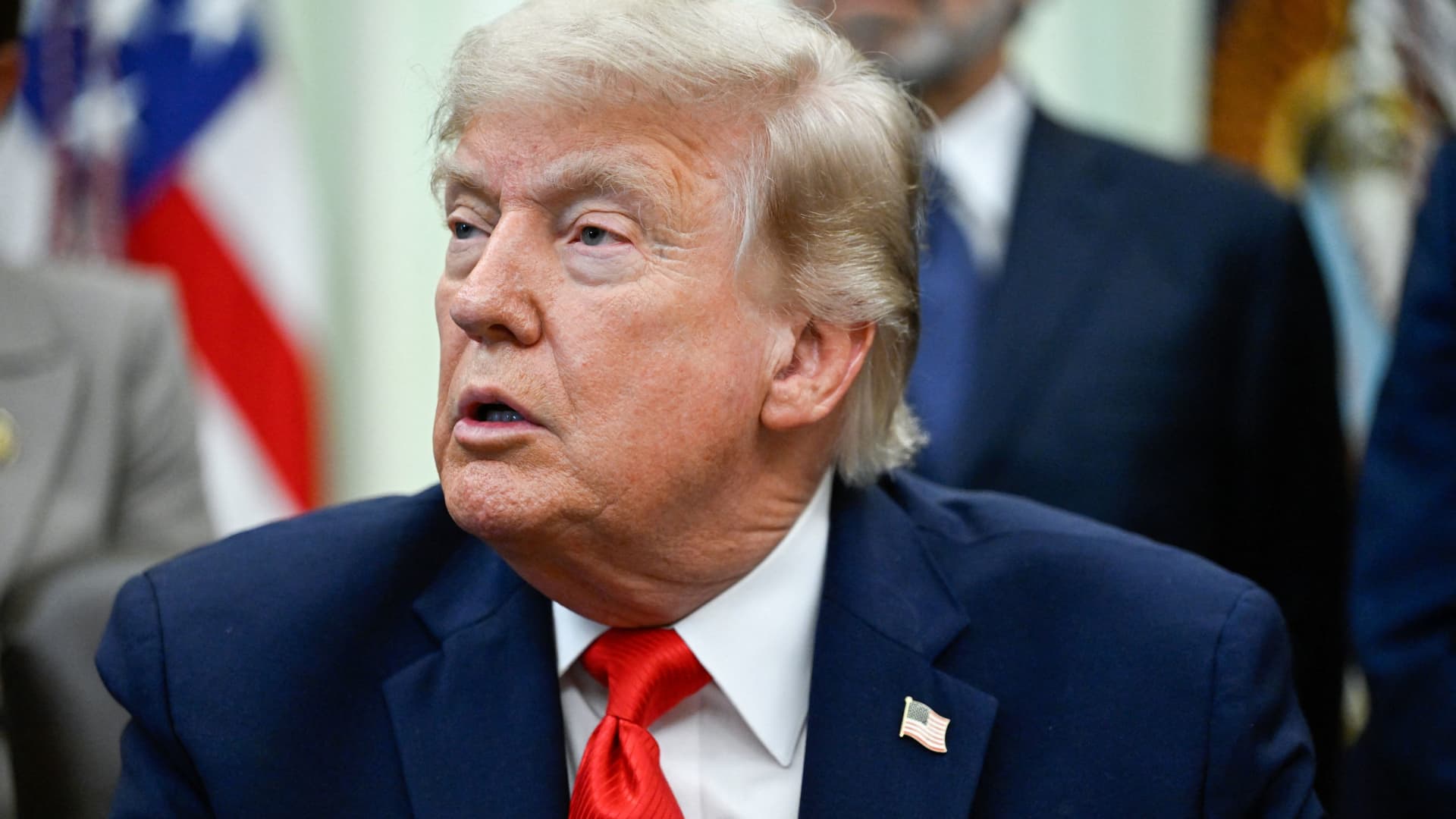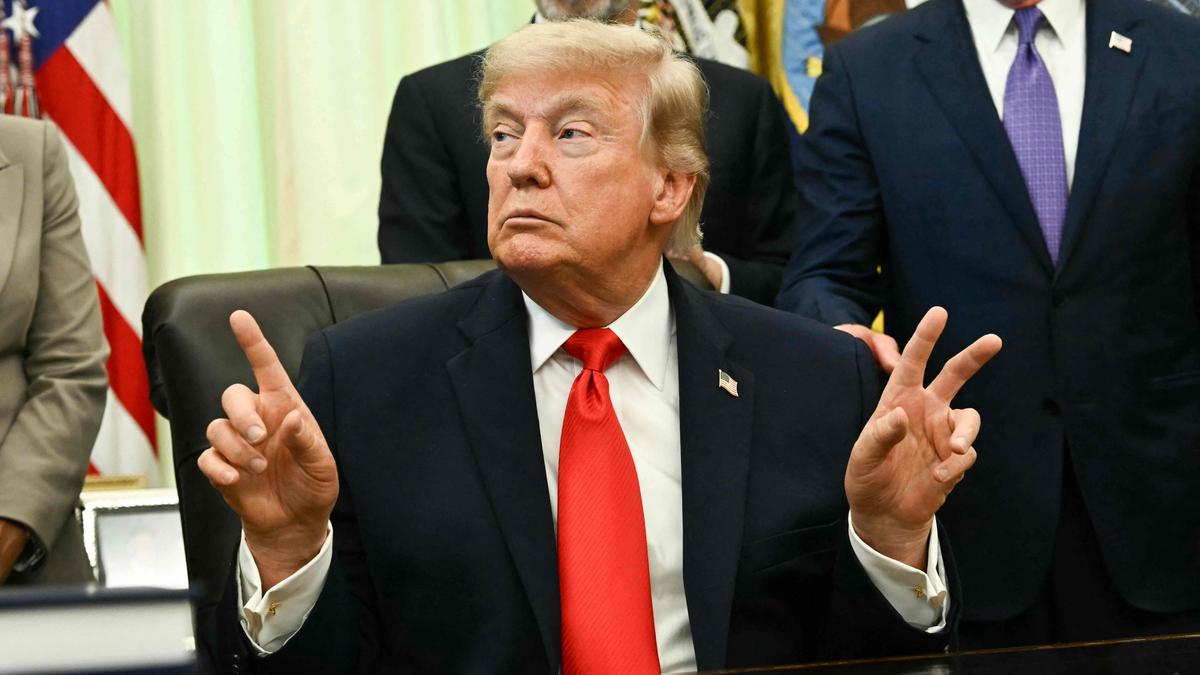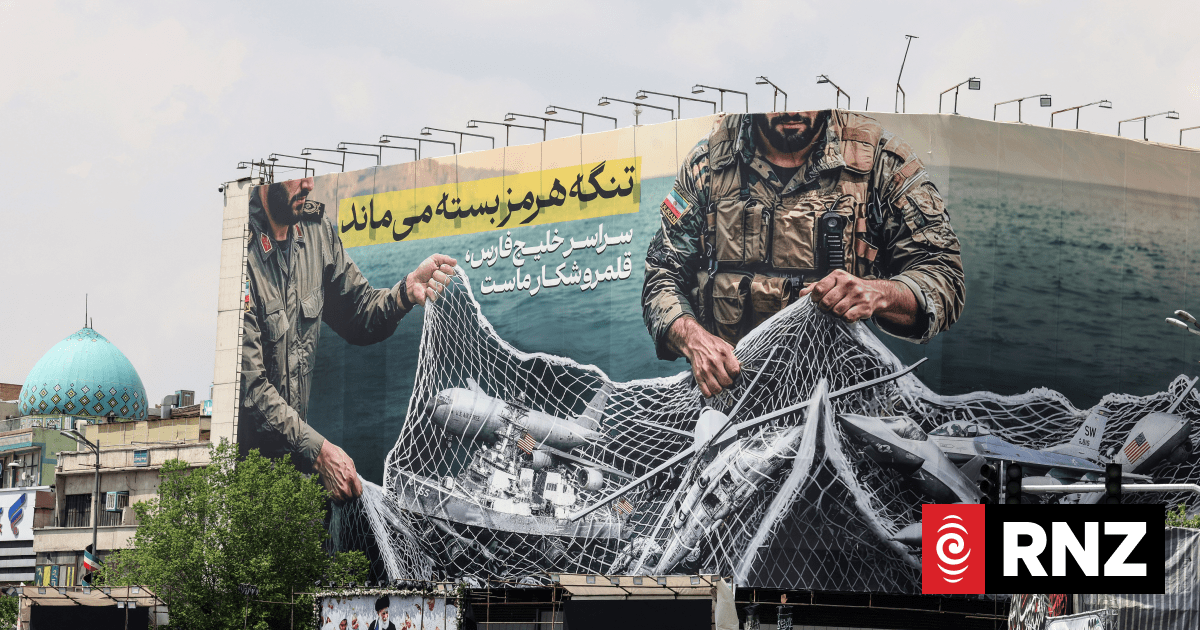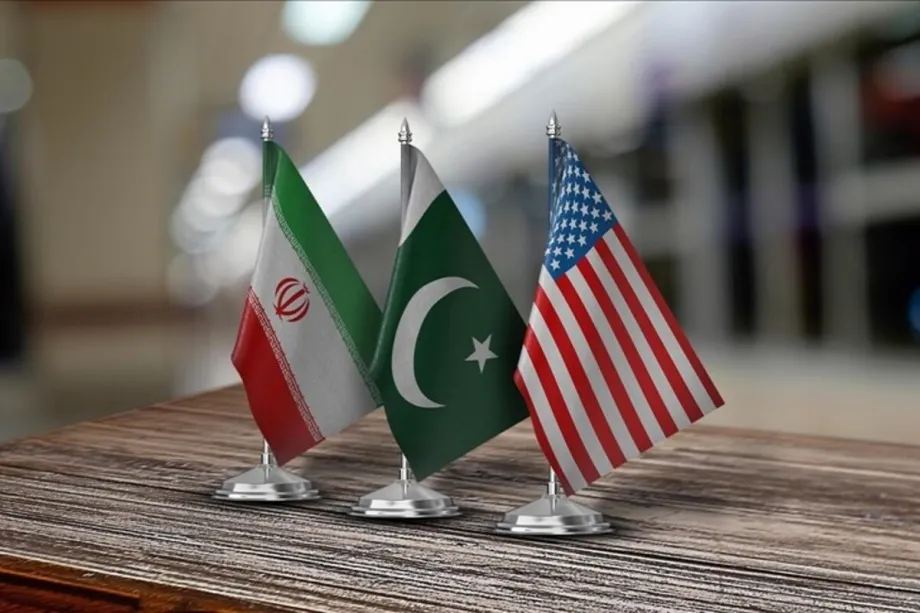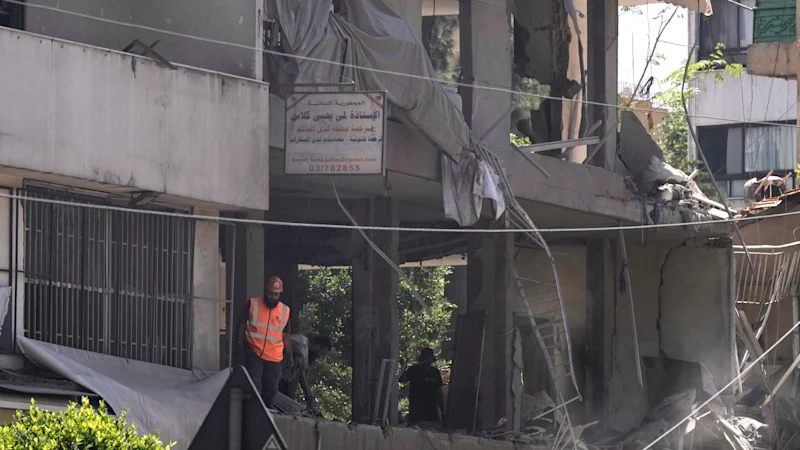
Updated June 15, 2026 — 7:36am,first published 5:02amLondon: US President Donald Trump has reached a peace deal with Iran that includes an immediate ceasefire “on all fronts” of the war in the Middle East, including Lebanon, after a series of clashes almost derailed the agreement.A key negotiator in the talks, Pakistan Prime Minister Shehbaz Sharif, formally announced the agreement shortly after Trump had promised the deal was imminent.Trump is set to formally sign the deal on Friday, Pakistan’s prime minister said.AP“Both sides have declared the immediate and permanent termination of military operations on all fronts, including in Lebanon,” Sharif said in a statement.”The official signing ceremony will be on Friday, 19 June in Switzerland.”There were few other details in his formal statement, however, and no clarity on the timing for the opening of the Strait of Hormuz, where Iran has disrupted shipping with dire consequences for the oil trade and global energy prices.The outcome came after Trump earlier called on all sides to “stand down” from the latest fighting in order to seal a pact that would bring peace to the region.Trump berated Israel for launching airstrikes on Lebanon that could wreck the potential deal.A rescue worker checks an apartment that was hit in an Israeli airstrike in Dahiyeh, in Beirut’s southern suburbs, on Sunday.APThe Israeli government, in turn, blamed Hezbollah fighters in Lebanon for launching rockets at civilian targets in northern Israel and breaching a ceasefire, leading to strikes on Beirut in response.In a sign of Trump’s anger over the strikes, he told news site Axios that Israeli Prime Minister Benjamin Netanyahu had “no f---ing judgment” and had put the negotiations at risk, but he expressed confidence a peace deal would be done.“Why did Bibi have to do a f---ing attack? I was so pissed off,” Trump told Axios, using the nickname for the Israeli leader.Trump told Fox News he had called Netanyahu to tell him not to make any further strikes against Hezbollah, asking him: “What the f--- are you doing?”Trump also said he would ask Iran not to respond with missile strikes on Israel.With Iranian leaders warning of a “strong response” to the strikes on Beirut, the Israeli government assembled a cabinet meeting on Sunday night (Monday AEST) to consider its next steps.“Israel will not tolerate fire directed at its territory,” said Netanyahu in a joint statement with Defence Minister Israel Katz.The Hezbollah rocket attack came on Sunday morning (Beirut time) and cast doubt on the peace talks when Trump was preparing for a birthday celebration at the White House with a UFC cage fight.Benjamin Netanyahu and Donald Trump in April. The US preisdent has called on the Israeli leader to show restraint during peace negotiations.Getty ImagesThe US president is due to fly to France on Monday for a G7 summit hosted by French President Emmanuel Macron, amid hopes the peace deal could be confirmed with world leaders at the event at Evian, on the shores of Lake Geneva.The Israeli Defence Forces struck the southern Beirut district of Dahiyeh, a Hezbollah stronghold, hours after the rocket fire. The Lebanese national news agency, NNA, said at least three people were killed and another 14 wounded.Trump expressed his frustration on social media by urging all sides to “stand down” and describing the rocket attack on Israel as relatively minor.“This morning’s attack on Beirut should not have happened, particularly on a special day when we are so close to a Peace Deal with Iran,” he posted on Truth Social.“Israel has the right to defend itself against threats, but the attack it was responding to was very small and meaningless, nobody was hurt, injured, or killed, and should not disrupt this important process.“We are very close to a Deal that will bring peace to the region, including to Lebanon, and all sides should stand down.“There should be no more attacks by Israel anywhere in Lebanon, but there should also be no more attacks by any other party, including Hezbollah, against Israel. This could be the beginning of a long and beautiful peace – Let’s not blow it!”The message highlighted the risk to the peace talks despite Trump’s comments to the media about reaching an agreement within hours.The speaker of the Iranian parliament, Mohammad Bagher Ghalibaf, said the Israeli attack highlighted America’s inability to restrain Israel.“The Zionists’ incursion into Dahiyeh has once again shown that America either lacks the will to fulfill its commitments or the ability to do so. By giving the green light to the regime, you cannot gain concessions. The game of bad cop and good cop is outdated,” he said.The head of the Iranian parliament’s national security committee, Ebrahim Azizi, said that a “strong response is coming” to Israel in the wake of the attack on Beirut.The reactions highlighted the divisions within Iran, however, as Iranian President Masoud Pezeshkian said the country’s peak negotiating body supported the “path of negotiation” with the US.“The Supreme National Security Council has concluded that the path of negotiation must be pursued,” Pezeshkian said at a meeting with media officials, according to Agence France-Presse.The Lebanese national news agency reported Israeli airstrikes on targets outside the capital on Sunday, including areas around the southern city of Nabatiyeh.Israel launched strikes on targets in Lebanon after Hezbollah fired rockets at Israeli communities on March 2, in a fateful decision to side with Iran, The country’s Ministry of Public Health said the Israeli attacks March 2nd and June 14th reached: 3783 martyrs and 11,699 wounded.Get a note directly from our foreign correspondents on what’s making headlines around the world. Sign up for our weekly What in the World newsletter.From our partners
Pakistan PM says Iran, US have reached peace deal
Iran and the US have reached an agreement to halt the war “on all fronts” that could be formally signed on Friday, Pakistan’s PM Shehbaz Sharif says.
TL;DRAI
Trump reached Iran ceasefire deal, signed June 19 in Switzerland, after Israeli airstrikes nearly derailed negotiations. The agreement stabilizes Middle East geopolitics, mitigating energy price volatility and supply chain disruption risks for global tech infrastructure.
934 words~4 min read