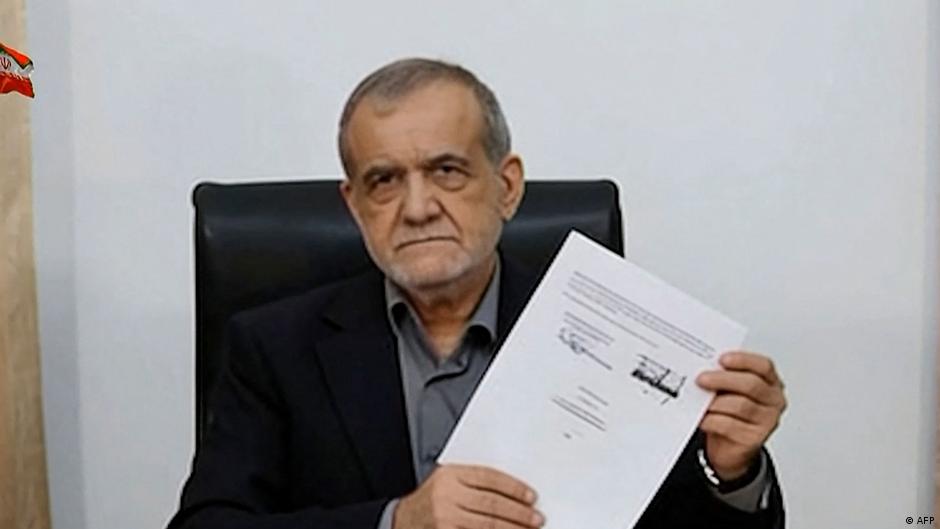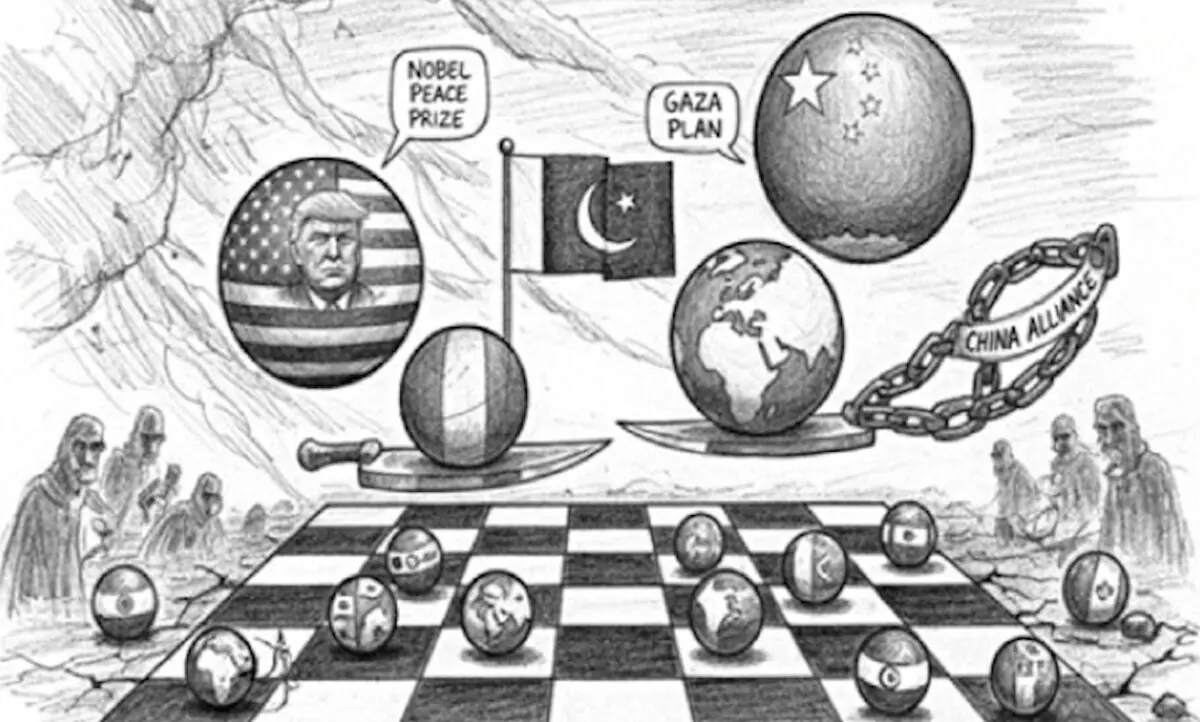
The memorandum signed in Islamabad on 17 June is unusual for one reason before anything else: Washington and Tehran are publicly describing the same deal. Previous purported agreements in this conflict produced wildly different accounts of what had supposedly been settled. This time, both governments agree on what they agreed to. That convergence is a real signal that both sides want the fighting to stop, at least for now. It is also about the last unambiguous piece of good news the text contains.
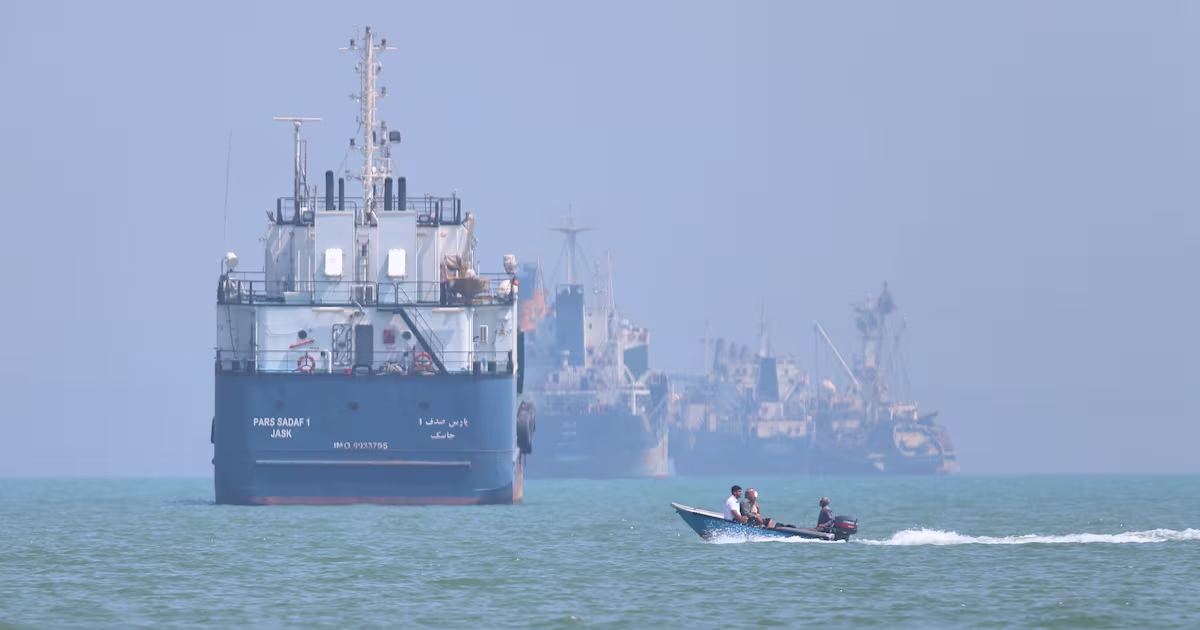
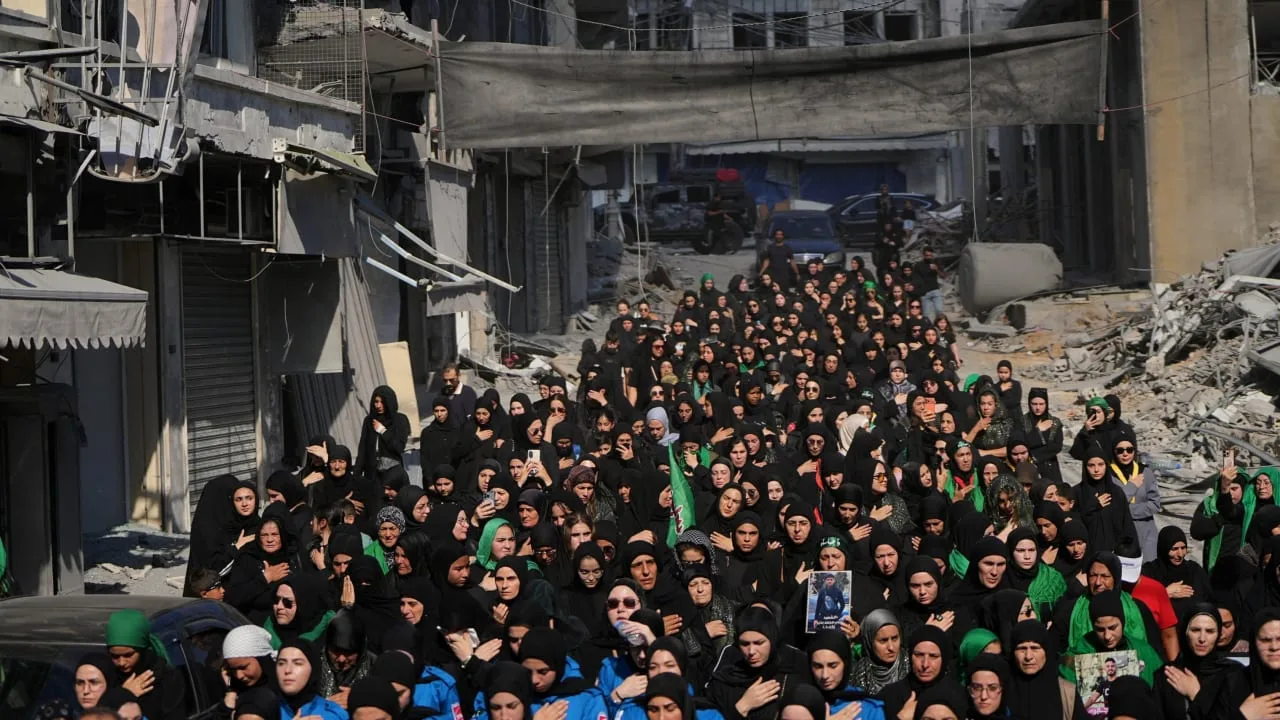
The document links seven distinct crisis files in one architecture. Article 1 halts military operations on all fronts, and Lebanon is mentioned three times in the first paragraph alone. The same article commits the parties to "ensuring the territorial integrity of Lebanon," language Israel will not honor until Hezbollah is fully dismantled and the Lebanese Armed Forces actually control the southern border, a goal still a long way off. Article 2 binds both sides to non-interference in internal affairs. Articles 4 and 5 cover the naval blockade and Hormuz. Articles 6, 7, and 11 cover reconstruction, sanctions, and frozen assets. Articles 8 through 10 preserve the nuclear status quo without resolving it. Articles 12 through 14 establish monitoring and a path to a United Nations Security Council-endorsed final agreement. The structure itself carries a message. Some provisions take effect immediately. Others wait for a 60-day negotiation whose outcome stays open.