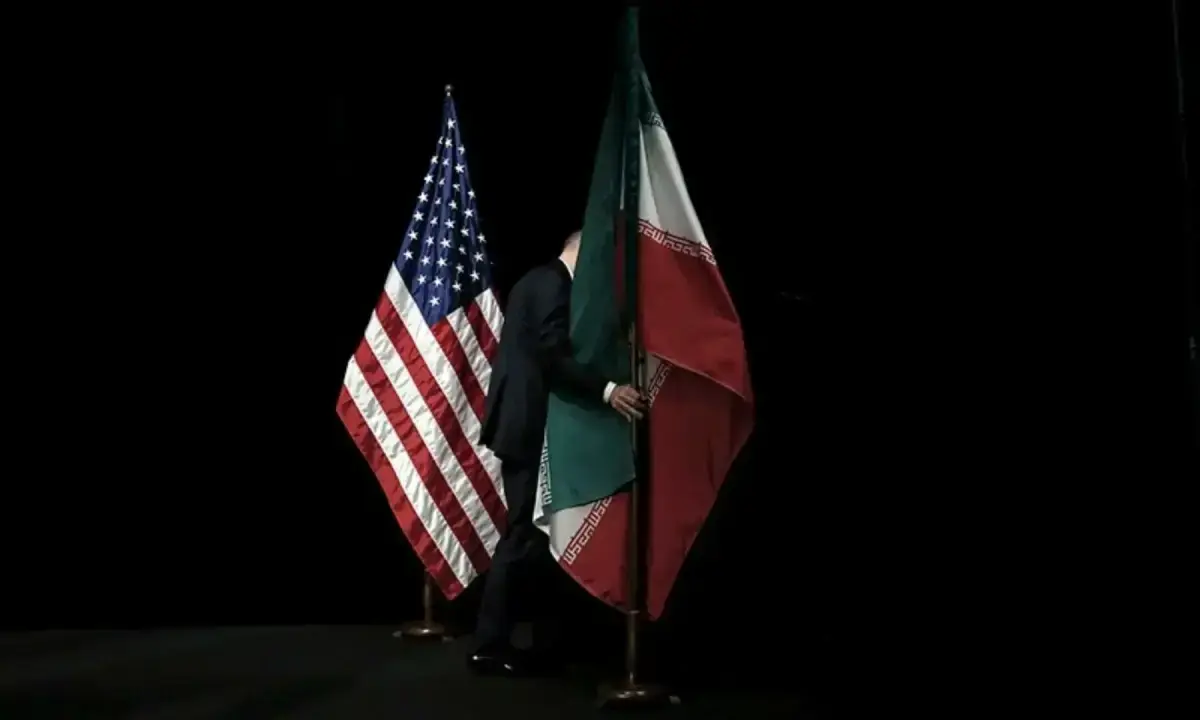
The United States and Iran have reportedly agreed on the text of a deal that would extend their ceasefire by 60 days, immediately reopen the Strait of Hormuz without tolls, and offer Tehran sanctions relief in exchange for compliance. The agreement, per Axios, will be called the “Islamabad Agreement” once formally signed, a nod to the mediation roles played by both Pakistan and Qatar in getting the two sides to the table.
The deal isn’t signed yet. Negotiators have agreed on the language, but final approval from senior officials in both Washington and Tehran is still pending. A signing ceremony is reportedly being prepared in Geneva, with US Vice President JD Vance potentially flying in for the occasion.
What’s in the deal
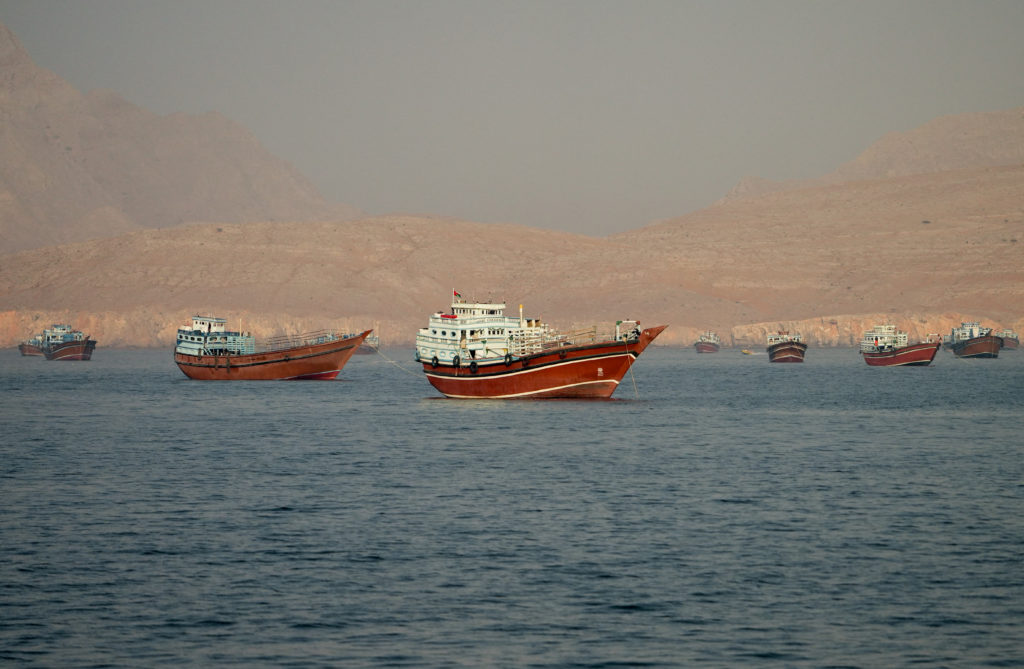
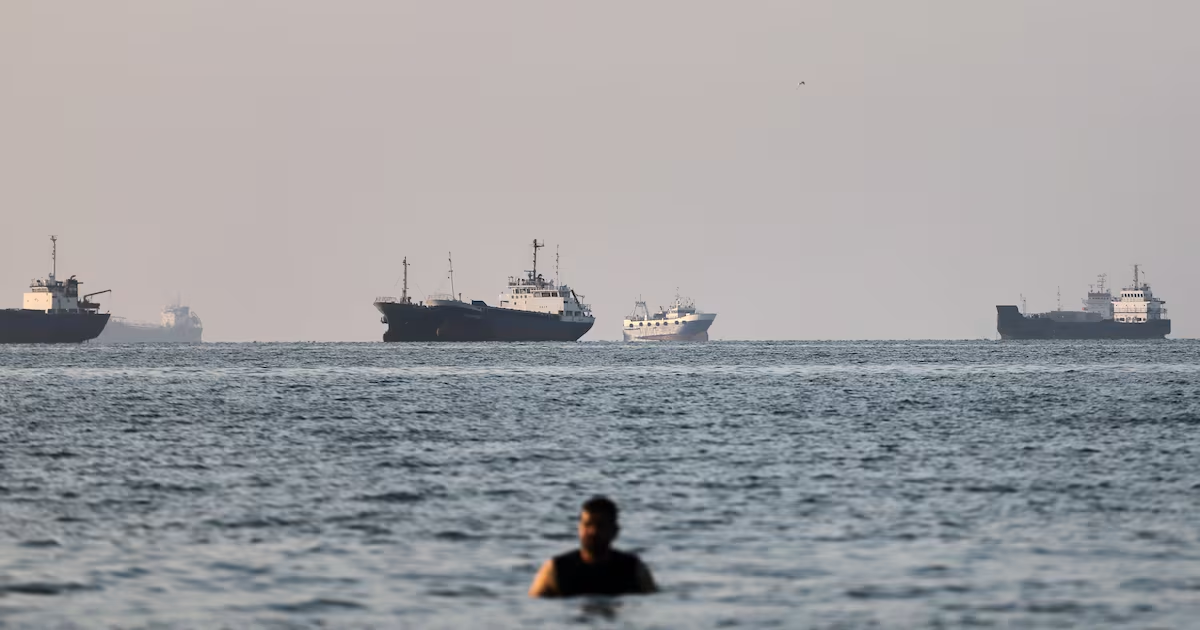
The draft memorandum of understanding covers three major pillars. First, a 60-day extension of the existing ceasefire, designed to create a window for substantive nuclear negotiations. Second, the immediate reopening of the Strait of Hormuz, the narrow waterway through which roughly a fifth of the world’s oil supply passes, without any tolls or transit fees. Third, sanctions relief for Iran, but only if Tehran holds up its end of the bargain.
Earlier drafts referenced by Iranian state media suggest that Iran could gain access to $12B in frozen assets within 60 days of the agreement taking effect.