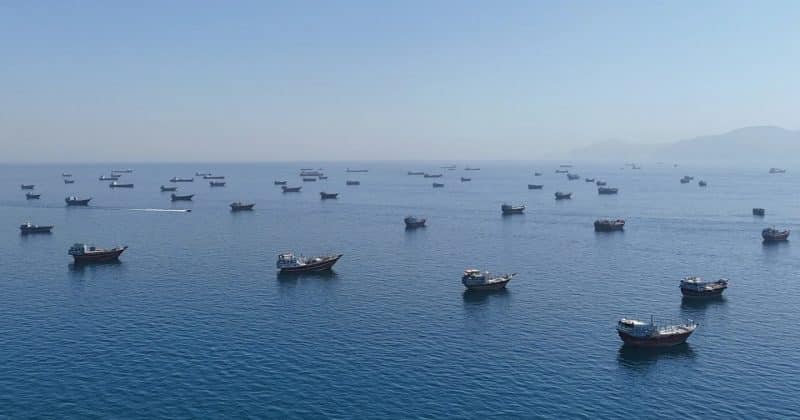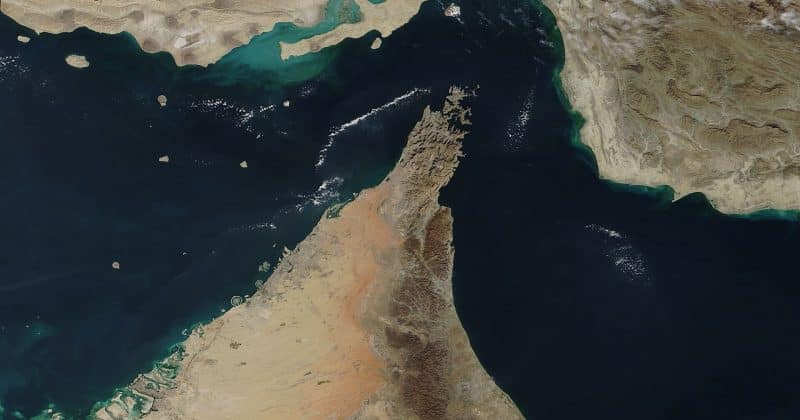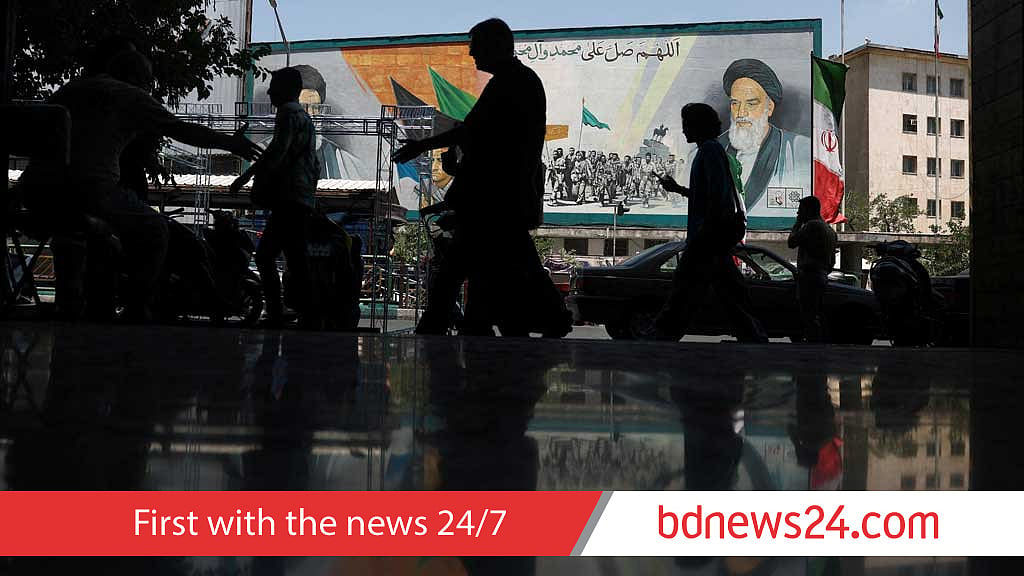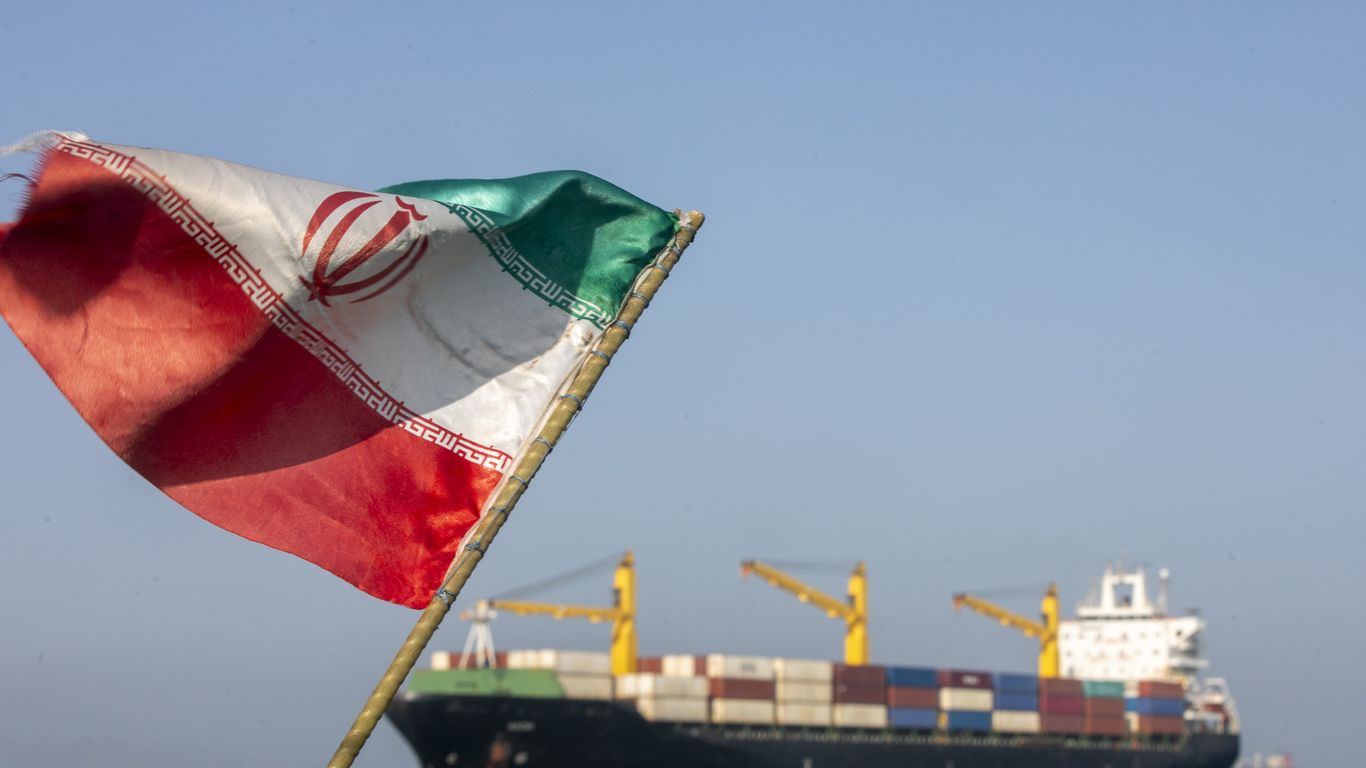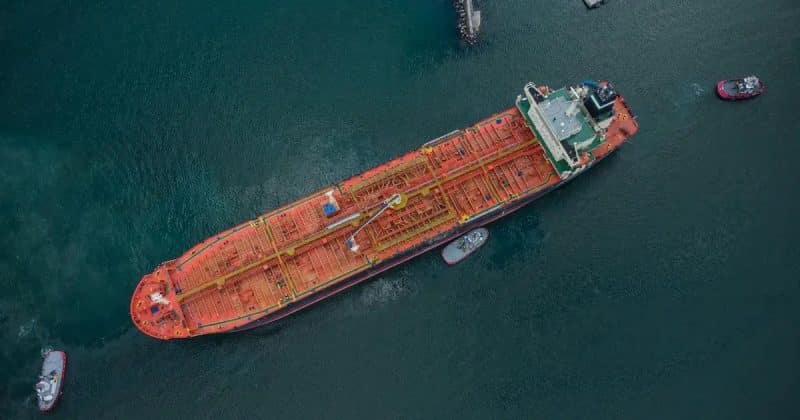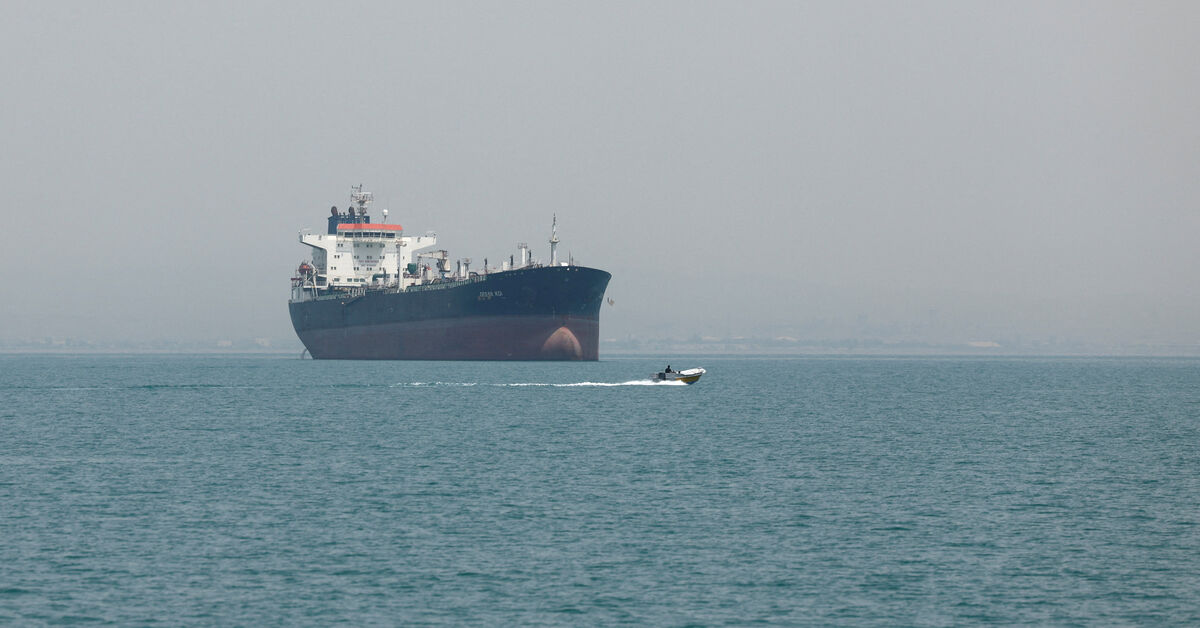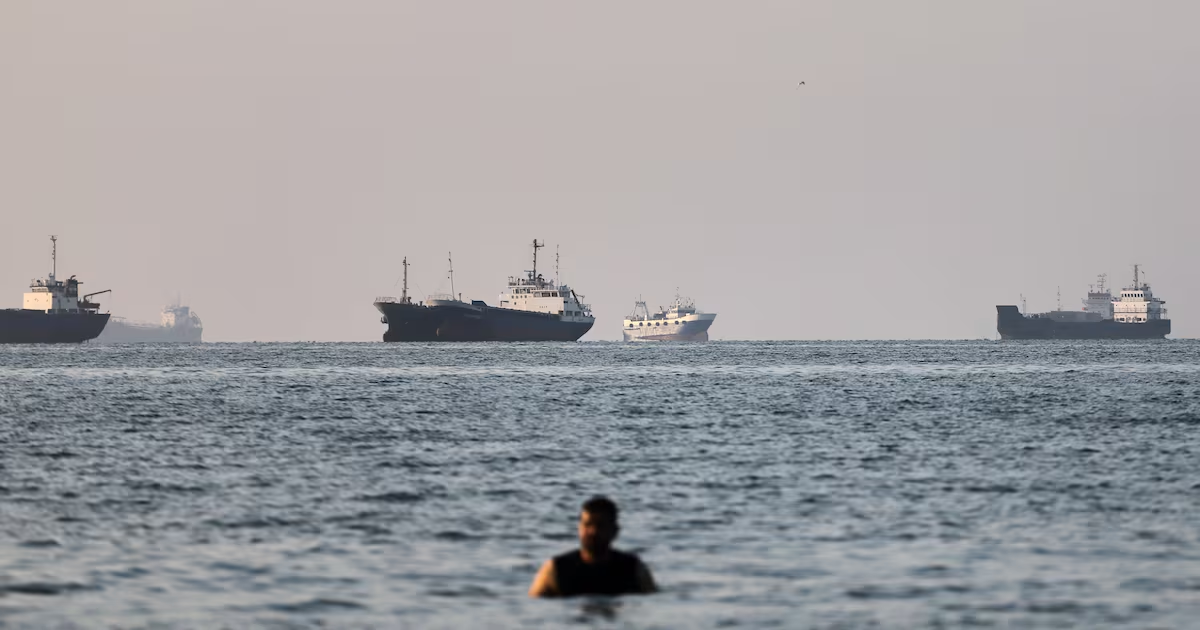
The deal announced between the US and Iran will extend their ceasefire by 60 days and reopen the Strait of Hormuz, a first step in easing a global energy crisis that could lay the foundations for an end to the war.The memorandum of understanding comes after a week of frantic diplomatic activity by regional mediators amid clashes that threatened to plunge the adversaries back into full-blown conflict.Details have not been announced, but this is what we know so far:How quickly will the Strait of Hormuz reopen?The pact allows for the gradual reopening of the strategic waterway that has been in effect shut since late February, increasing global energy prices.US president Donald Trump said on Sunday, “with the opening of the Strait upon the signing of the Deal on Friday, for purposes of mine removal, oil will flow on both ends again for the Region, and the World!”Iran has committed to demining the strait and refraining from charging tolls for vessels transiting the area during the 60-day ceasefire extension.Trump said the US would also lift its naval blockade imposed in April on ships moving in and out of Iranian ports.Since the agreement includes a cessation of hostilities, Iranian attacks on vessels transiting the strait must end, as must US strikes on Iranian targets along the coast and its blocking of ships leaving Iran.But it could take some time before ships feel comfortable moving through the strait and insurance premiums fall.Will Iran dismantle its nuclear programme?Under the deal, Iran will reaffirm that it will not procure or develop nuclear weapons. The two sides will hold nuclear talks to agree on a mechanism to resolve the disposal of Iran’s more than 9,000kg stockpile of enriched uranium, a person briefed on the deal said.The minimum commitment is for all the enriched uranium to be down-blended on site, under the supervision of the International Atomic Energy Agency, the person said.It is mostly enriched at low levels, but a stockpile of 440kg is near weapons-grade levels.[ US and Iran agree permanent peace deal, Trump says Strait of Hormuz will reopenOpens in new window ]US and Iran say peace deal reached. A woman walks past a billboard displaying Iran's national flag at Enghelab Square in Tehran. Photograph: AFP via Getty Images Is there an economic benefit for Iran?The US will grant Iran a waiver to sell oil during the 60-day ceasefire extension.But sanctions relief, including the unfreezing of Iran’s assets held overseas, would be phased and depend on the progress of the nuclear talks and a final deal – an agreement described by the US as “performance based”.“We really structured this in such a way where, as we build trust, as the Iranians perform, they get economic relief,” a senior US official said.What will the pact mean for the region?The pact calls for a halt to hostilities across the region, including the conflict between Israel and Hizbullah, the Iranian-backed Lebanese militant movement.“Fundamentally, we feel confident that the Israelis, that the Gulf partners, the Americans, the Iranians are all going to get behind this thing, and we can make it enforceable, and we can make it stick,” the senior US official said.But he said that too was contingent on Iran’s actions. “That doesn’t mean they give up the right to self-defence, and if the Iranians don’t honour their end of the obligation, I wouldn’t expect the Israelis to not respond,” the senior US official said.Israel is not signing the deal, even though prime minister Binyamin Netanyahu has repeatedly spoken to Trump in the run-up. A fresh Israeli attack on the southern suburbs of Beirut – a Hizbullah stronghold – on Sunday highlighted the potential for it to scupper the settlement.Copyright The Financial Times Limited 2026[ Welcome to Donald Trump’s 80th birthday cage fight: ‘The most American thing I’ve ever seen’Opens in new window ]
What is in the US-Iran deal and when will the Strait of Hormuz open?
The agreement will extend ceasefire by 60 days, reopen the Strait of Hormuz and begin nuclear negotiations
636 words~3 min read