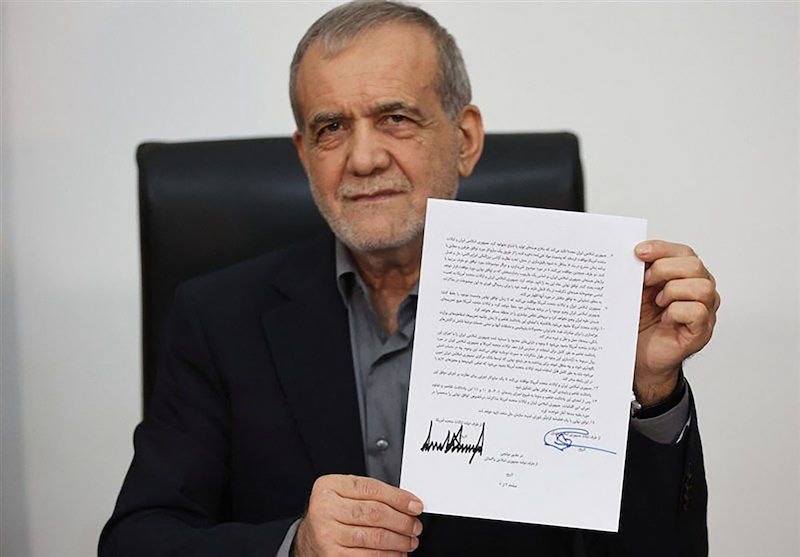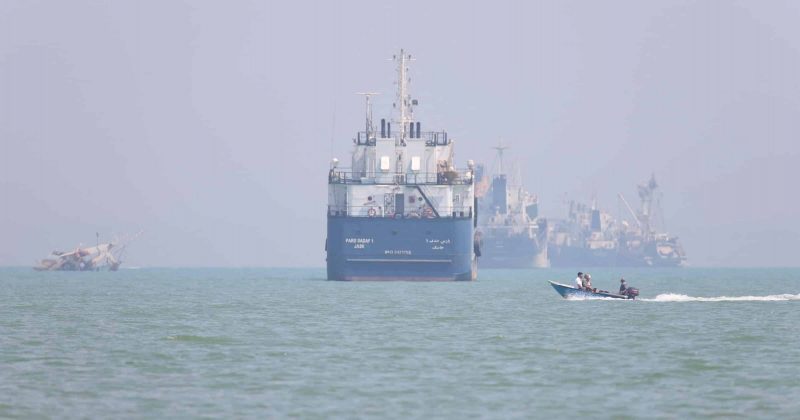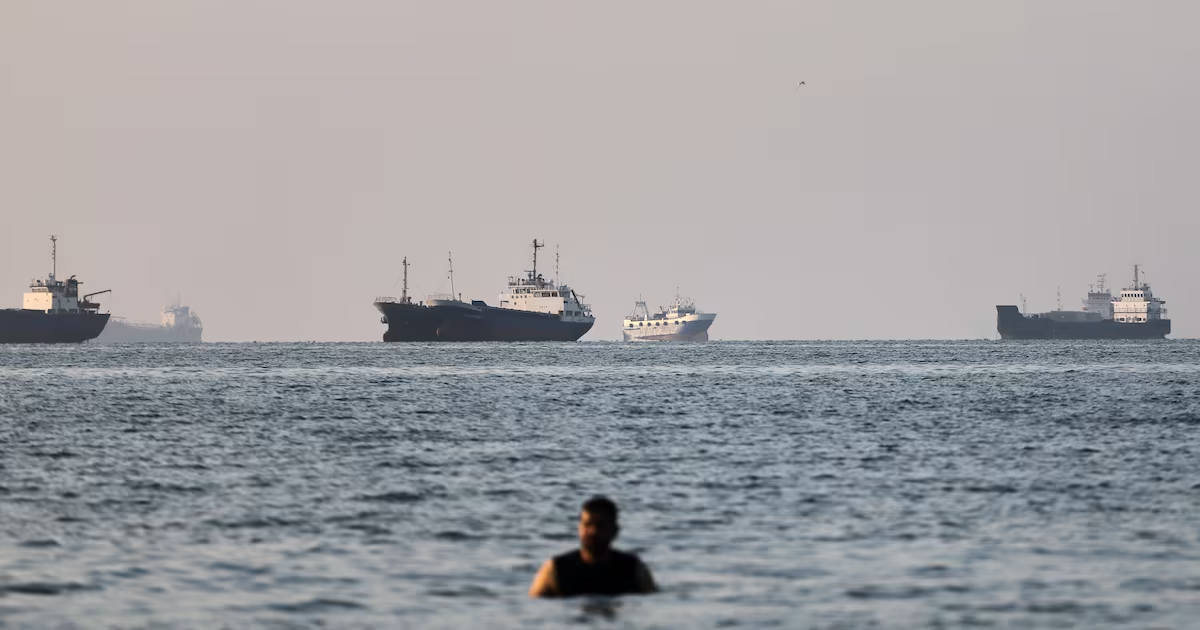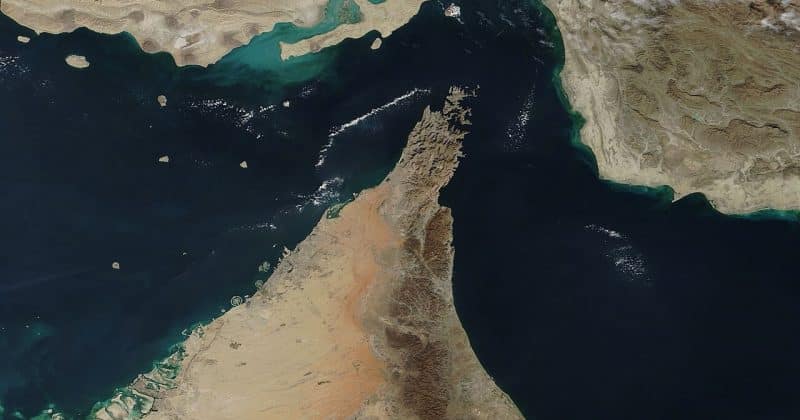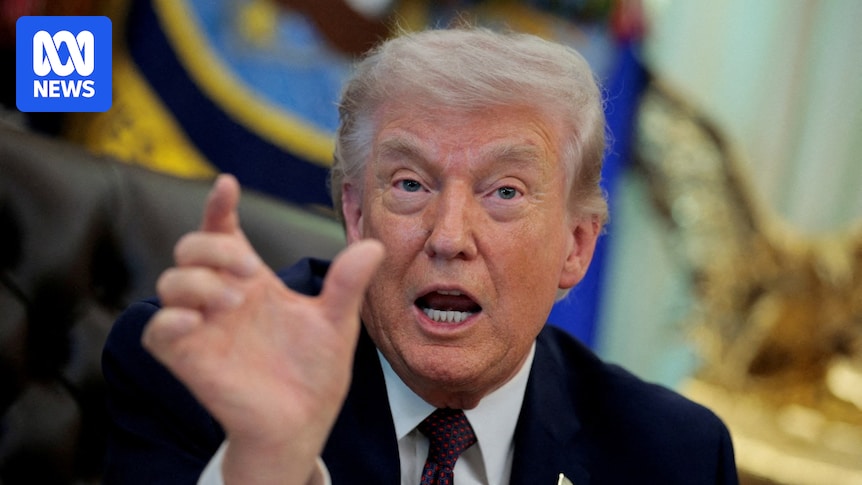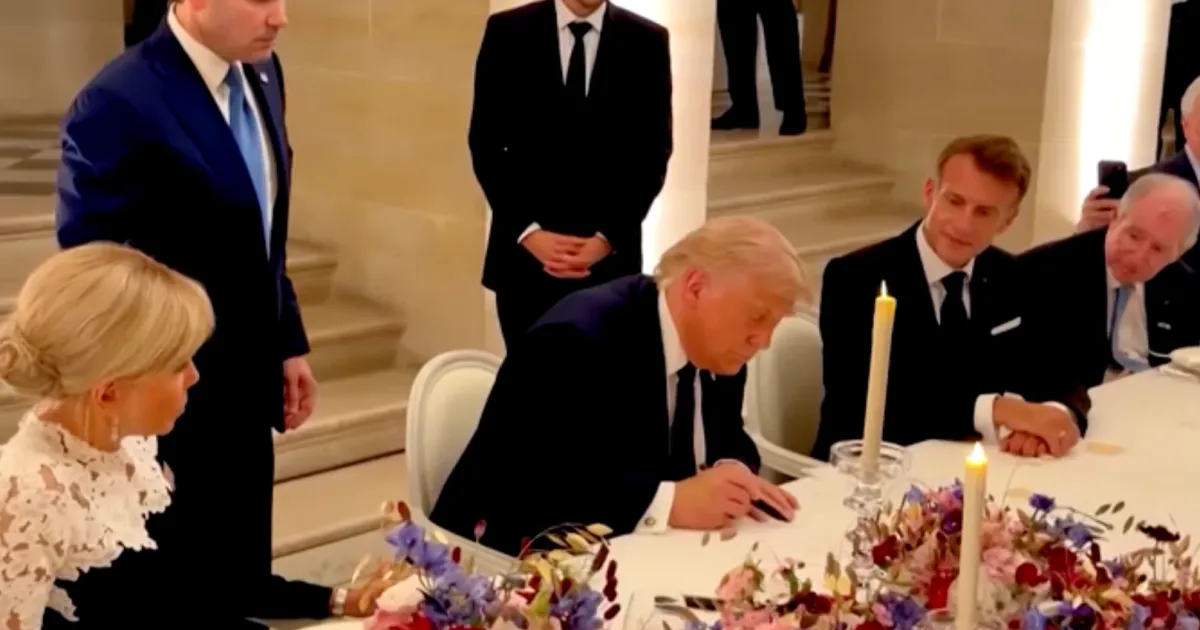
The United States and Iran have electronically signed a memorandum of understanding to extend their ceasefire and reopen the Strait of Hormuz.Iran’s Ministry of Foreign Affairs spokesperson, Esmaeil Baghaei, said late on Wednesday that the agreement had gone into effect.Recommended Stories list of 3 itemslist 1 of 3Read the US account of unreleased 14-point Iran ceasefire memorandumlist 2 of 3Tehran says considering plan for Iran, US presidents to sign deallist 3 of 3Strait of Hormuz reopens: But can ships’ safety be assured?end of list“The text of the Islamabad Memorandum of Understanding was finalised with the signatures of the presidents,” Baghaei told the news agency IRNA. “Now it is time to test the implementation of the agreement.”Trump told reporters that he had signed the memorandum with Iran at the Palace of Versailles, near the French capital, Paris.“It’s signed,” Trump said as he left Versailles. “I signed it in Versailles,” he added. “Just signed it.”The White House later confirmed that Trump had signed the breakthrough agreement.Since February 28, the US and Israel have been jointly engaged in a war against Iran, though a temporary ceasefire suspended much of the most intense fighting on April 8. This agreement extends the ceasefire for 60 days, with Iran gradually reopening the strait and the US lifting its blockade of Iranian ports.The agreement paves the way for further negotiations over Iran’s nuclear programme. In return, the US will move to waive some wide-ranging sanctions against Iran.Given that both sides signed the agreement electronically, Baghaei noted that there would not be a signing ceremony on Friday in Geneva, Switzerland, as had previously been expected.Negotiating teams, however, still plan to be in the Swiss city. A decision on a possible in-person meeting between them is expected in the coming hours, though for now such plans are paused, according to Baghaei.Video footage of the moment the US president physically signed the interim deal at the Versailles Palace showed him pausing before putting pen to paper.“This was not easy,” Trump told his audience, holding out his hands. “I can tell you that,” he added as he signed the first page.Iran will monitor US compliance without ‘leniency’Baghaei addressed Iranian media following the signing, stating that Iran will monitor the US’s compliance “without any leniency” and will not “fulfil” its commitments if Washington “evades its obligations”.He also said that Iran’s nuclear programme and the lifting of US sanctions would be discussed during the 60-day period, but that Tehran’s missile programme would be off the table.“Iran’s missiles are only for firing, not for negotiation. Iran’s defence capabilities will not be discussed in any process with any party,” he said.Baghaei additionally said Iran would not ship its stockpile of highly enriched uranium abroad, and that dilution of the material was “introduced as an option to close the door on other possibilities”.Regarding Israel’s war on Lebanon, Baghaei said Iran has shown it “does not abandon its friends” and that it was the US’s responsibility to compel Israel to respect commitments to Iran.On the Strait of Hormuz, Baghaei said Iran would finalise a new regime to manage the waterway along with Oman, and would “charge fees for services” there.This screengrab taken from video footage broadcast by Iran’s IRINN state television network, and made available via AFPTV, shows Iran’s President Masoud Pezeshkian holding up the signed memorandum of understanding [Handout/various sources via AFP]Al Jazeera’s correspondent Mike Hanna warned that the memorandum is likely to face domestic backlash in the US, where Trump has been under right-wing pressure to take a hard line against Iran.“There’s a great deal of dissatisfaction with the memorandum of understanding, as it has been outlined to the public at this particular point, even among some Republicans who have expressed the concern that Iran is being treated leniently,” Hanna said.He also emphasised the administration’s position that the memorandum is not a full-fledged deal, but a prelude to more negotiations.“The administration is fighting hard to persuade the American public and American politicians that this is not a defeat for the United States,” Hanna said.Trump has repeatedly said his goal in launching the war was to prevent Iran from acquiring a nuclear weapon.Since the memorandum was revealed, he has highlighted the document’s assurances that Iran will not seek a nuclear weapon, though Tehran has long denied any intention of doing so.But according to a US account, the memo goes beyond the question of nuclear weapons. It sets up a 60-day timeline for a final deal to be struck, and it indicates that the US will rally “regional partners” to create a $300bn fund for Iran’s reconstruction.The US would also work towards easing some sanctions against Iran, and the country would issue waivers for the export of Iranian fuel.Iran has touted the agreement as a victory. On Wednesday, chief negotiator Mohammad Bagher Ghalibaf told Fars, an Iranian state news agency, that the US had failed to achieve its goals with Iran, and pointed to the memo as proof.“The agreement is a record of US failure,” Ghalibaf said. “People will see it and judge.”Iran’s position on Hormuz, meanwhile, is likely to put pressure on the Trump administration, which had pledged that the strait, a key waterway for trade, would be “permanently toll-free”.Since the start of the war, Iran has effectively blocked the waterway, sending global prices for fuel, fertiliser and other goods soaring.The US responded with its own blockade of Iranian ports, though that effort is slated to end under the memorandum.Both sides, however, have emphasised that the memorandum of understanding is not a final settlement.“It will only become a deal, as such, at the end of the 60-day negotiation period. At least, that’s the intention,” Hanna reported.
Iran, US presidents sign deal to extend ceasefire, reopen Strait of Hormuz
Both sides confirm signing a memorandum of understanding that extends their ceasefire by 60 days.
940 words~4 min read