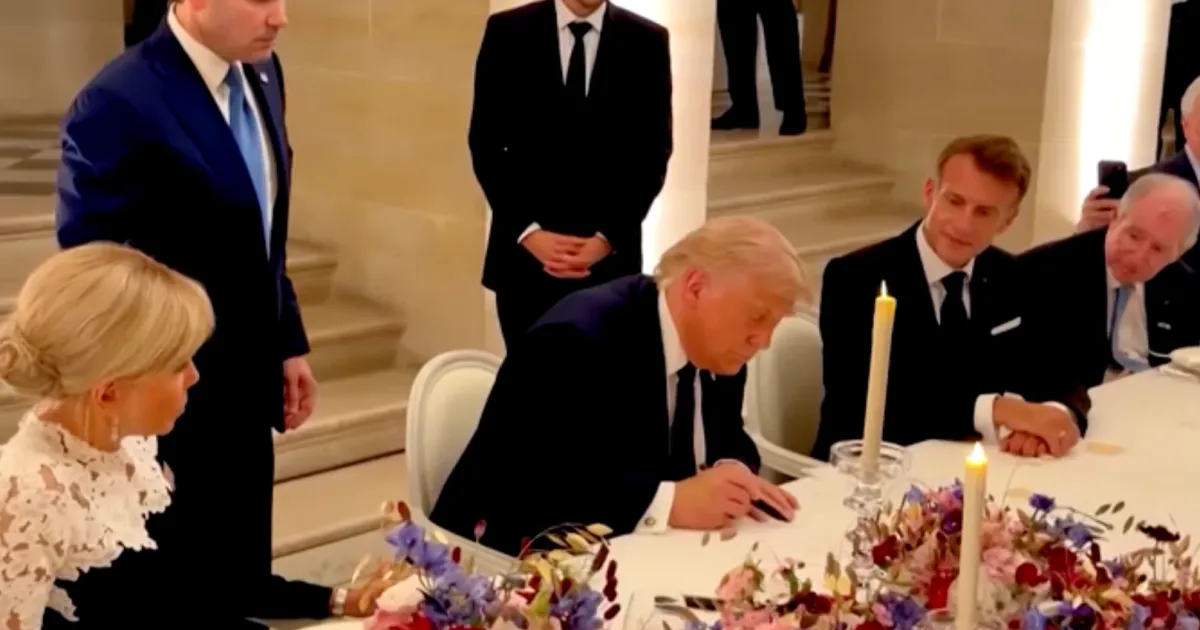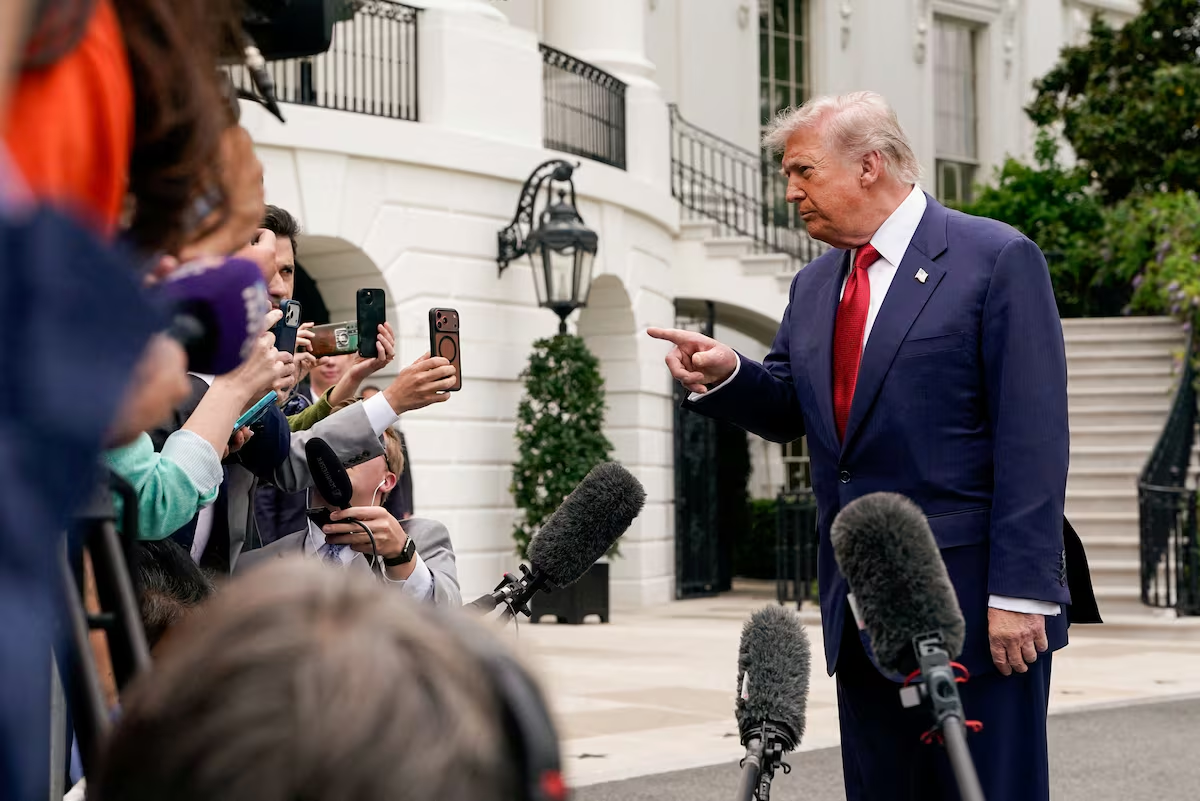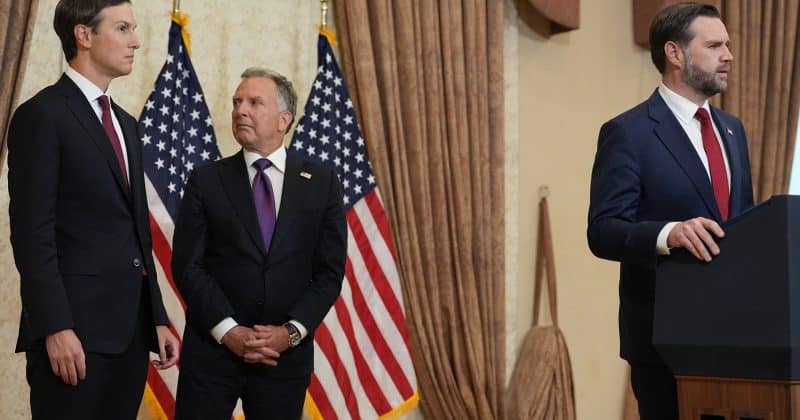
Iran has signed a 14-point interim memorandum of understanding with the United States, extending an existing ceasefire by 60 days and setting the stage for what both sides hope becomes a permanent settlement. The agreement, signed electronically on June 17, 2026, carries the signatures of President Donald Trump and Iranian President Masoud Pezeshkian. Tehran, however, wants it known that it signed under pressure from regional partners, not out of goodwill toward Washington.
Iran’s defense minister made clear the country entered the deal at the request of regional nations, and that any violation of its terms would be met with a firm response.
What the deal actually says
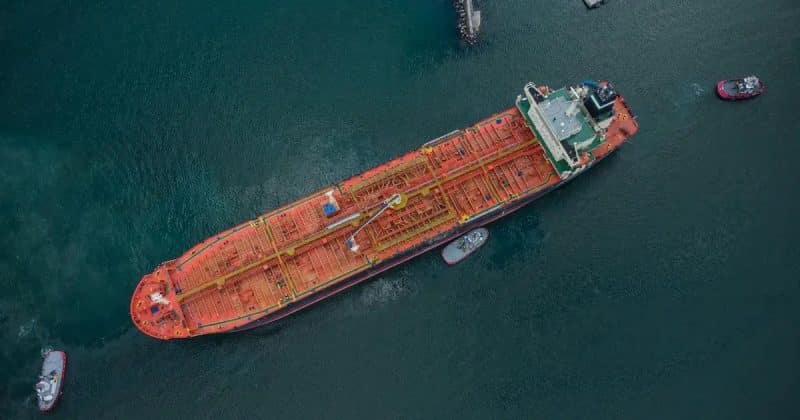
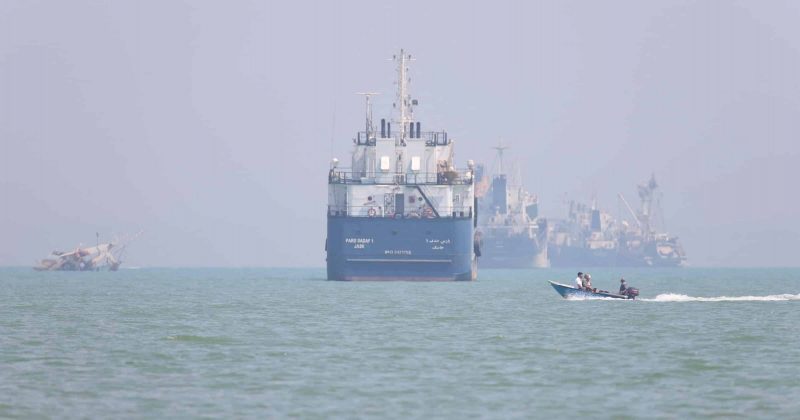
The MOU is built around 14 specific provisions, with two standing out as immediately consequential for global markets. First, the agreement includes a commitment to reopen the Strait of Hormuz within 30 days of signing. Second, the US agreed to waive certain sanctions on Iranian oil exports as part of the package.
The deal also includes a cessation of operations in Lebanon as one of its key elements, reflecting the broader regional entanglements that have complicated the Iran-US relationship well beyond any bilateral nuclear or sanctions dispute.