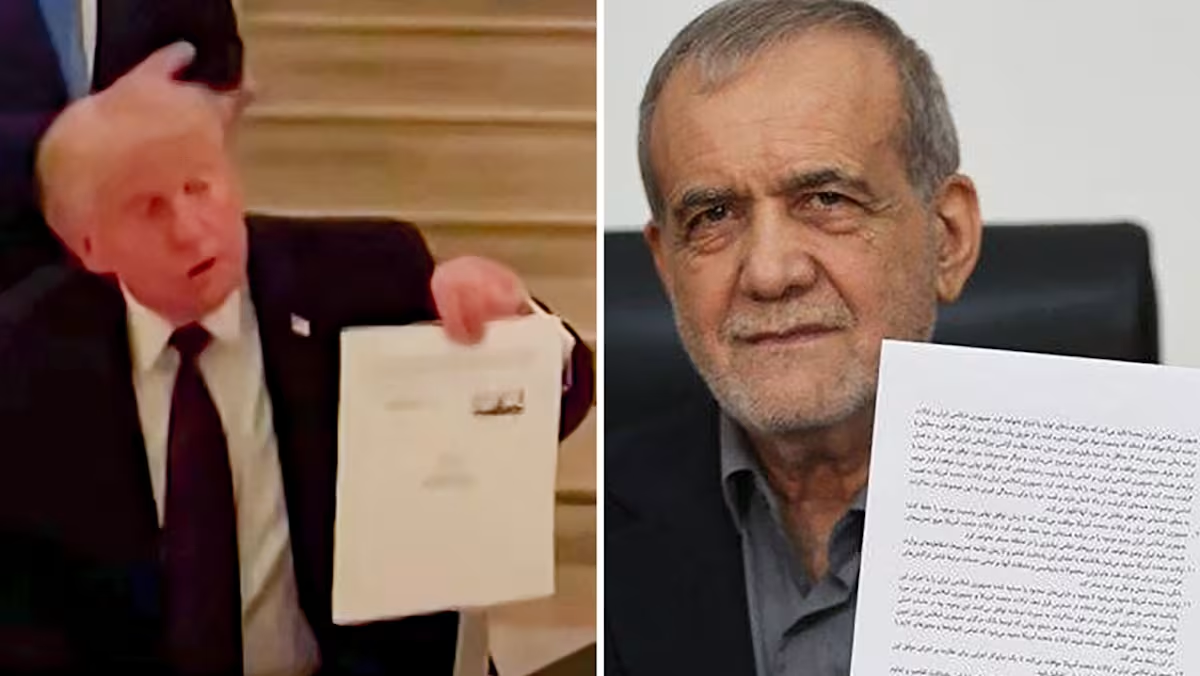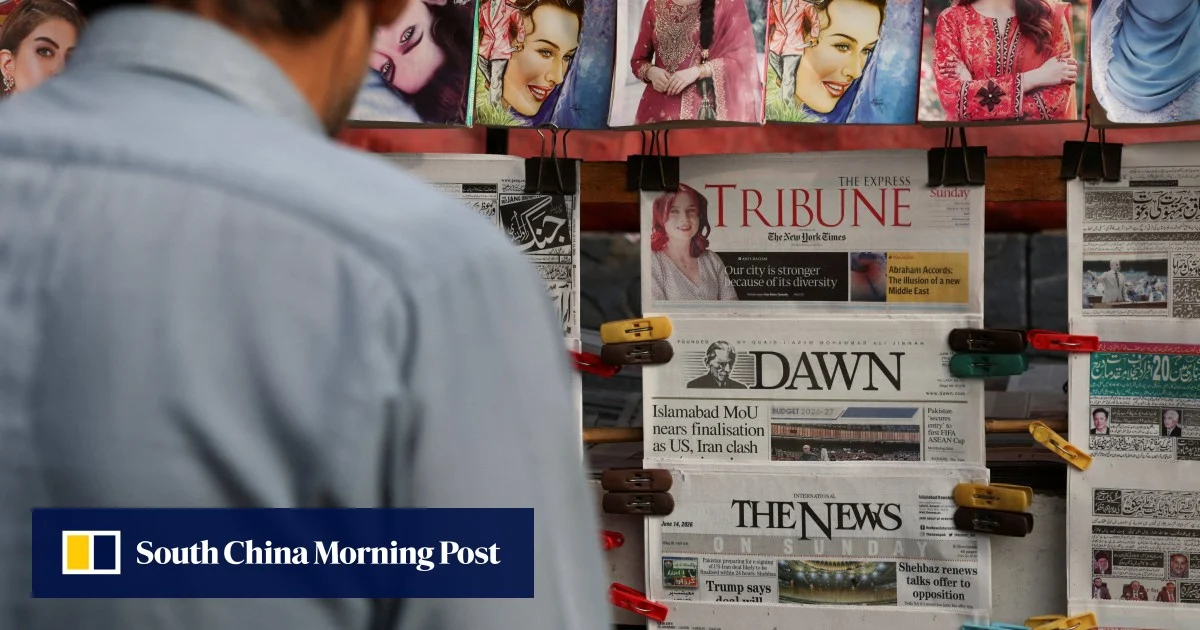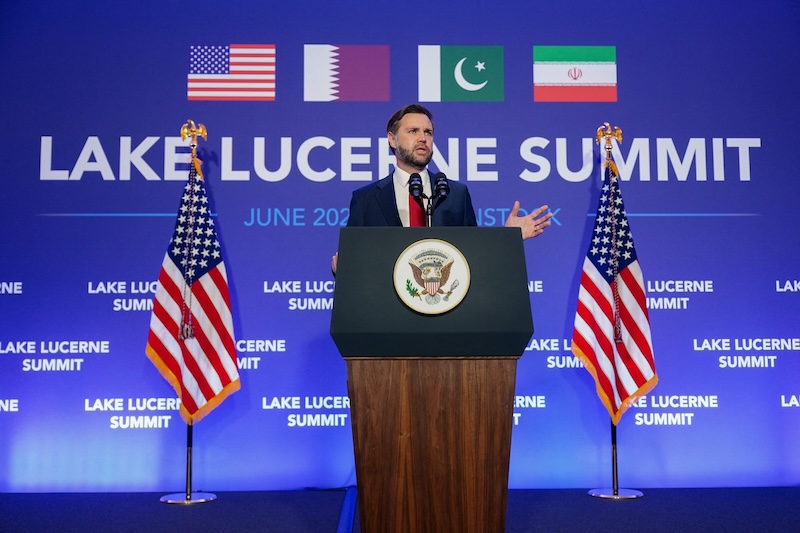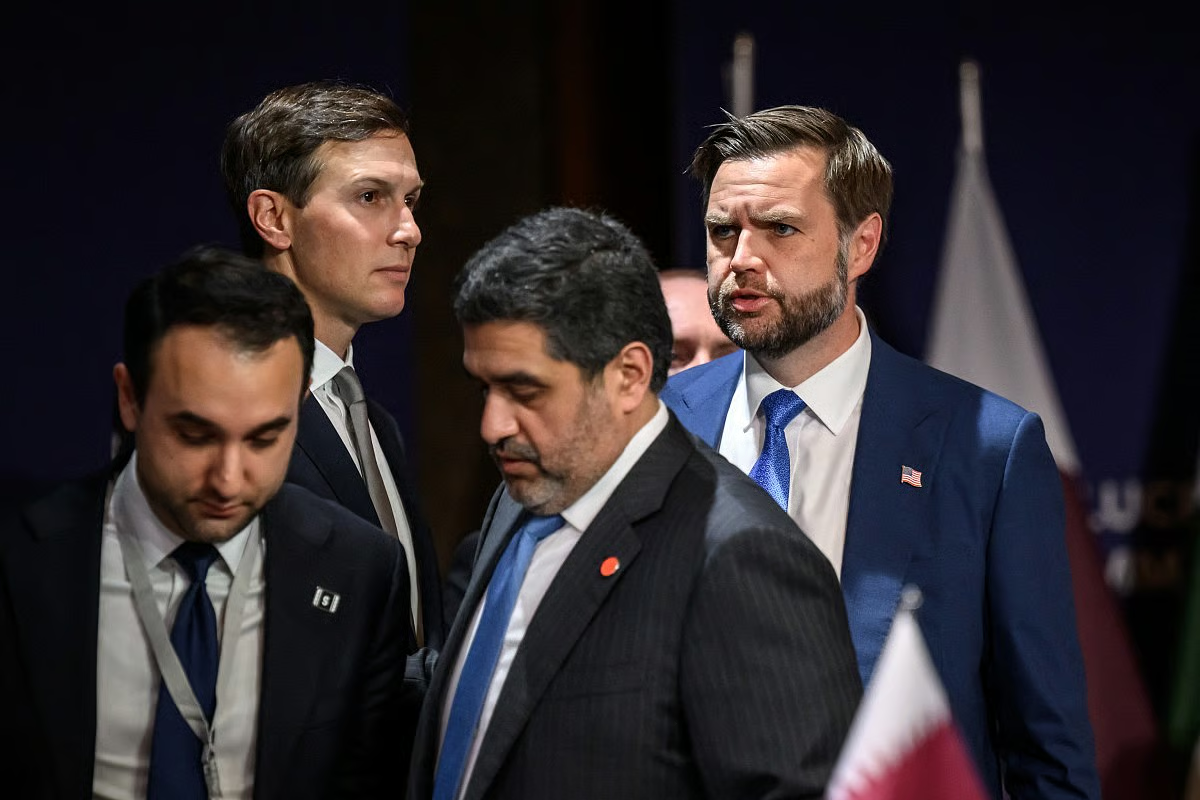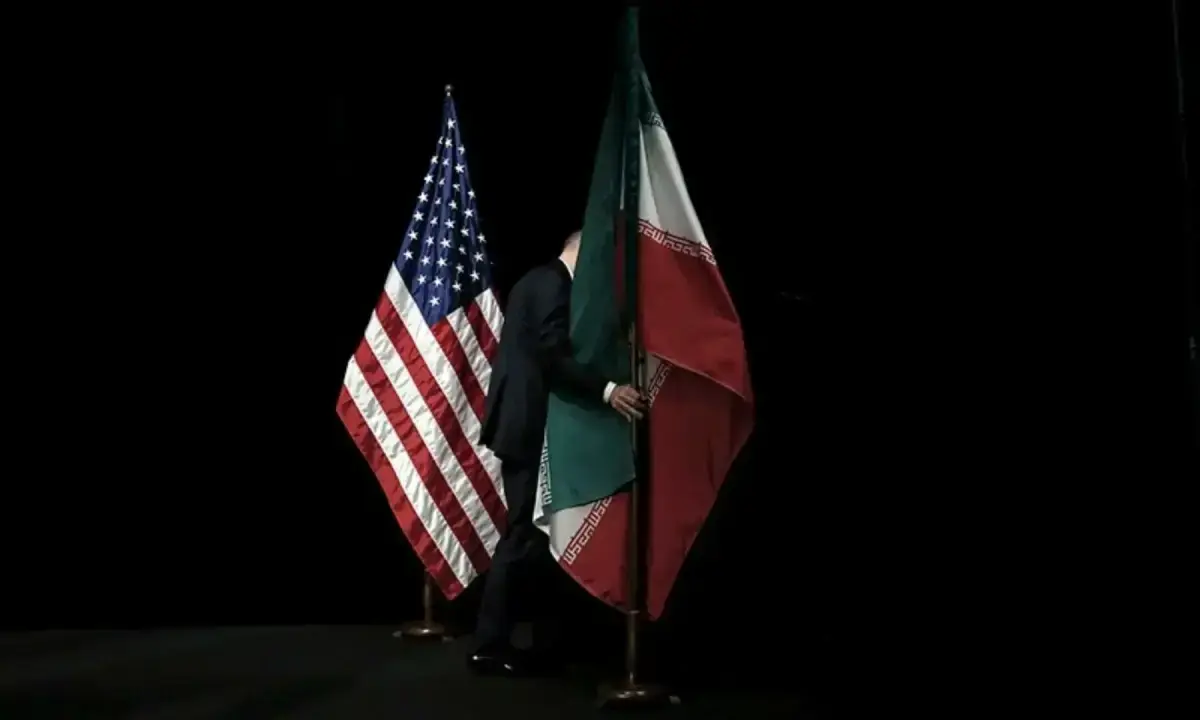
On Wednesday evening, the US and Iran signed the so-called "Islamabad Memorandum of Understanding," extending a ceasefire and kicking off a 60-day phase of technical talks during which the key points of contention are to be resolved.
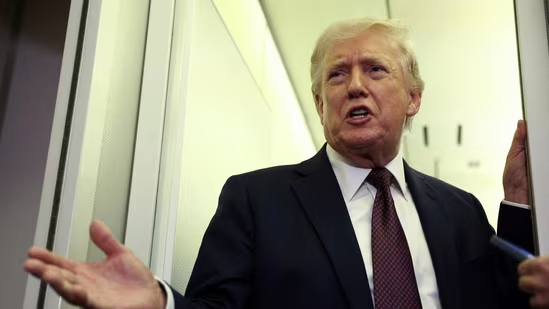
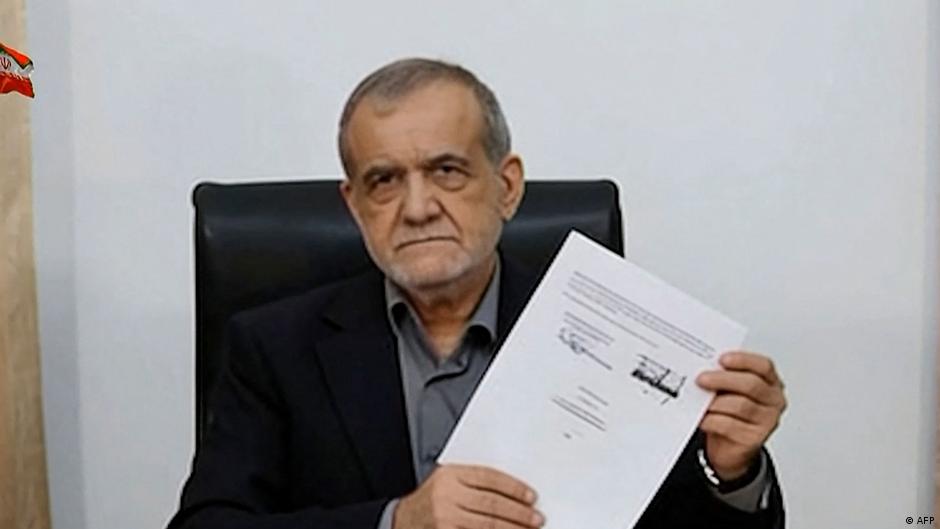
The signing was originally scheduled for Friday in Switzerland, but pressure had grown following days of speculation about the details of the agreement. Trump signed the document at the Palace of Versailles outside of Paris after attending the G7 summit hosted by France on Lake Geneva. Iranian President Masoud Pezeshkian signed it digitally from Tehran.
"There appears to be political will on both sides to continue negotiations, which is encouraging," Middle East analyst Fatemeh Aman told DW.
"At the same time, the most difficult questions have not yet been settled. For that reason, I would describe the prospects as cautiously positive, but far from certain," said Aman, who has worked at the Middle East Institute and Atlantic Council think tanks.
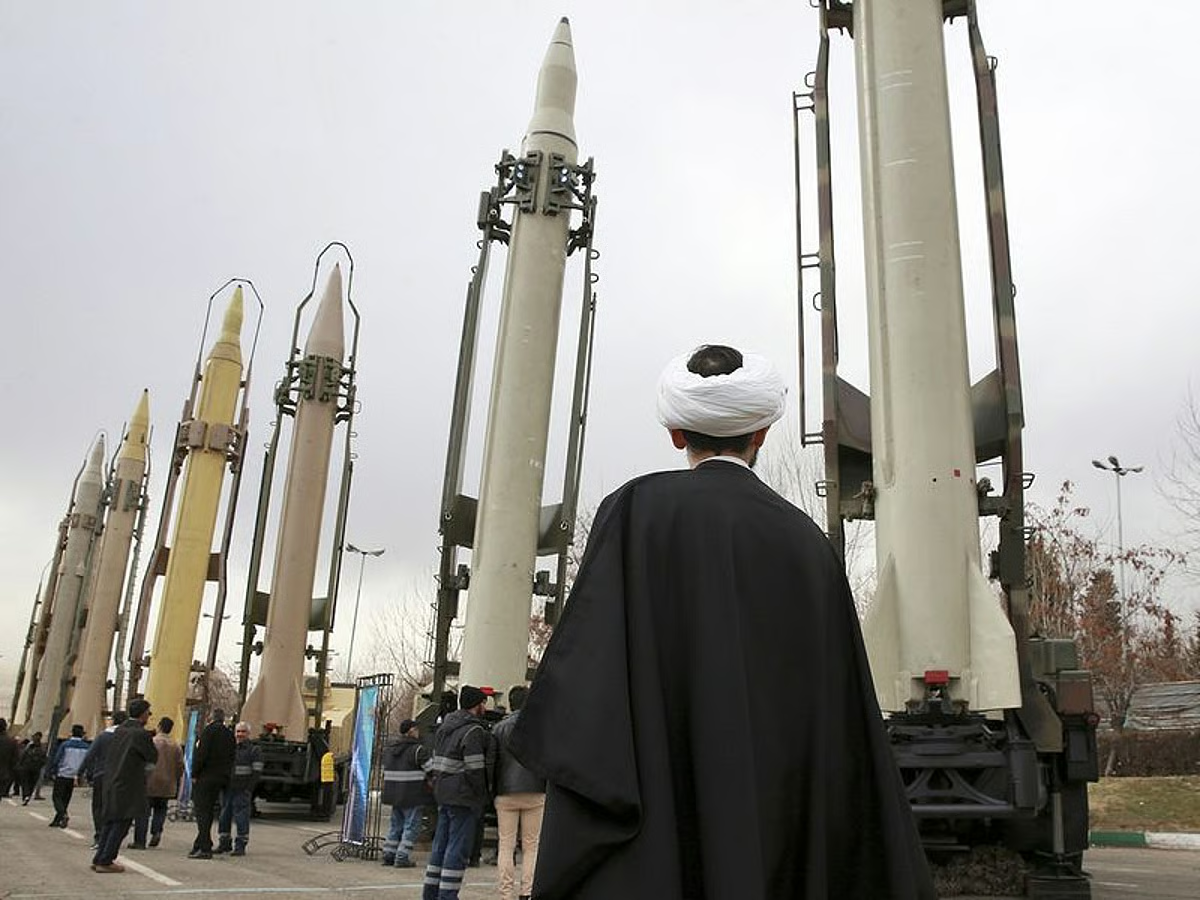
Iran's nuclear program — a bone of contention