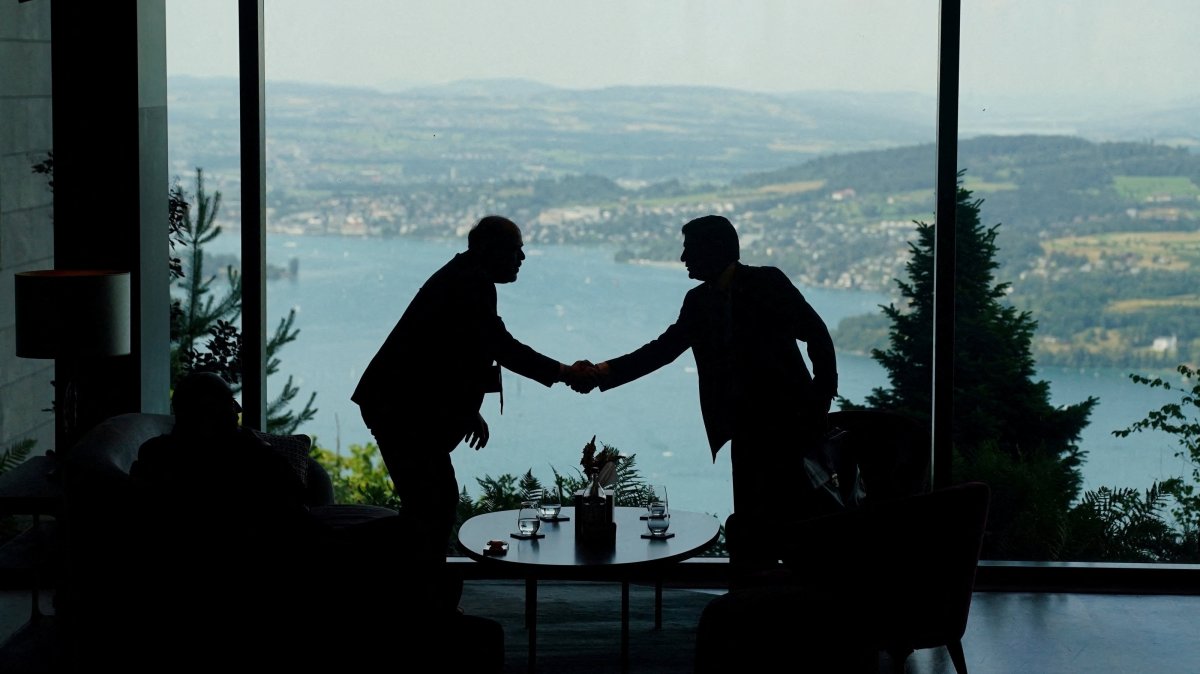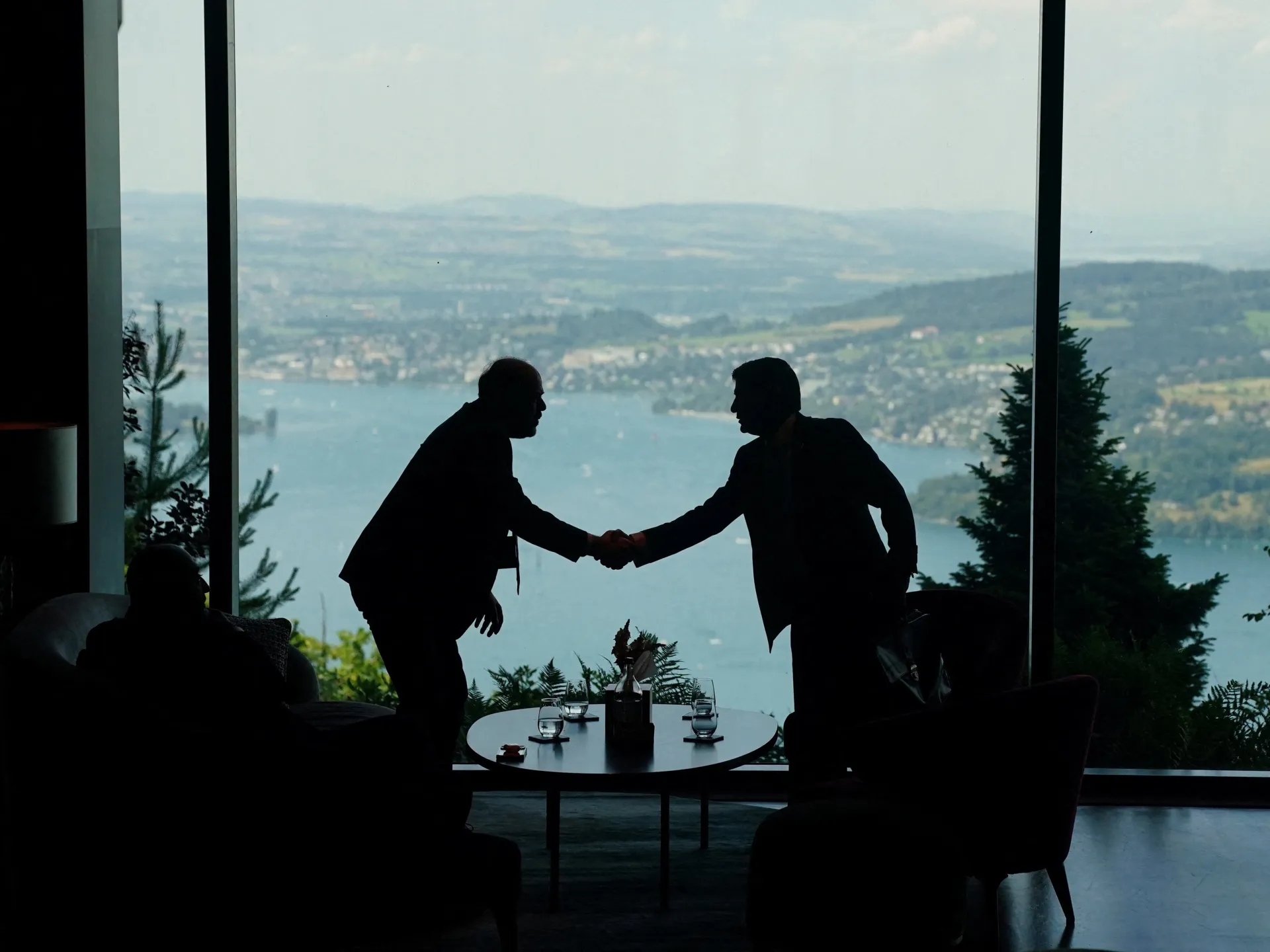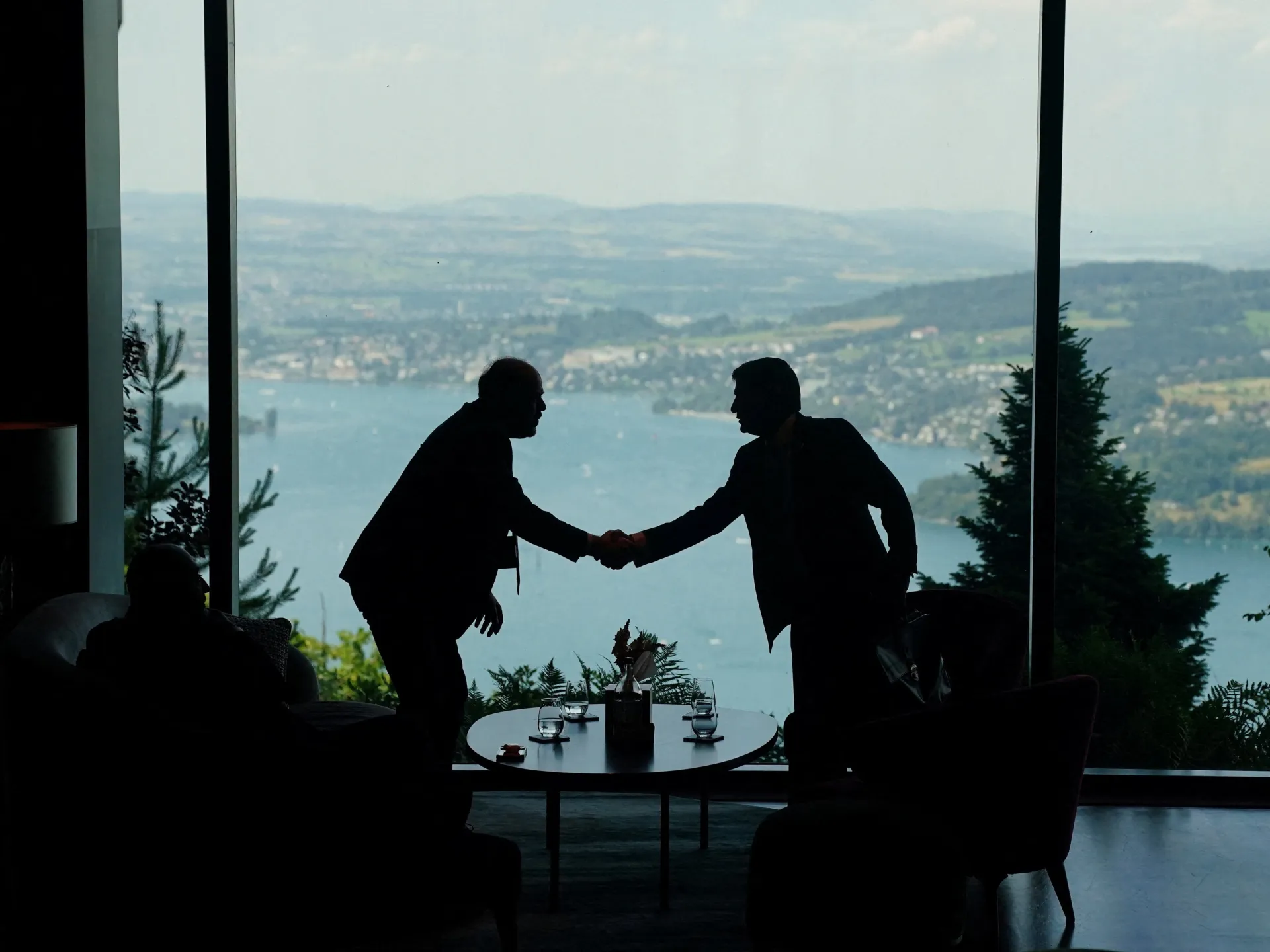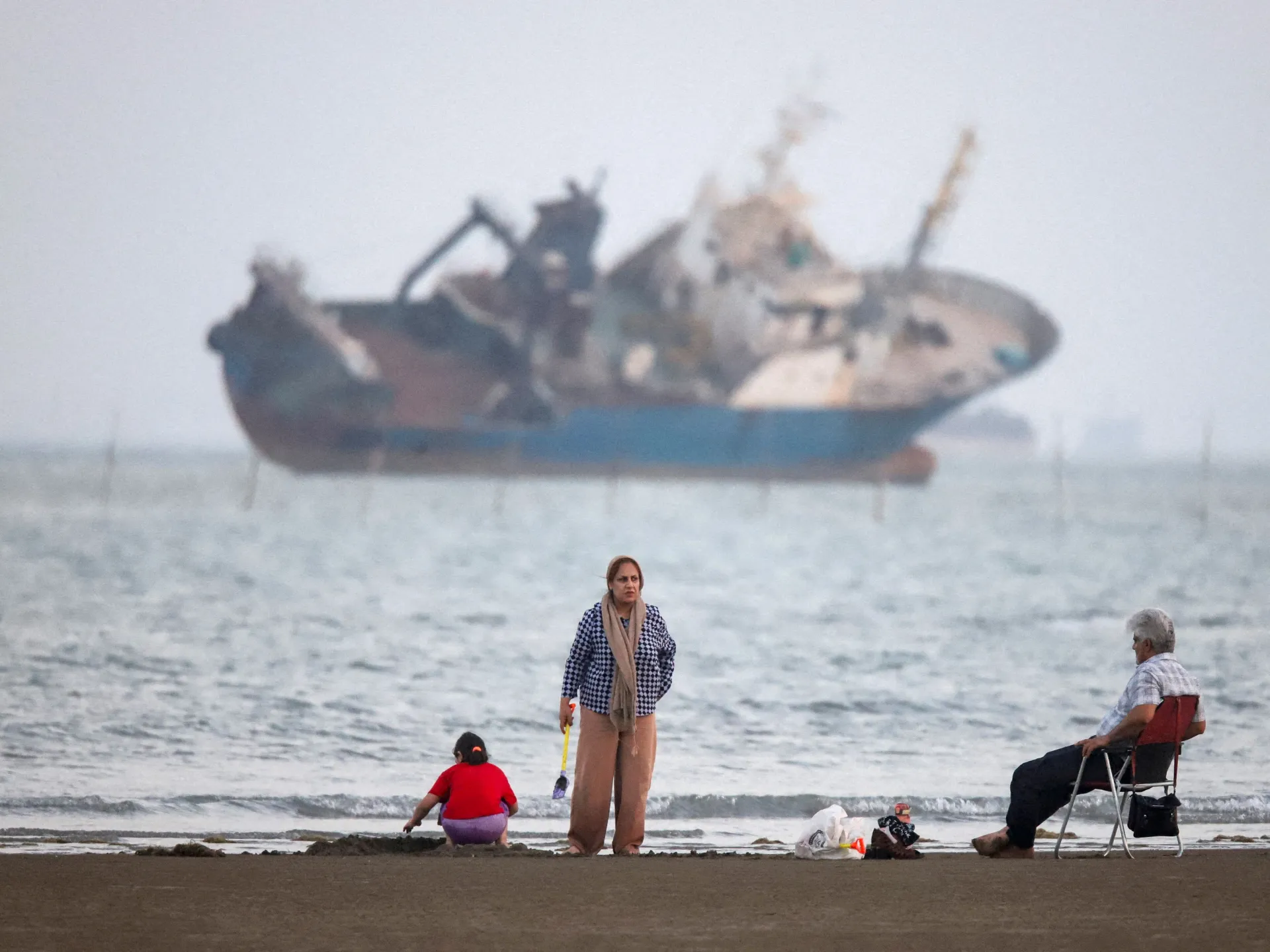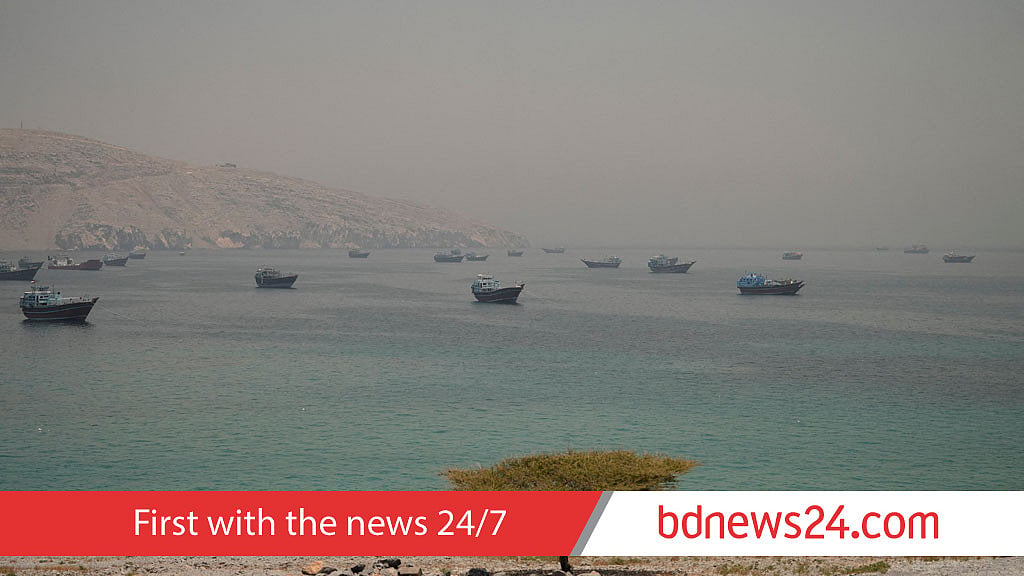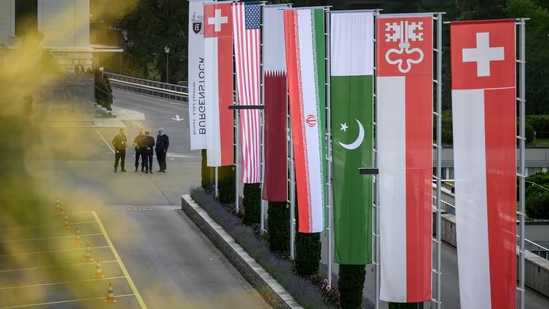
The unachievable peace deal between Washington and Tehran now seems to be around the corner. Swiss sources confirmed that delegations from Iran, the United States, Pakistan, and some Middle Eastern countries will get together at the Burgenstock mountainside resort in the next couple of days to sign a document that has already been seen and approved by both sides. A signature on the dotted line will bring an end to the war between Iran and the US. But more importantly, it will provide relief to the rest of the world, troubled by the dual blockade of the Strait of Hormuz. International fuel prices have already fallen below $80 at the news of the impending peace deal.
While different versions of a potential deal are being published and talked about—a recent one by Arab News—the actual document won’t be available until it is finally signed in Switzerland. Some keen observers I spoke with said that the Arab News document is an American wishlist that may not get implemented in its entirety. Many claims are being made, including the lifting of sanctions, Iran agreeing to stop supporting its proxies in Lebanon, and the opening of Hormuz. However, according to sources in Pakistan who have an eye on the process, a potential deal would reflect the sensitivity of not just the two signing parties, but other stakeholders in the Middle East and Gulf, too. It is believed that the emphasis will be on opening Hormuz and sorting out the nuclear issue—two matters that are critical for the US.It is important to note that the talks between the American and Iranian delegations broke down in Islamabad in early April, mainly on the nuclear issue. The sources claim that this remains a sticky point, with both sides trying to sort out the important issue of the extraction of enriched uranium from the bunkers, where the Iranians hid it during American aerial bombing. A twin question is which country would take this material for safekeeping.