Story audio is generated using AI
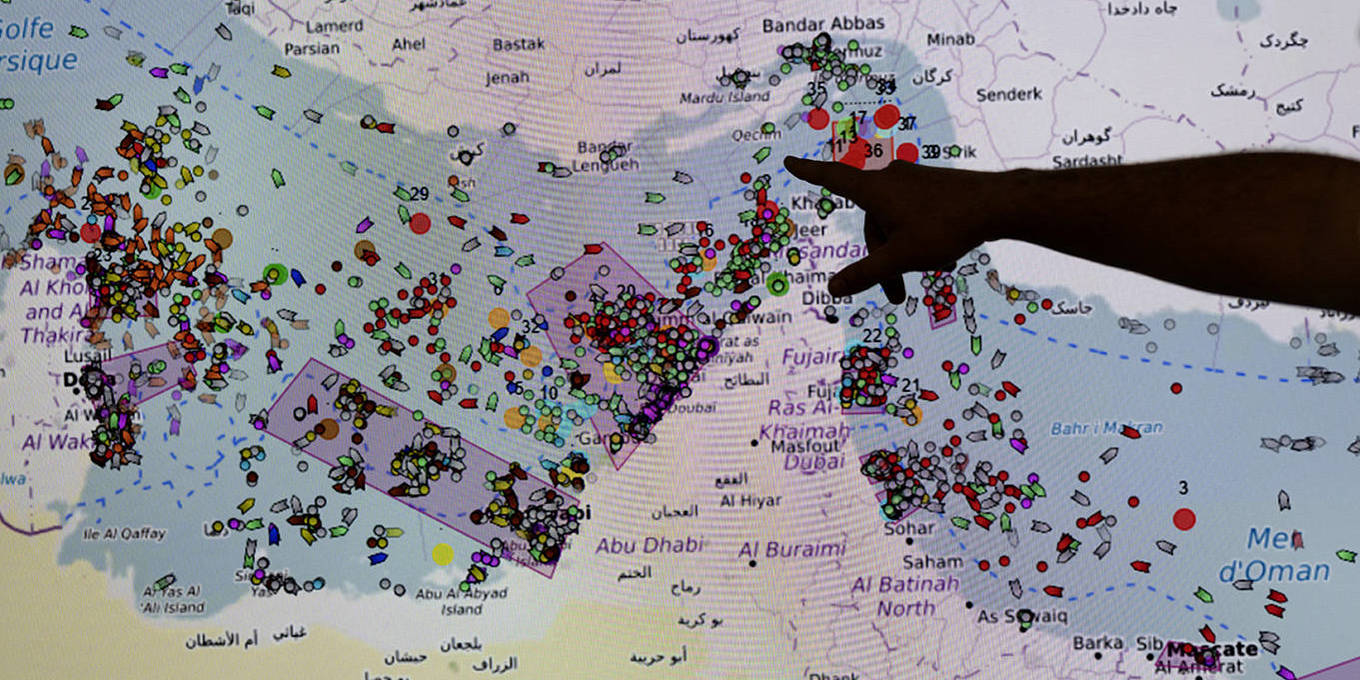
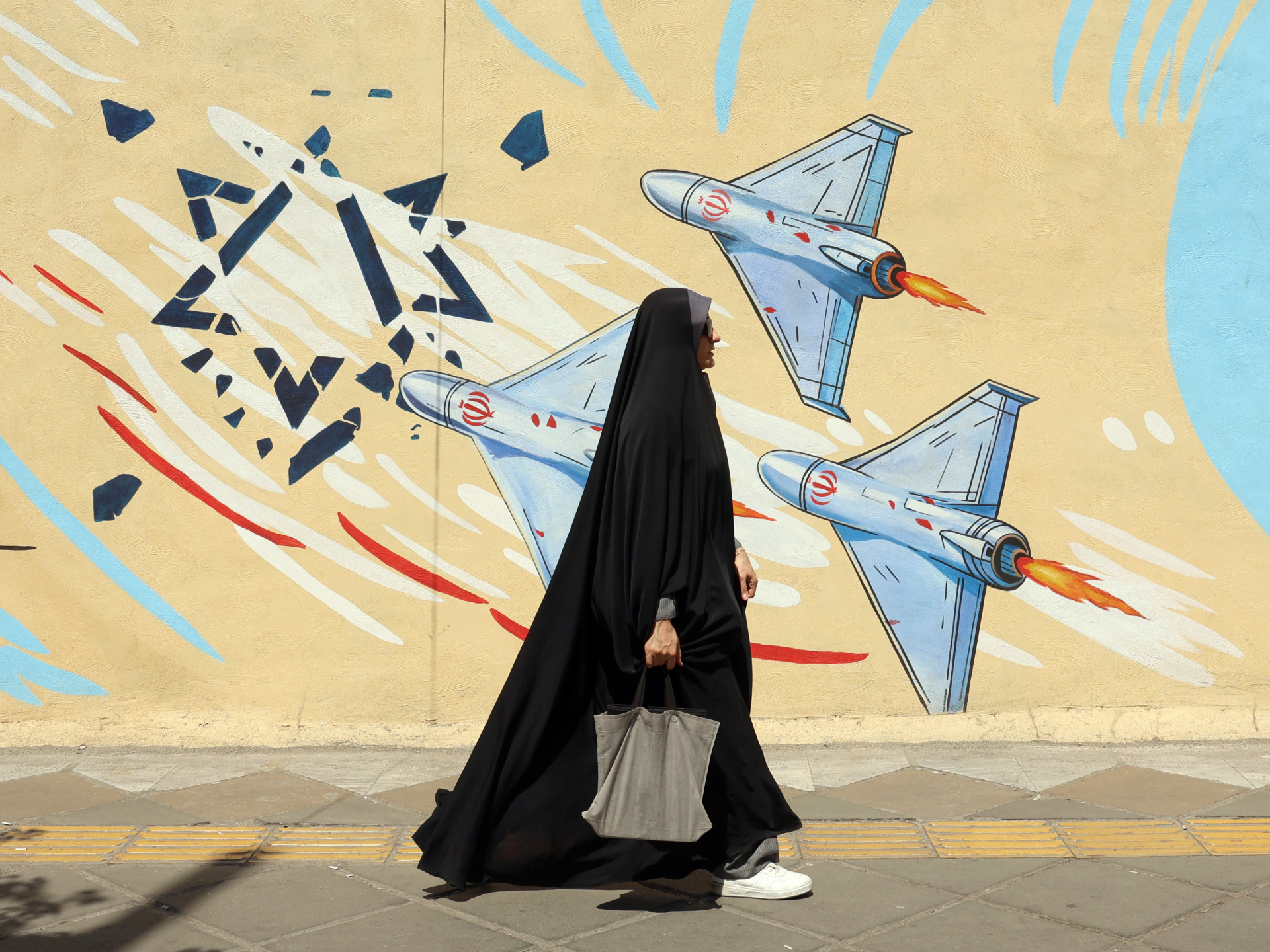
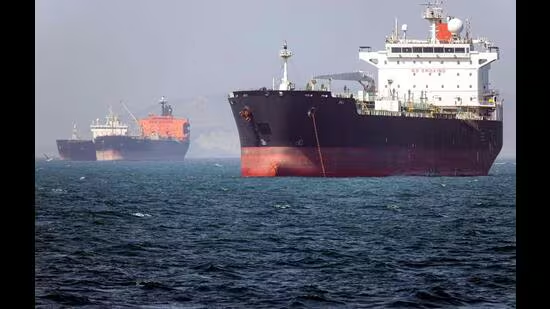
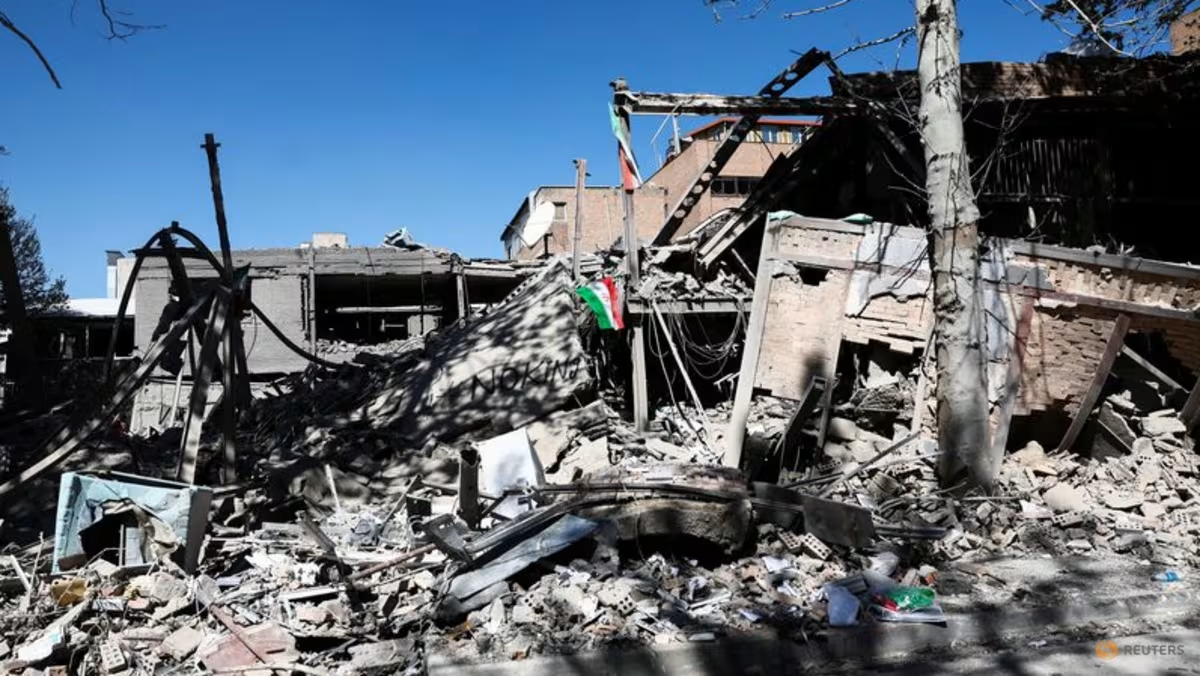
The latest conflict between the US-Israel and Iran has not settled the Middle East’s balance of power. It has revealed how much that balance has already changed. For decades Washington’s regional strategy rested on a familiar formula: American bases, Israeli military reach, Gulf energy security and economic pressure on Iran. That system has not collapsed, but it now looks far less certain than it once did. Iran has survived the war but has not emerged unscathed. Its economy is under severe pressure, its political system faces domestic discontent, and its nuclear programme remains a flashpoint. Yet the conflict showed that Iran can absorb punishment, retaliate across multiple fronts and raise the cost of escalation for every major actor around it. That is the central strategic lesson. Iran does not need to defeat the US or Israel in a conventional war. It only needs to make victory too expensive, too unpredictable and too dangerous for global energy markets to bear. The most important battlefield was not only in the skies over Iran, Israel or Lebanon. It was also the Strait of Hormuz, the narrow waterway through which a major share of global seaborne oil and liquefied natural gas moves. Once that route looked vulnerable the war stopped being a regional security crisis and became a global economic problem. This is not ideology. It is geography and risk managementThat gave Tehran leverage. Missiles, drones, proxy networks and geography combined to create a form of deterrence that is difficult to neutralise from the air. Even a severely weakened Iran can threaten shipping, energy prices, Gulf infrastructure and American bases. That reality is now shaping diplomacy. The Gulf states have drawn their own conclusions. Saudi Arabia, the United Arab Emirates, Qatar, Kuwait and Oman are not becoming Iranian allies. Their rivalry with Tehran remains deep. But they also know Iran is a permanent neighbour, while American attention shifts with every administration. The likely result is more hedging. Gulf states will keep their US security relationships, buy American weapons and court Western capital. At the same time, they will deepen diplomatic channels with Iran, expand ties with China and present themselves as gateways to any future reopening of the Iranian economy. This is not ideology. It is geography and risk management. For Israel, the conflict has produced a harsher strategic environment. Israel still has major military and intelligence advantages. It can strike deep into the region and impose severe costs on its enemies. But tactical reach has not delivered strategic calm. The conflict in Gaza has damaged Israel’s international standing. Lebanon remains unstable. Hezbollah has not disappeared. Iran has shown it can retaliate directly. The longer Israel fights on multiple fronts, the harder it becomes to convert military superiority into durable security. The Middle East is not becoming pro-Iran, anti-American or post-Israel. It is becoming post-certaintyWashington now faces the hardest choice. It wants to protect Israel, reassure Gulf partners, contain Iran, keep oil markets stable, avoid another long Middle Eastern war and compete with China. These goals increasingly clash. A ceasefire framework and renewed negotiations with Tehran suggest that the US has recognised the limits of escalation. Sanctions can weaken Iran, but they also push it closer to Russia and China. Military strikes can degrade capabilities, but they can also harden deterrence and widen the conflict. China may be the quiet beneficiary. Beijing did not need to dominate the battlefield. It only needed to watch America spend military and diplomatic capital in a region where China’s main interest is stable energy flow. The more Gulf states hedge, the more multipolar the region becomes. The Middle East is therefore not becoming pro-Iran, anti-American or post-Israel. It is becoming post-certainty. The old order relied on the assumption that US power could manage the region’s contradictions. The new order is being shaped by drones, sanctions, energy chokepoints, sovereign wealth, public opinion and the hard fact of geography. The war did not create that shift. It made it impossible to ignore. • Muchena is founder of Proudly Associated and author of Artificial Intelligence Applied and Tokenized Trillions.