A political analyst argues that the recent conflict with Iran demonstrated the growing limits of military power, with the US and Israel failing to secure their strategic objectives despite overwhelming military superiority.
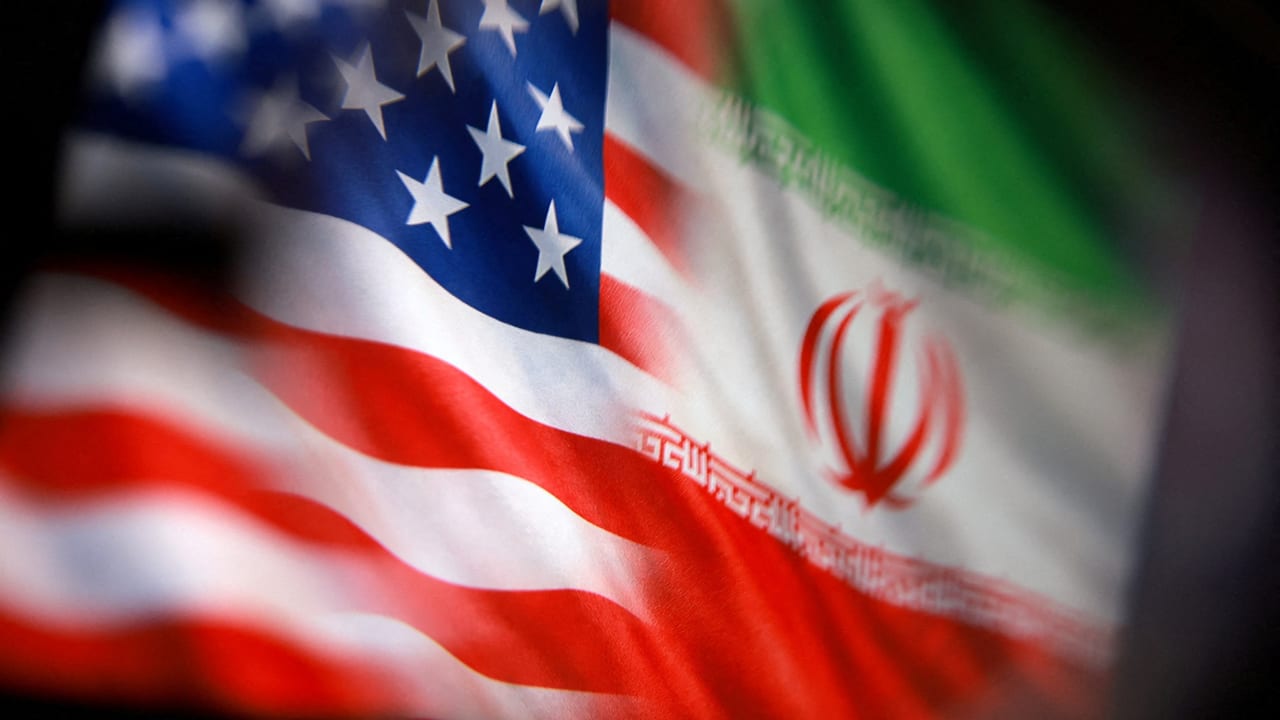
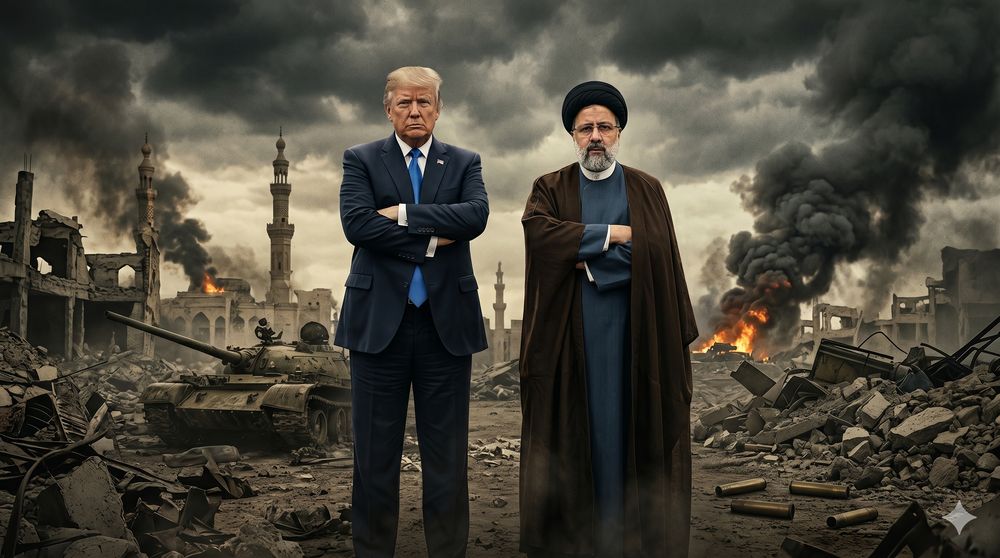
The war waged by the United States and Israel against Iran deserves a place in contemporary international relations textbooks. Not because it overturns everything we know about power, but because it shows how the use of power is changing.
Classical approaches to relations between states still matter and the balance of power hasn’t disappeared. Military superiority still counts, but the consequences of using force have become less predictable than before because coercion no longer produces linear outcomes. This applies not only to direct military intervention, as in the case of Iran, but also to sanctions and other forms of pressure.
If one strips away the rhetoric, which all sides require for domestic reasons, the picture is straightforward. A coalition that was clearly stronger, consisting of the US, Israel, and the Arab Gulf states, failed to achieve the objectives it set for itself when it launched a military campaign against a clearly weaker adversary: Iran and its allied groups in the region, with likely limited support from Russia and China.