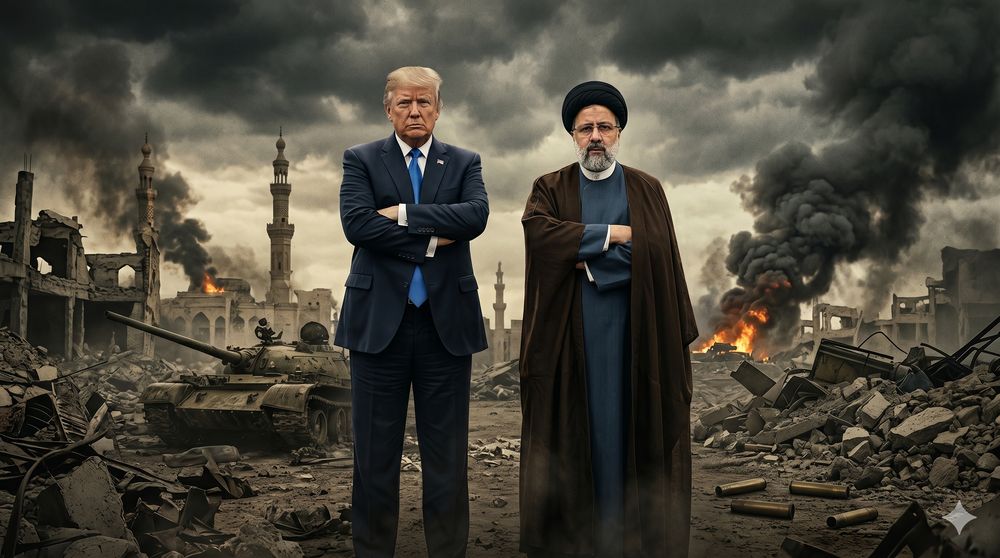
When neoconservative writer Robert Kagan, who spent decades as a cheerleader for America's forever wars, warned that the confrontation with Iran could become one of the greatest strategic defeats in modern American history, many dismissed his assessment as alarmist and exaggerated.
After all, the conventional wisdom in the West is that Iran had suffered extensive damage. Its military infrastructure was targeted, its foremost leaders, senior commanders and scientists were assassinated, its economy was battered, and the Axis of Resistance absorbed serious blows across multiple fronts.
How could anyone speak of Iranian victory under such circumstances?
The answer depends on a question that war experts and military historians have wrestled with for centuries: how should victory be measured?
If wars are judged by the amount of destruction inflicted, then the side possessing overwhelming military superiority will almost always appear victorious. Yet history repeatedly demonstrates that destruction and victory are not the same thing.