https://arab.news/6j5fq
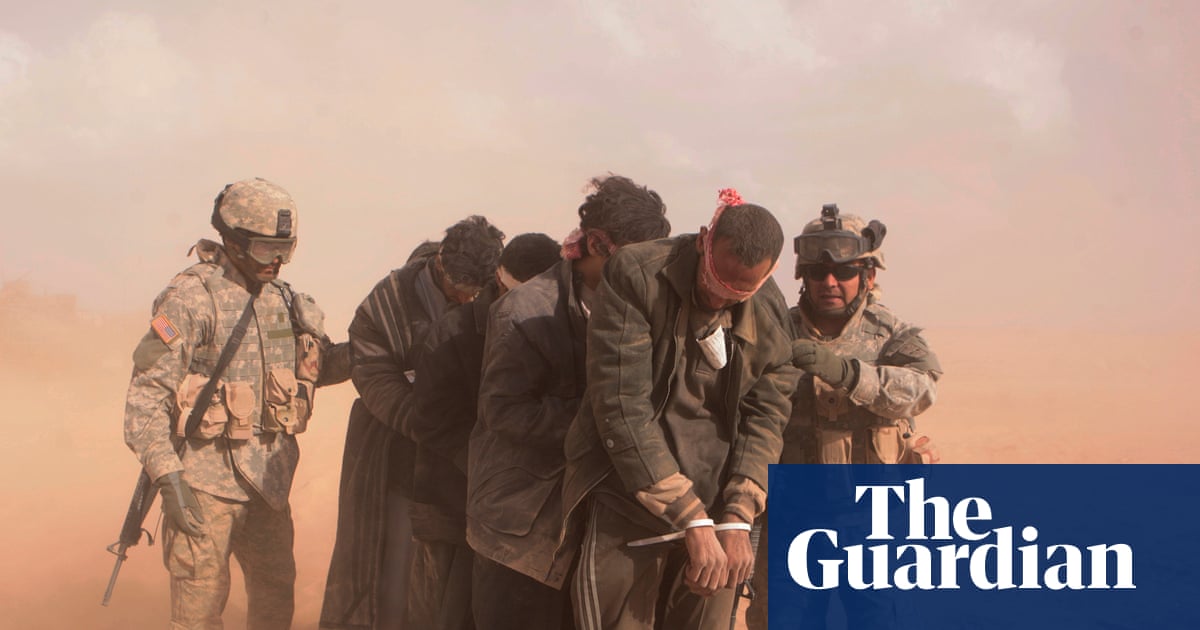
It is hardly an exaggeration to say that the latest US-Israeli war with Iran may have pushed the Middle East into its most dangerous phase since the 2003 invasion of Iraq. More than another regional clash, it has exposed the limits of American power, the reach of Israeli deterrence, Iran’s position in the regional balance, and the resilience of the Gulf security structure.
At the same time, the war has demonstrated that talk of a “new Middle East” does not necessarily mean a more stable one. It may instead signal a region that is more exposed, more fragmented and more volatile. This conflict may not produce a new regional order as much as it may generate broader instability and prolong the life of the region’s crises rather than resolve them.
The core problem with the American vision accompanying this war lies in an assumption that has been repeated since the Iraq war: that toppling, or severely weakening, the center of hostile power will automatically pave the way for a regional order more compatible with American interests.
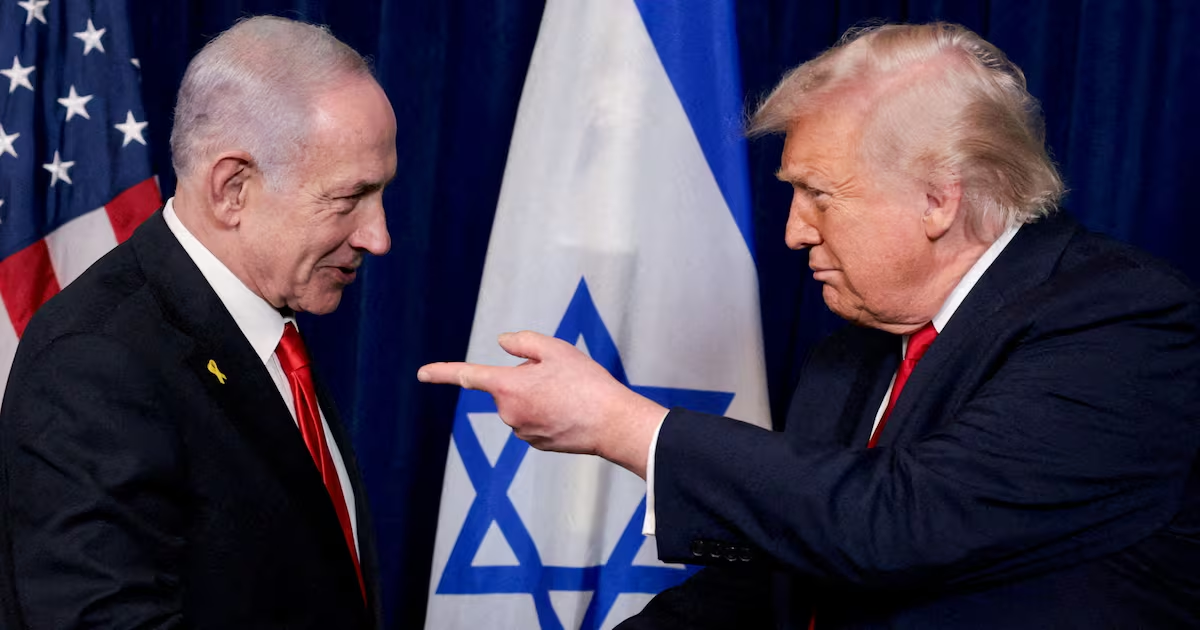
This assumption shaped Donald Trump’s decision to resort to force rather than diplomacy. The wager was clear: Israeli-American strikes against Iran’s leadership and military infrastructure would either trigger an uprising or at least leave Iran weakened and preoccupied with its internal crises, to the point where it could no longer threaten the region.