While there are similarities with the wars against Iraq, the Iran conflict may prove to be the most dangerous and consequential yet
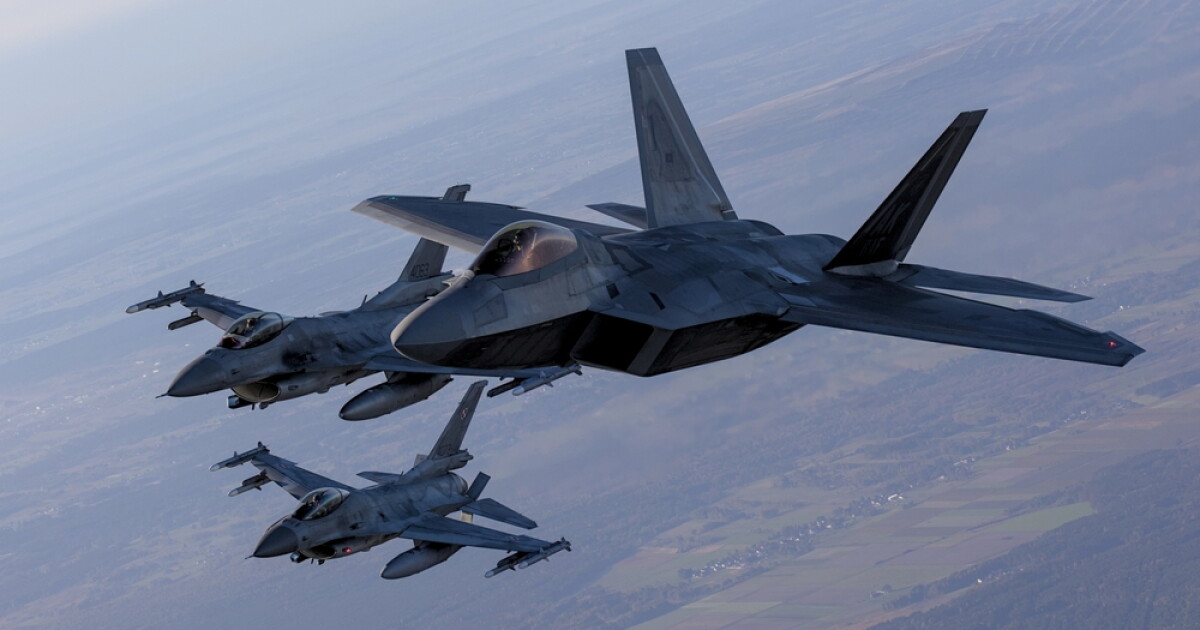
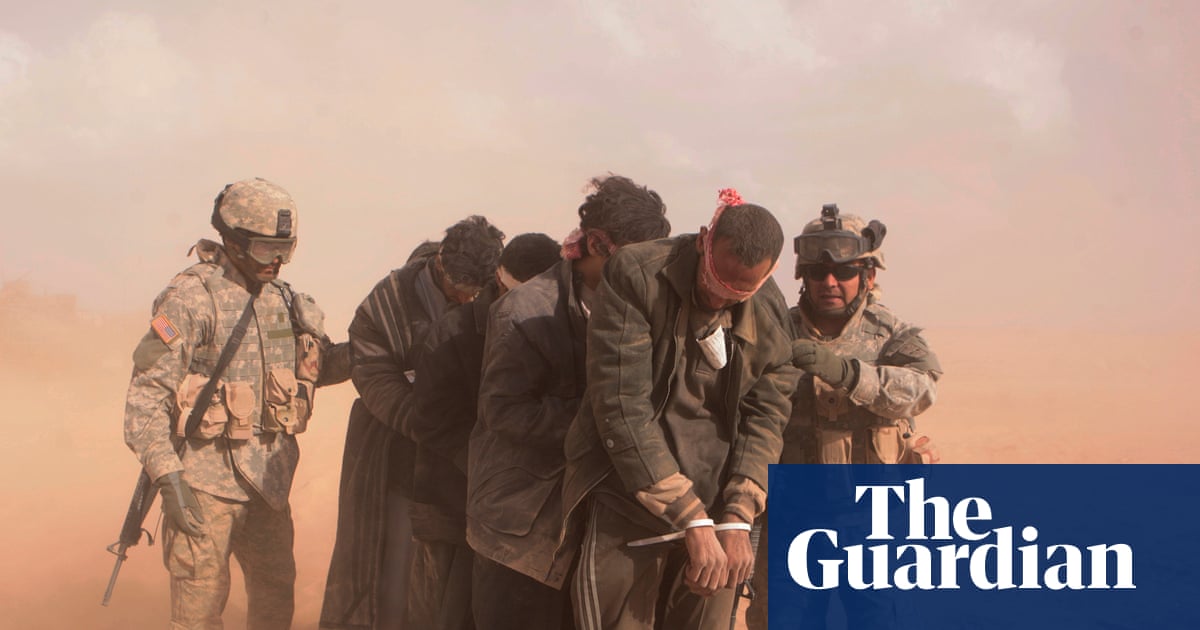
This is the third Gulf war and umpteenth outbreak of conflict since the United States took over as the dominant power and influence in the Middle East at the end of the cold war. And it is arguably the most dangerous, consequential and confused of them all.
The destruction and chaos spreading across the region confirms the Middle East’s status as the world’s pre-eminent crisis factory, but it also raises questions as to how US presidents so often declare they are ending US interference in the region, only to be lured back in.
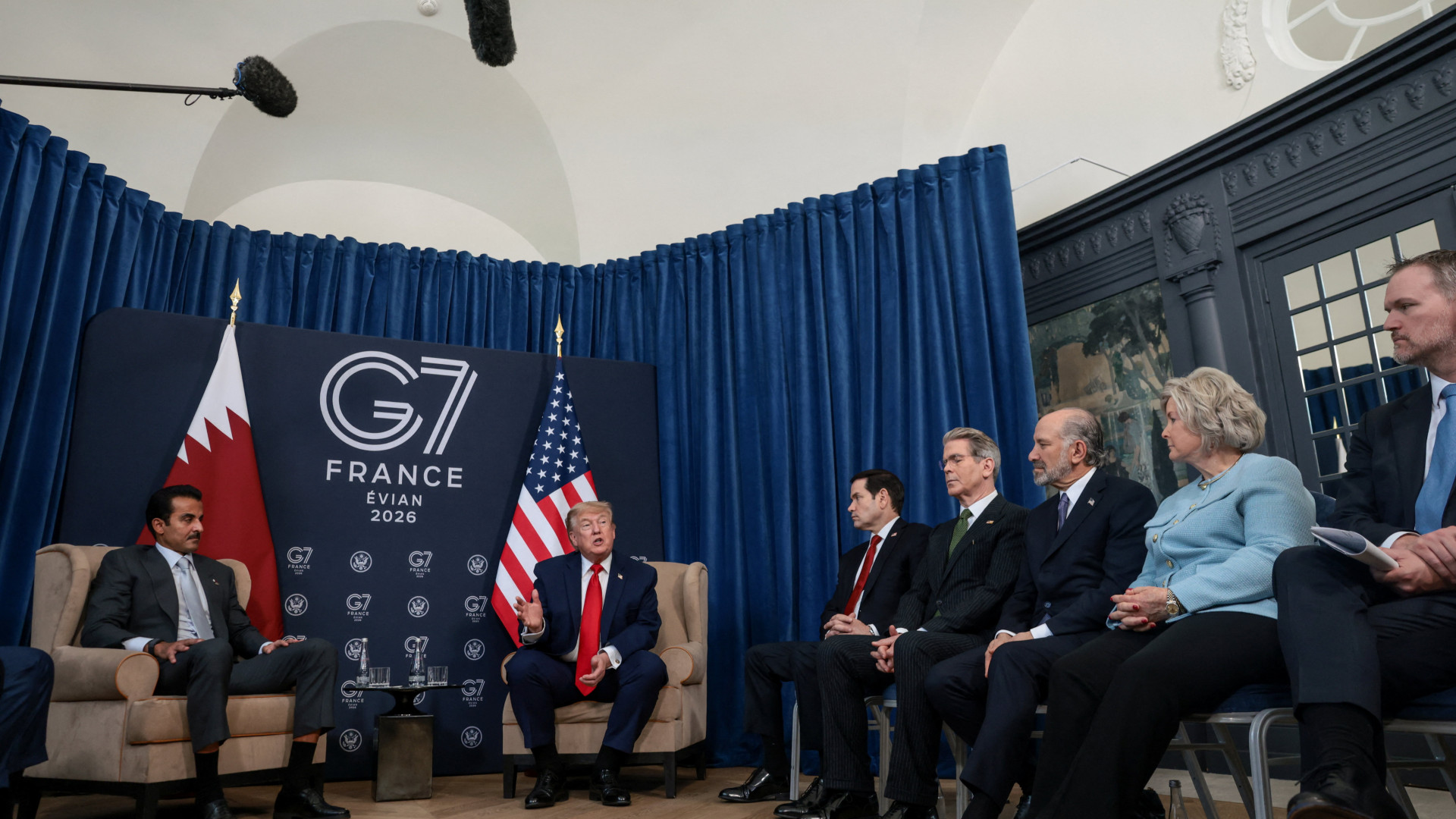
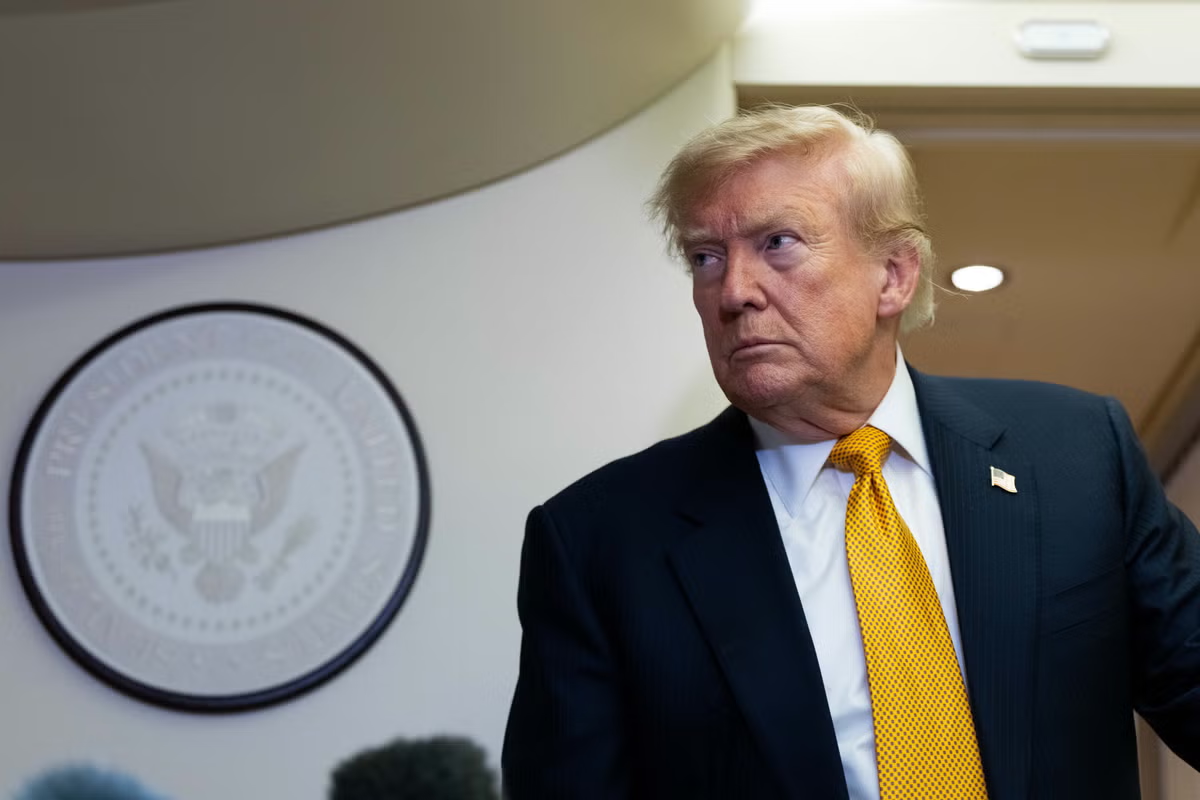
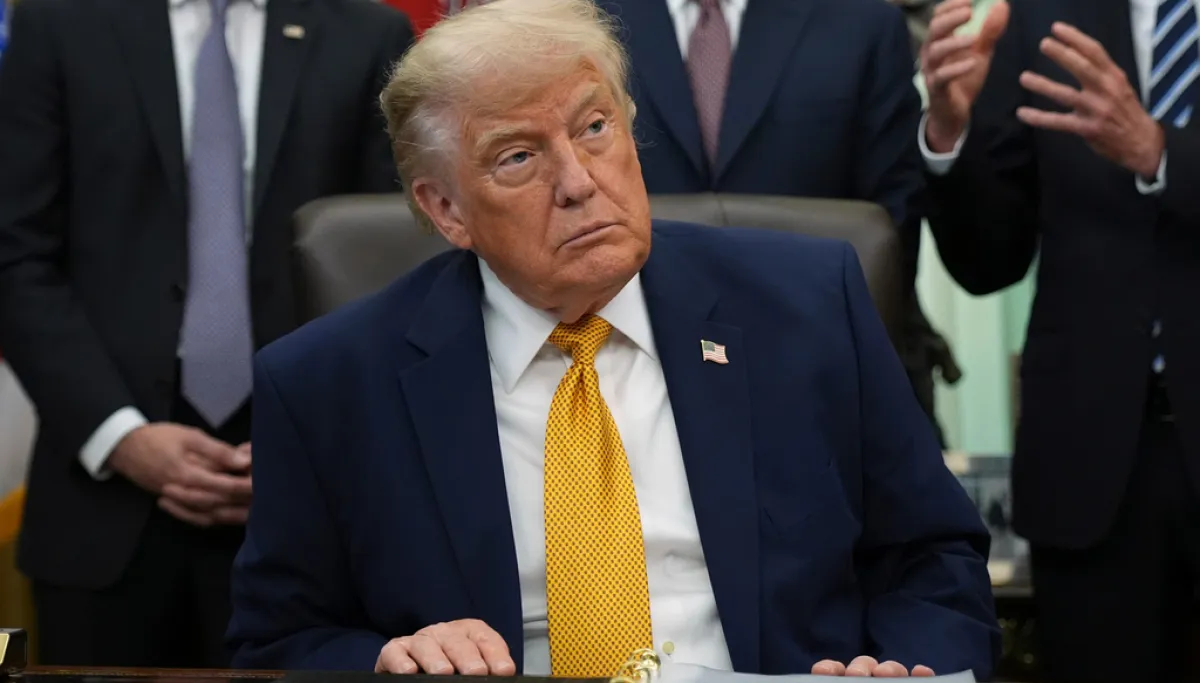
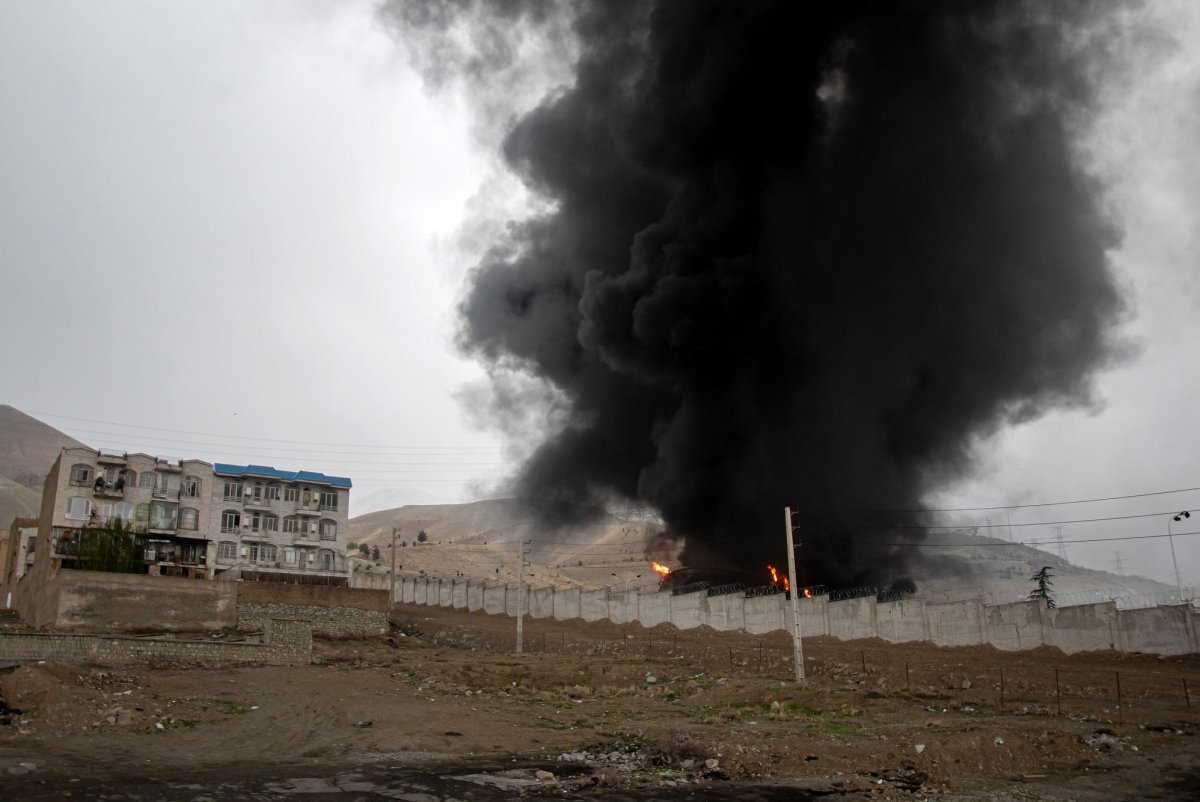
Since the second world war the US has set out to oust a government in the Middle East on average once a decade, and on almost every occasion it has left the country, and the US, worse off as unexpected consequences eventually emerge. As Donald Trump embarks on yet another regime change – this time in Iran, a country of 90 million people – the sense of foreboding is profound. Already the timelines are extending, and the sense is growing by the day that Trump is gambling with the fate of a country about which he knows next to nothing.
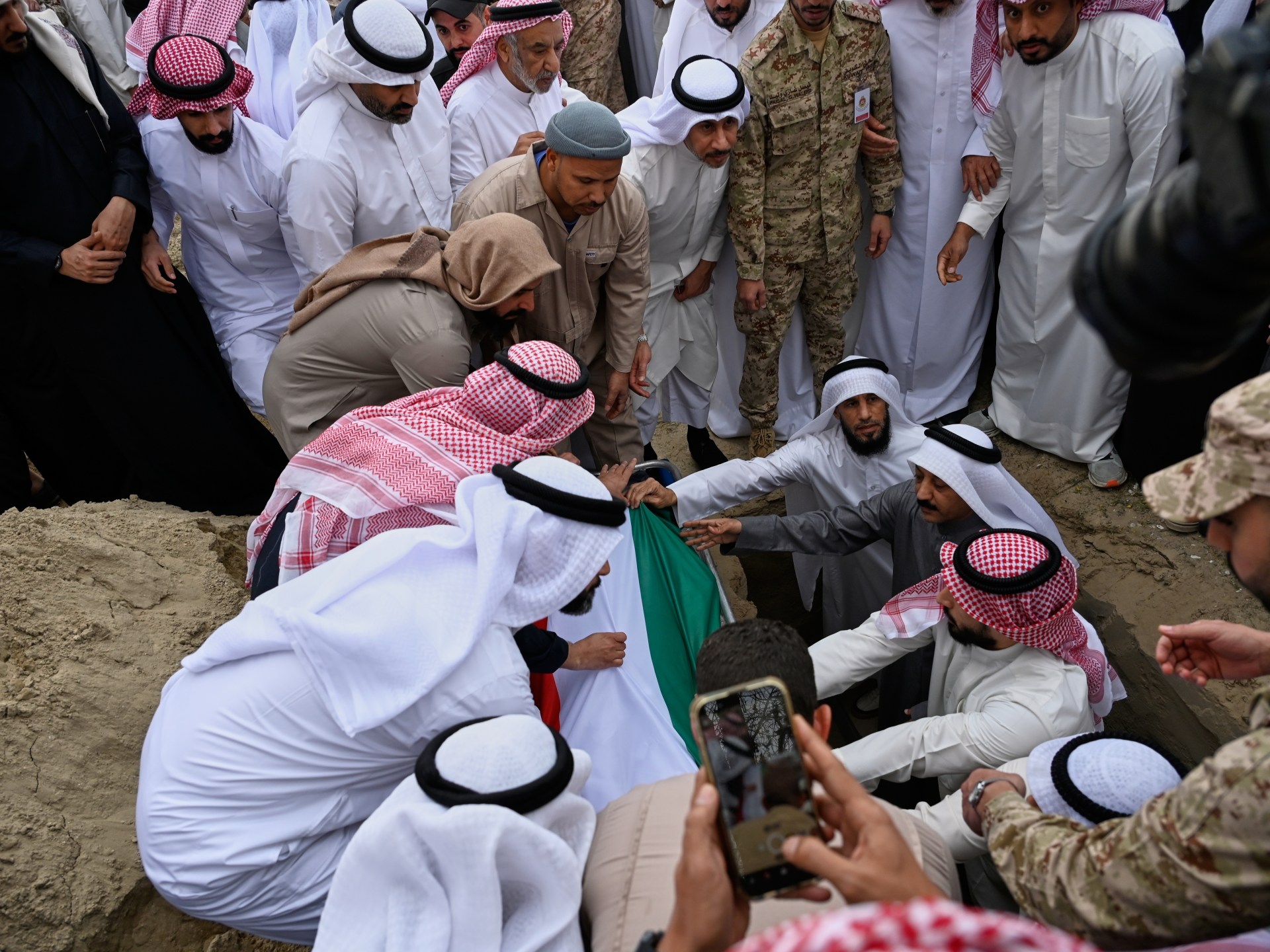
The first Gulf war, in 1990-91, at least had the advantage of being of a containable scope, purpose and duration. Once Saddam Hussein invaded Kuwait in a warped blow for pan-Arabism, George HW Bush pushed the Iraqi leader’s forces back with relative ease, maintaining a broad supportive Arab coalition, partly by ensuring Israel did not respond to Saddam’s provocations to become involved. Famously respecting the UN security council mandate to liberate Kuwait, but not invade Iraq, Bush decided not to pursue the routed Iraqi army to Baghdad. The ground campaign took only 100 hours.