https://arab.news/99a8j
Our region is strewn with long-buried landmines, any one of which could spark unintended consequences. This is not meant to refer to the Saudi-Emirati dispute in southern Yemen, despite it being one of today’s heated issues that could still be resolved through direct talks.
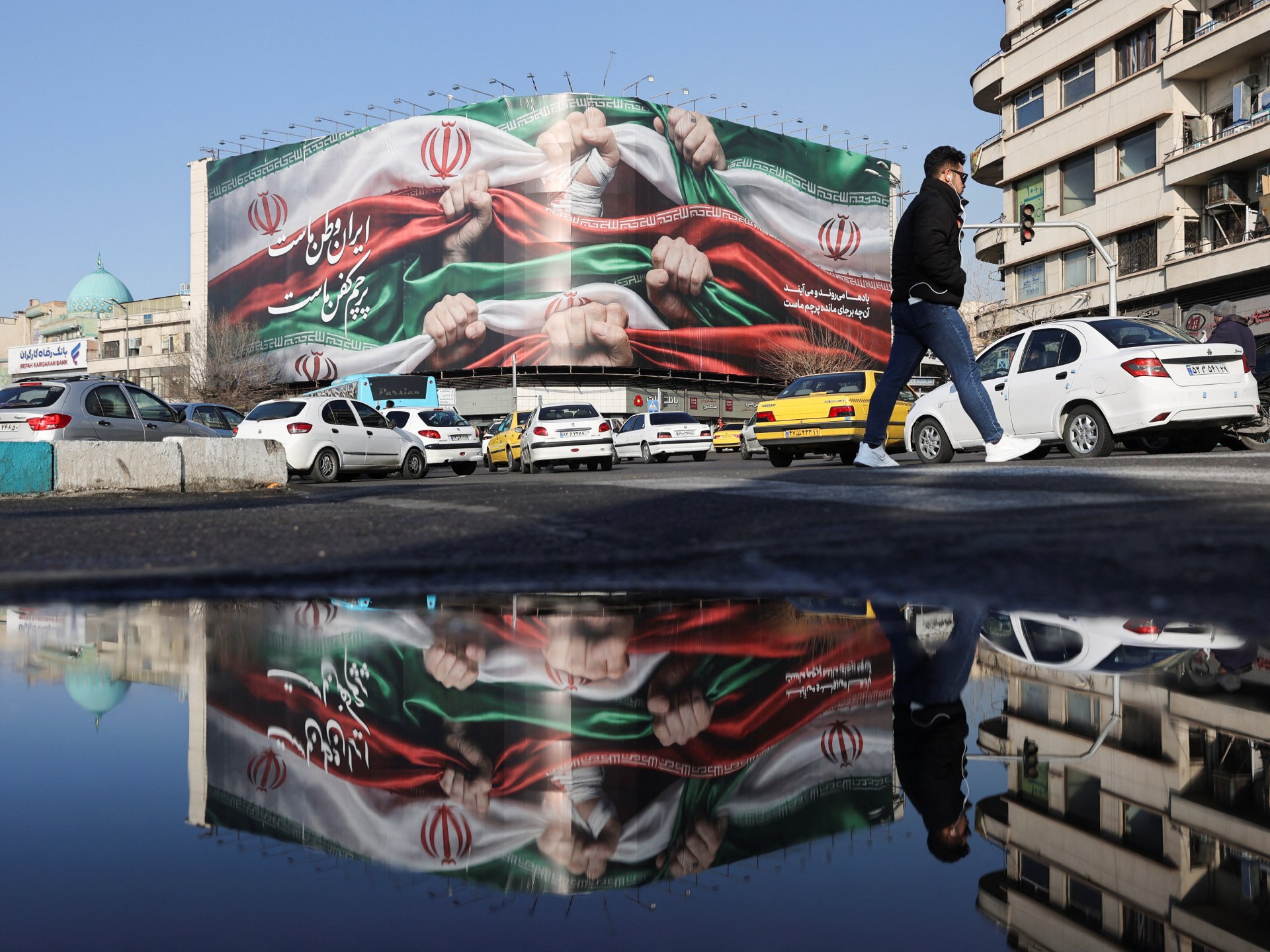
Beyond these landmines, however, the more dangerous issue is the rising likelihood of a US-Iran war and its repercussions on our surroundings, foremost among them the countries of the Gulf Cooperation Council, which sit in the front row of the theater of war.
It is worth recalling that the GCC was established more than four decades ago to confront this very danger. Yet its member states chose to expand their objectives from defense cooperation to almost everything, down to minor details such as laundry labels and electrical sockets. It remains the only largely successful regional bloc, a fact that does not negate the existence of political disagreements.
One researcher once argued to me that the GCC was built on “hatred of Iran’s regime.” That is, of course, inaccurate. It was indeed founded against the backdrop of confronting Ayatollah Khomeini’s threats to Gulf states and the outbreak of war between Iran and Iraq. However, the region overlooking the western Gulf needed a framework to organize relations among its six states even if no external threat had existed. Major undertakings can be born out of unintended circumstances.