As missiles fall from the sky and energy infrastructure is targeted, the limitations of relying on the US for protection are becoming all too obvious
F
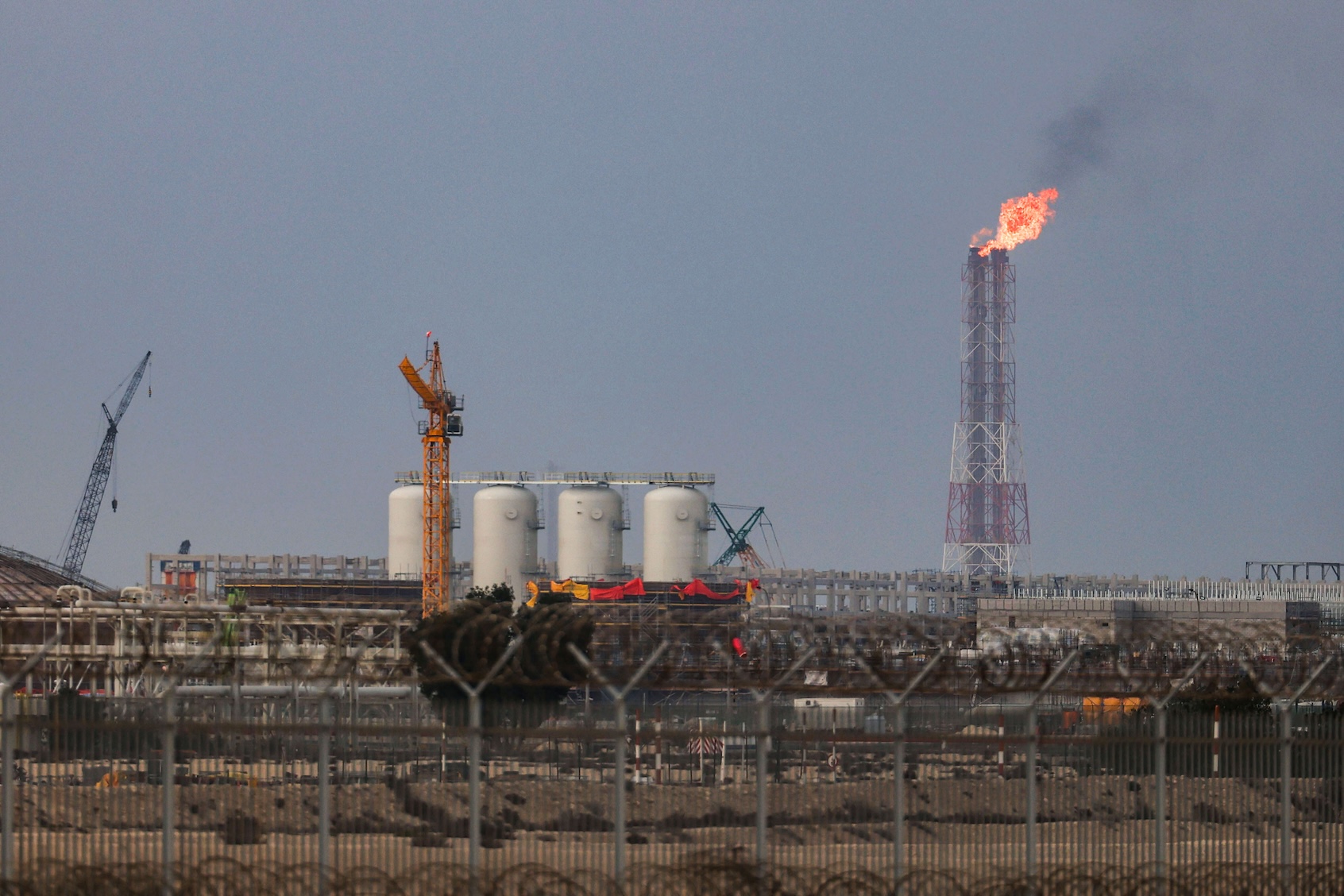
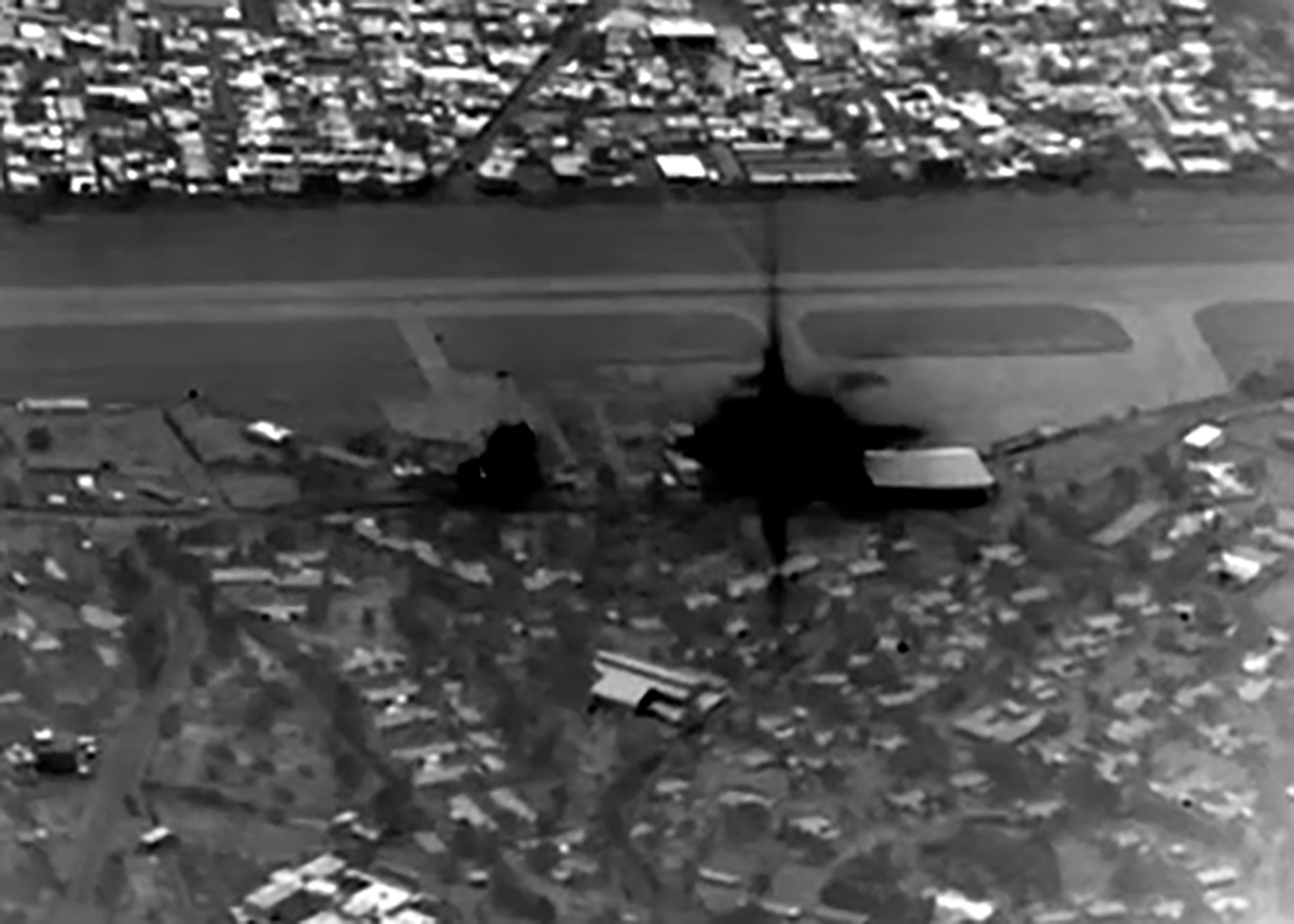
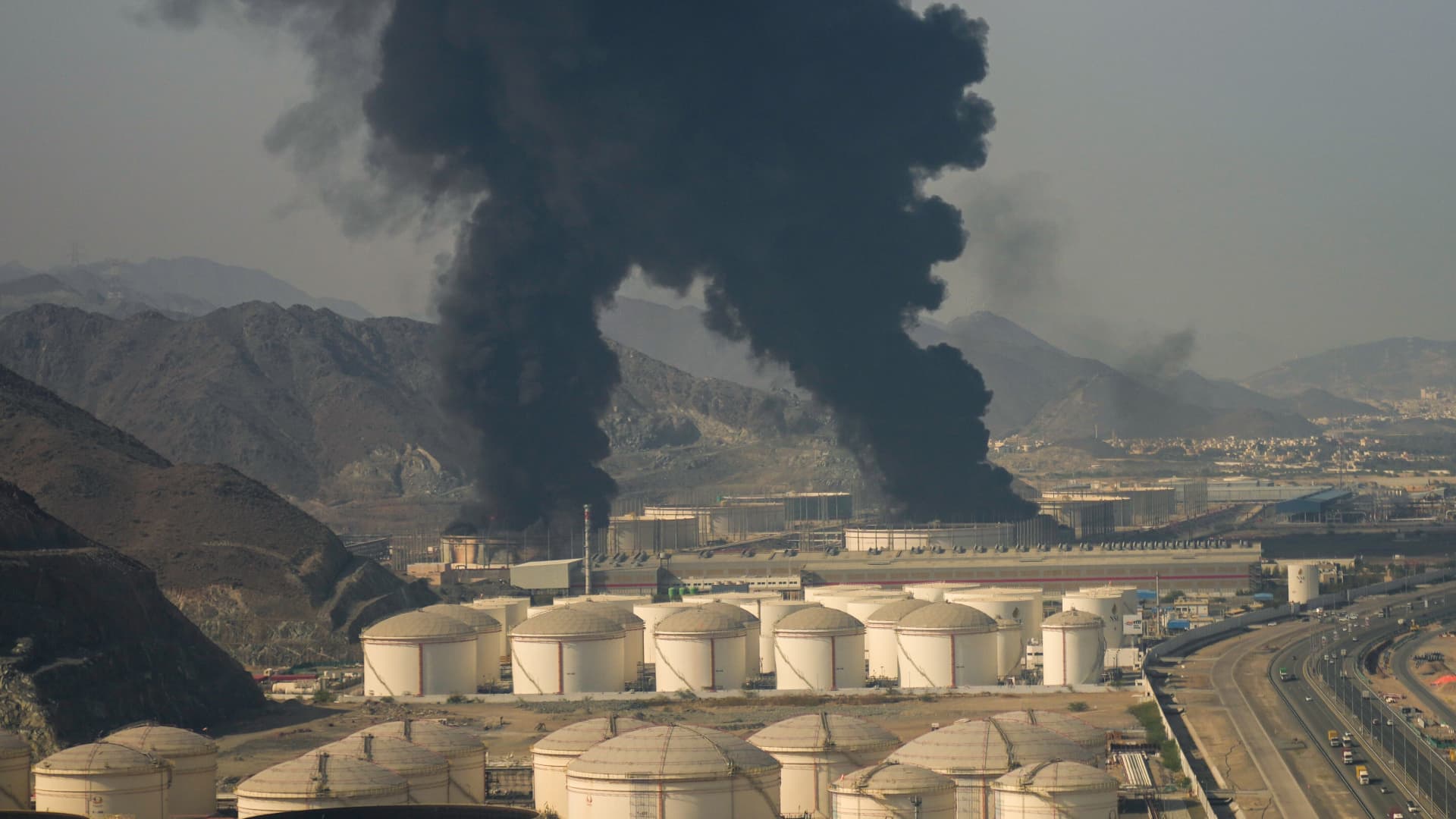
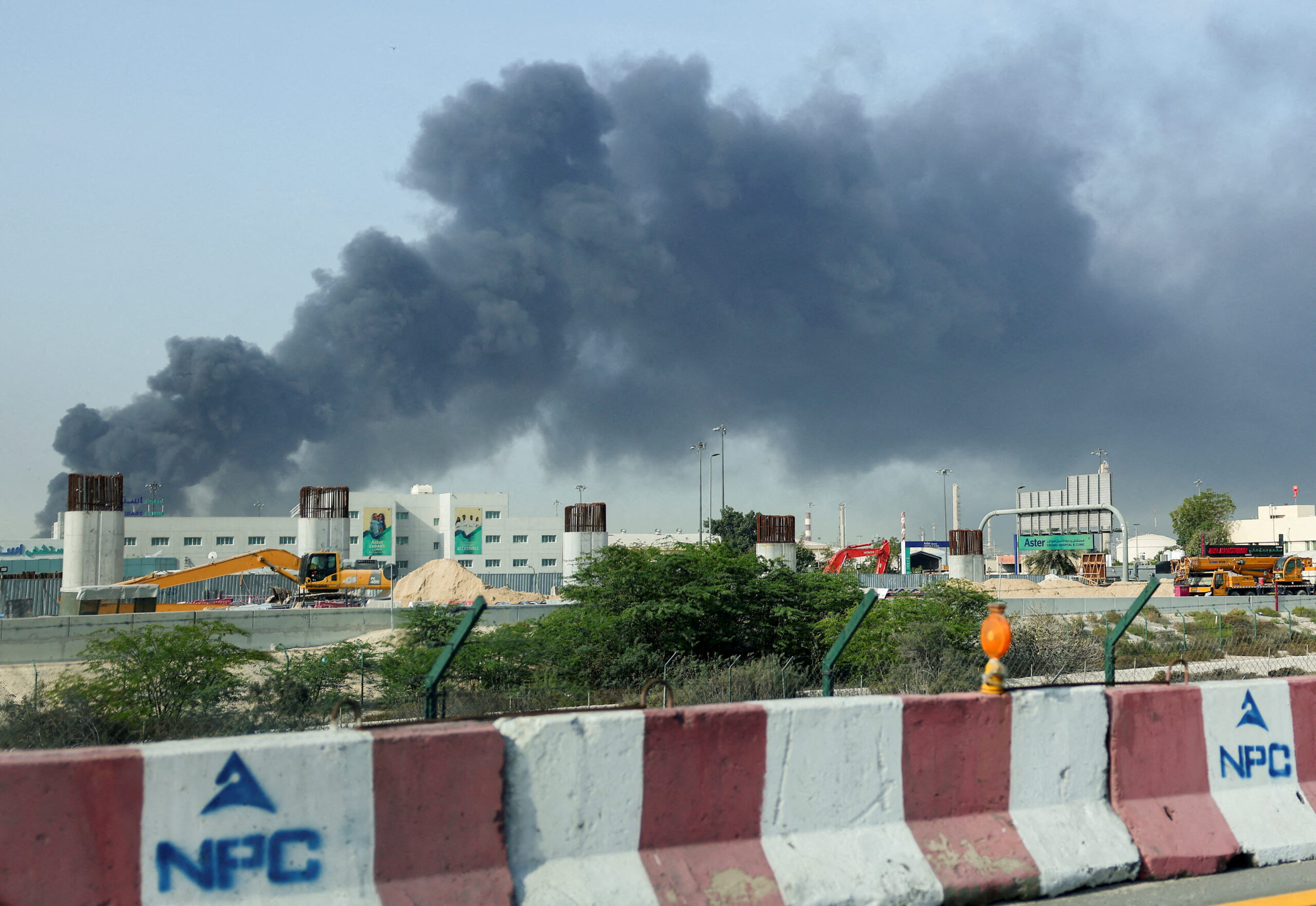
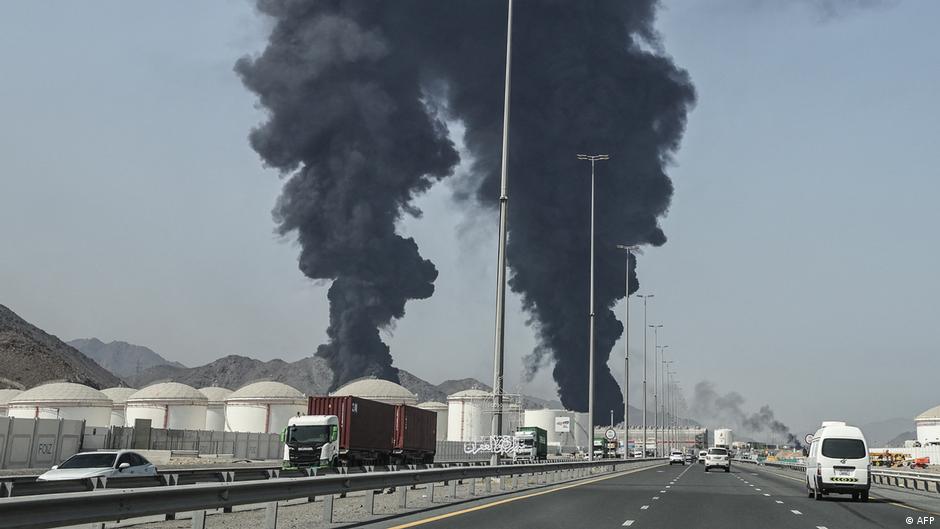
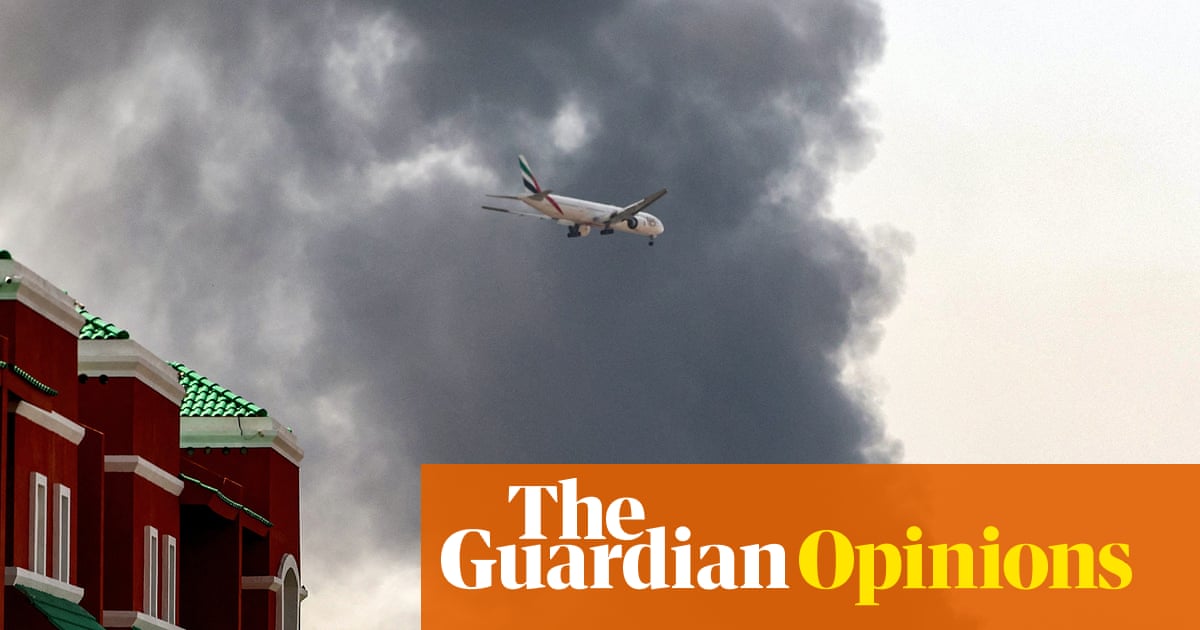
or more than two weeks, missiles and drones have been crossing the skies of the Gulf, as a war many in the region sought to avoid – between the USand Israel, and Iran – continues to escalate. Airlines are diverting flights, shipping routes are being disrupted and air defence systems across the region are operating at constant alert. Now, with attacks extending to energy infrastructure including gas facilities and production sites, it is likely that the war has entered into a dangerous phase of escalation.
Yet the governments now living with these risks were among those that most tried to prevent the conflict, encouraging negotiations in recent months and warning about the dangers of escalation.
For governments in Riyadh, Abu Dhabi, Doha and elsewhere, this moment is particularly unsettling because it is disrupting a strategy they have spent decades trying to build. Gulf states have sought to shield themselves from the region’s cycles of conflict through a mix of economic diversification, diplomatic engagement and carefully managed security partnerships. That strategy rested on three pillars: reliance on US security guarantees, cautious outreach to Iran and expanding economic ties with Israel. The war is revealing the fragile foundations of all three.