https://arab.news/rm448
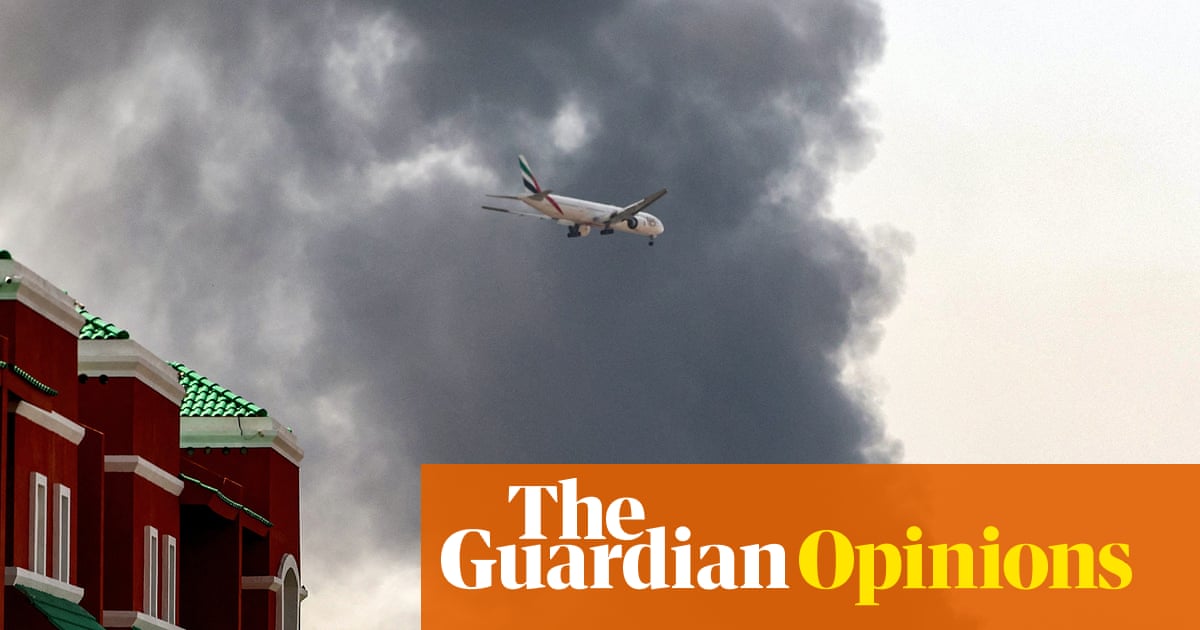
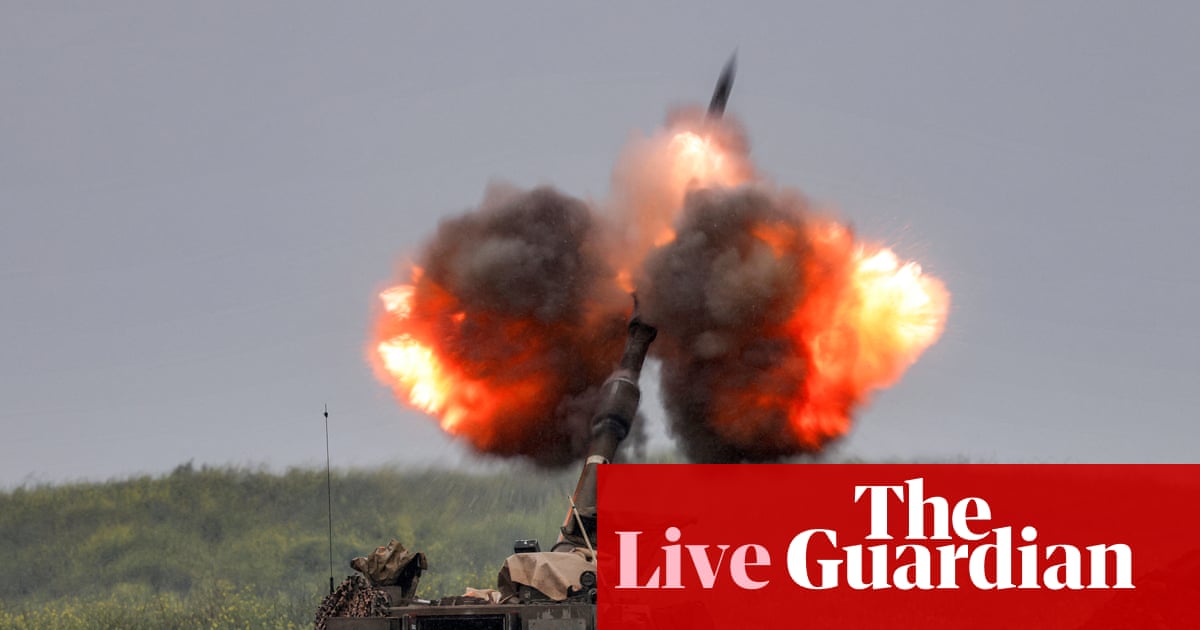
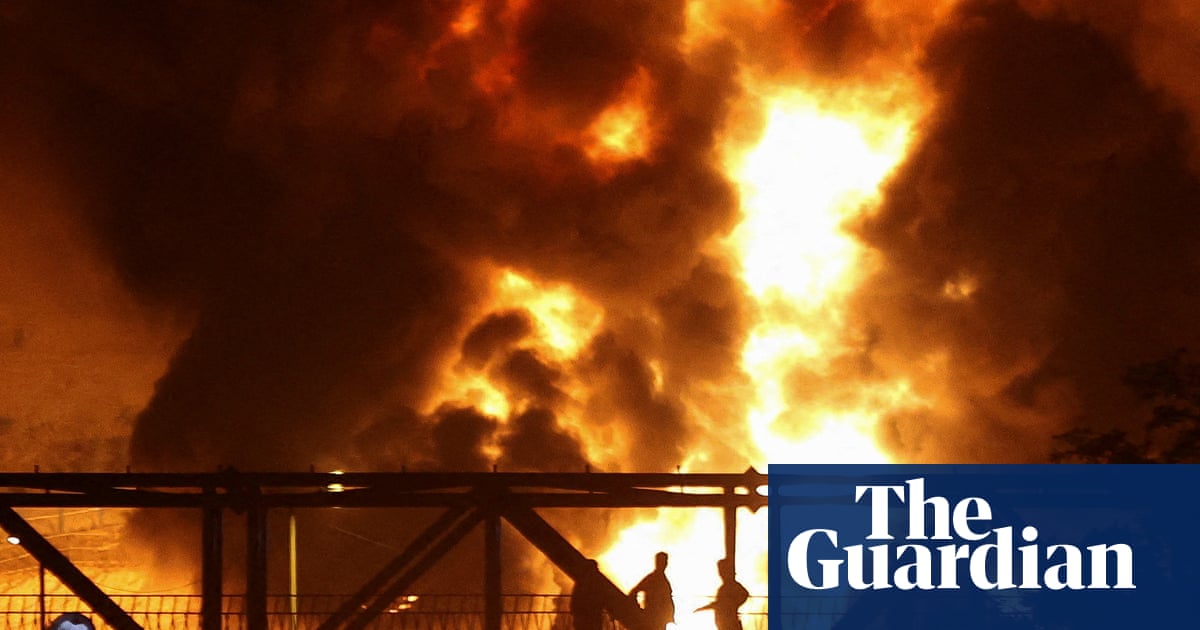
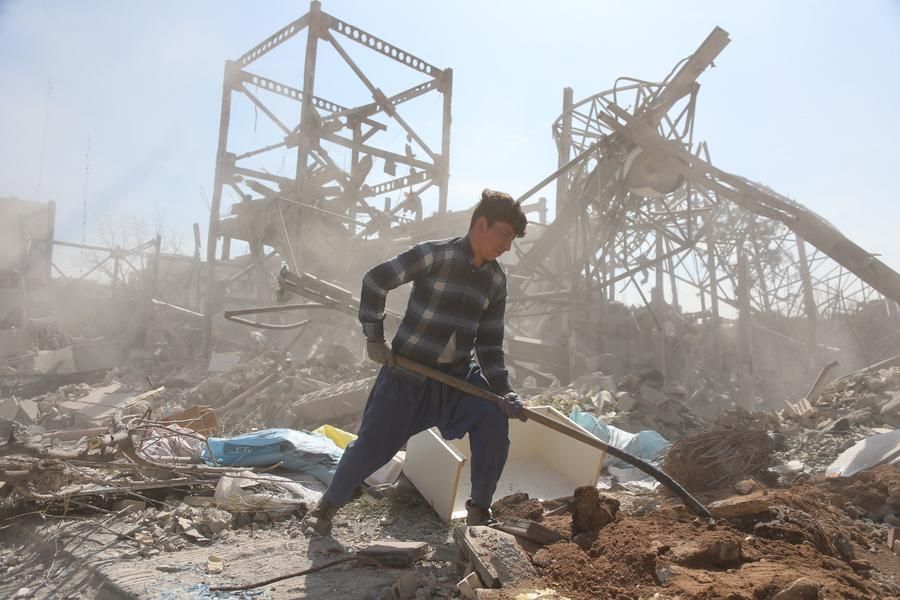
The war on Iran, now well into its third week, is ripping through the region in ways that even US President Donald Trump has admitted come as a surprise: the unrelenting Iranian strikes on Gulf infrastructure, the closure of the Strait of Hormuz and, so far, the durability of the Iranian regime itself. But the shock waves of the US-Israeli bombardment have resonated far beyond the battlefield, threatening alliances, jolting world markets and reshaping geopolitical realities.
Perhaps the most troubling aspect of this war of choice is the sheer weight of its uncertainties. The so-called excursion could extend for weeks, even months, and may end in stalemate. The objectives remain vague, even as Washington and Tel Aviv double down and appear to be settling in for a prolonged standoff.
One thing is already clear: this war is redrawing the geopolitical map in ways that will outlast the conflict itself. It is polarizing and divisive. Most Americans do not support it and even Trump’s ultraconservative base is expressing anger and disappointment at a leader they feel has betrayed their cause.
Gulf leaders will emerge determined to revisit the collective security arrangements they have relied on for decades