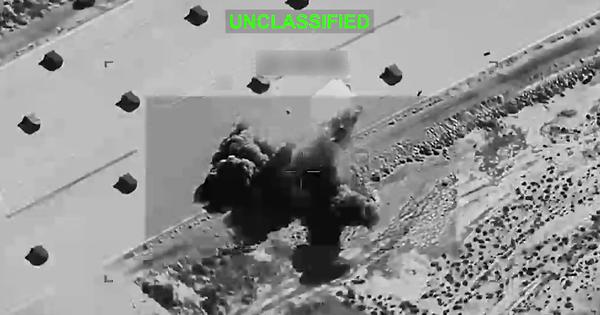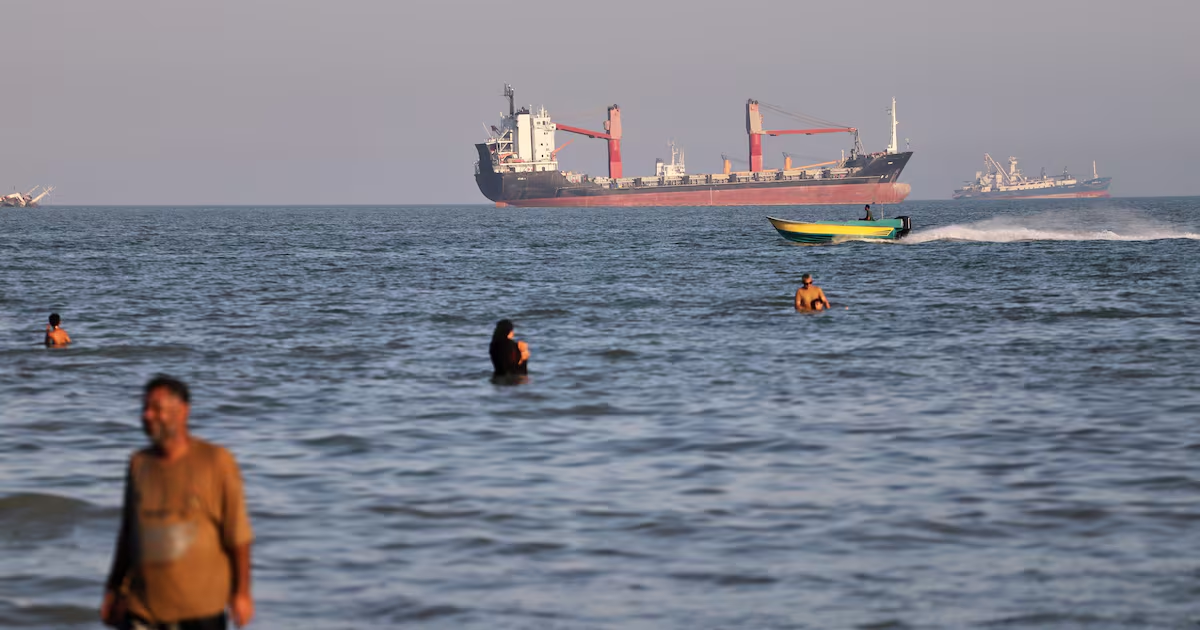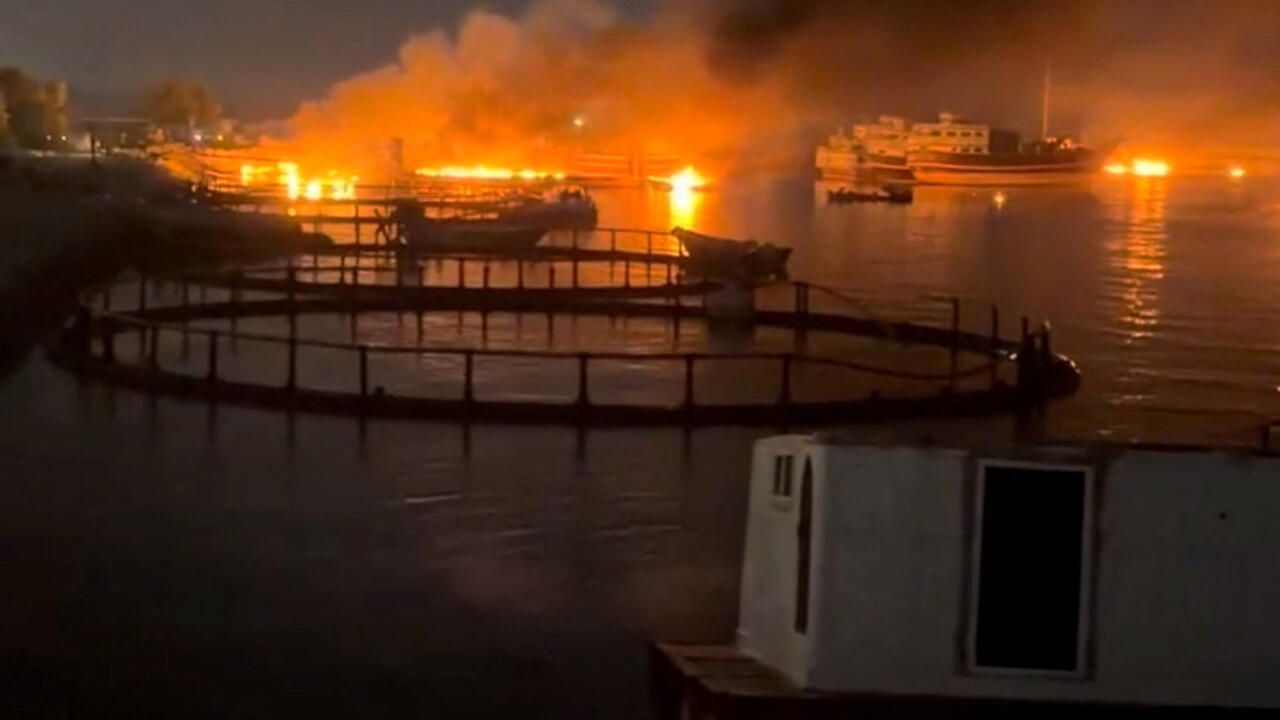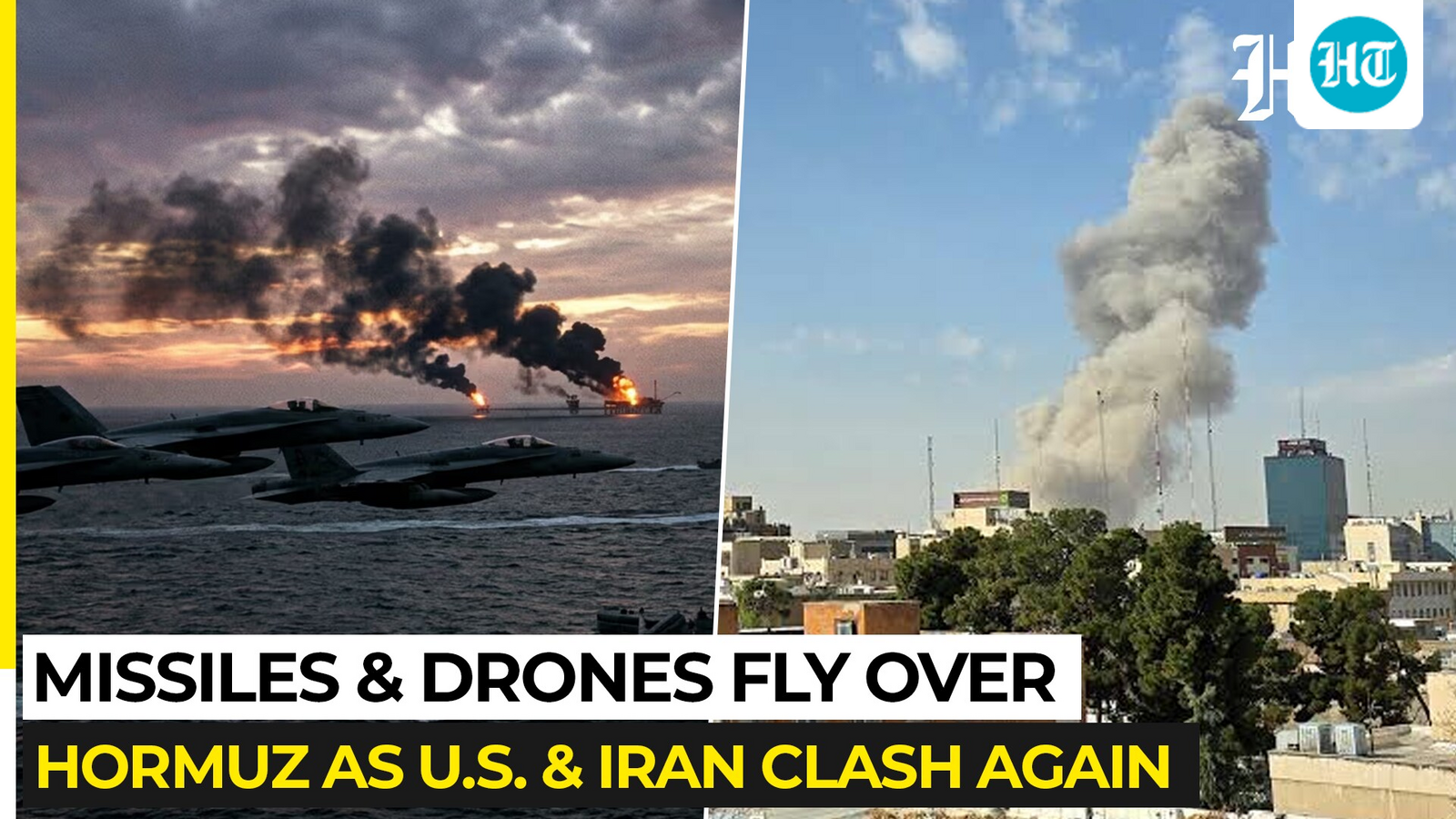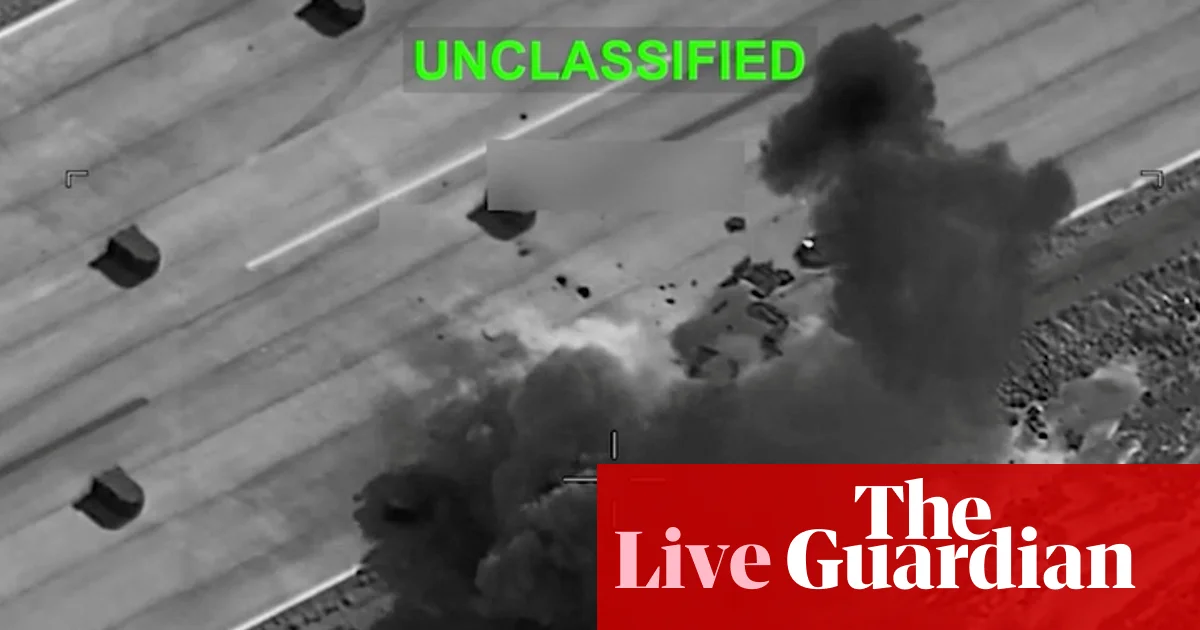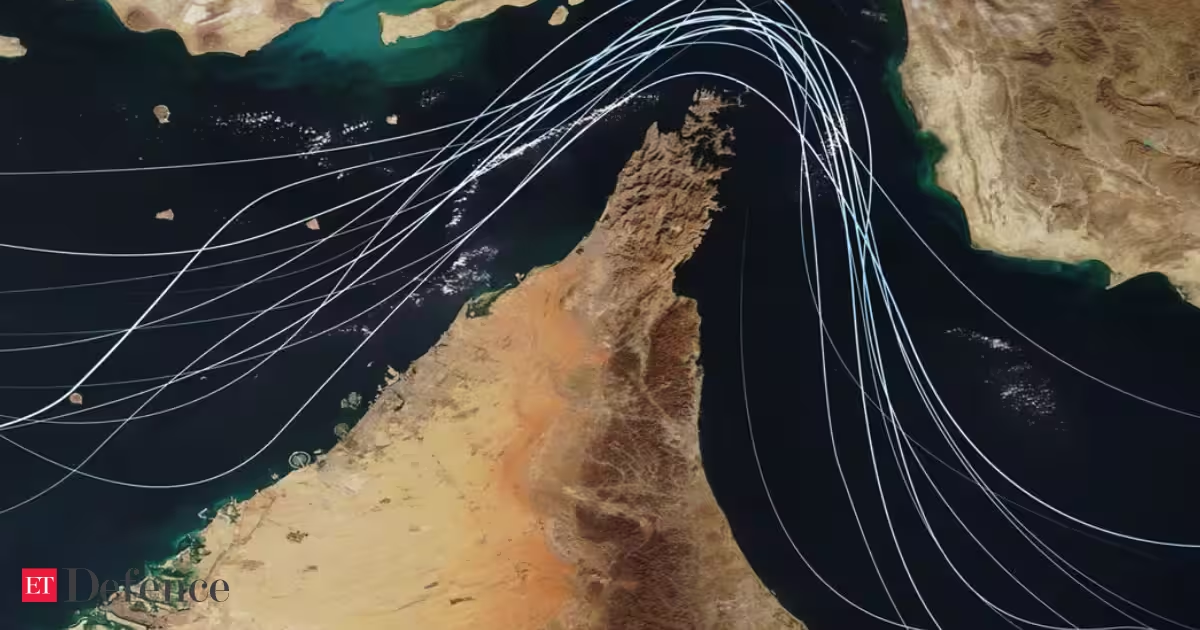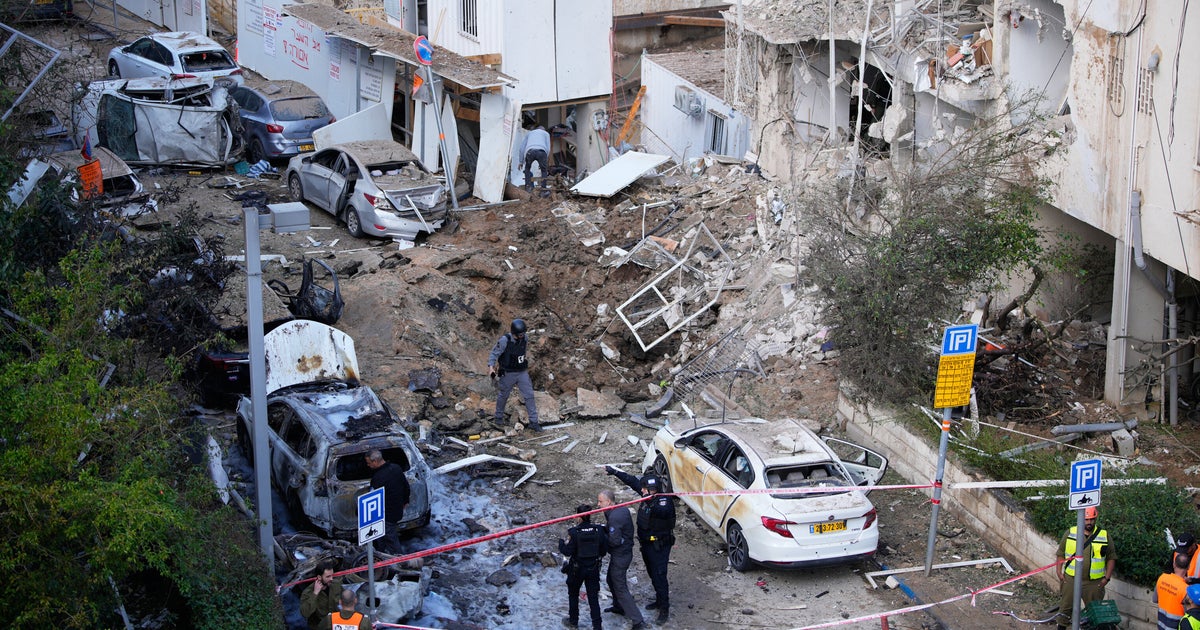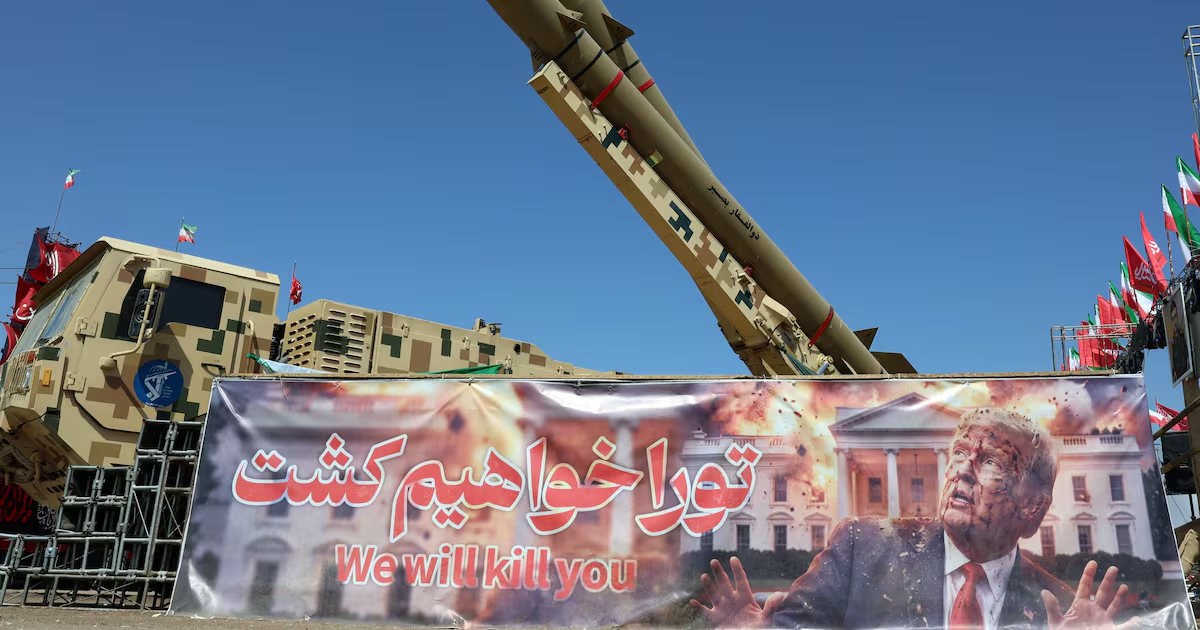
Over the last two days, the United States has struck nearly 200 sites in Iran and killed 14 people, according to Iranian state authorities. Iran, meanwhile, is back to lobbing missiles at military sites in Jordan, Qatar, and Kuwait. The Strait of Hormuz is all but closed. The Israeli military is “ready and on alert for a resumption of fighting,” said Defense Minister Israel Katz. “The attacks were four to five times more extensive than other strikes launched since the agreement to end the war was signed last month,” a senior Trump official told The Wall Street Journal. That official also told the Journal that “the U.S. still considers the ceasefire in effect.” Another official was much blunter to Axios’s Barak Ravid, saying, “We’re going to slap them a bit so they understand we’re not fucking around.” It’s been roughly a month since the U.S. and Iran reached a memorandum of understanding aimed at ending the war, and three months since the two sides first agreed to a ceasefire. And this is hardly the first flareup in hostilities over that time. So what do you call a ceasefire that is punctured by expansive, destructive strikes every few weeks, if not days? Is it still a ceasefire? Is the goal still to reach a deal to end the war? Or are we entering a new phase, in which both sides insist they are working to reach a permanent solution while maintaining the tit-for-tat status quo for ... how long, exactly? Every day, this conflict looks more and more like Trump’s forever war. It may not ever involve boots on the ground or “regime change” on par with Iraq or Afghanistan. But it shows every sign of persisting as those wars did—and every sign of being left for his successors to truly resolve. The ceasefire is still in effect even as the U.S. fires missiles into five Iranian provinces and Iran fires back at U.S. military bases across the Gulf. A legal agreement, it can withstand—as several have, most recently in Gaza—widespread violence without being formally “broken.” But how different is the current situation than the one that preceded last month’s agreement? Even if both parties cling to the “ceasefire,” it’s hard to argue that there has been much improvement since April, when negotiations to end the Iran War began in earnest. It is, I suppose, good news in and of itself that both sides agree the ceasefire is still in effect, even amid periodic bombing; it suggests that neither intends to fully resume hostilities. But the larger picture is bleak: a war that continues indefinitely, via extensive strikes that occur for a few days at a time, when it suits the regional interests of the Iranian regime or the economic ones of the U.S. It’s clear that the Trump administration is frightened that a long-lasting closure of the Strait of Hormuz would cripple the global economy and trigger a recession in the U.S. But it also seems clear that periodic closures of the strait do not worry them. Iran, meanwhile, has proven able to withstand the U.S. strikes, though is careful not to retaliate in a way that would trigger a more devastating (and potentially nuclear) reaction from Trump. So it flexes its muscle largely by showing it’s capable of controlling the strait enough to deter commercial maritime traffic. Thus, the current quagmire. The biggest problem with the Trump administration’s handling of the Iran War has always been its lack of clear objectives at the beginning. It was clear that the president, misled by key advisors, began the conflict under the mistaken belief that it would end so quickly that Iran wouldn’t even have the time or capability to close the Strait of Hormuz. Iran proved otherwise, of course, and ever since it has had the upper hand. The U.S. now has few ways to end the war without granting clear concessions to a regime it had set out to topple in late February. Regime change, at least, now seems off the table. But the U.S. also seems intent on “slapping” around the Iranians whenever it feels like it—even though it’s still not clear what the administration hopes to get out of a longer and more robust peace agreement—beyond, perhaps, an end to nuclear enrichment similar to the one included in the Obama administration’s “Iran Deal” that Trump canceled—than the ceasefire deal that was reached last month. At least, it’s not clear what they want from Iran in order to permanently end the war. What they do seem content with is a new kind of forever war, one that muddles on endlessly until, like Iraq and Afghanistan, it becomes someone else’s problem.
Trump’s Forever War Is Finally Here
Iran is already a quagmire. As the bombing resumes, just how bad will it get?
781 words~4 min read