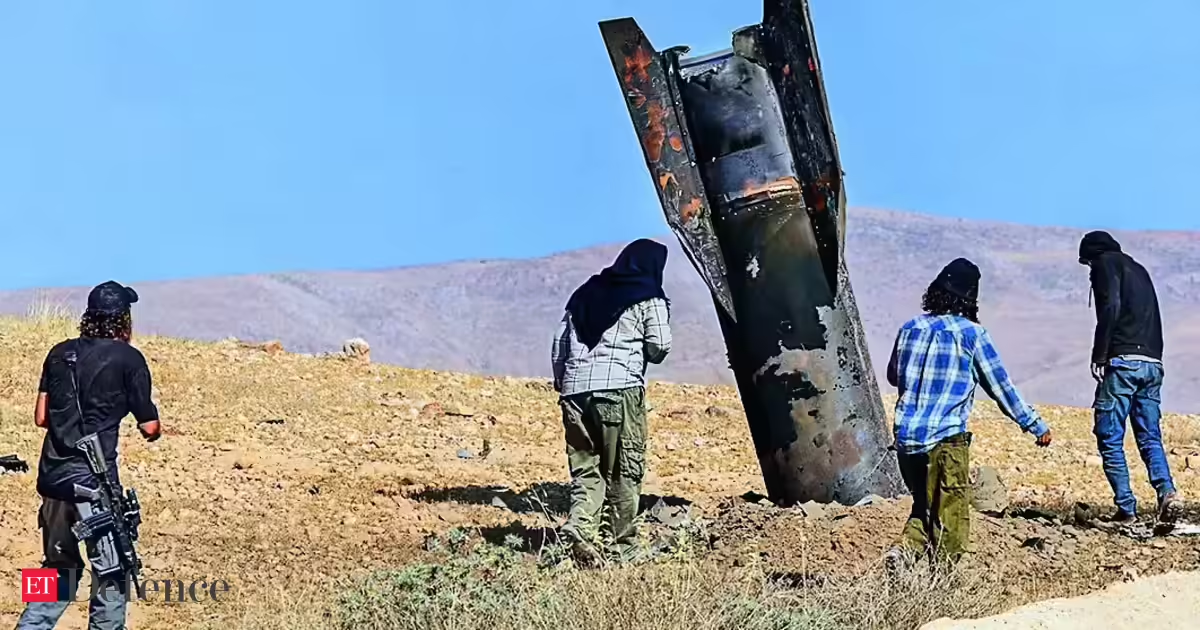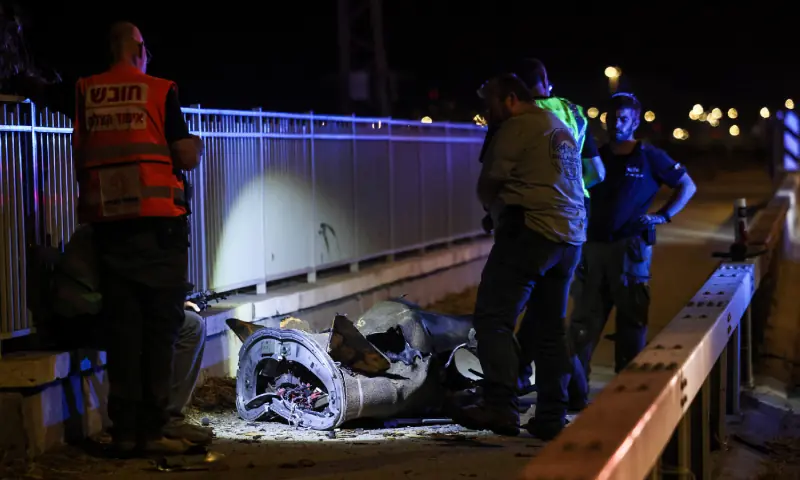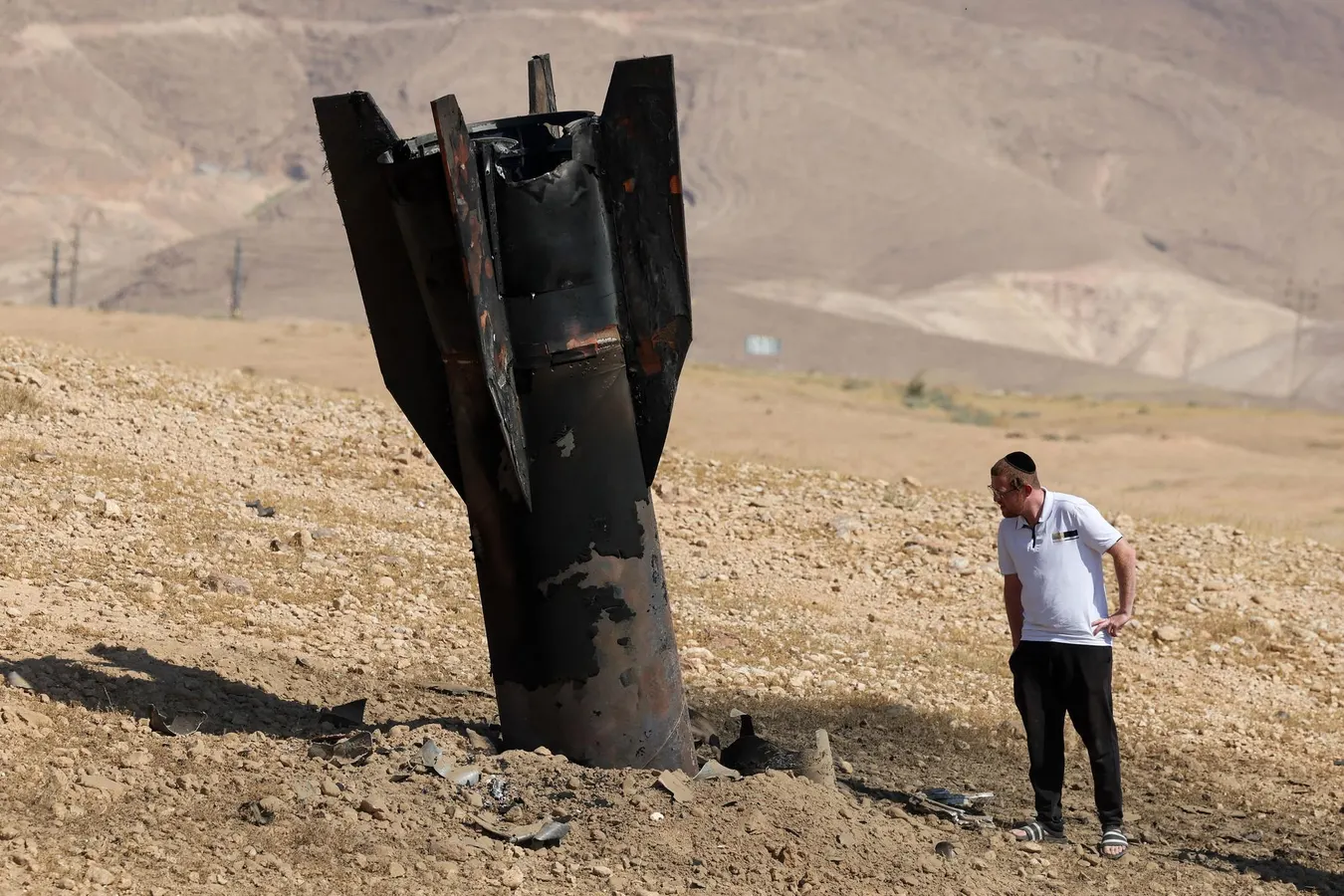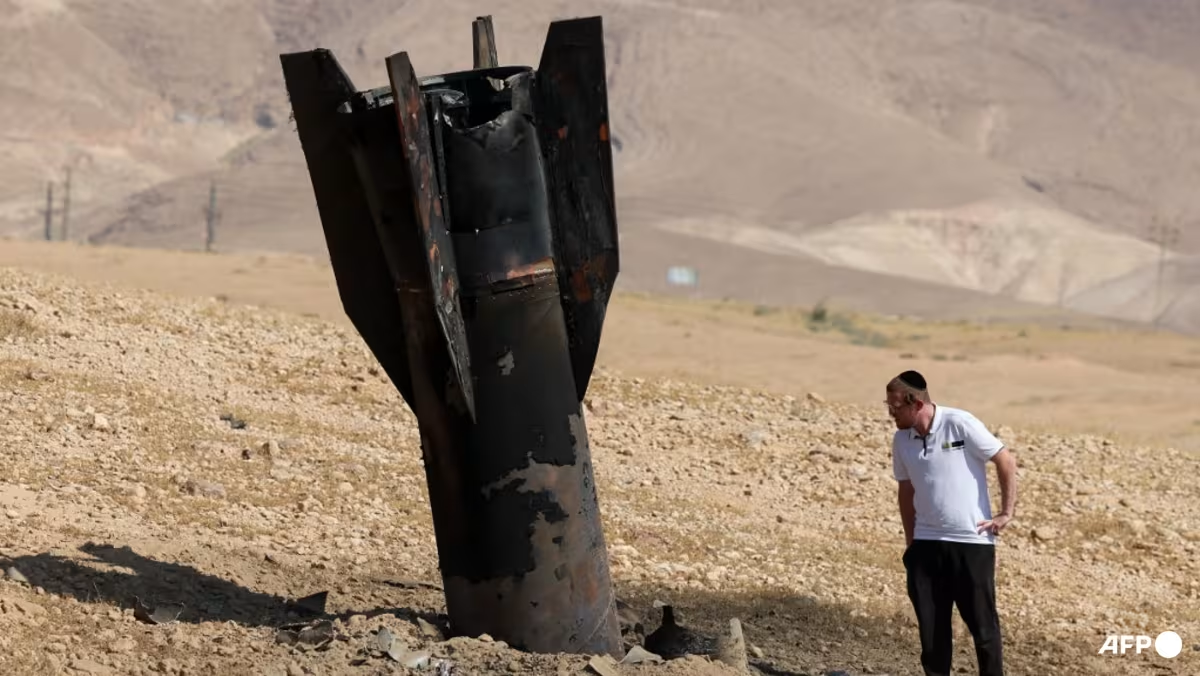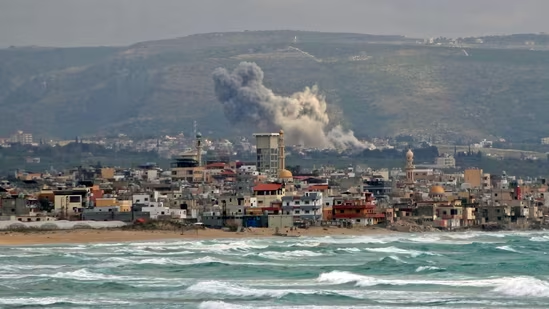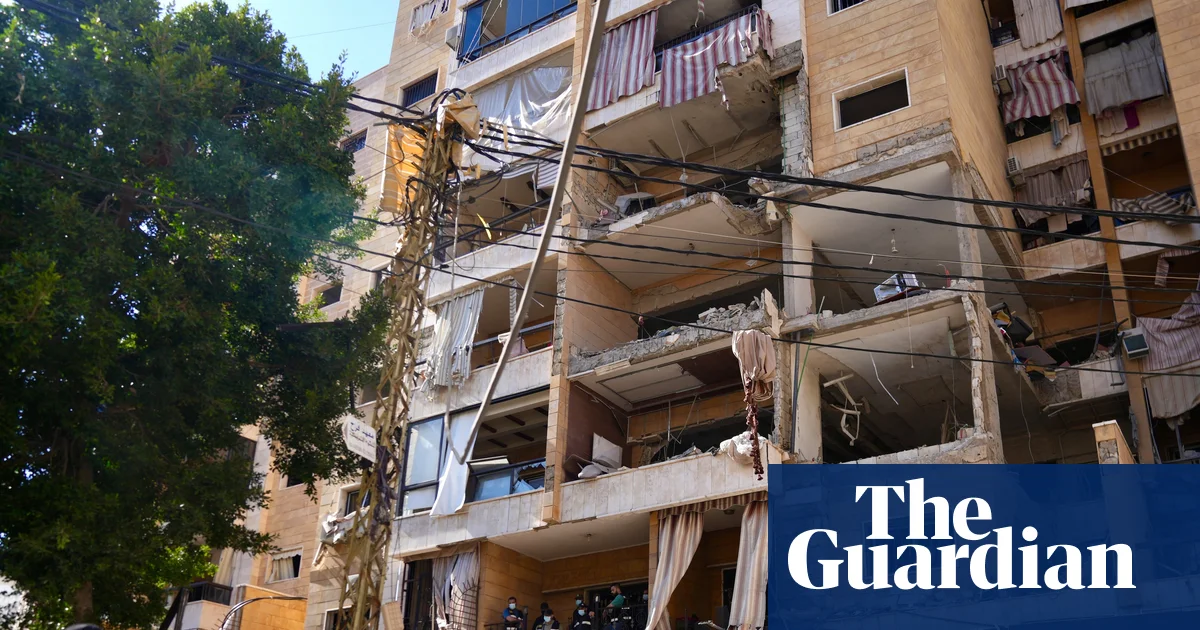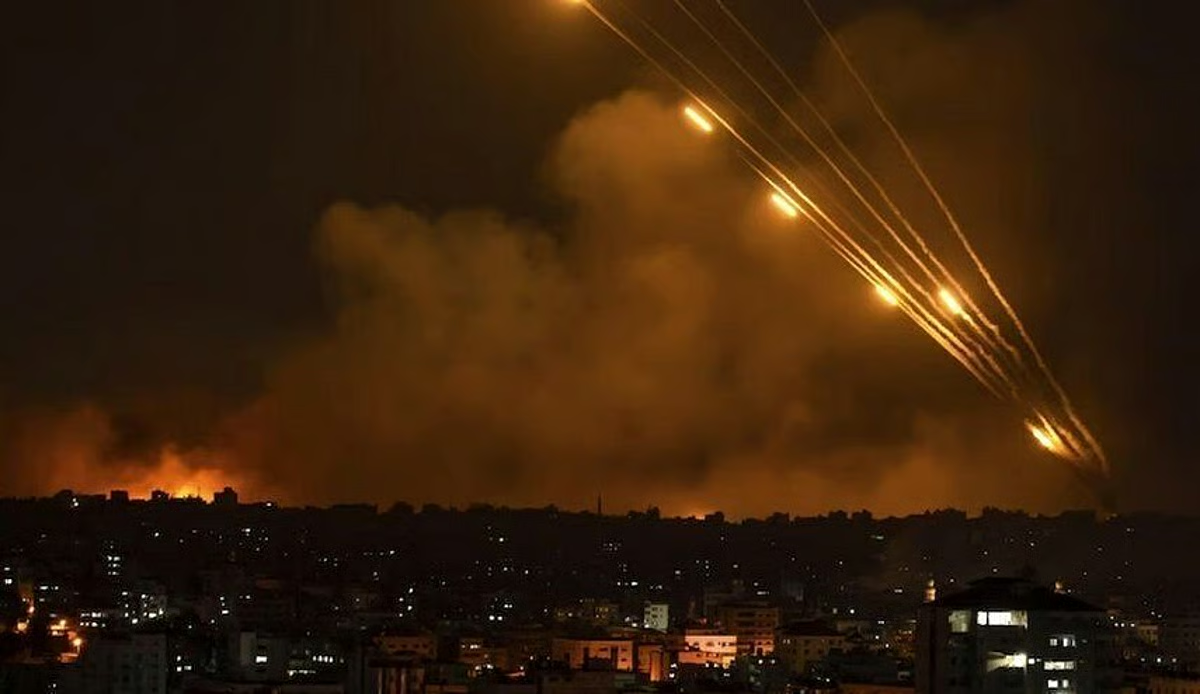
Iran has fired missiles at Israel in response to Israeli air strikes on Beirut, while Israel has retaliated by hitting a petrochemical plant and air defence facilities across Iran.
Iran’s Islamic Revolutionary Guards Corps (IRGC) says they have ceased their operation against Israel after firing 30 missiles. Israel says it will not attack Iran, but it will continue strikes in south Lebanon, from which 1.2 million people have been forced to flee.
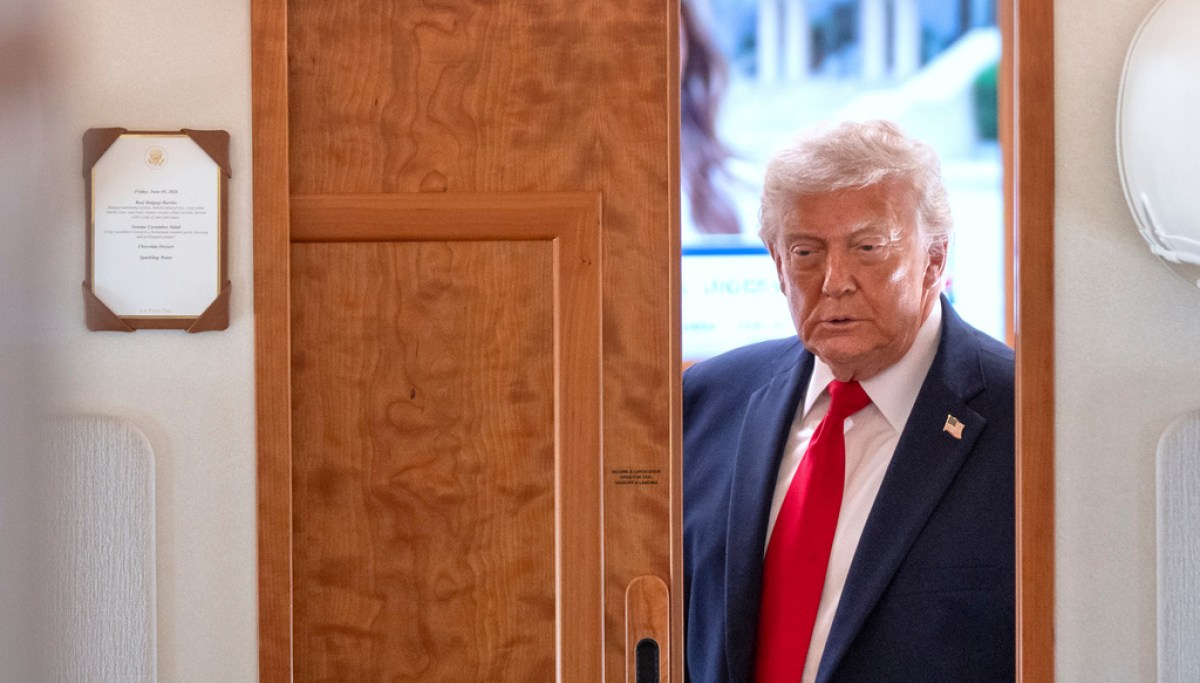
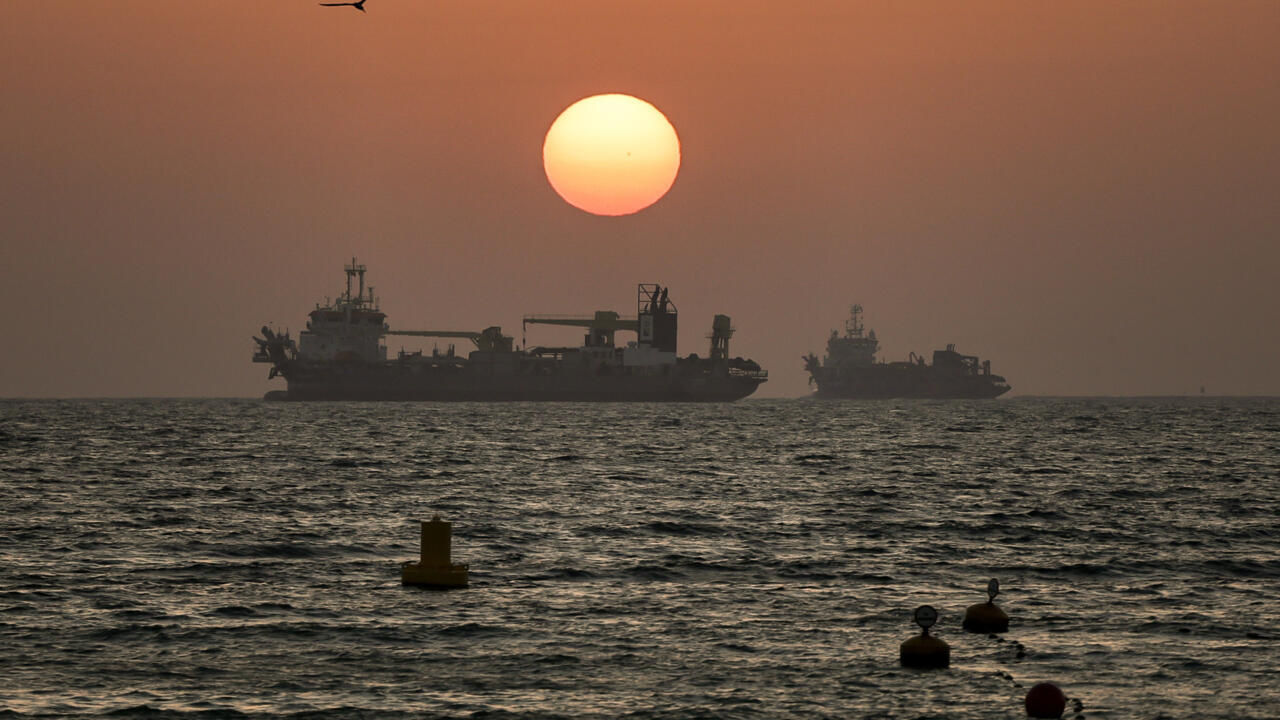
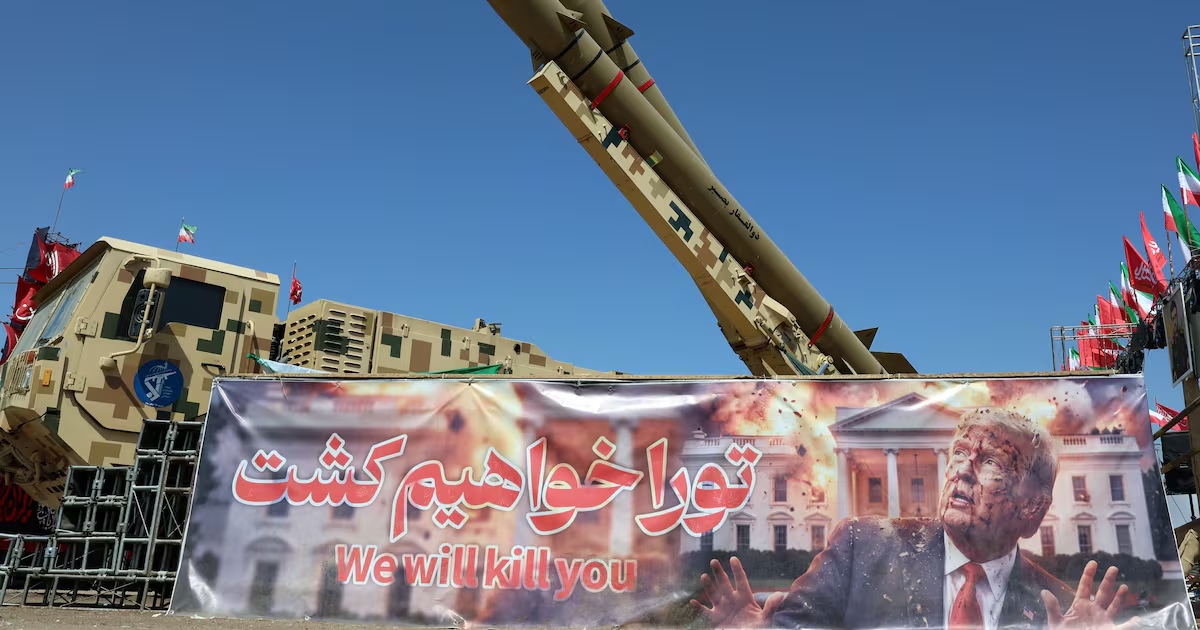
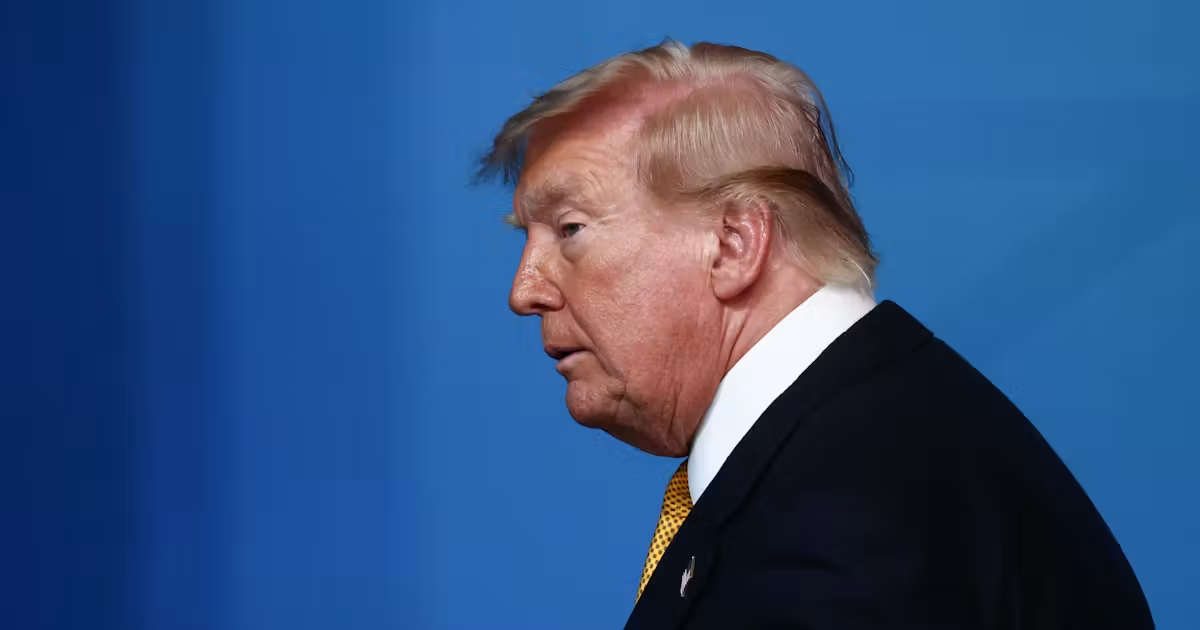
Yet, the exchange of fire marks a new phase of the war launched 100 days ago by the US and Israel against Iran. Iran has made it clear that the war in the Gulf will not end while the war in Lebanon continues, something that Israel cannot agree to without suffering a strategic defeat. President Donald Trump keeps on saying that he “holds all the cards”, but will he really pressure Israel into a genuine ceasefire in Lebanon? The Iranians believe that Israeli Prime Minister Benjamin Netanyahu does nothing without a green light from Washington, so an intractable war in the Gulf is now linked to an intractable war in Lebanon.
Having declared that Beirut is off limits for Israeli air strikes, Iran is fully committed to the Lebanese war. The next time Israel crosses its red lines it will launch its missiles against Israel again. This is a big change from the past when Iran’s active support for the powerful Shia paramilitary movement, Hezbollah, was primarily in the shape of arms, money and belligerent rhetoric. If bringing a permanent end to the US-Iran war looked hard before, it just got harder.