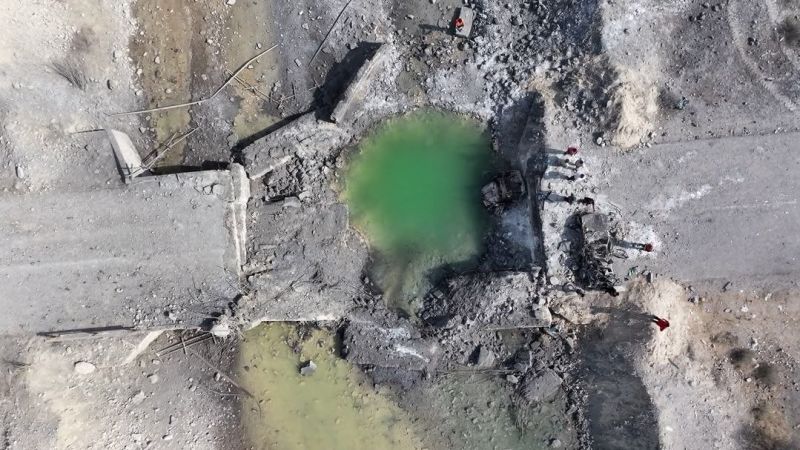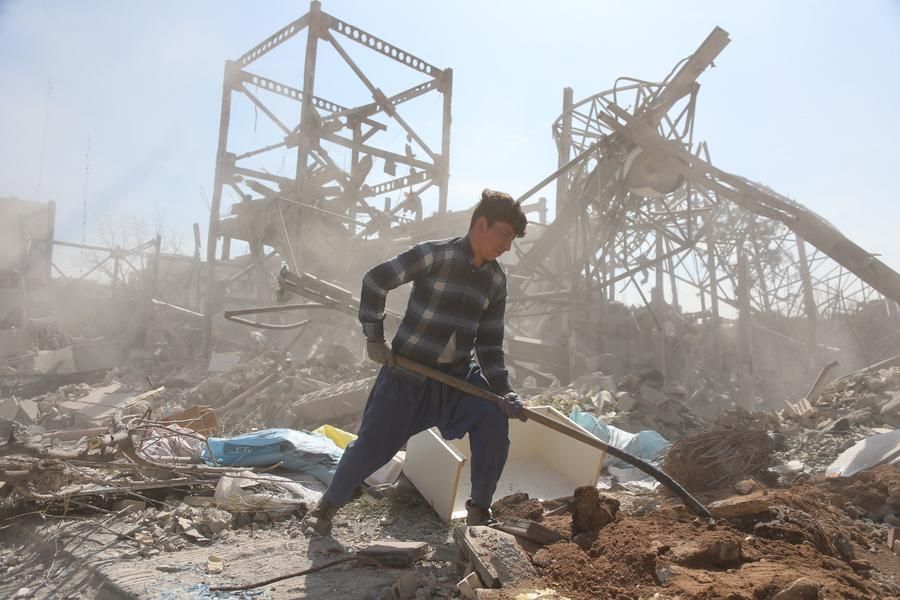
A boy clears debris of a damaged building in Tehran, Iran, March 4, 2026.
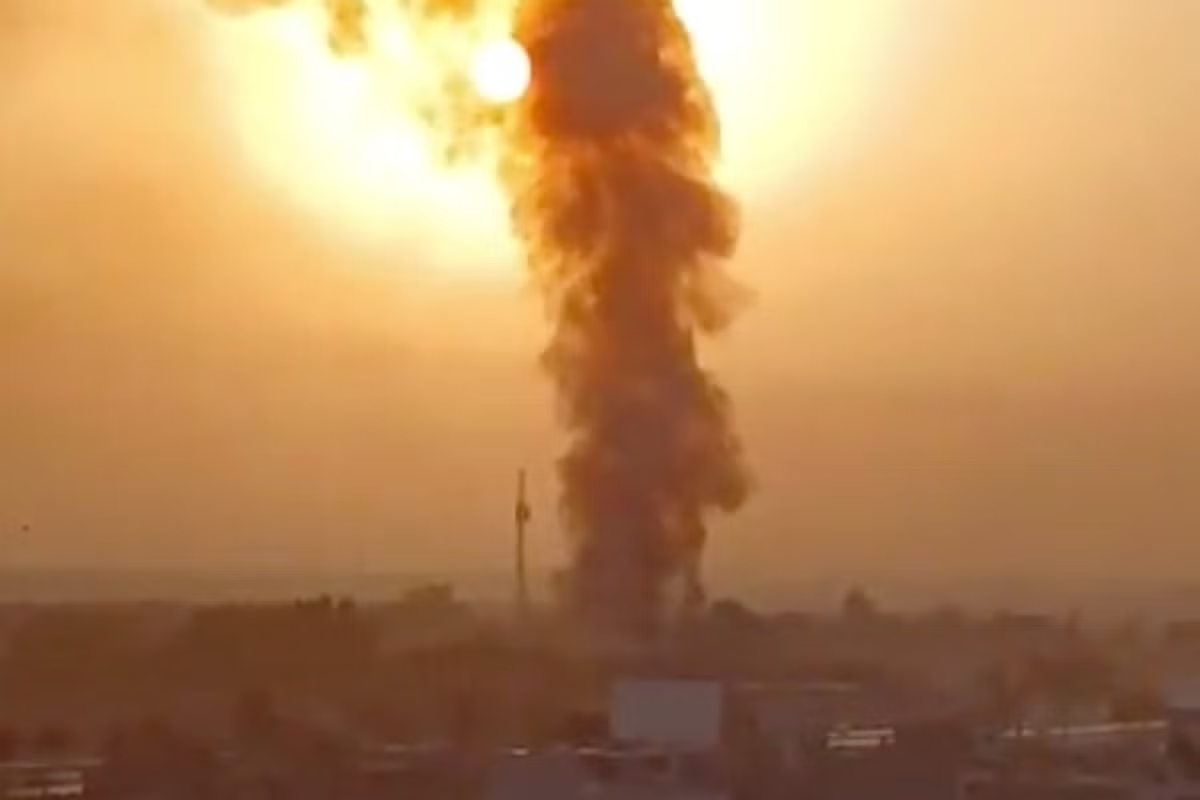
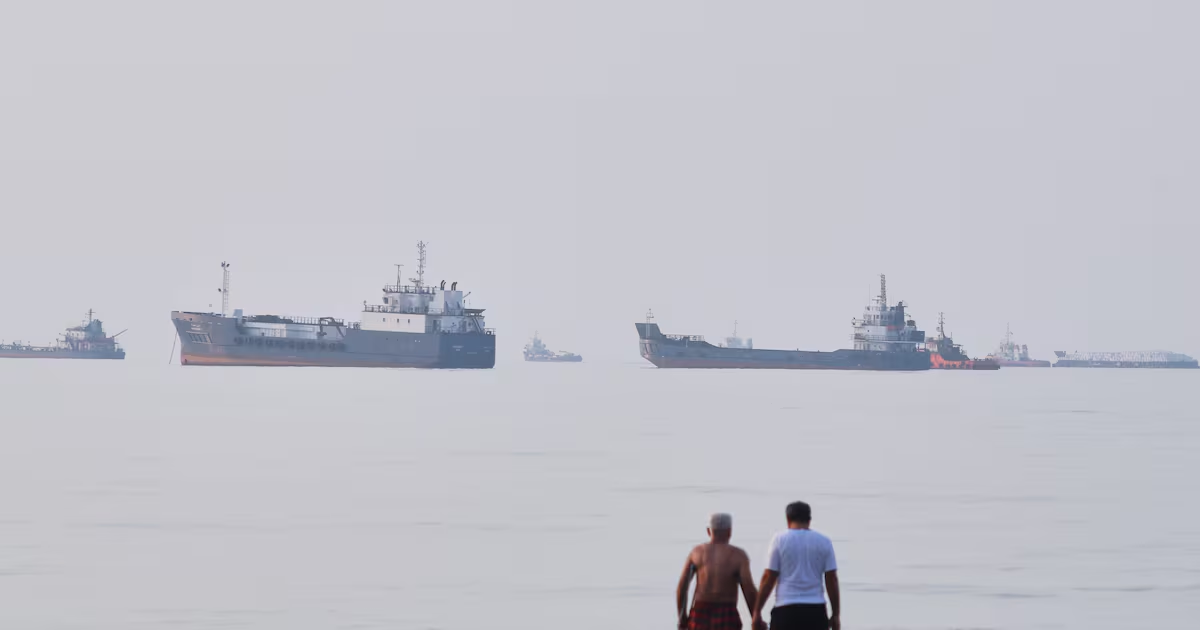
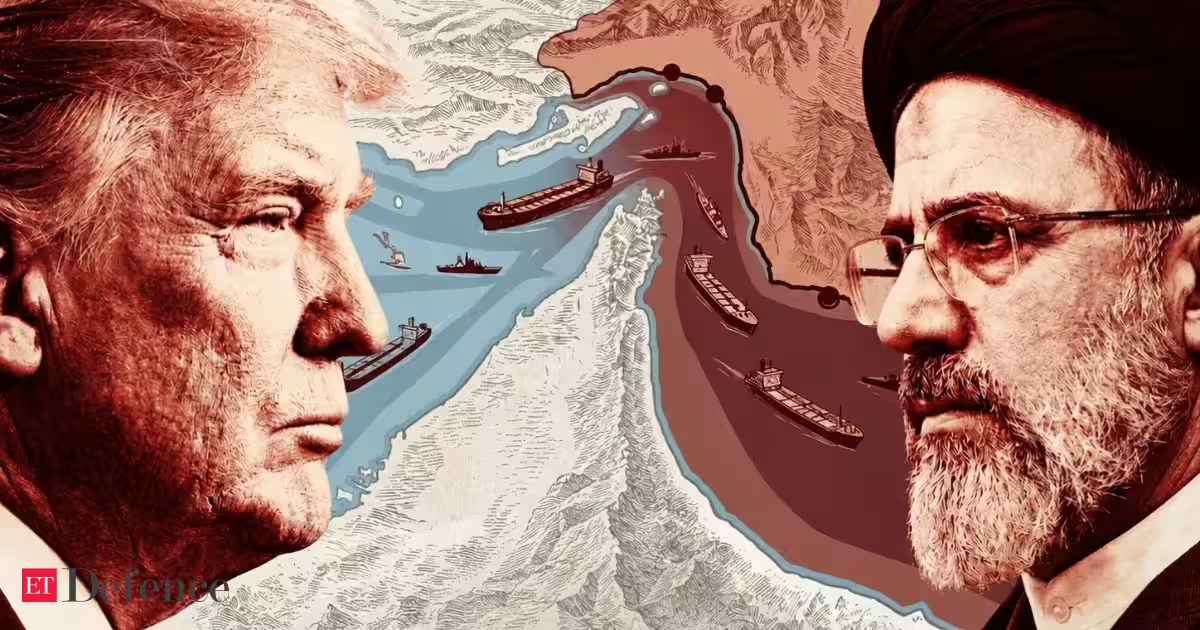
Five months into the war between the US, Israel and Iran, the fighting hasn't stopped, it's just spread further out, and every side seems to be running low on something. This week alone brought three developments that, taken together, say a lot about where this conflict is actually headed. A Ukrainian strike on an Iranian ship in the Caspian Sea, Trump pulling back on US strikes, and Kuwait firing back at Iran for the first time.
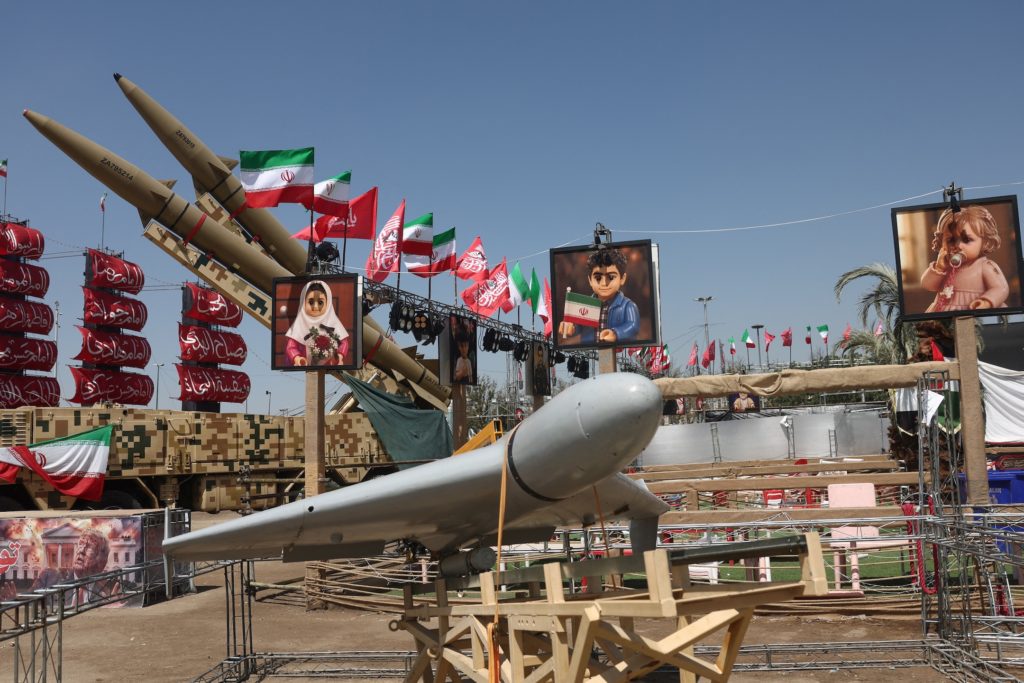
Let's start with the pause, because it's the most consequential of the three. Since Friday, the US has held off on further strikes against Iran, after nearly two weeks of near-nightly attacks that followed the collapse of yet another ceasefire. Officially, the White House is framing this as giving diplomacy "some space," with China reportedly pushing to restart talks through Pakistan and Oman still mediating specifically on the future of the Strait of Hormuz. Unofficially, there's a less flattering explanation floating around. Reports out of Axios and other outlets suggest America's stock of interceptor munitions, the missiles used to shoot down Iranian projectiles, has been strained by months of near-constant use, to the point where commanders have reportedly started letting some lower-risk Iranian projectiles through rather than intercepting everything. Trump has publicly waved this off, insisting the US is "winning big time" and dismissing any concern about running low on supplies. Maybe he's right. But a pause arriving right when stockpile stories start circulating isn't exactly a coincidence that inspires confidence.