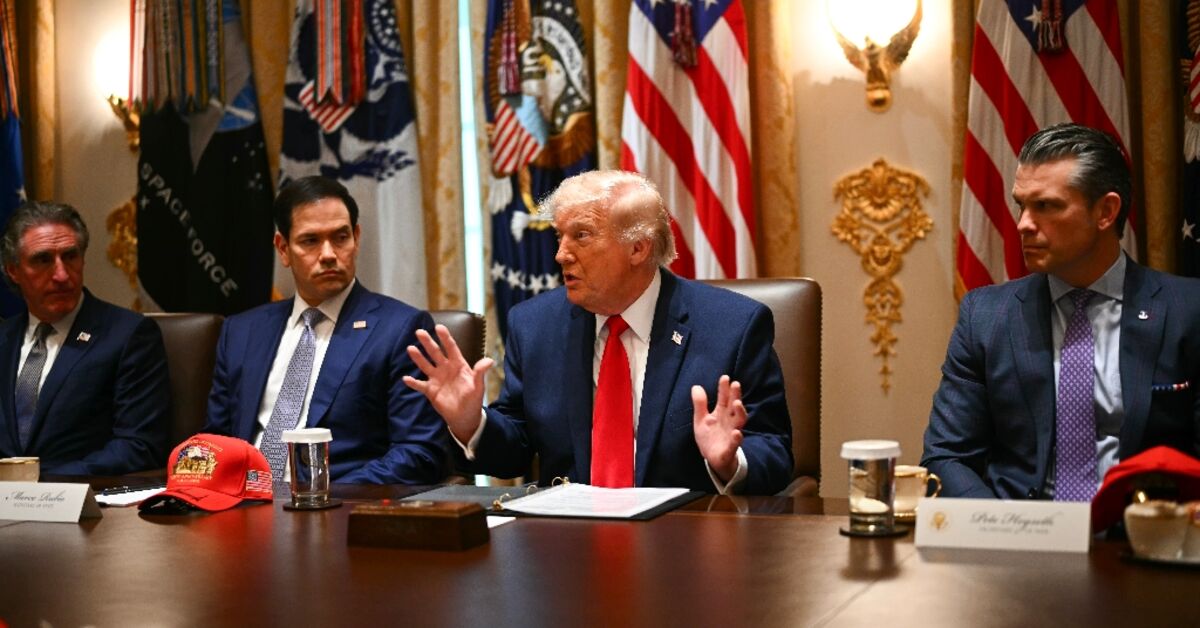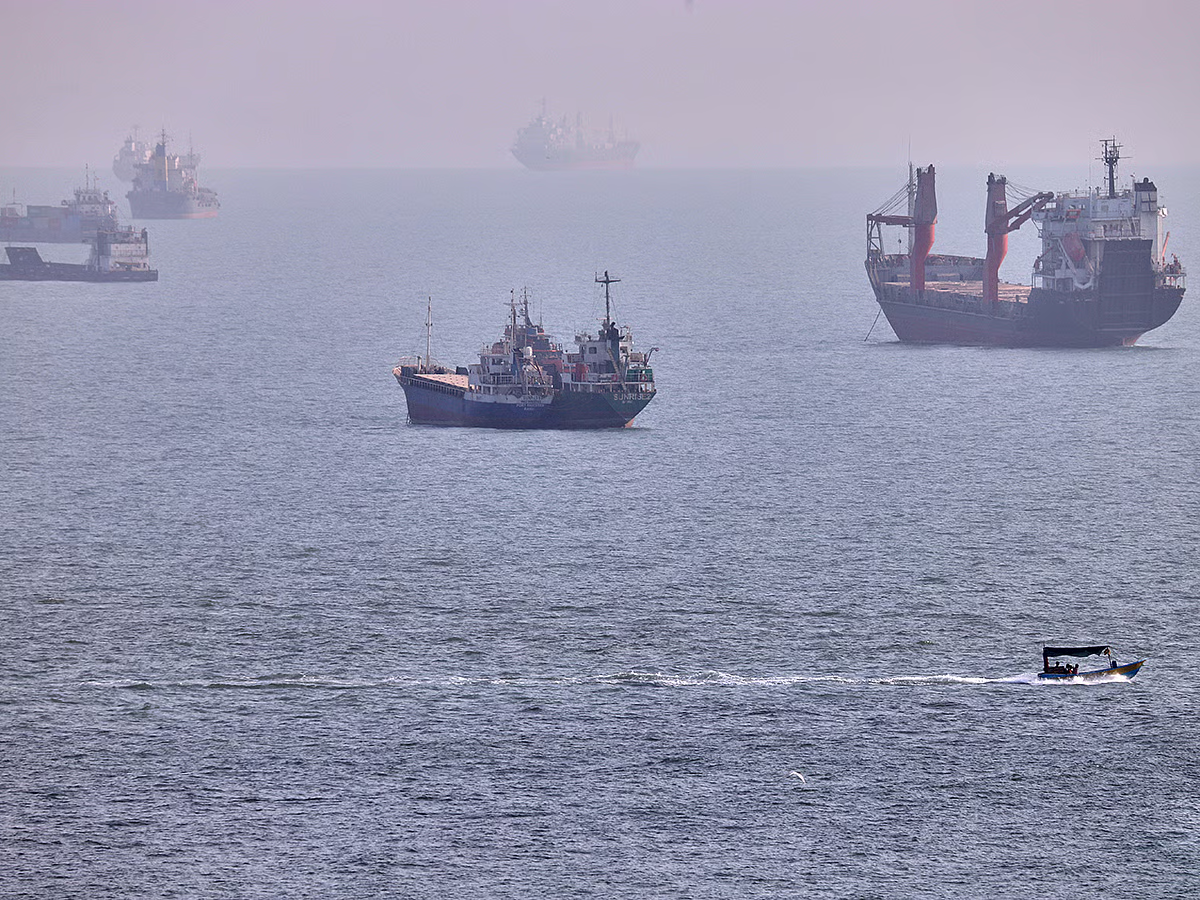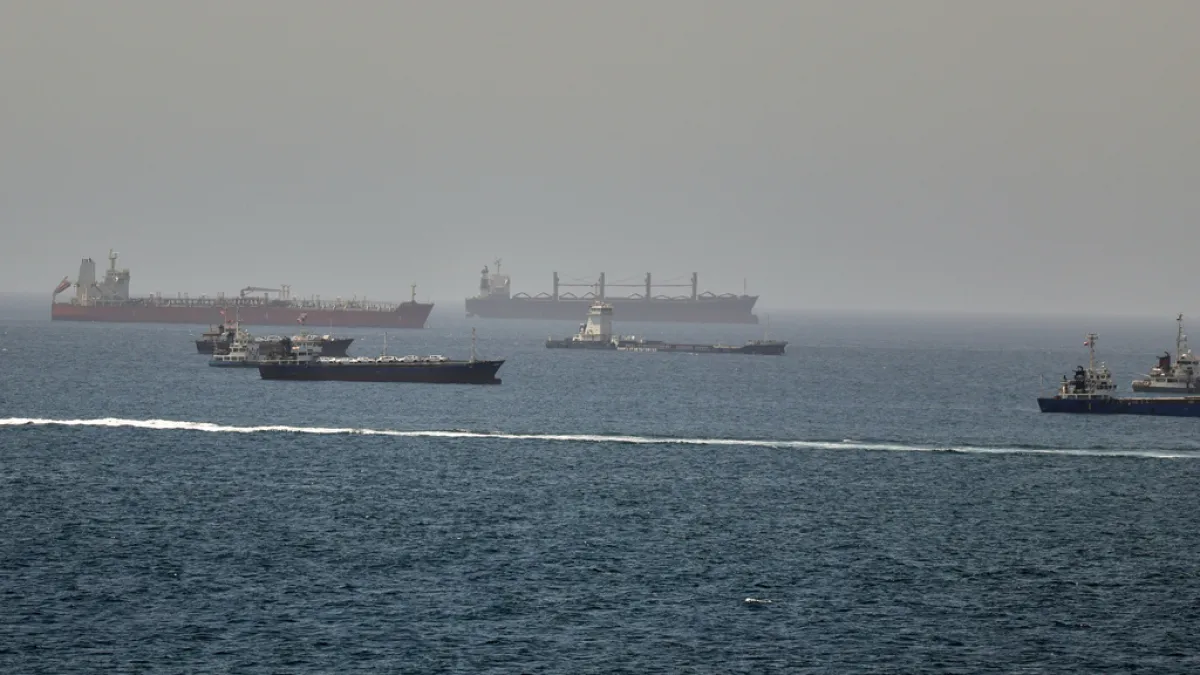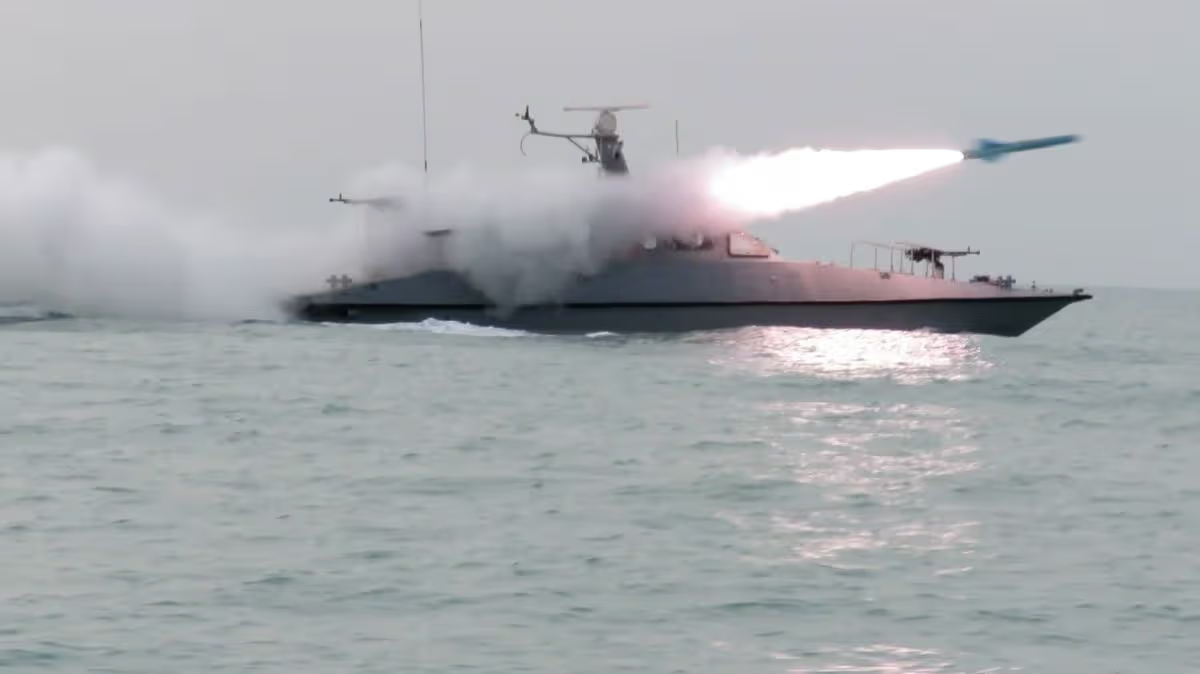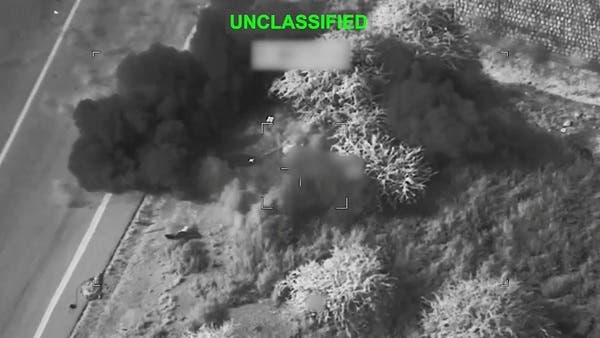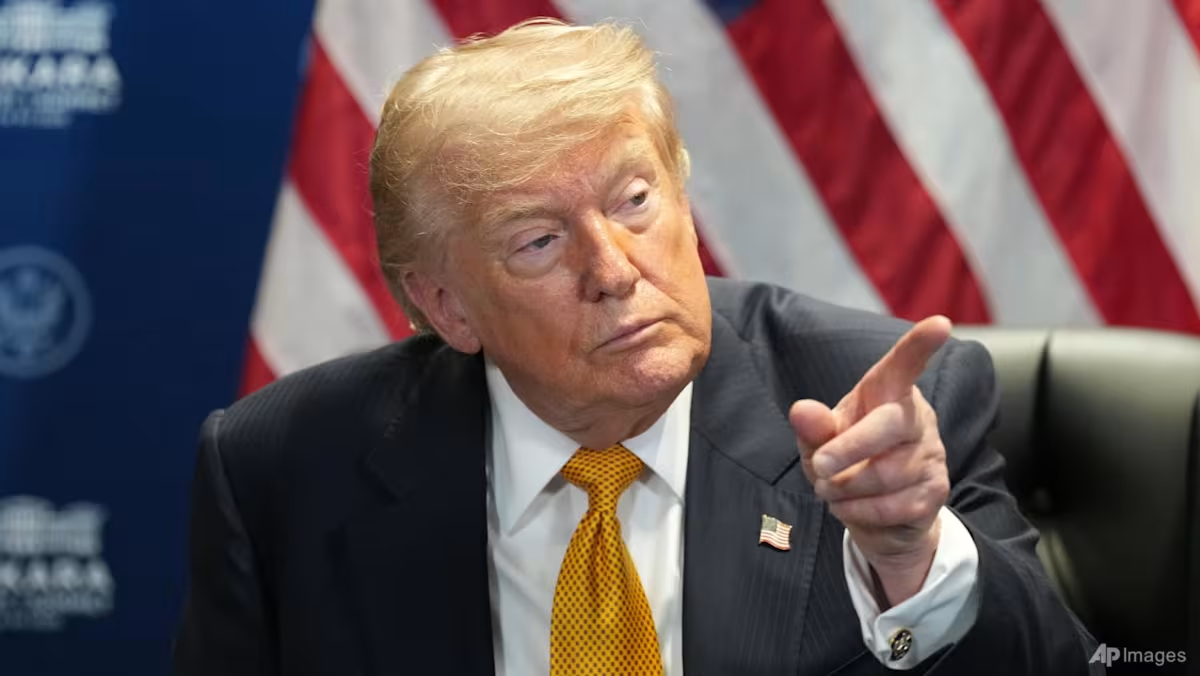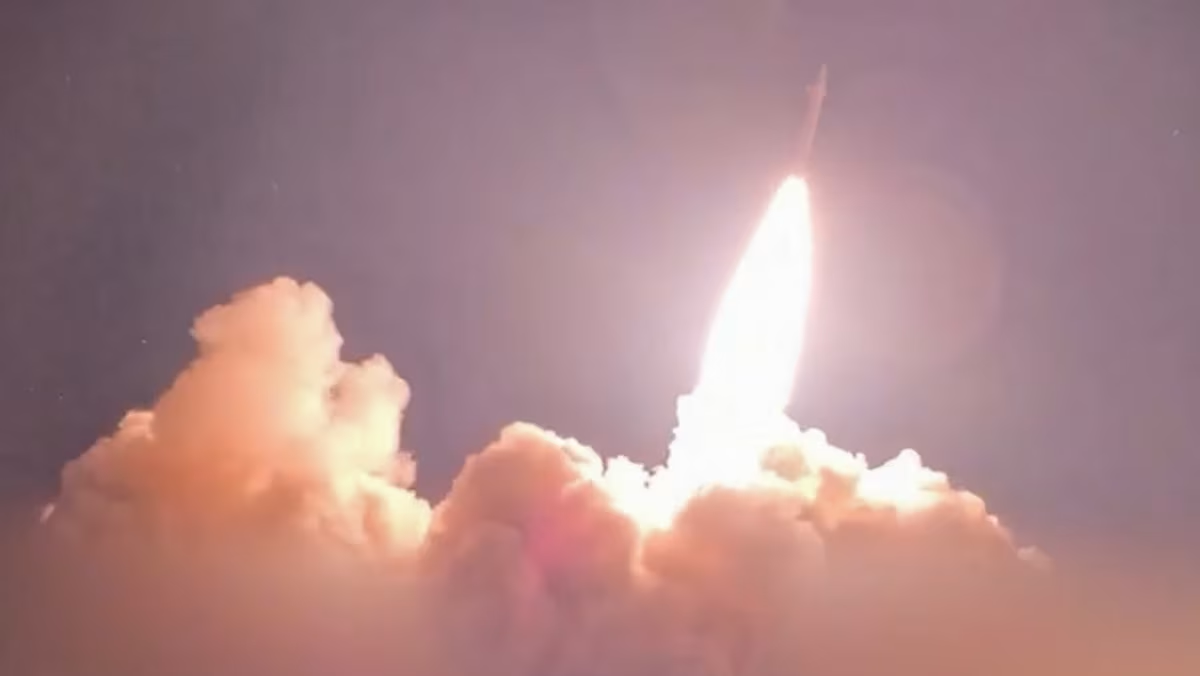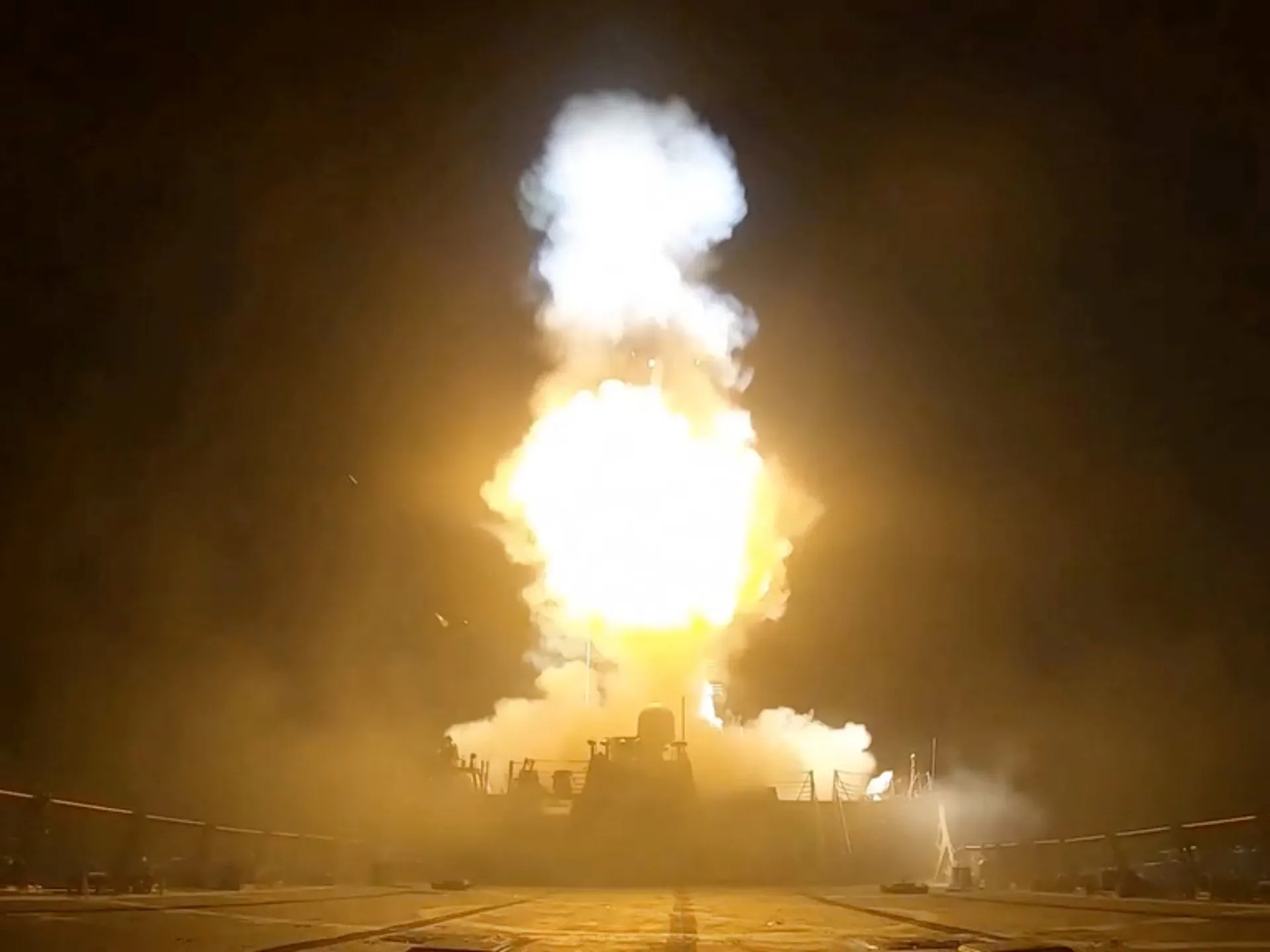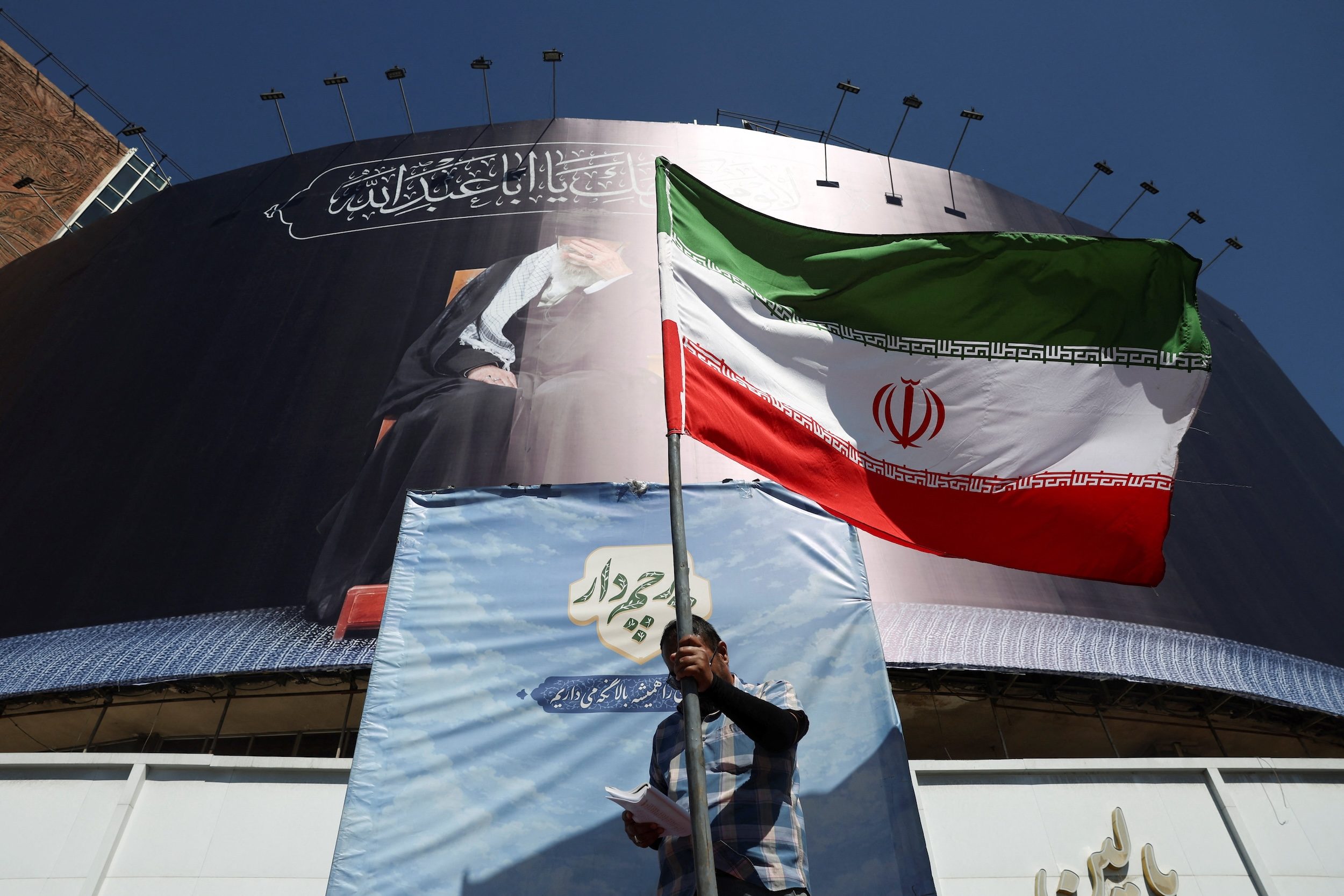
Washington and Tehran have been locked in the most dangerous round of fighting since a fragile truce ended almost six weeks of open conflict in April, as the US seeks to stop Iran from asserting control over the Strait of Hormuz.Yet while the conflict has worsened, it remains far smaller in scope than the war that began in February, in which Israel was also a combatant and hundreds of attacks on buildings in Iran killed dozens of senior political and military figures, alongside thousands of others.This time, the two countries appear to be trying to calibrate their escalation of the conflict, while striking selected sites that signal how each is willing to raise the stakes as they battle to control the strait.“They are looking at war as a negotiating tactic,” said Ali Vaez, an analyst at the International Crisis Group, who said both sides were seeking to use force to impose their own interpretations of a memorandum of understanding reached in June.“This is not a sustainable situation,” he added. The risk, said analysts, was that the clashes could spiral out of control, igniting a return to full-blown conflict.US forces have in recent days targeted hundreds of military sites across a much wider swath of southern Iran than during previous strikes outside the full-scale conflict – but have not struck Tehran or other major cities.A handful of strikes also landed deeper inside Iran, including on a railway bridge in northeastern Iran on a line that connects the country to Central Asia, and beyond that to China and Russia.US President Donald Trump (R) greets Iraqi Prime Minister Ali al-Zaidi outside the West Wing of the White House in Washington, DC, USA, 14 July 2026. This is Ali al-Zaidi's first foreign trip since he took office in May 2026. Vaez said that strike carried a message linked to the US naval blockade on Iranian ports, which Donald Trump on Monday said he would reimpose.“It was a signal to Iran that if we return to all-out conflict, that Iran would no longer be able to use land routes to circumvent the US naval blockade, and that this time around the US would also try and impose a land blockade,” Vaez said.Aaron Miller, a former state department official now at the Carnegie Endowment for International Peace, said that Trump could opt to “broaden the target set” to include electrical power grids, desalination plants, wastewater plants or water purification plants.“War crimes notwithstanding, that would clearly be an effort to create what we now don’t have on either side, which is a hurting stalemate,” he said – but at the same time, it would risk a “huge Iranian response”.Both Iran and the US appear to have used the three months since the tentative ceasefire was struck in early April to regroup, rearm and resupply their forces.Recent strikes against bases in the Gulf and particularly against Jordan suggested Iran has continued to hone the accuracy of its missiles, said Farzin Nadimi of the Washington Institute for Near East Policy. “They have constantly been improving,” Nadimi said, pointing to several strikes by ballistic missiles against American installations, which appeared aimed at particular hangars and buildings.He said this showed that even after the onslaught that began in February, Iran had “retained enough scientific and technological ability” to take on board lessons from its battlefield experience.Iran claims to have hit and damaged missile systems in Jordan, command-and-control facilities in Bahrain, and air defence and radar installations in Kuwait, claims that could not be independently verified.“When Iran strikes individual Gulf states, it is trying to create an untenable situation for them and make them come to the table with Tehran on favourable terms,” said Daniel Benaim, who was a senior state department official working on the Gulf under former president Joe Biden and is now with the Middle East Institute. Yet Saudi Arabia and the United Arab Emirates have largely avoided the attacks that Kuwait, Bahrain and Jordan have faced. Qatar, which has been a mediator between Washington and Tehran, and Oman, which faces Iran across the Strait of Hormuz, have also been struck. “The countries that Iran is not striking in the Gulf in these latest rounds also speak volumes, perhaps every bit as much as the ones that it does, because it tells you which countries are engaged in quiet diplomacy with Iran,” Benaim said.Kuwait and Bahrain host American installations that were repeatedly struck during past rounds of skirmishing in May and June and have once again been Iranian targets.“It is unfortunate for us in the Gulf: we are taken hostage to a situation that is not of our making,” said Bader al-Saif, an academic at Kuwait University who was previously a senior official in Kuwait City. “For Iran, we are easy targets.”However, Iran has held off repeating the wave of strikes targeting Gulf energy facilities and other civilian infrastructure that it carried out in the first months of the war, this time focusing largely on military sites.Significantly, it has also not struck Israel, a move that would require longer-range missiles and would risk drawing Israel back into the conflict.Nicole Grajewski, an expert on Iran at Sciences Po in Paris, said: “I think the Iranians don’t want the leash to be loosened on the Israelis, because that is when the real damage could occur.”Iran said on Monday that it had struck US refuelling and support installations on the docksides at Duqm in Oman, a strategic outlet on the Indian Ocean. That appeared to follow Iranian frustrations that the US was encouraging vessels to use a route along Oman’s coastline to transit the strait.“I think a lot of these strikes are Iran expressing displeasure about specific policy decisions that governments have taken towards the US and the Strait of Hormuz,” said Grajewski.The Pentagon denied that Iran had dealt damage to US installations. Captain Tim Hawkins, a spokesperson for US Central Command, said: “Iran’s false claims have zero credibility ... In Oman, for instance, Iranian forces struck a civilian hotel that served no military purpose, demonstrating once again their attacks across the region target innocent people.”But few believe that the tit-for-tat violence, designed to force the other side into concessions in negotiations, will force either Iran or the US into a significant change of heart.“This is unlikely to yield the outcome either side wants,” said Dana Stroul, a former deputy assistant secretary of defence for the Middle East. “The risk of miscalculation is of course high, which could push this into a more escalatory cycle.” – Copyright The Financial Times Limited 2026
Iran and US strike sites that signal how each is willing to raise the stakes
Few believe that the tit-for-tat violence will force either into a significant change of heart
1,090 words~5 min read