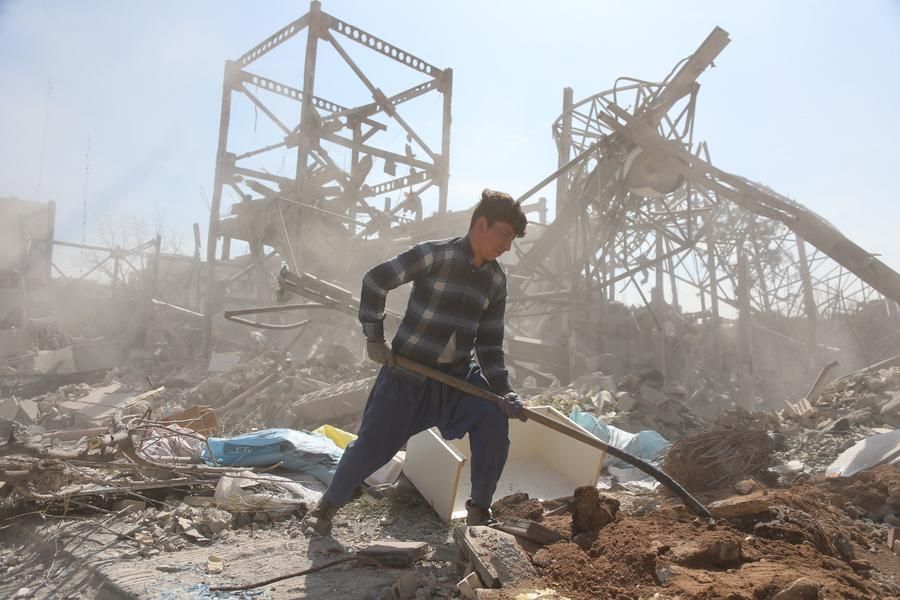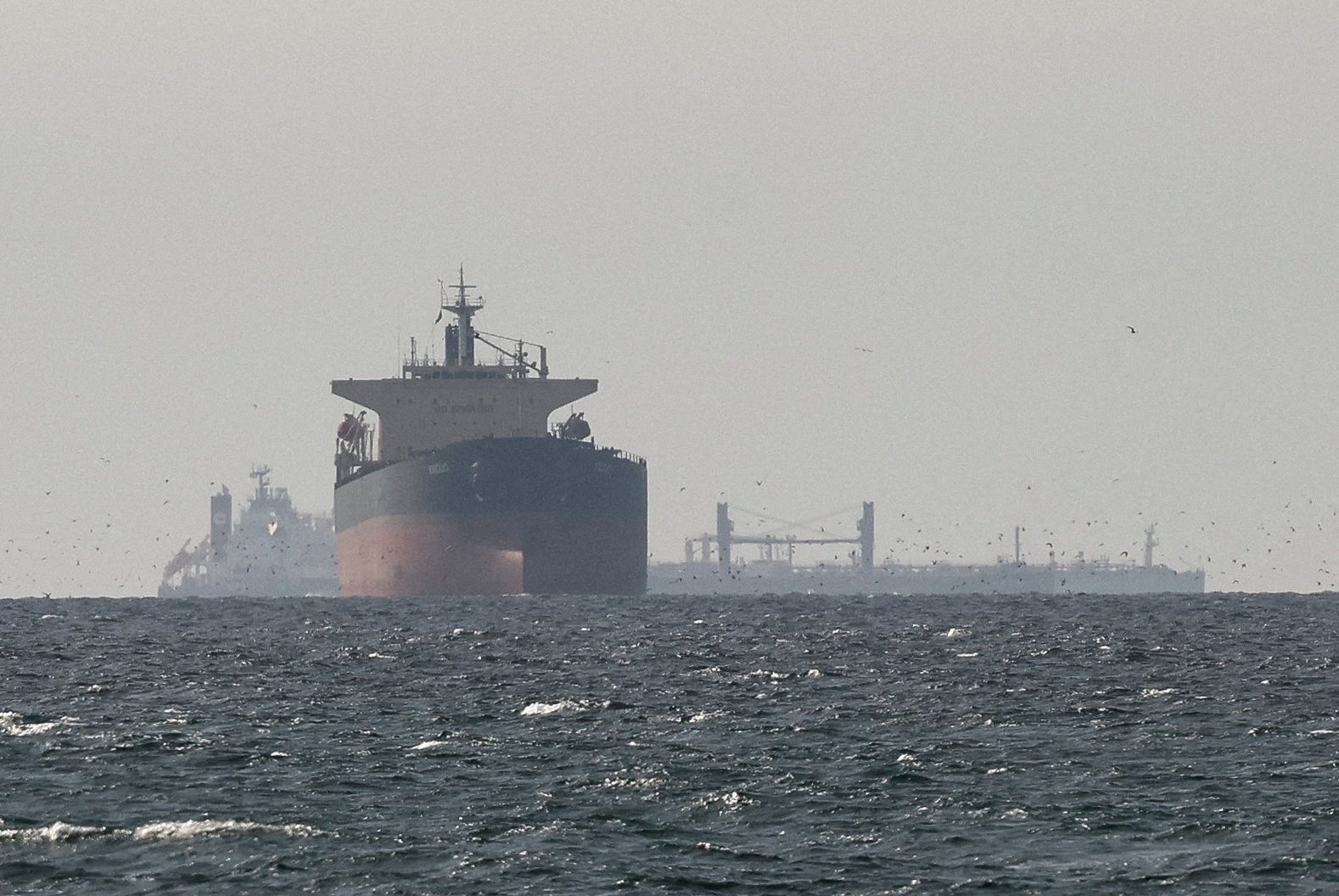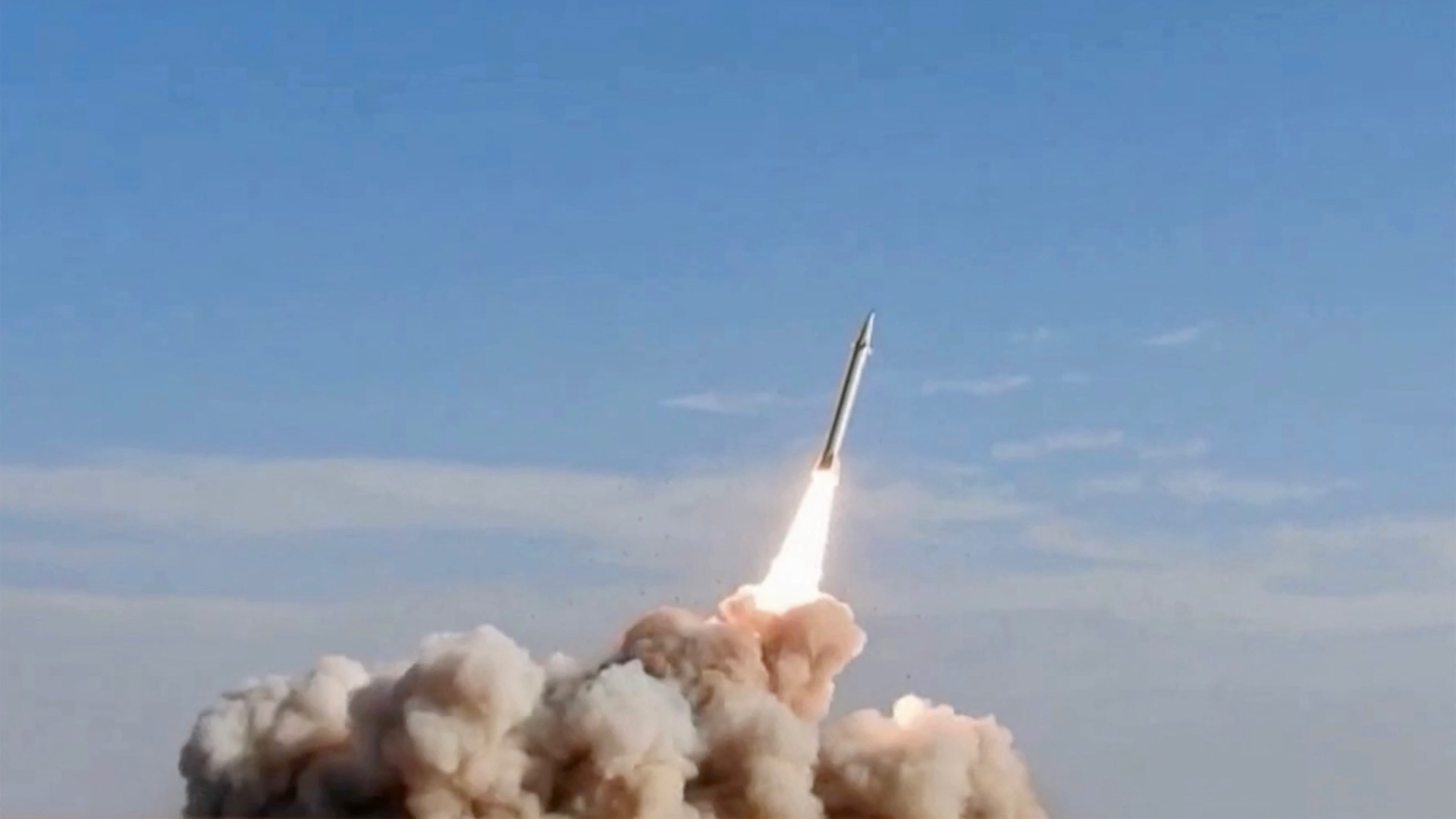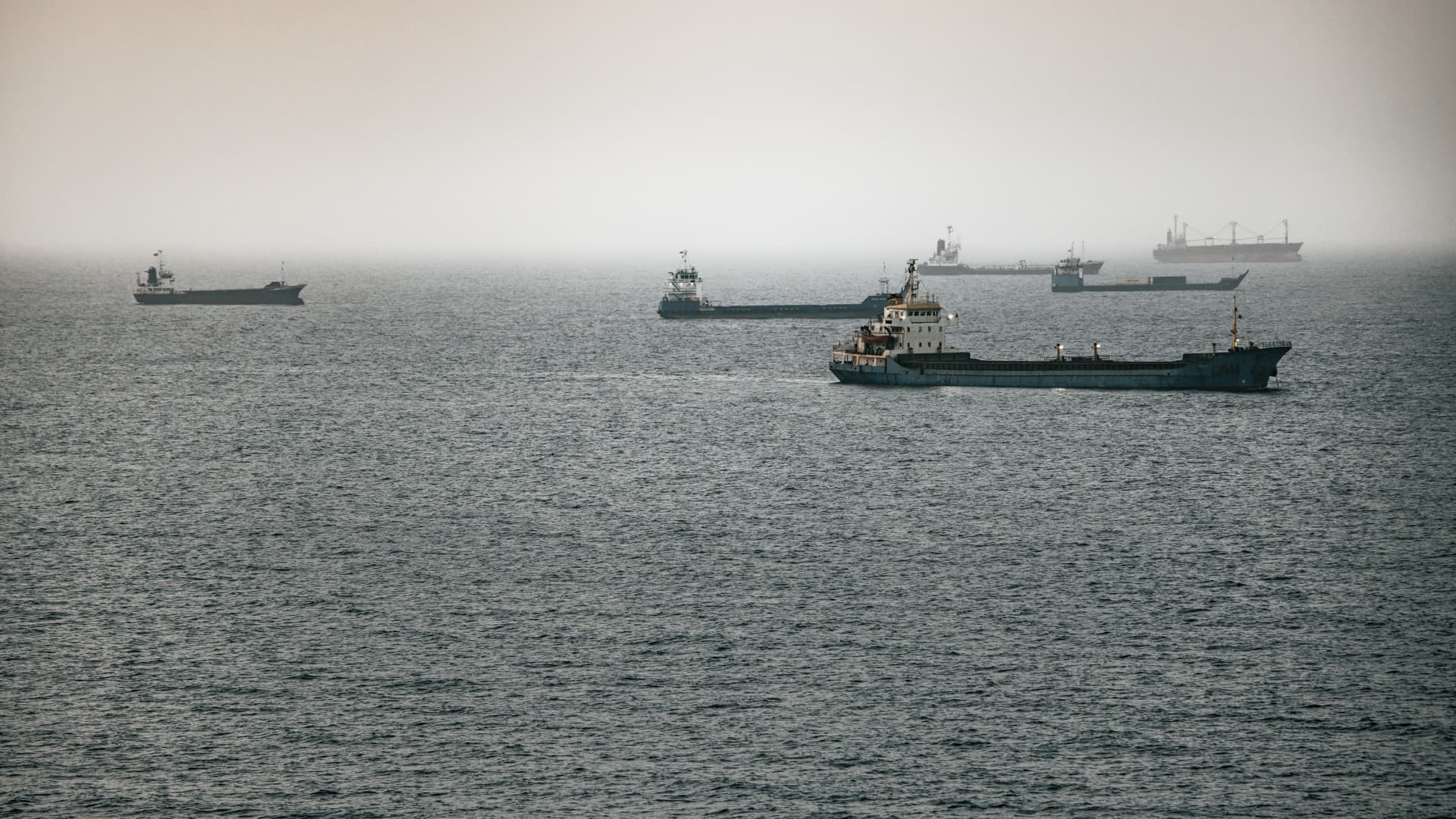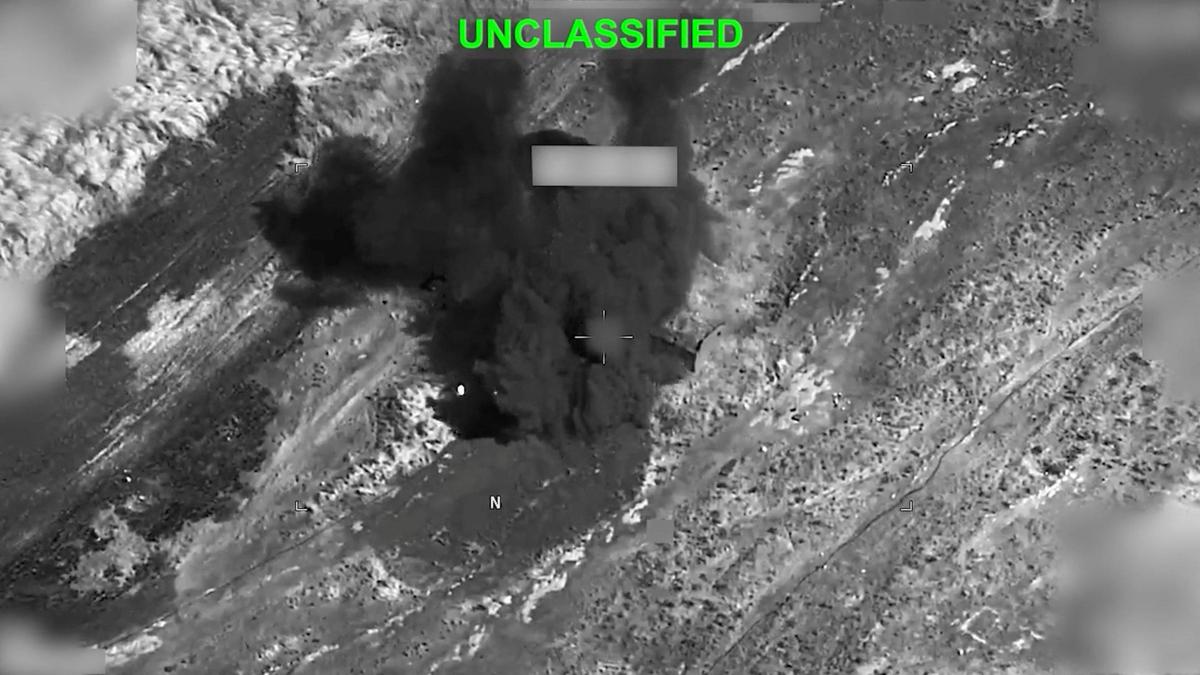
We are well into the fifth month of the US-Iran war. An MOU brought a temporary reprieve, interrupted by occasional skirmishes. For the past week, however, guns, missiles and drones have once again done the talking.
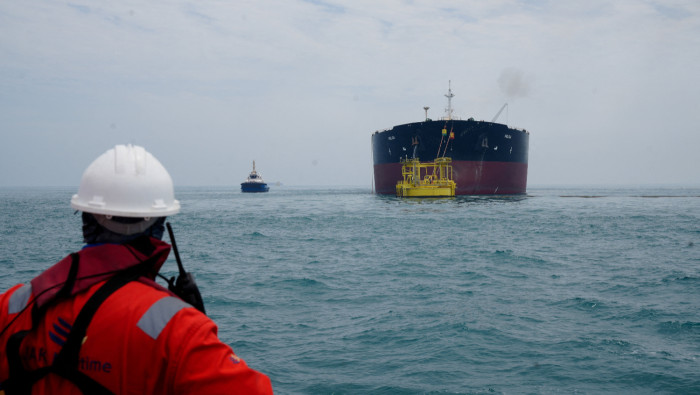
First, oil prices reacted swiftly, with Brent crude rising by roughly 20 percent over a 10-day period. This matters because higher energy prices intensify inflationary pressures. The IMF’s latest economic update raised its 2026 global inflation forecast to 4.7 percent and lowered its global growth forecast to 3 percent.
Several factors helped prevent oil prices from remaining above $120 a barrel during the first months of the war.
First, consumers relied heavily on commercial and strategic inventories, some of which have since been substantially depleted.
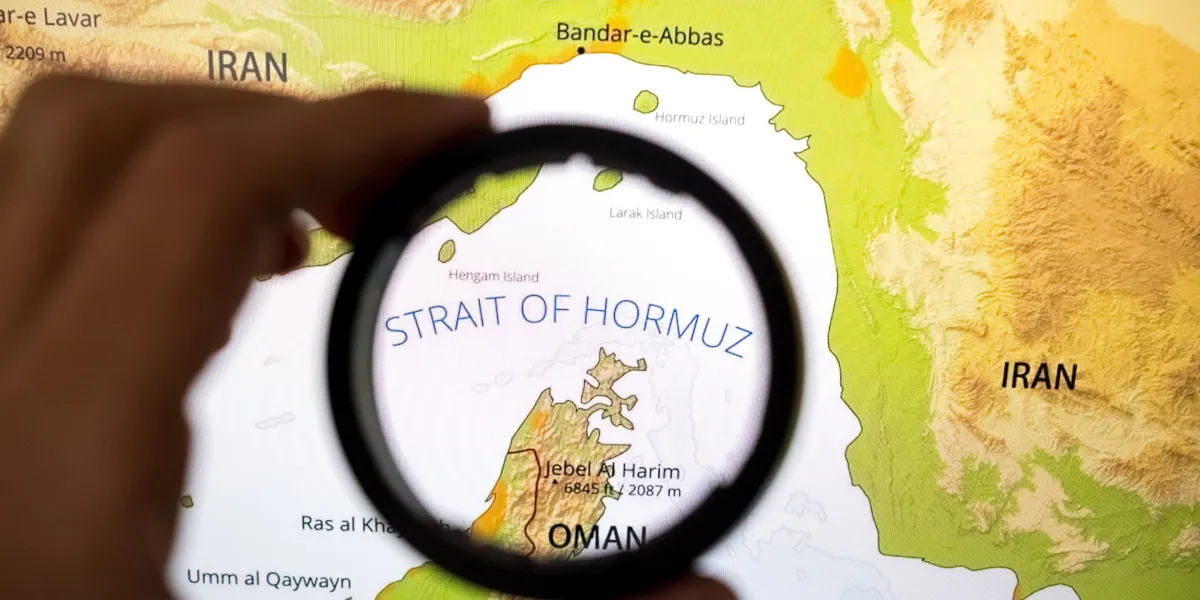
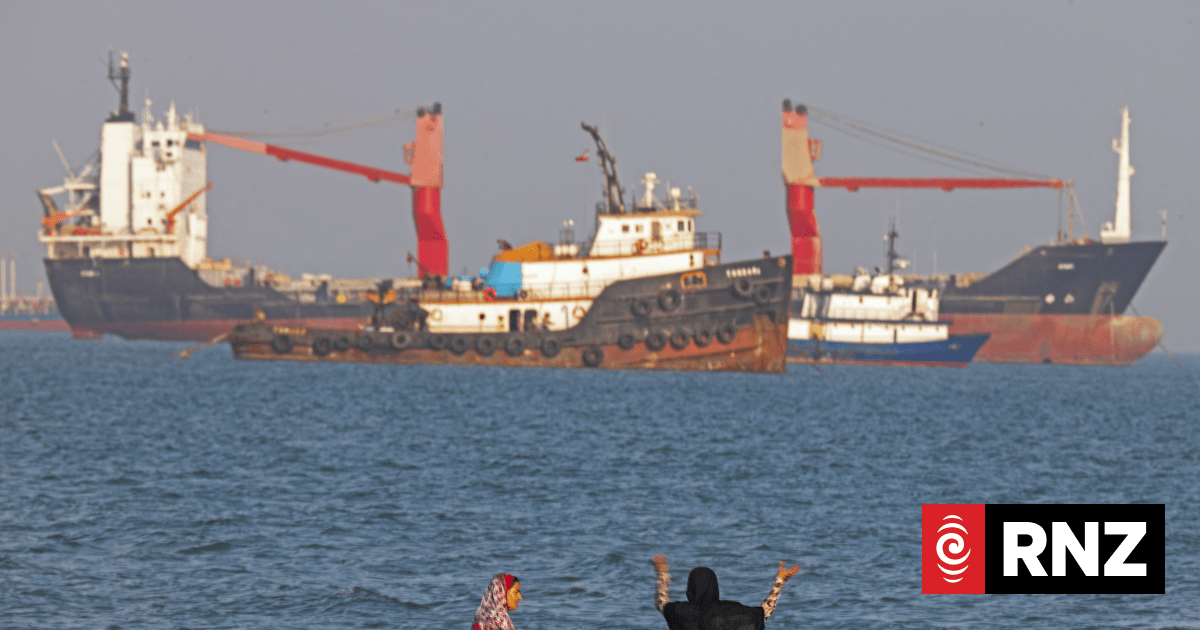
Second, Saudi Arabia’s East-West Pipeline offered capacity of around 7 million barrels per day, while the UAE’s Habshan-Fujairah pipeline provided up to 1.8 million barrels per day of bypass capacity, allowing some exports to avoid the Strait of Hormuz.