Iran’s strikes are pushing Gulf states toward a breaking point, forcing a choice between restraint and retaliation.
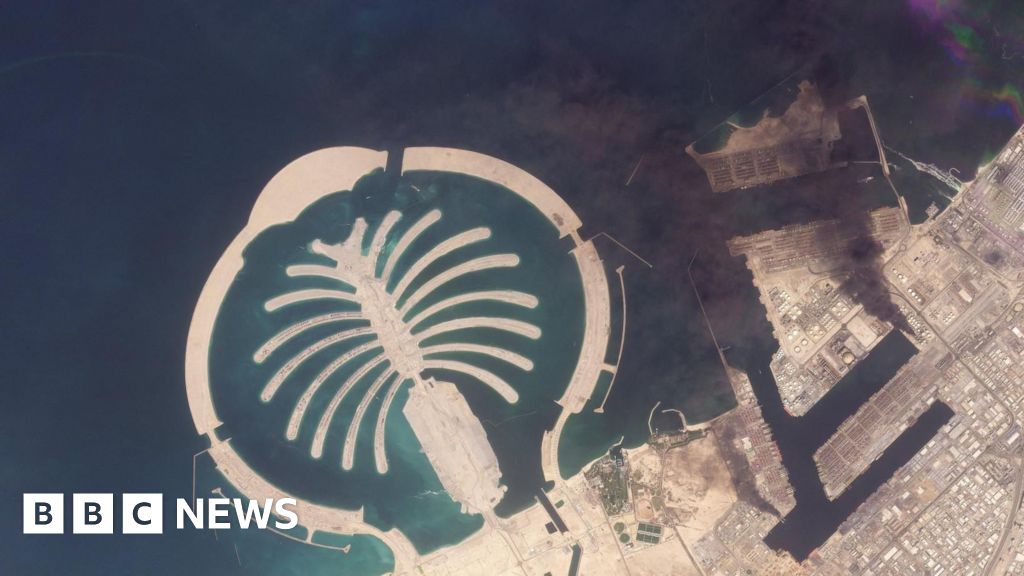
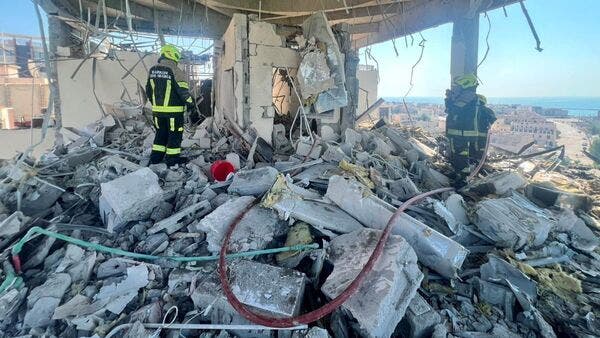
Iran’s Gulf neighbors have been repeatedly targeted and hit by Iranian drones and missiles as part of the Islamic Republic’s retaliatory strikes against the U.S. and Israel’s bombardment since late February.
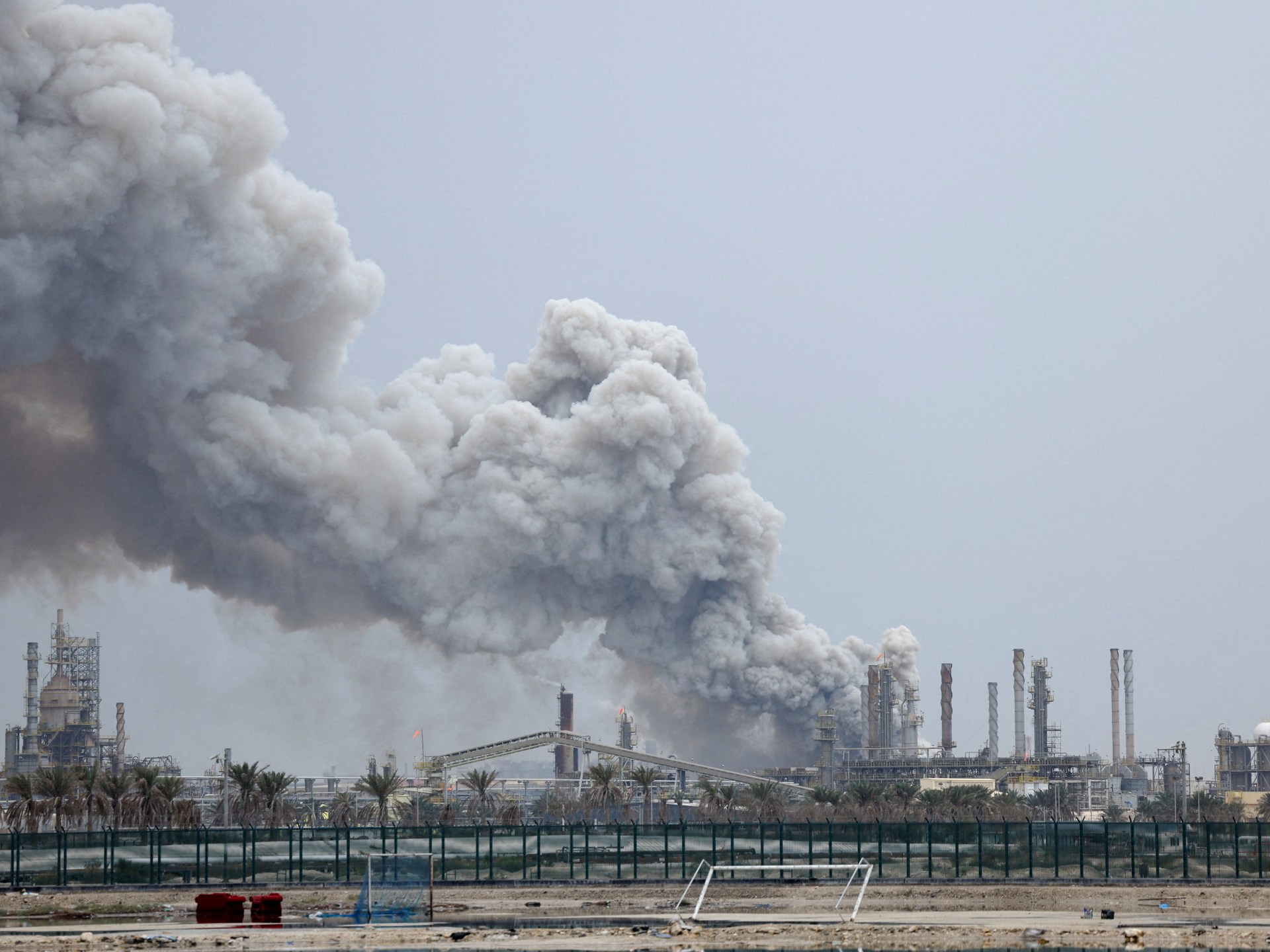
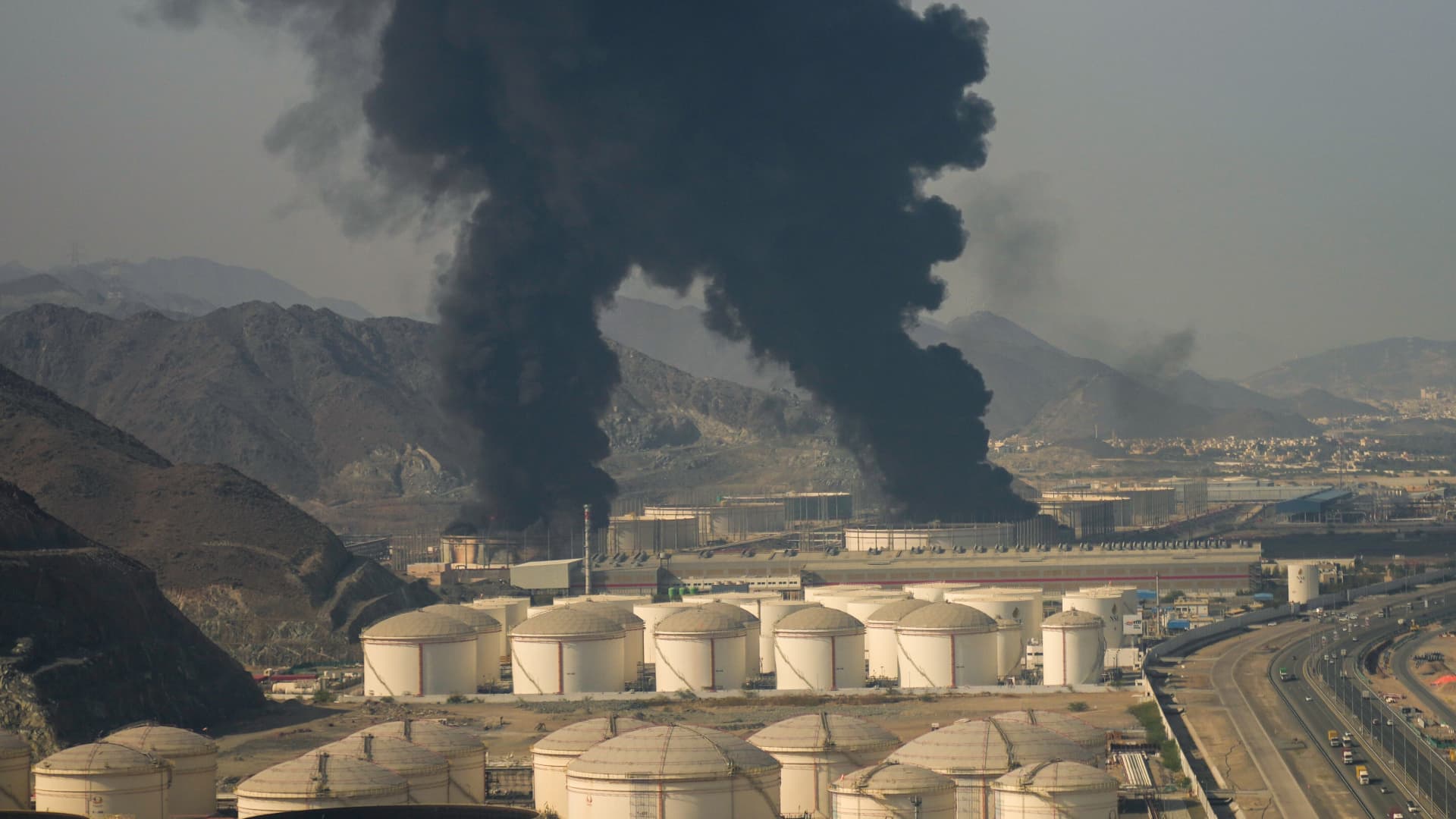
The latest and perhaps most significant escalation in attacks on Iran’s neighbors came this week when Tehran launched retaliatory missile attacks on Qatar’s Ras Laffan liquefied natural gas (LNG) terminal following Israel’s attack on Iran’s South Pars gas field.
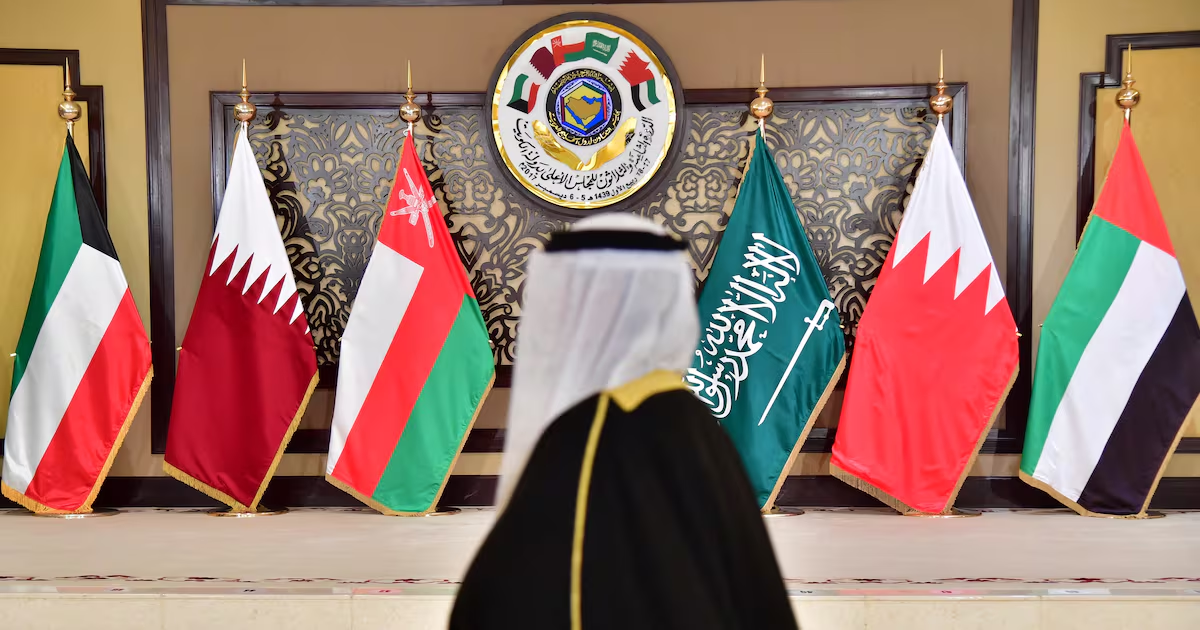
Gulf states — from Qatar, Saudi Arabia and the United Arab Emirates to Bahrain, Oman and Kuwait — have responded to Iran’s repeated attacks on their energy infrastructure by saying “a price must be paid” and that the attacks “cannot go unanswered,” but, so far, they have not retaliated.
That diplomatic and defensive stance can’t and won’t last forever, analysts say, noting that the Gulf states are now likely weighing up when, where and how they might shift from a neutral stance to an offensive one.