https://arab.news/wdecc
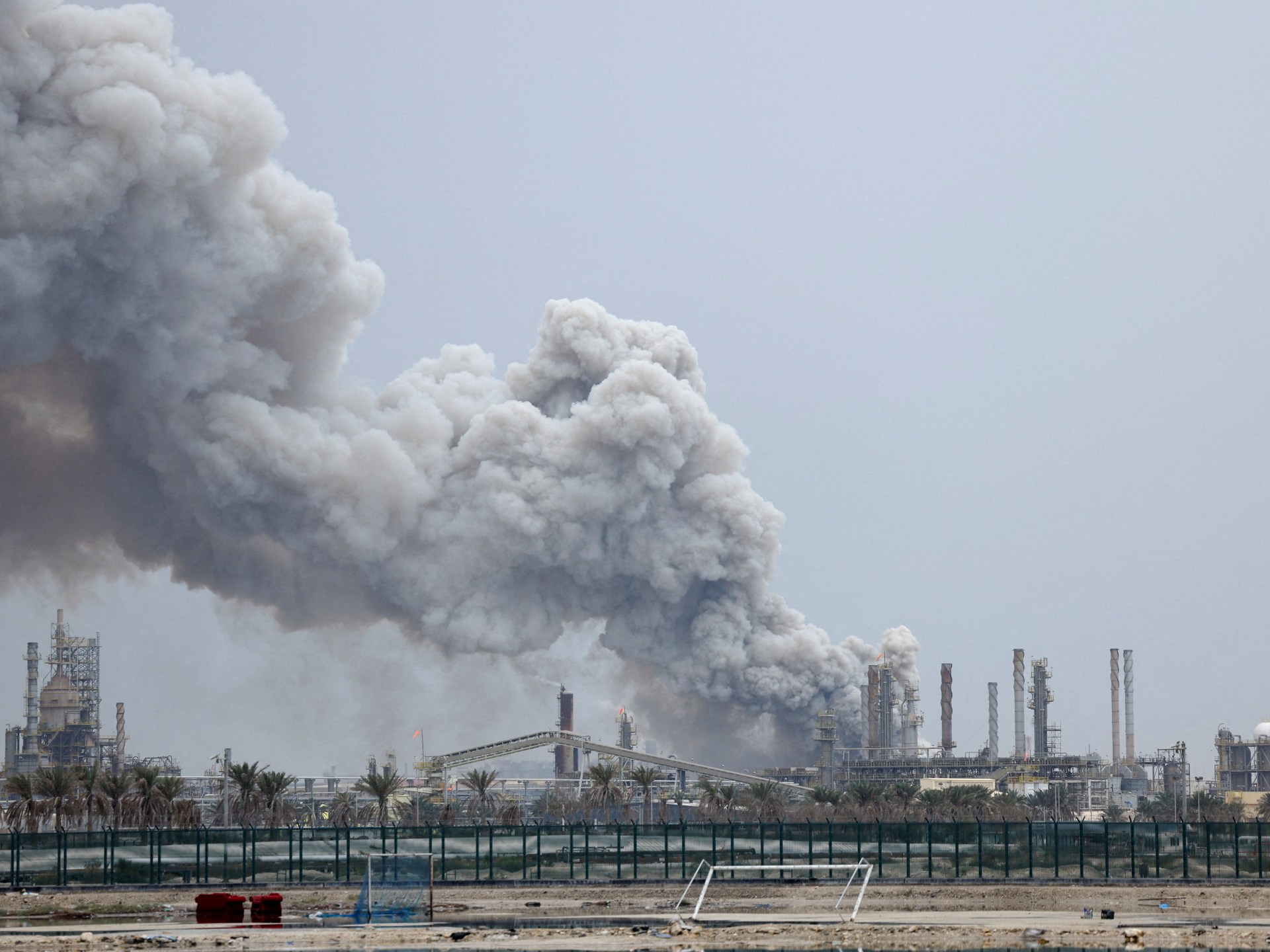
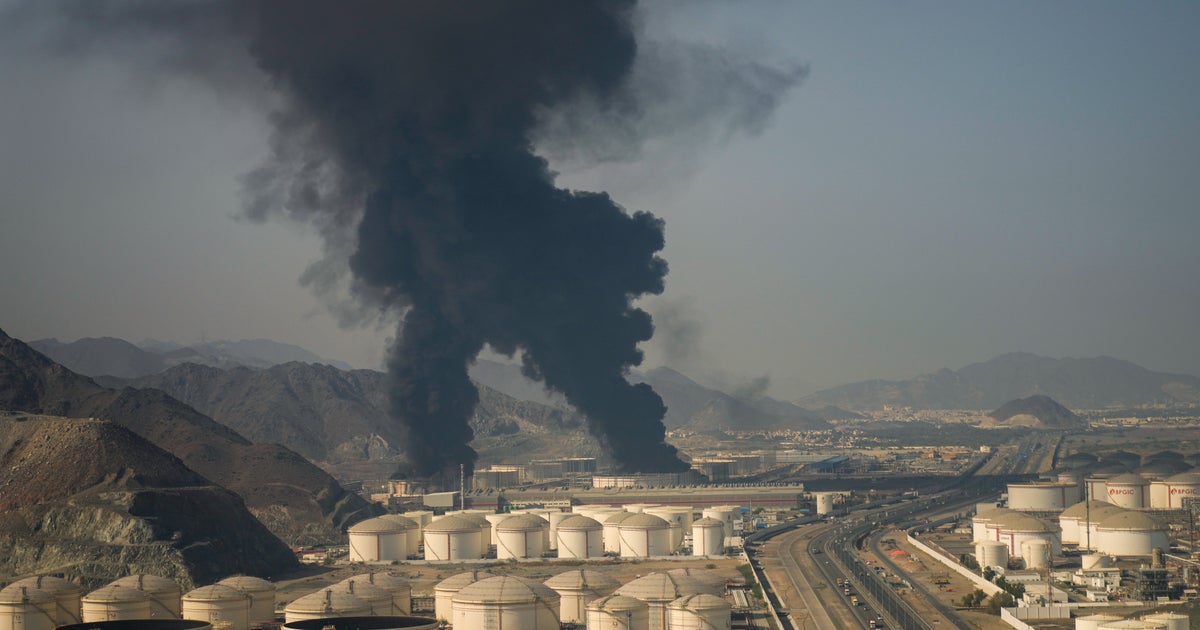
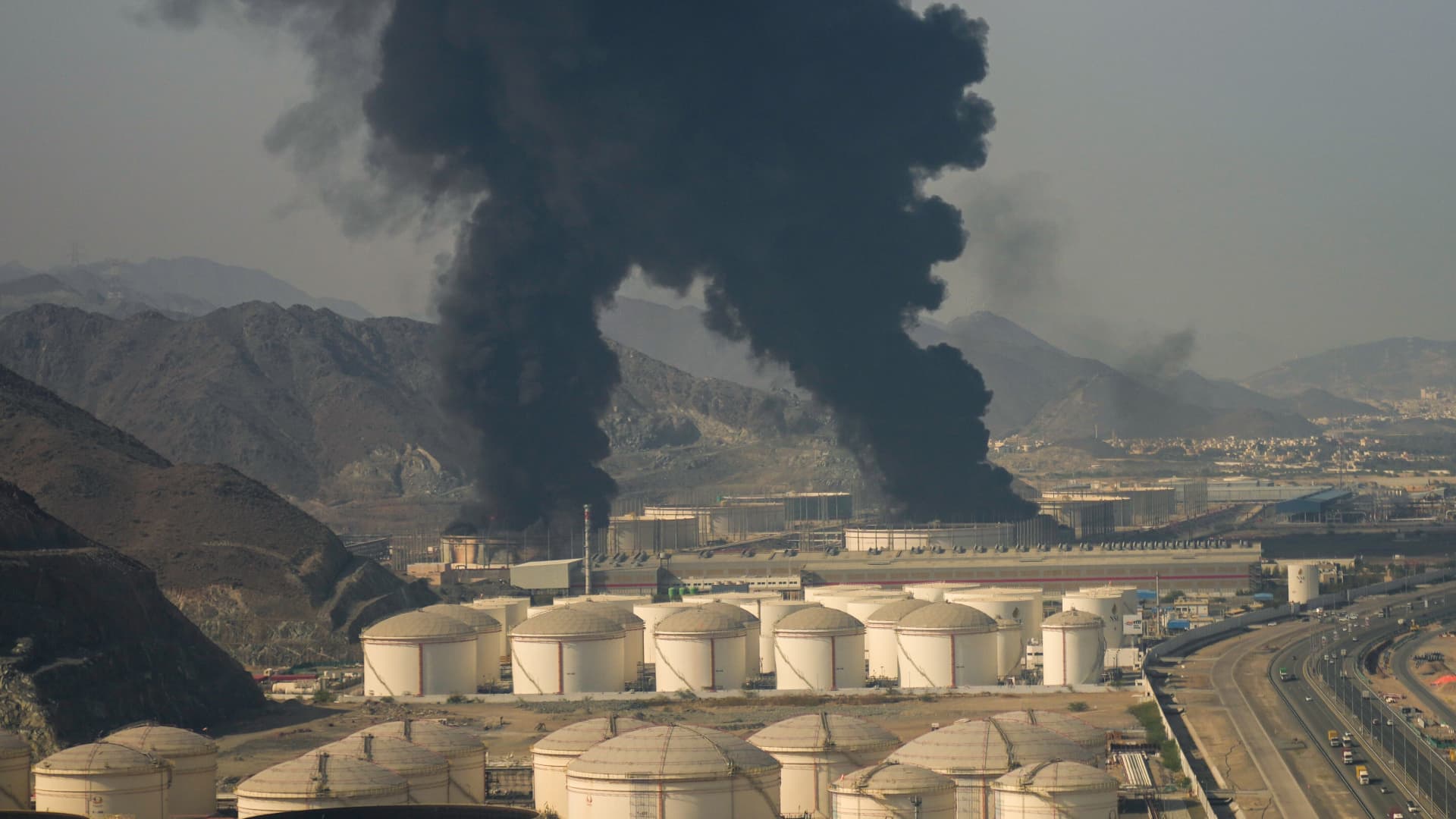
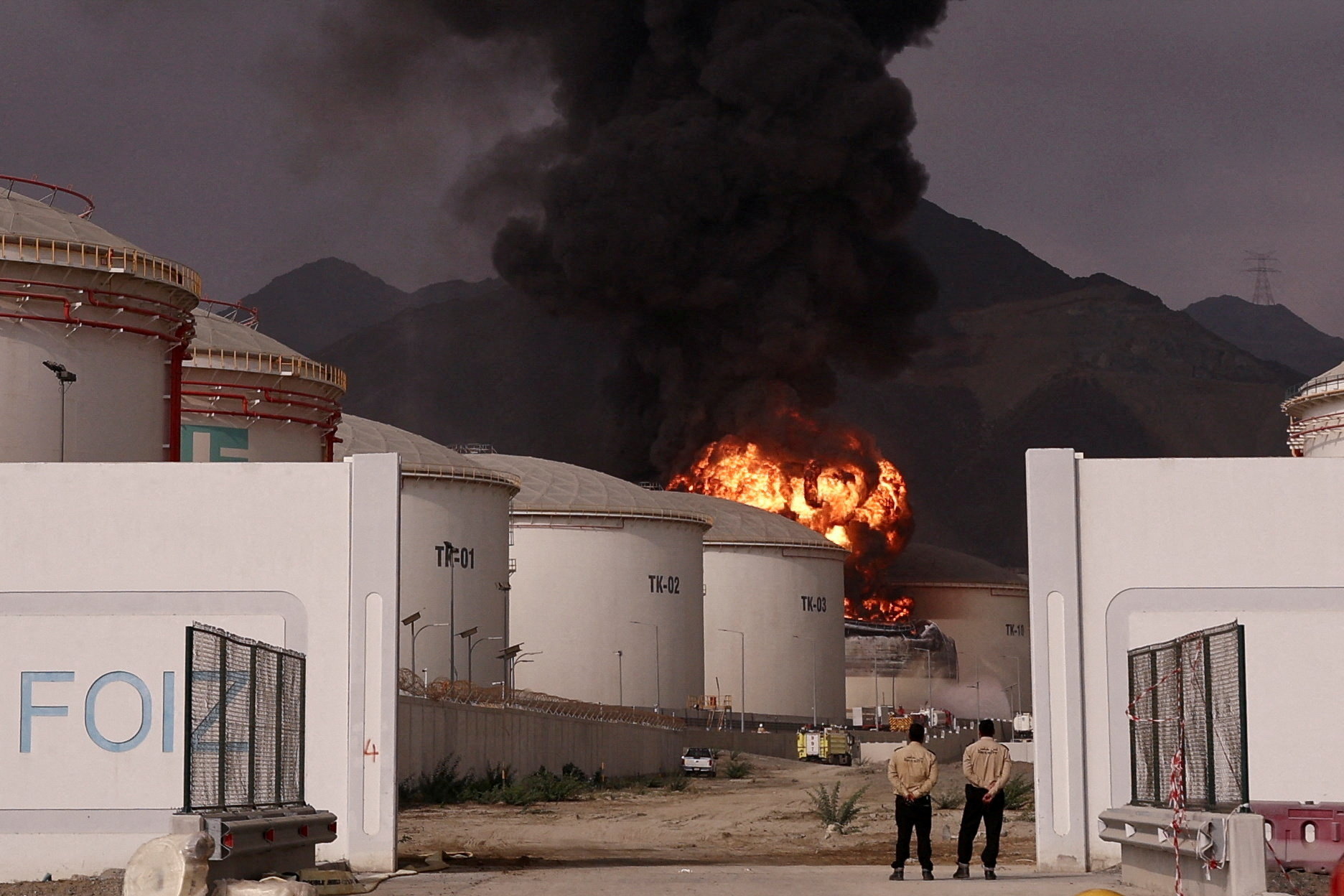
With the US-Israeli airstrikes against Iran on the brink of entering their third week, Iran’s response of firing missiles and drones toward the Gulf states has been a wake-up call. While, statistically, the countries of the Gulf have done a commendable job intercepting and destroying the vast majority of Iran’s aerial attacks, even a few successful strikes can cause havoc on a regional and even global scale. A single missile that slips through the defenses and hits critical infrastructure could have cascading effects well beyond the Middle East.
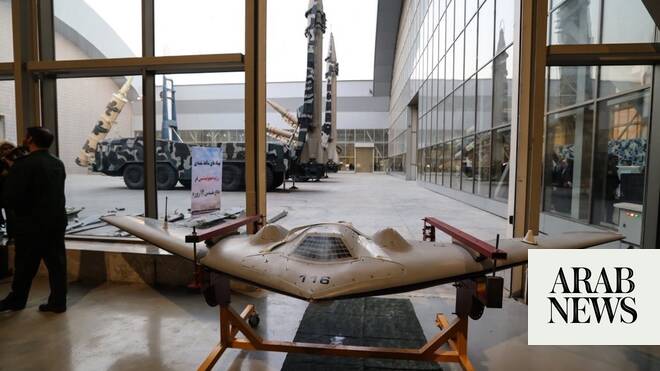
Many of the same challenges being faced by the Gulf states right now were the same challenges Ukraine faced early on in Russia’s invasion of that country, especially the proliferation of Iranian-designed and produced attack drones. When Russia began launching large numbers of Shahed drones against Ukrainian cities and infrastructure, Kyiv had to rapidly adapt its air defenses, tactics and technologies to cope with a new kind of threat.
Consequently, Ukraine has now sent teams of experts to various Gulf states to help advise on the best ways to counter these Iranian drones. Ukrainians have accumulated years of hard-earned experience in intercepting Iranian drones and adapting defensive systems to defeat them. This real-world knowledge has become a valuable export. And this opens a whole new opportunity for closer cooperation, not only between Ukraine and the Gulf states but also more broadly with NATO.