T
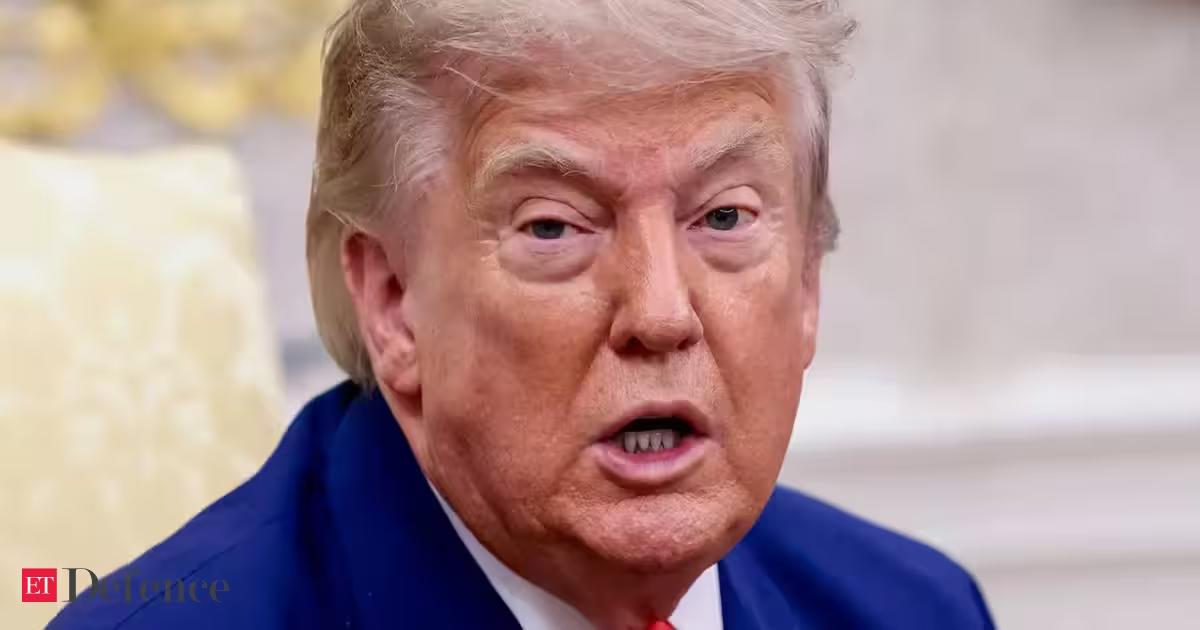
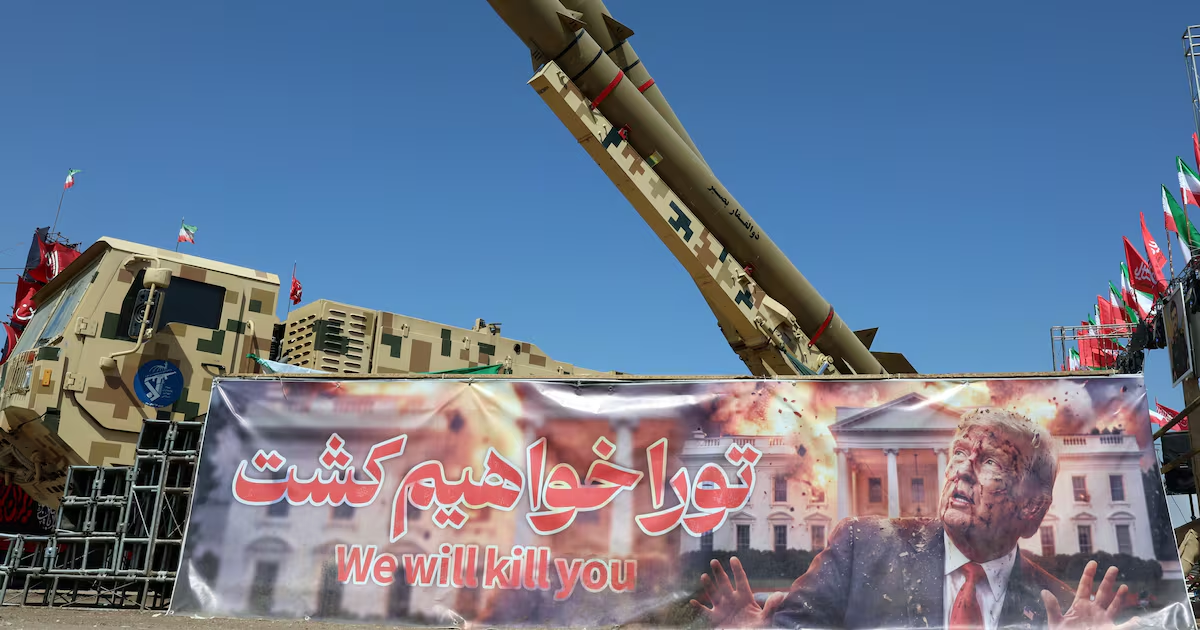
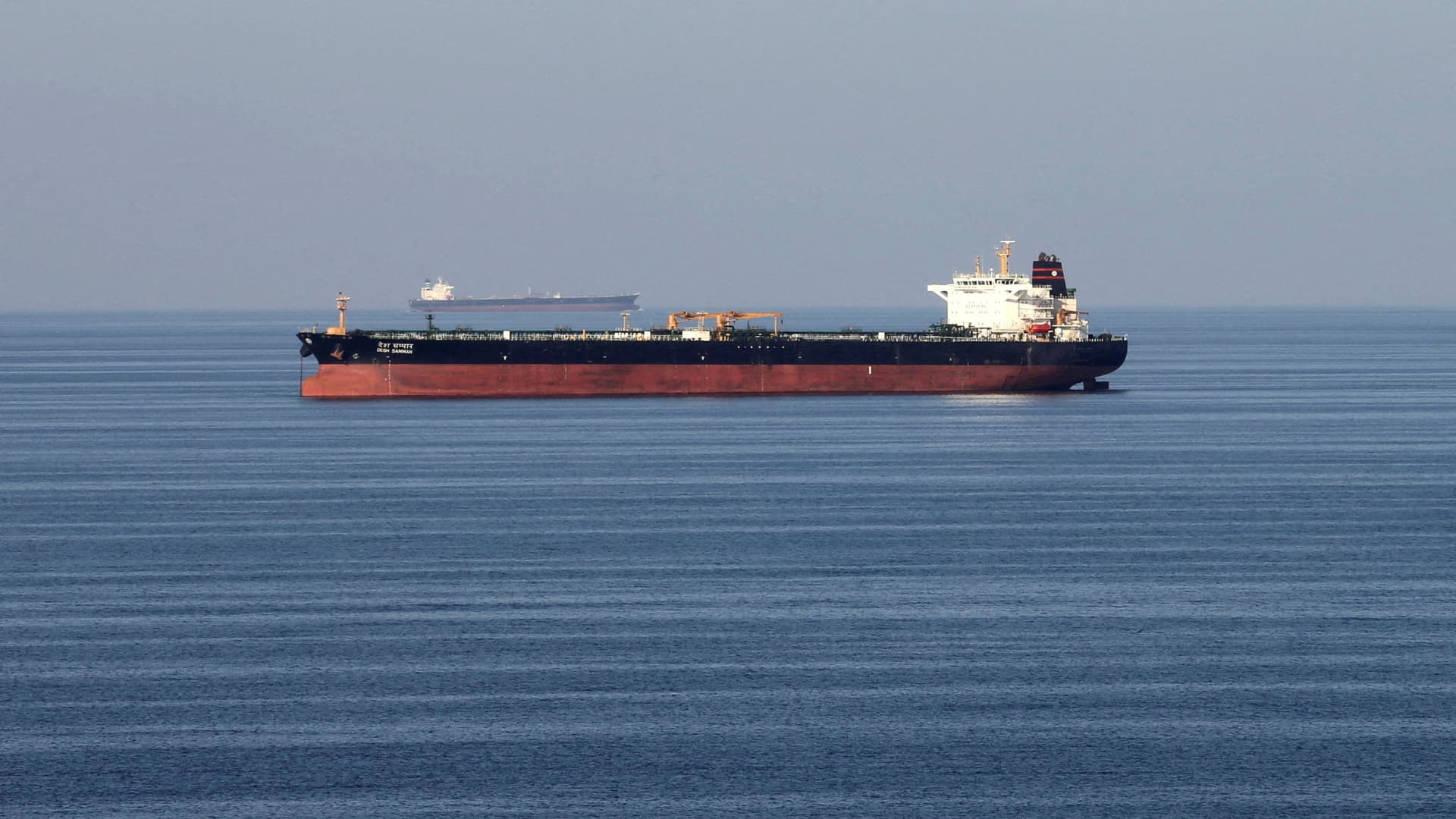
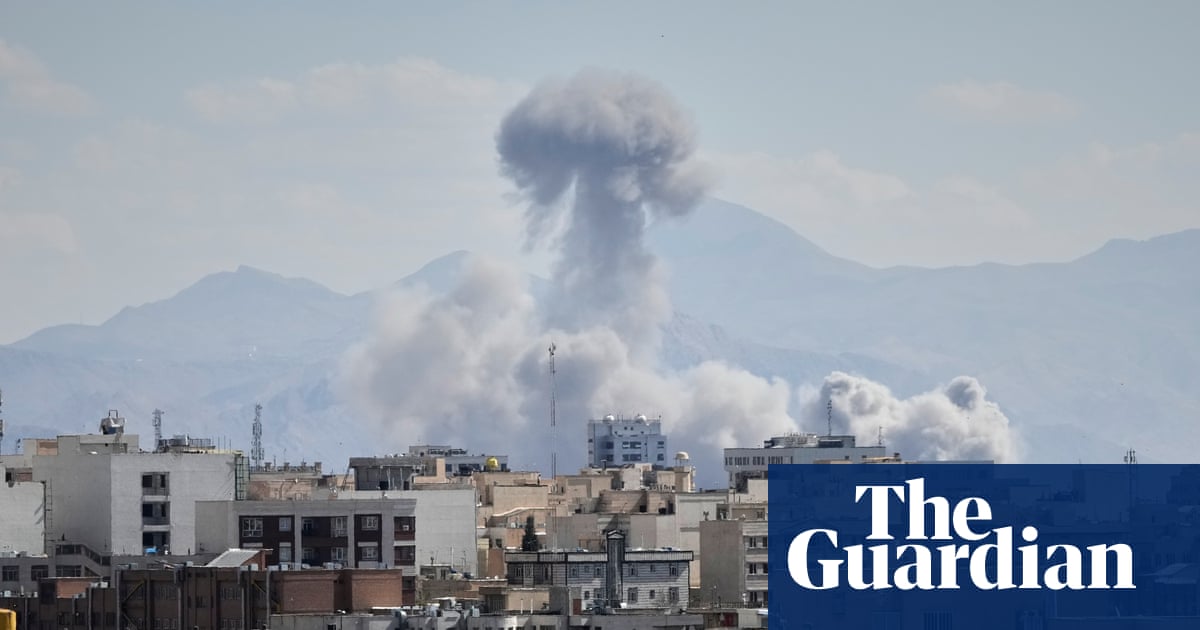
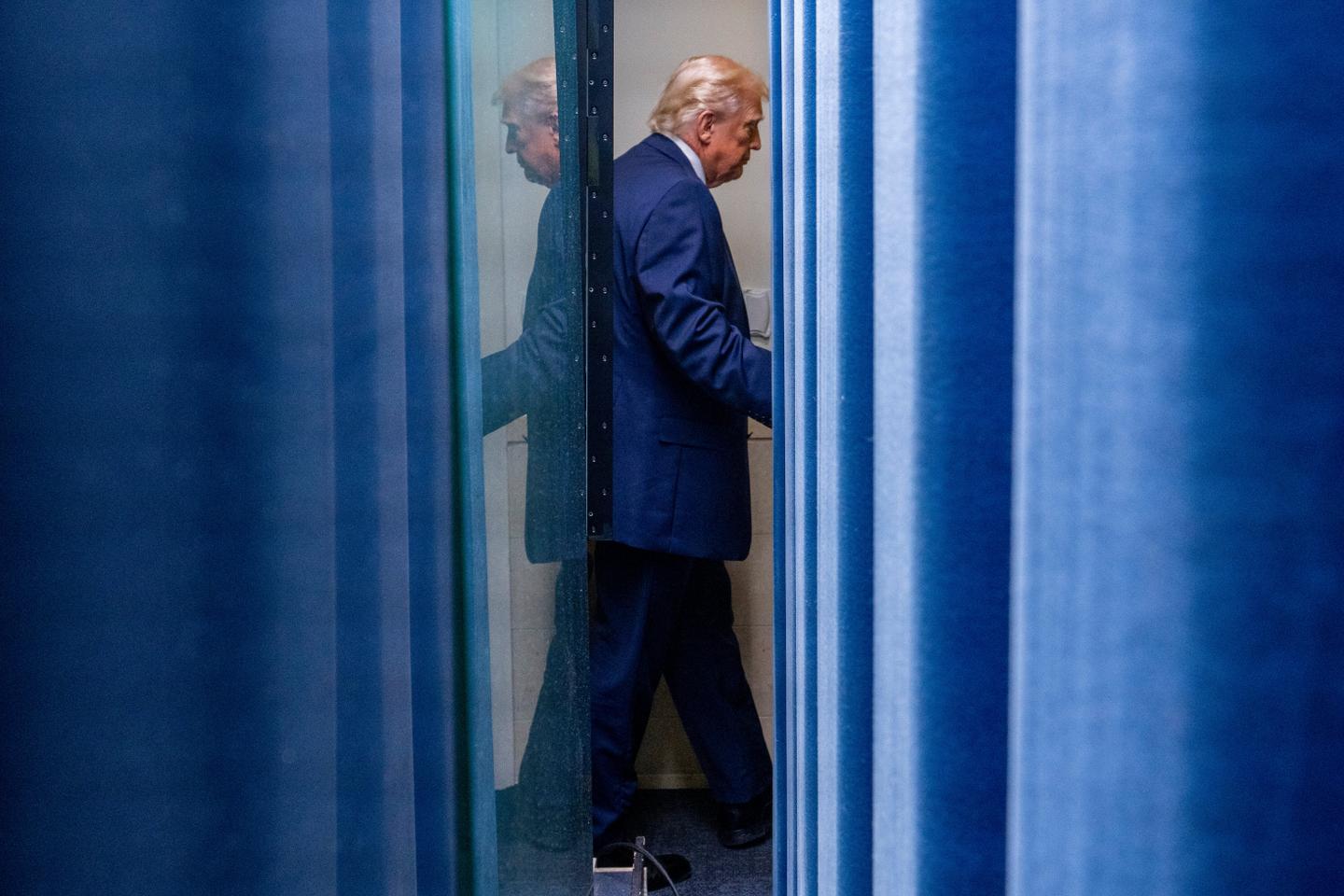
he specter of war is once again looming over the Middle East, and once again, the United States is the cause. Donald Trump, who burst onto the political scene more than 10 years ago, in part by denouncing the warmongering adventurism of previous administrations in this region, is openly threatening Iran with strikes on a much larger scale than the June 2025 war, which was started by Israel and joined by Washington. The precedent set in Venezuela showed that the current concentration of US military forces around the Gulf, even without ground troops, must be taken seriously.
It targets a regime that has been definitively discredited by its decision in January to drown in blood the wave of anger that swept Iranians in the face of their economy's collapse. This situation is entirely due to the blindness of Supreme Leader Ali Khamenei, who has used and abused his regime's capacity for regional disruption with catastrophic results.
The "axis of resistance" painstakingly built by Tehran has been crushed in two years by the Israeli army, leading to the fall of Bashar al-Assad's regime in Syria. Strangled by sanctions, Iran has never been so internally weakened and diplomatically isolated. The regime's pursuit of a nuclear weapon, seen as a guarantee against foreign intervention, is now close to provoking a second intervention in less than a year.