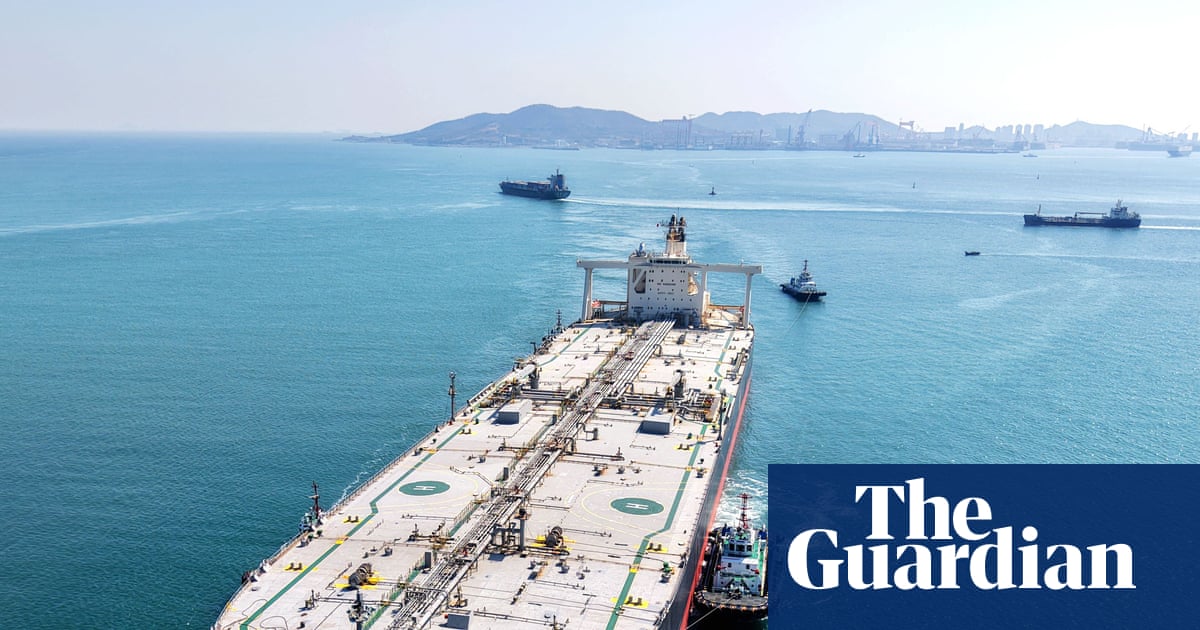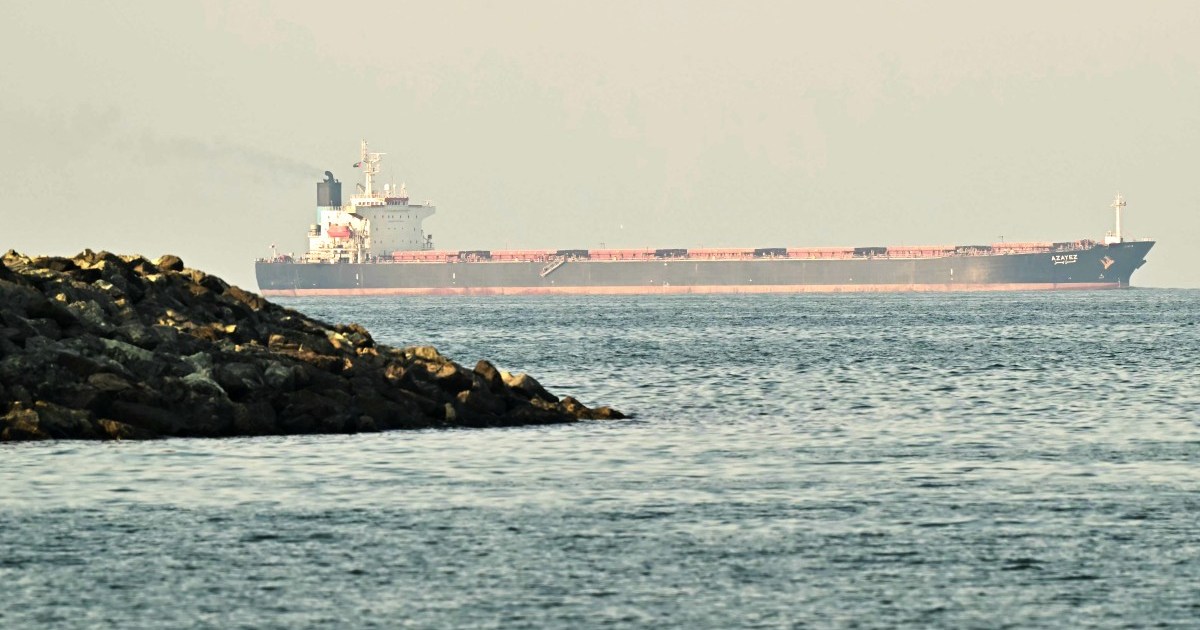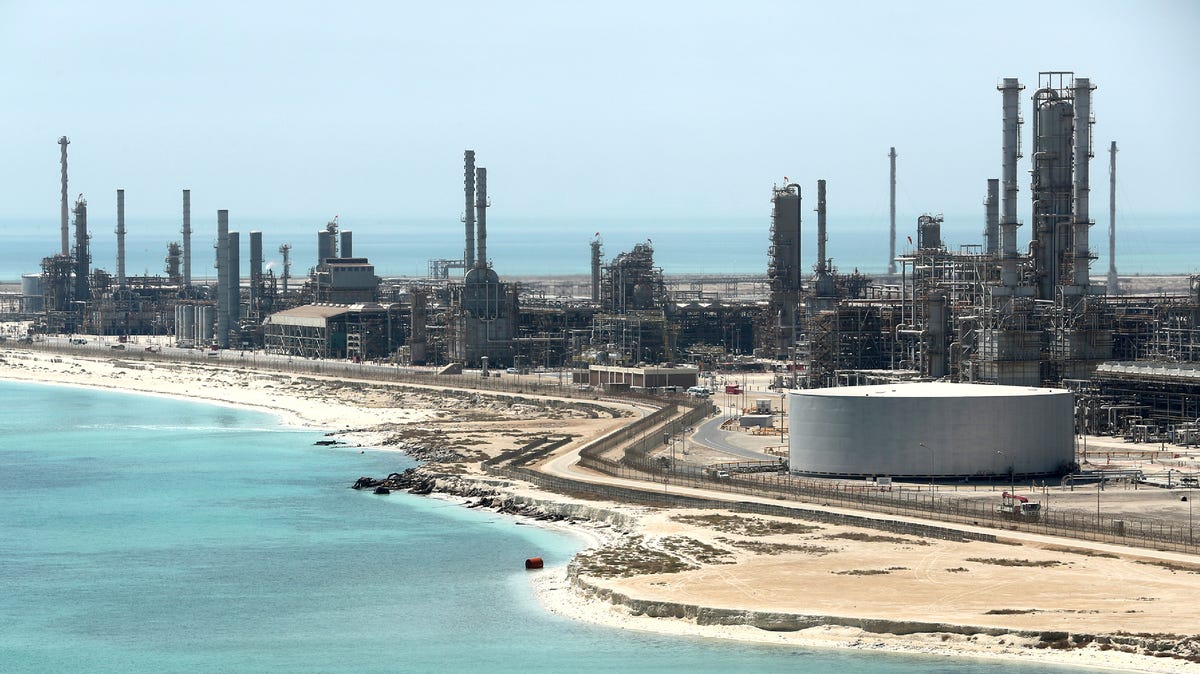
The "fog of war" refers to confusion and uncertainty on the battlefield and the attendant possibility of fatal error. This principle has a parallel when it comes to the economic consequences of wars as well, especially when they occur in a region that is a chokepoint for the production and shipment of one-fifth of the world's oil and a third of its natural gas.
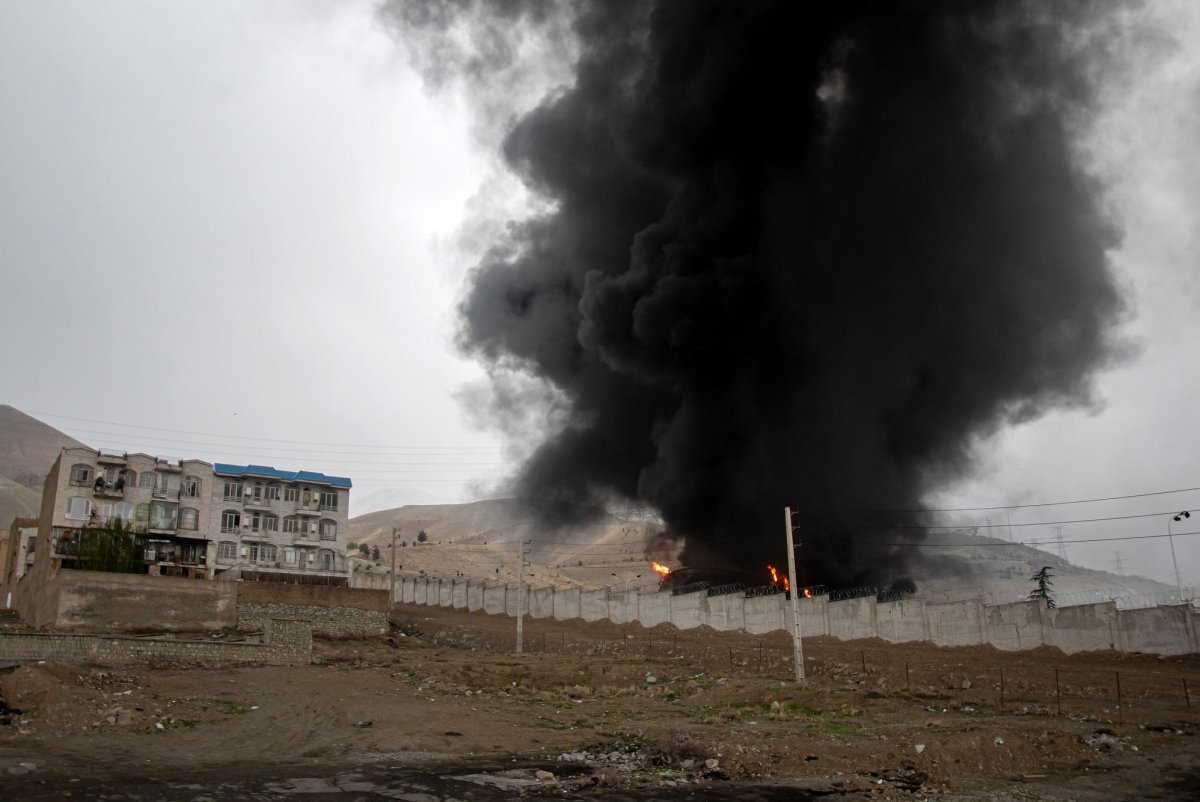
Although no one really knows how deeply the ripple effects of the joint U.S.-Israeli strikes on Iran will impair the global economy, the Gulf kingdom of Qatar issued a dire warning on March 6, 2026, that reflects those concerns: "This will bring down the economies of the world," Qatar's energy minister said.
As for the U.S. economy, it was already showing signs of weakness. Data released on March 6 showed an unexpected loss in jobs in February.
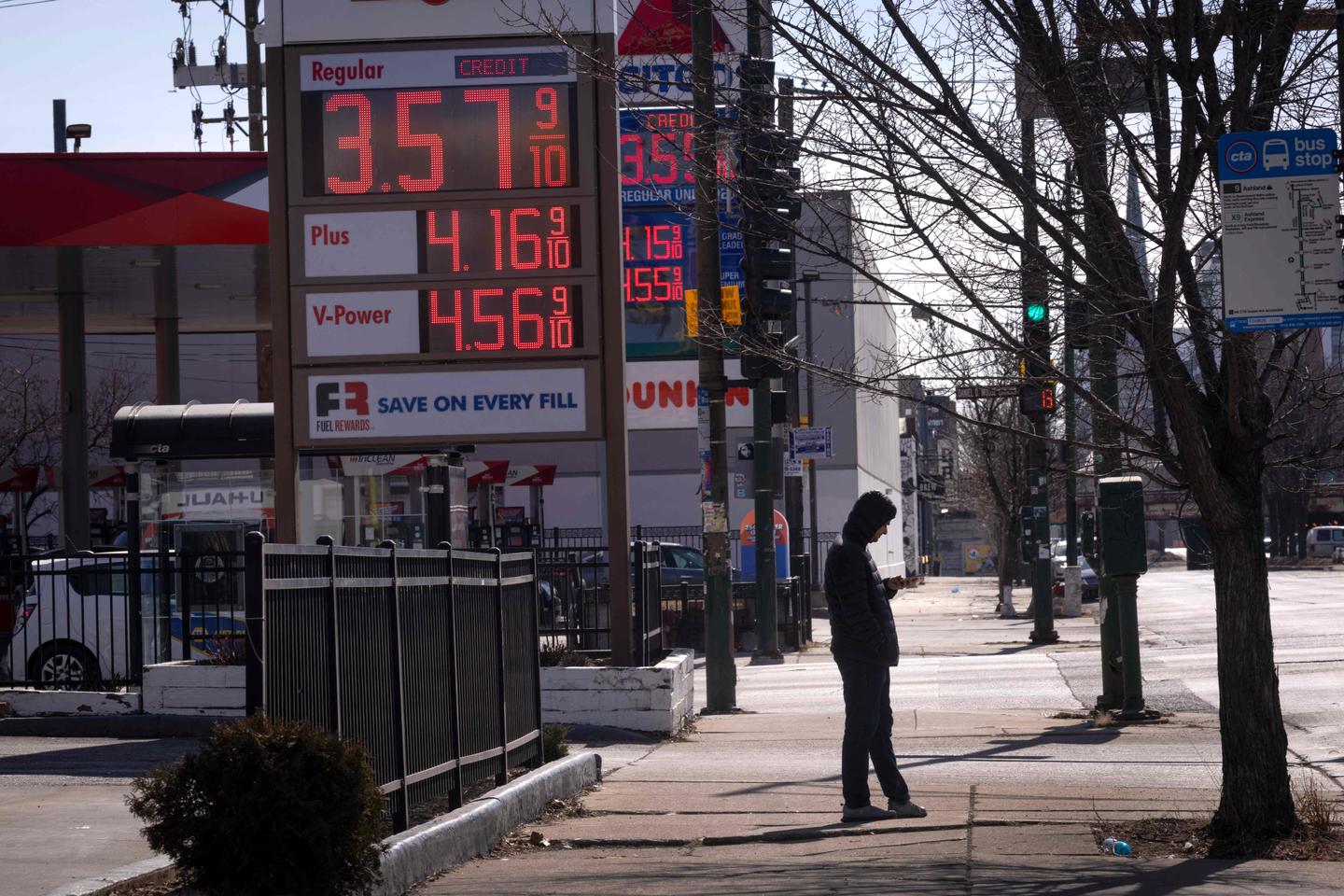
As an economist, I expect the biggest economic risks of this war to be inflationary pressures and slowing growth due to the rising price of oil. In addition, uncertainty from the "economic fog of war" could make consumers reticent to spend and businesses hesitant about hiring and investing. These conditions will make it challenging for policymakers to steer the economy.
Related