https://arab.news/z3mhw
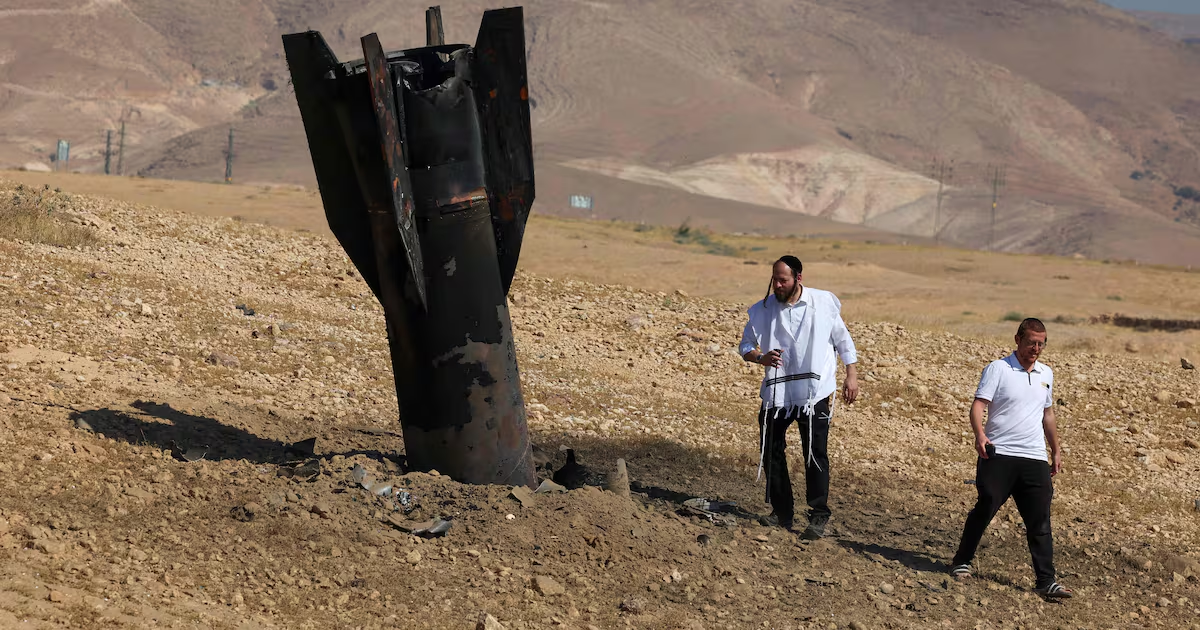
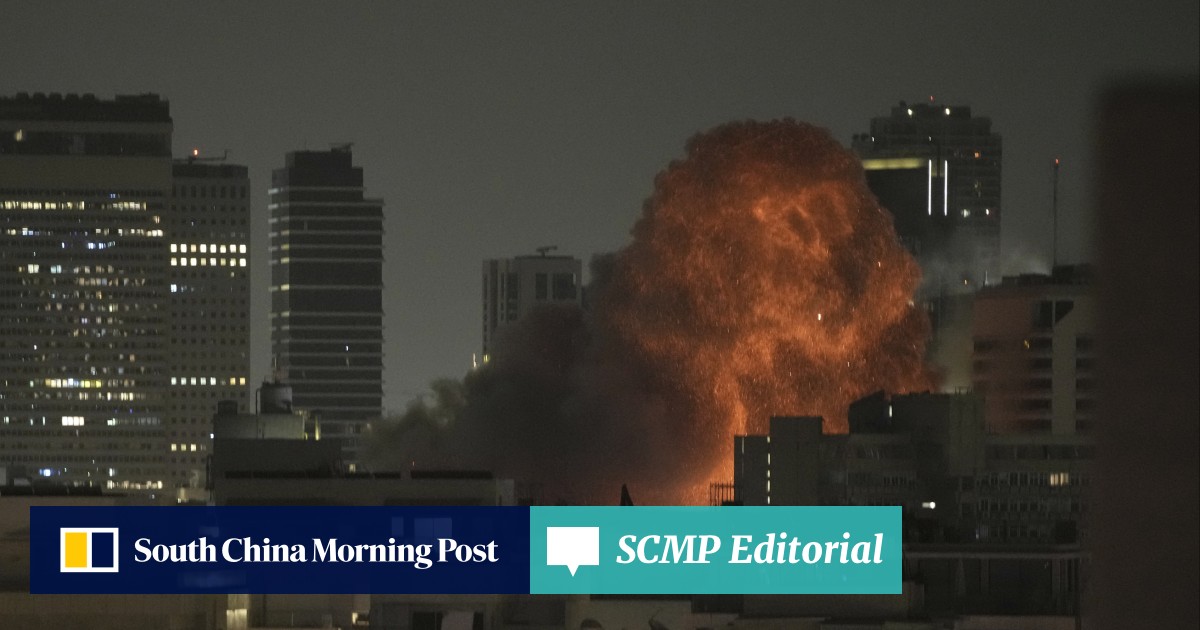
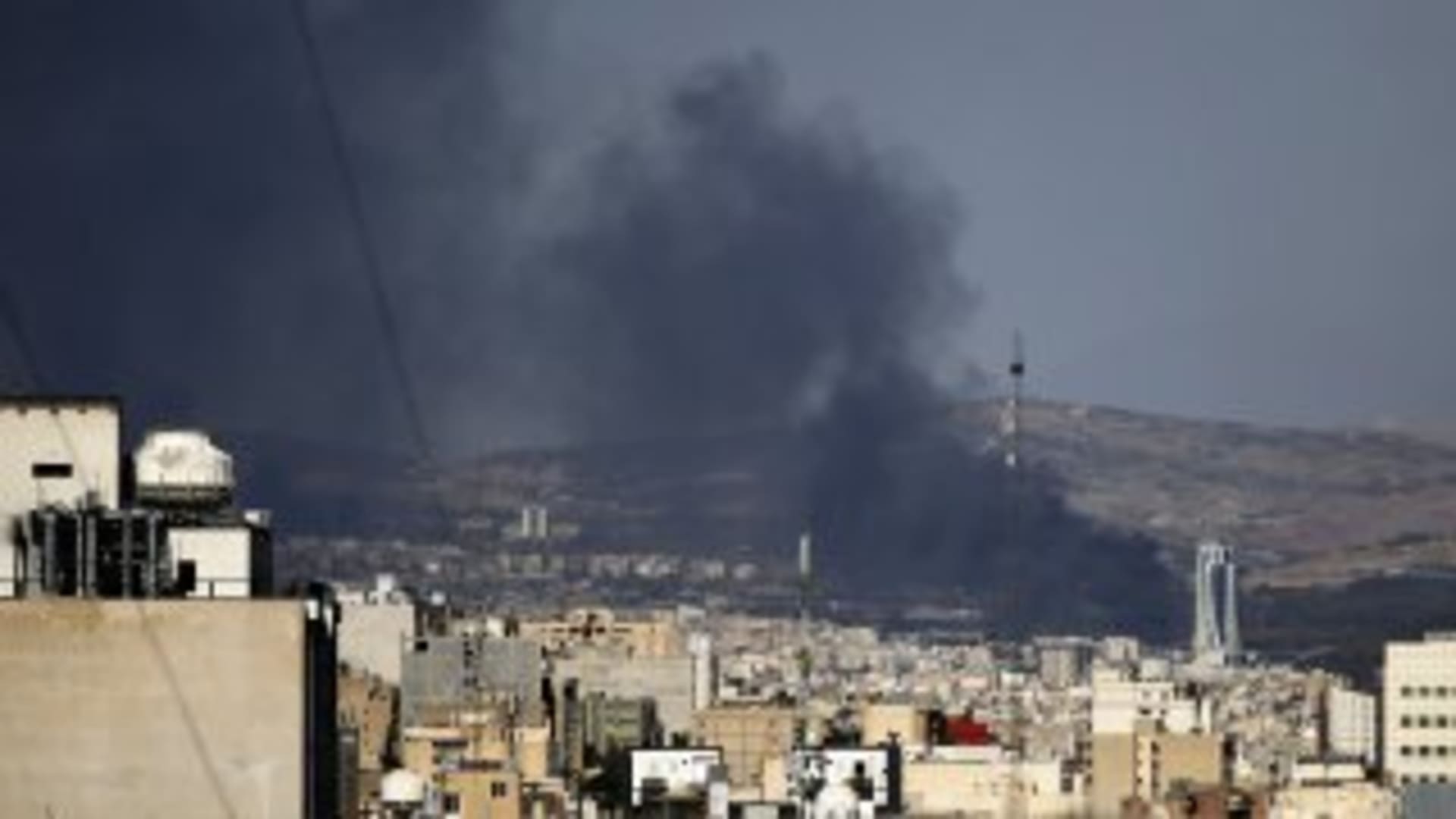
The recent and ongoing Israeli attacks on Iran and Iranian counterattacks are bringing the Middle East once again to the brink of a wider war. While headlines rightly focus on the immediate fallout, including the damage, retaliation and fear of further escalation, including a nuclear dimension, there is a deeper and more urgent truth that policymakers must confront: the cycle of conflict in the Middle East will not end unless serious diplomatic leadership steps in.
The crisis, therefore, also offers an opportunity — one where Europe and the Gulf Cooperation Council states, in particular, must step into the current vacuum to take ownership with a new diplomatic initiative that addresses what the region’s security environment will look like post-Israel-Iran crisis.
The attack by Israel on Iran and the subsequent regional shock waves mark a dangerous turning point in an already fragile region. Iran’s long-standing involvement in proxy conflicts across the Arab world — from Lebanon to Syria, Iraq and Yemen — has made it a persistent source of tension with its neighbors. At the same time, the Netanyahu government’s uncompromising stance on national security, often at the cost of diplomatic restraint, is feeding into a cycle of tit-for-tat violence. The result is a continuous downward spiral where everyone loses — civilians suffer, extremism festers and trust across borders erodes. That cycle must be broken.