The oil shocks of the 1970s-90s had brutal economic impacts. As Israel attacks Iran, a moderate rise in oil prices rests on questionable assumptions
F
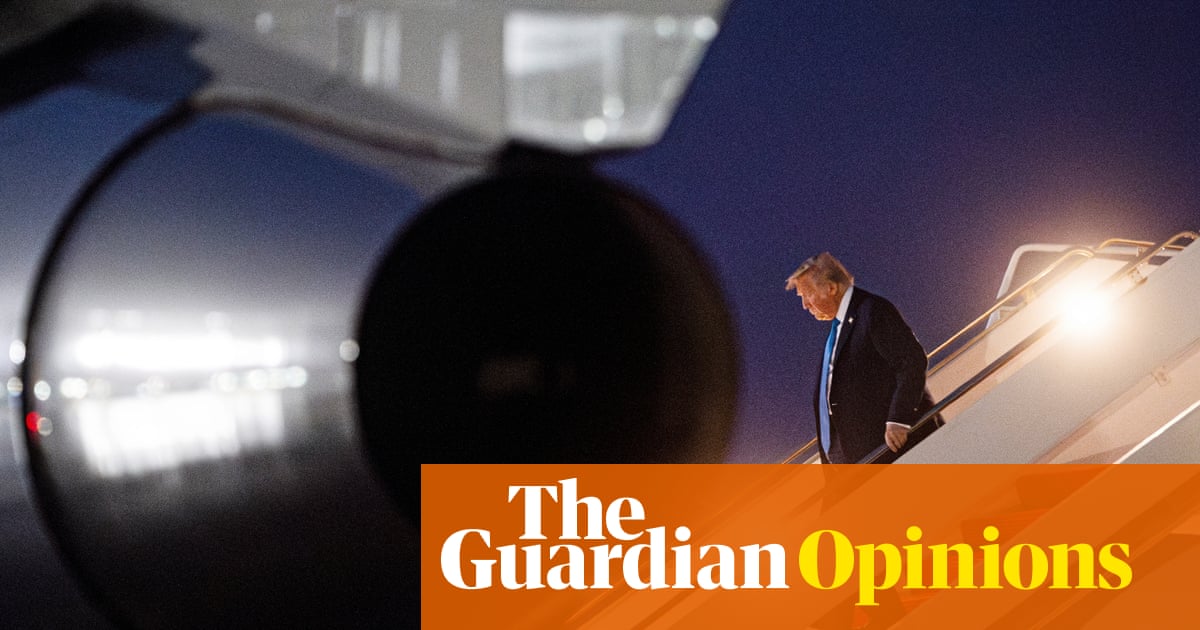
inancial markets picked up the clear message when Donald Trump cut short his stay at the G7 summit in the Canadian Rockies this week. Despite calls from fellow western leaders to de-escalate the crisis, the president’s early return to the White House was taken as a sign that the US is considering joining Israel in its military action against Iran. Trump says he wants Iran’s unconditional surrender.
This is where modern summitry came in half a century ago. In 1975, the first meeting of what eventually became the G7 was convened at Rambouillet in France in an attempt to work out a joint response to the oil shock that accompanied the Yom Kippur war between Israel and its neighbours.
Back then, the impact of higher crude prices was immediate and brutal. The cost of crude rose fourfold in a matter of months and killed off the post-second world war boom, leading first to higher inflation and then to recession. A second dose of stagflation arrived a few years later when the Iran-Iraq war led to a further doubling of oil prices. Iraq’s invasion of Kuwait in 1990 again led to higher oil prices and weaker activity. History suggests the Middle East can cause all sorts of problems for the global economy.