J
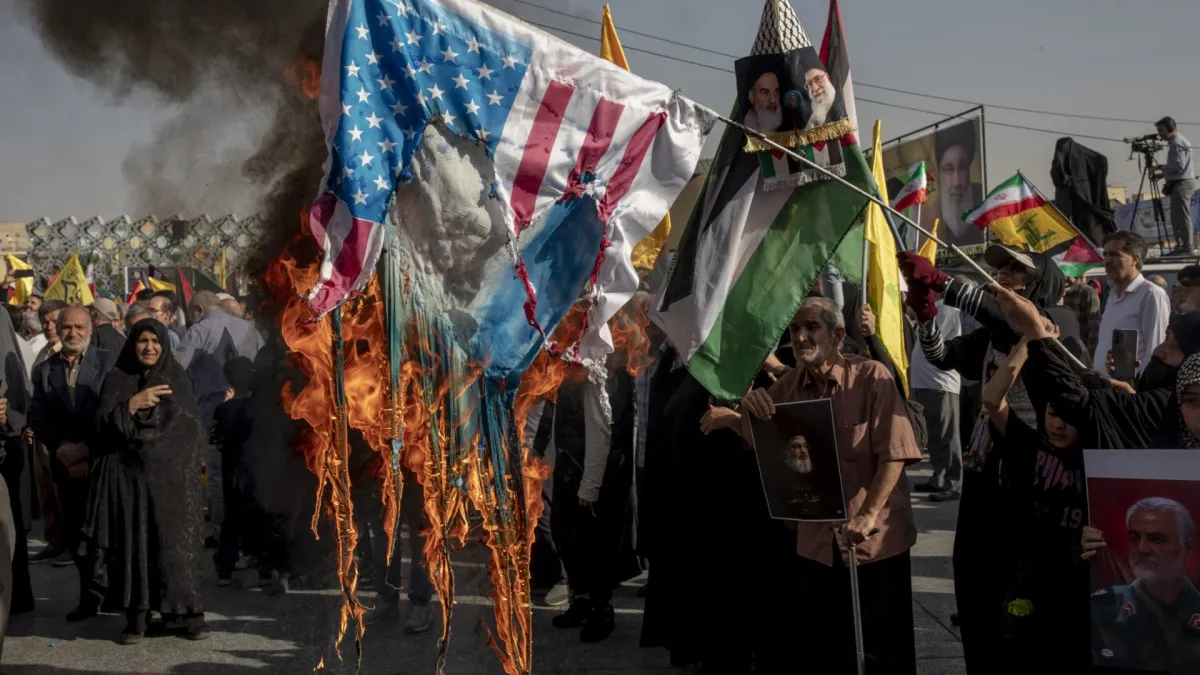
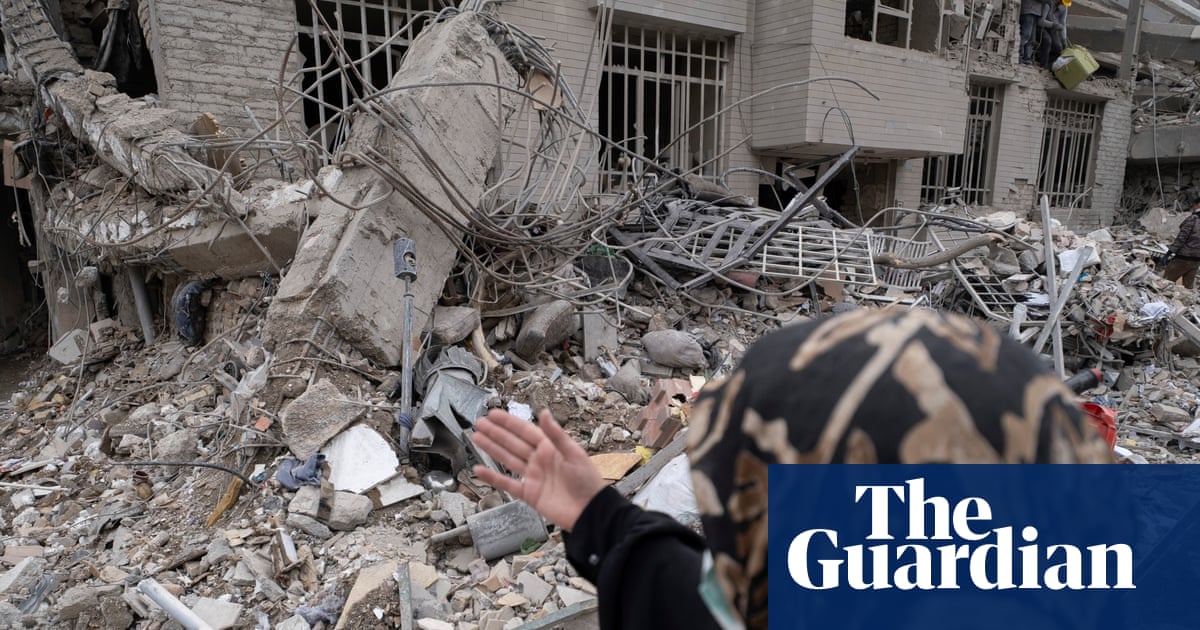
ake Sullivan was still national security adviser to Joe Biden at the end of September 2023 when he made what would become a famous remark: "The Middle East region is quieter today than it has been in two decades." That "calm" was precarious. Eight days later, on October 7, 2023, Hamas launched a terrorist attack of unprecedented scale and brutality against Israel, triggering historic upheavals in the Middle East, with the war in Iran now the latest chapter.
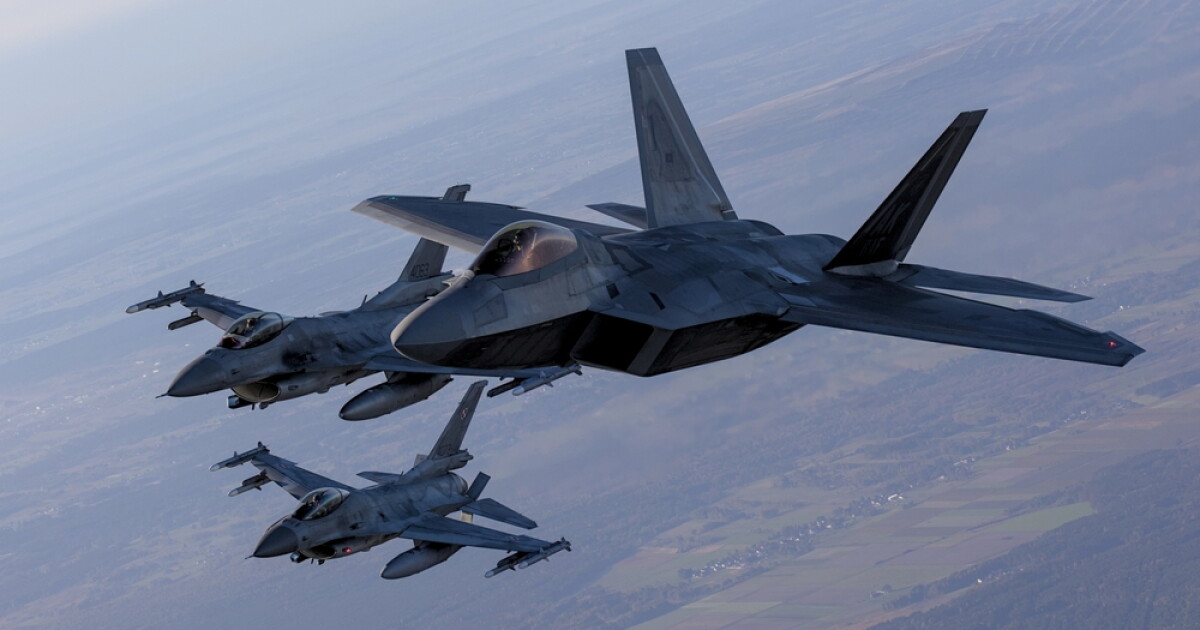
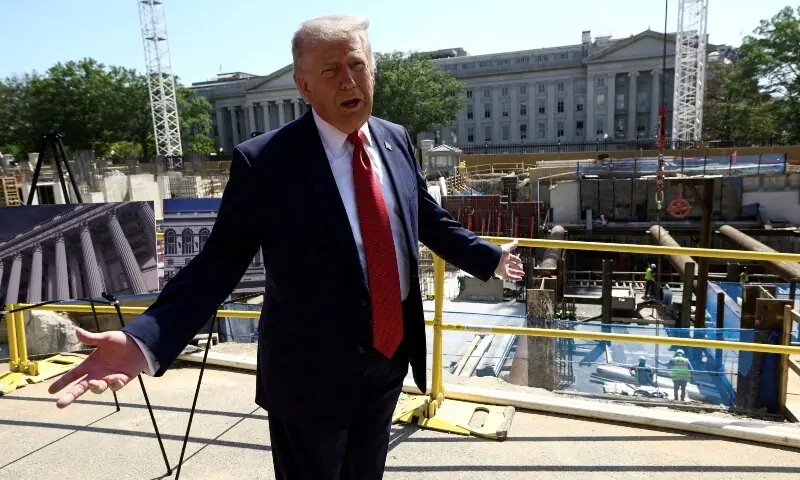
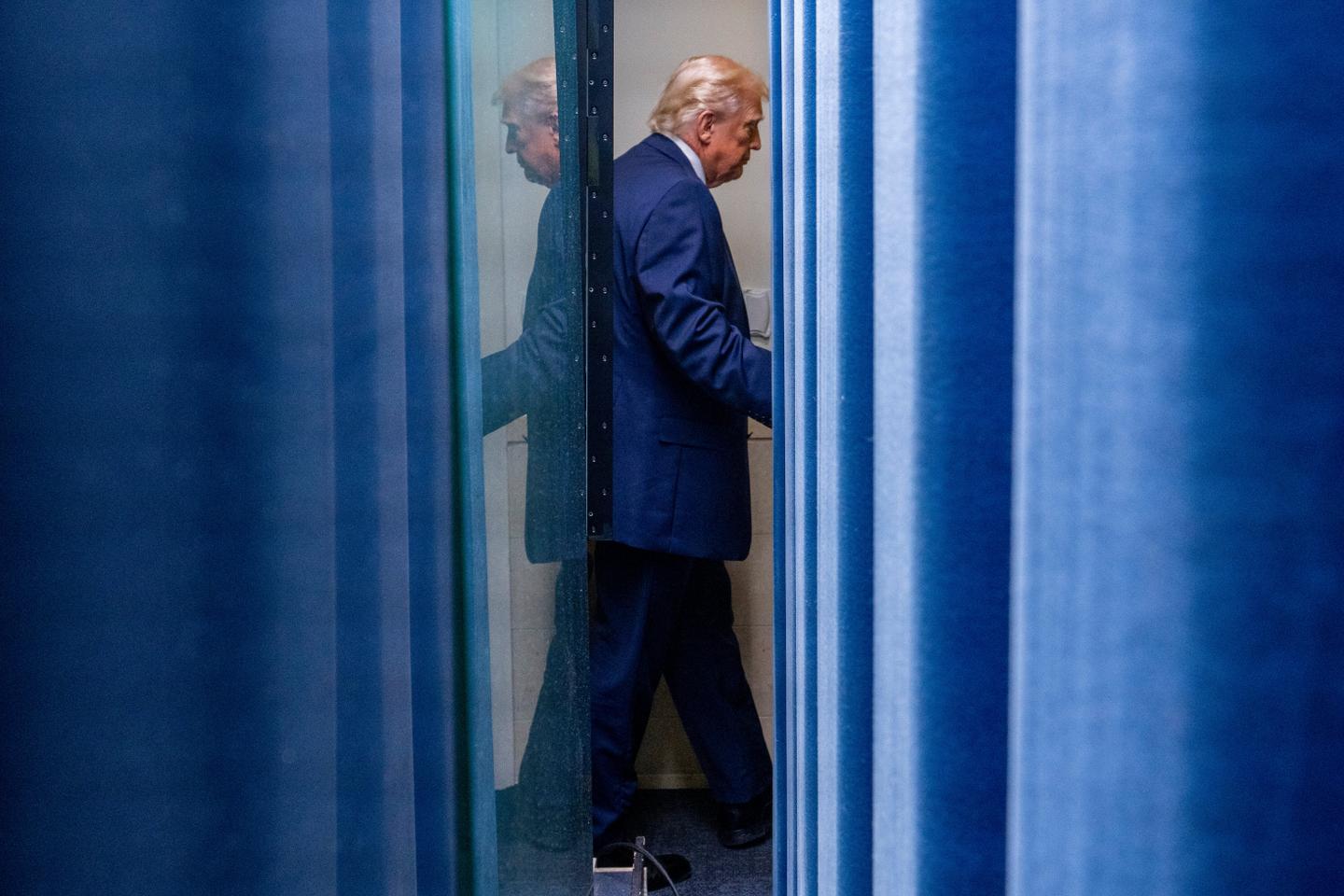
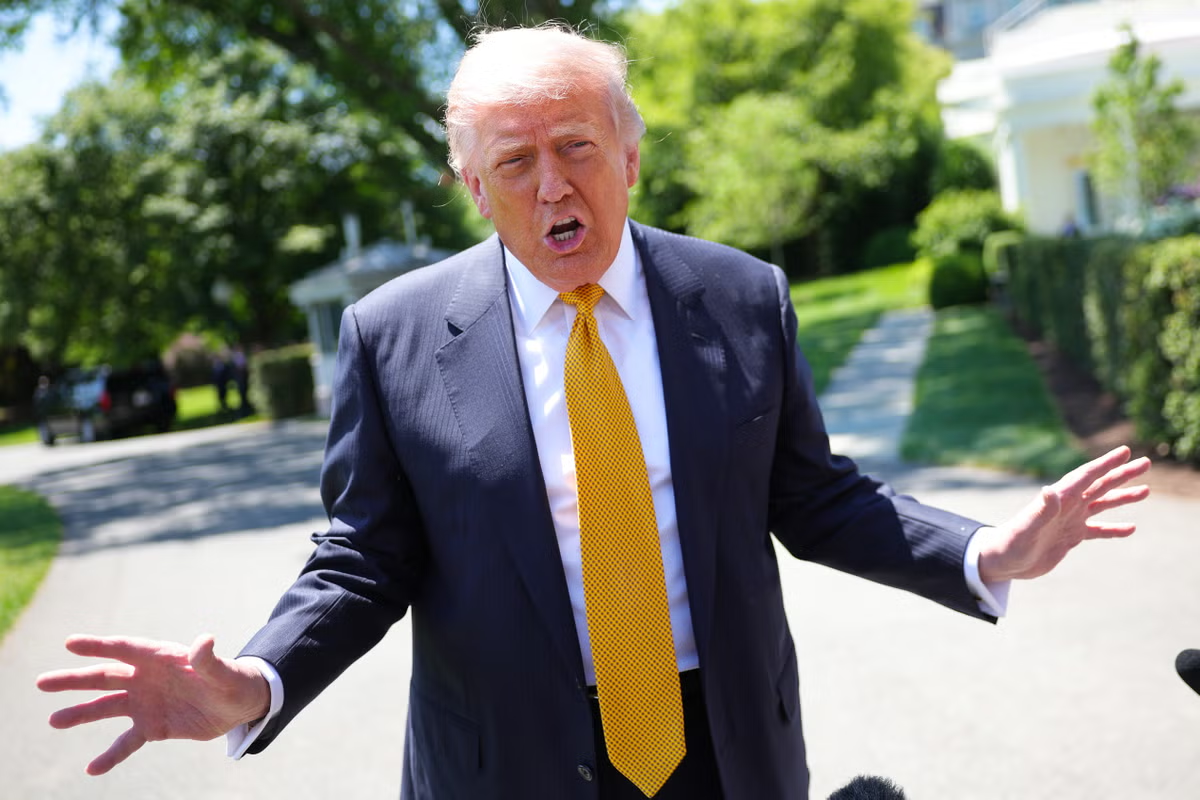
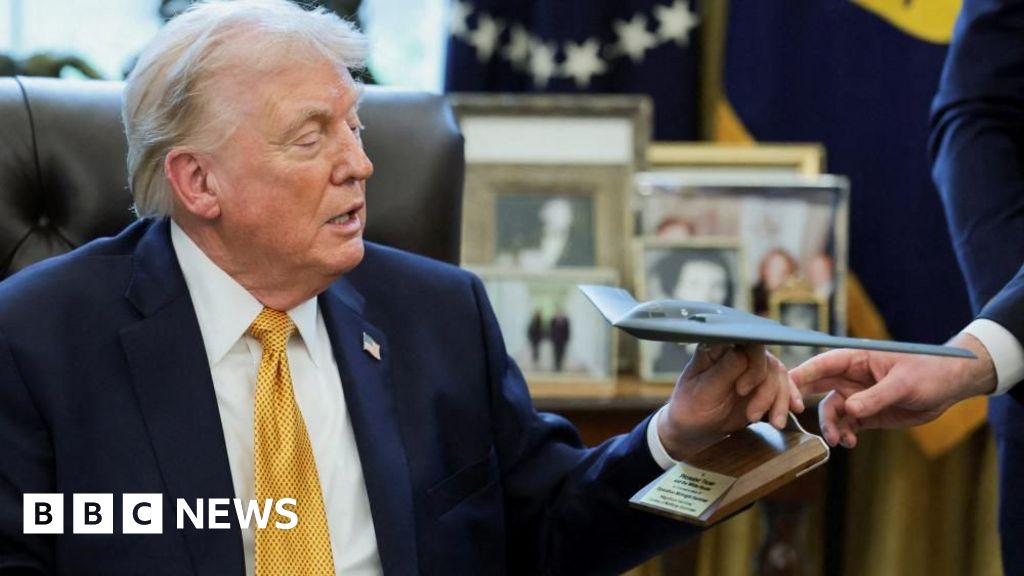
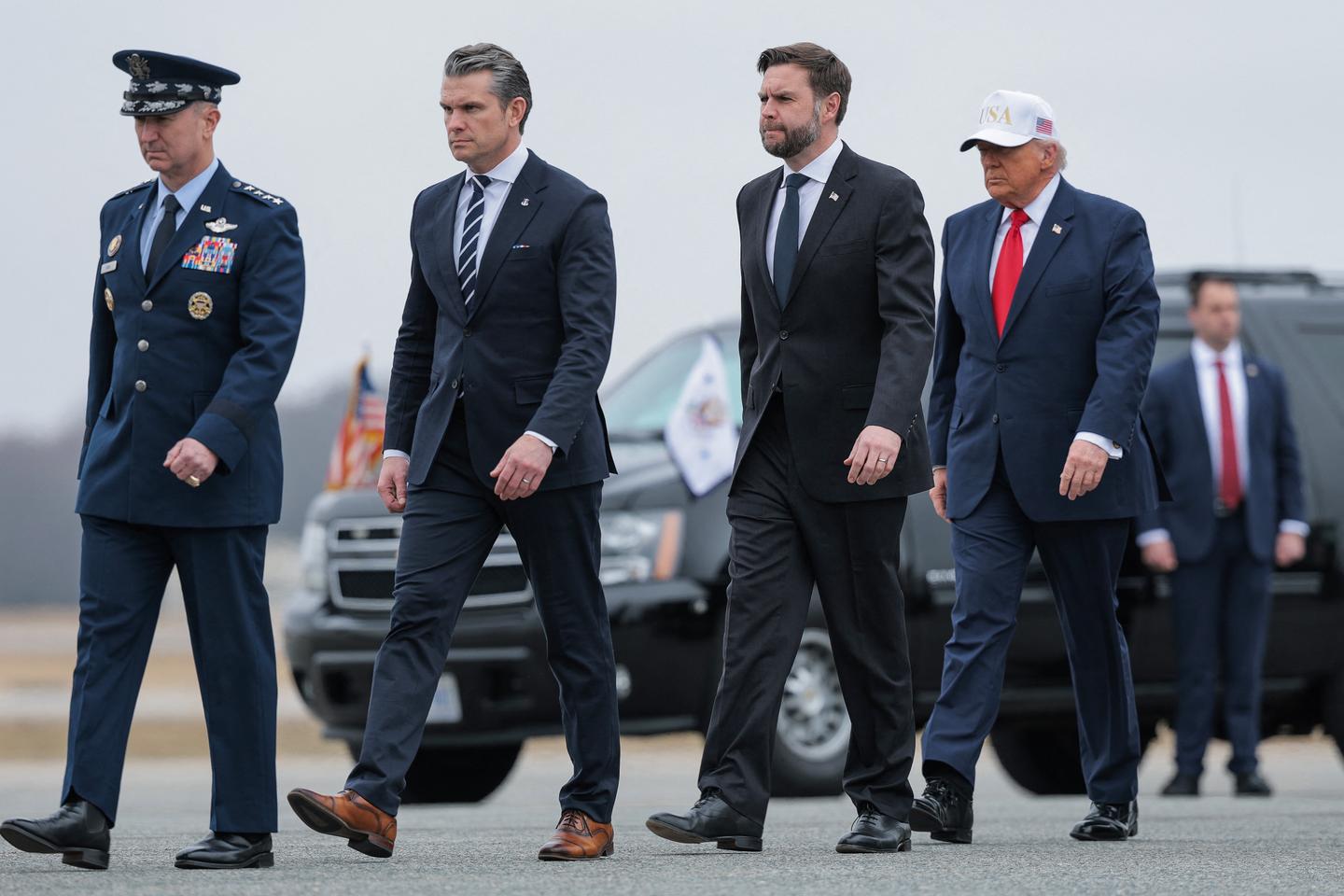
On May 13, 2025, during a tour of the Gulf, US President Donald Trump delivered a speech in Riyadh promising "a future where the Middle East is defined by commerce, not chaos." A few months later, the national security strategy indicated that the region would recede among US priorities, thanks to American energy self-sufficiency: "America's historic reason for focusing on the Middle East will recede." And on December 17, in a solemn address, Trump congratulated himself on having "for the first time in 3,000 years, brought peace to the Middle East." No less. Sullivan could breathe a sigh of relief. In light of the military adventure the United States and Israel embarked upon on February 28, his exaggerated optimism three years earlier seems a minor sin.